5 ideal spots for birdwatching in Poland
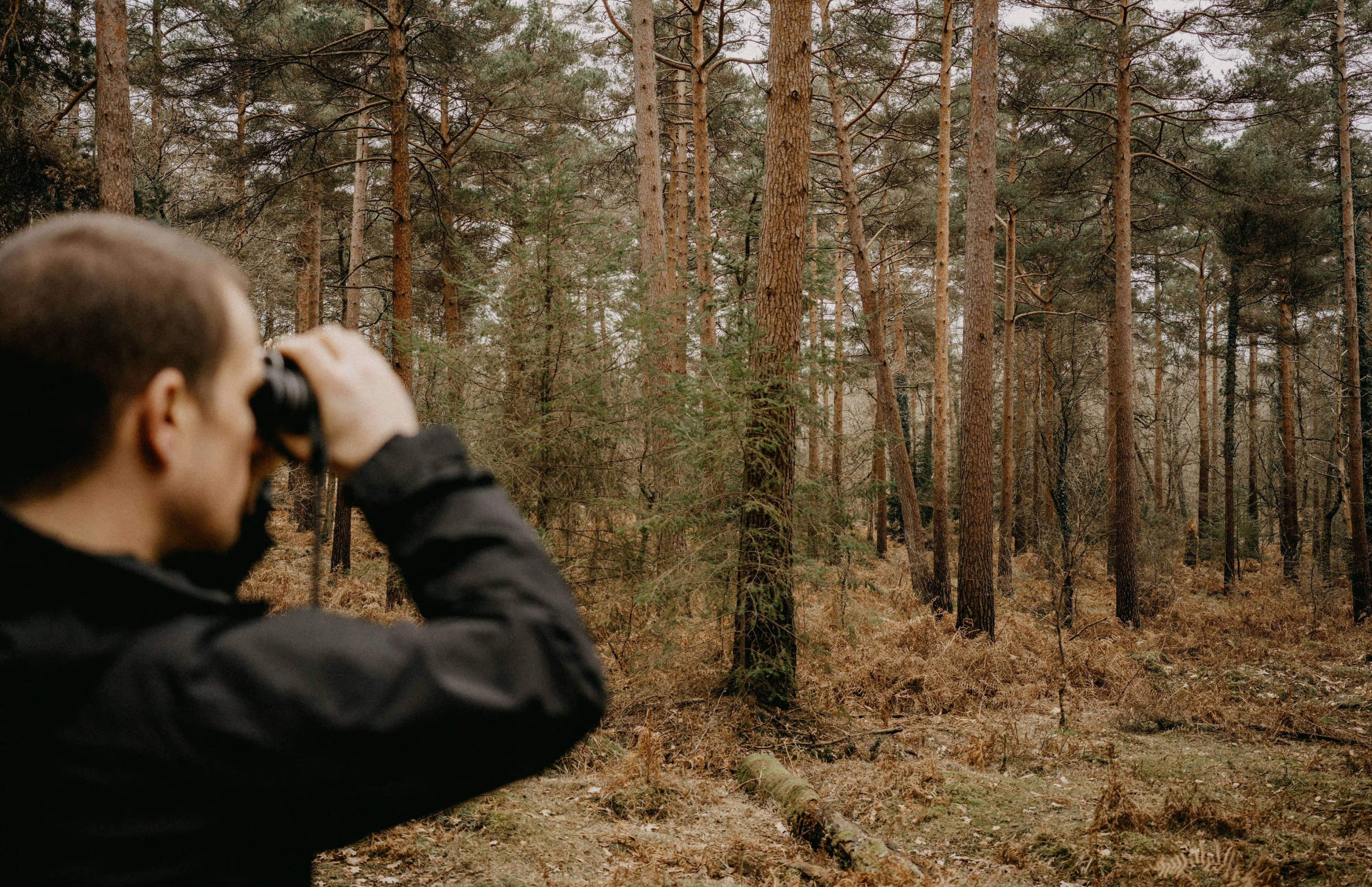
We have a feeling that birdwatching in Poland is about to experience a renaissance. We usually have good instincts about these things, so take this prediction seriously. It seems like the perfect hobby: affordable (just a pair of binoculars at most), a great way to get moving, a natural stress reliever, and it keeps you focused on the here and now. You can do it any time of year and virtually anywhere—even in the city. For instance, Warsaw is one of the few capitals where you can spot peregrine falcons right in the city center. If you’re skeptical, check out this link.
And now for something they didn’t teach us in school: there are 473 bird species in Poland, plenty of excellent birdwatching locations, and scenes worthy of a National Geographic documentary happening live. The only thing missing is an audience. In the UK, about 3 million people go birdwatching. In Poland, only a few thousand. Hard to believe when you see how many people follow the Jestem na pTAK Association on Instagram.
We tried to include something for everyone, no matter where you live. That’s why you’ll find spots in Lower Silesia, Pomeranian Voivodeship, Lubusz Voivodeship, Upper Silesia, and out east by the Biebrza River. But great birdwatching places can be found anywhere: in your nearest forest or reserve, by a river, or sometimes even right from your own home. Just remember to watch birds responsibly: don’t scare them, don’t touch them, and don’t feed them. A true birder is an ethical birder, always caring for the well-being of the birds.
This article was created in cooperation with the Jestem na pTAK Association! Thanks to this partnership, we’re serving up a practical dose of expert knowledge. Whether you’re just starting out or you’re already hooked, we recommend following the association—they do incredibly inspiring work for birds and bird lovers alike.
Silesian Fish Ponds
View nearby stay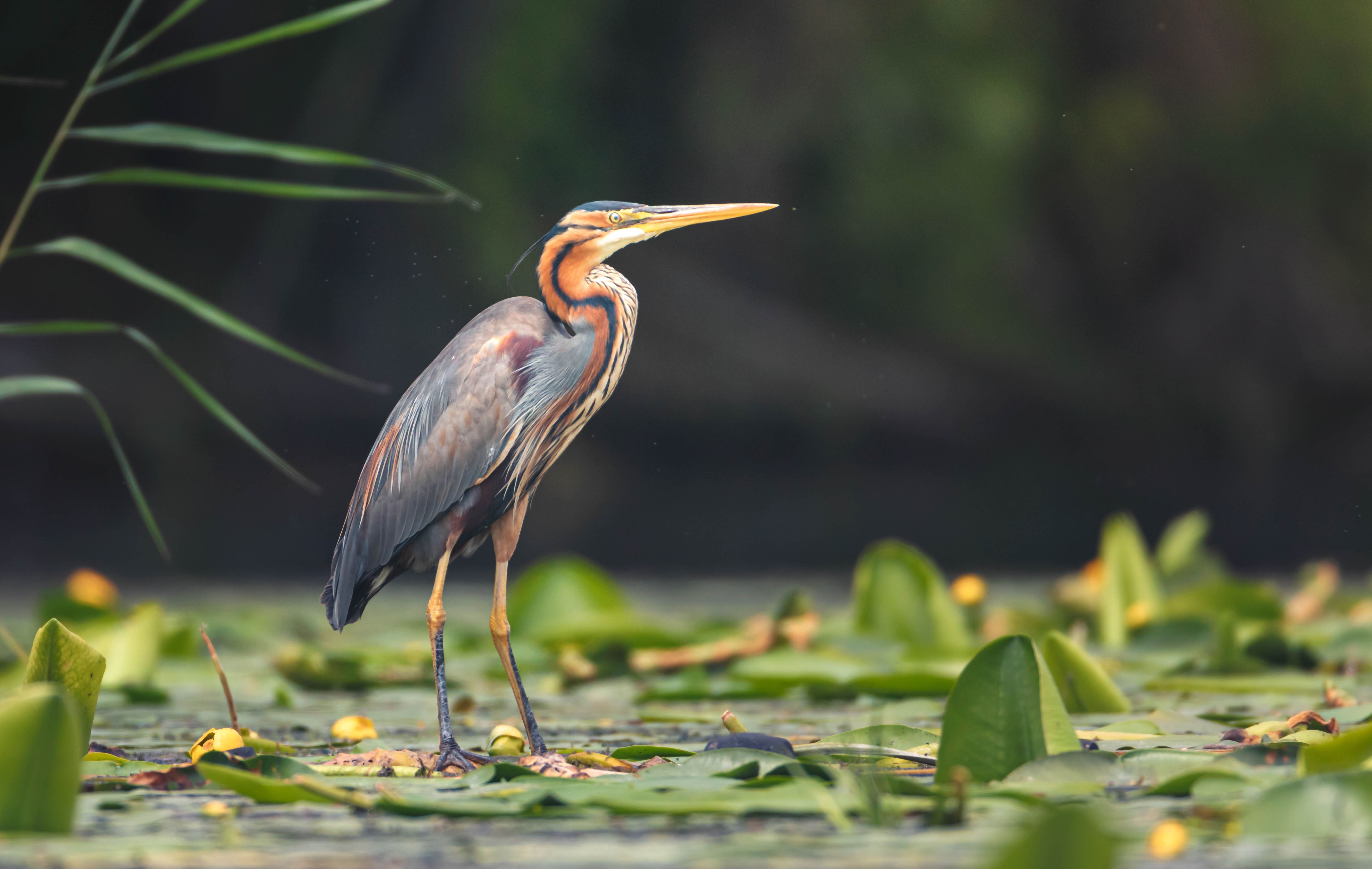
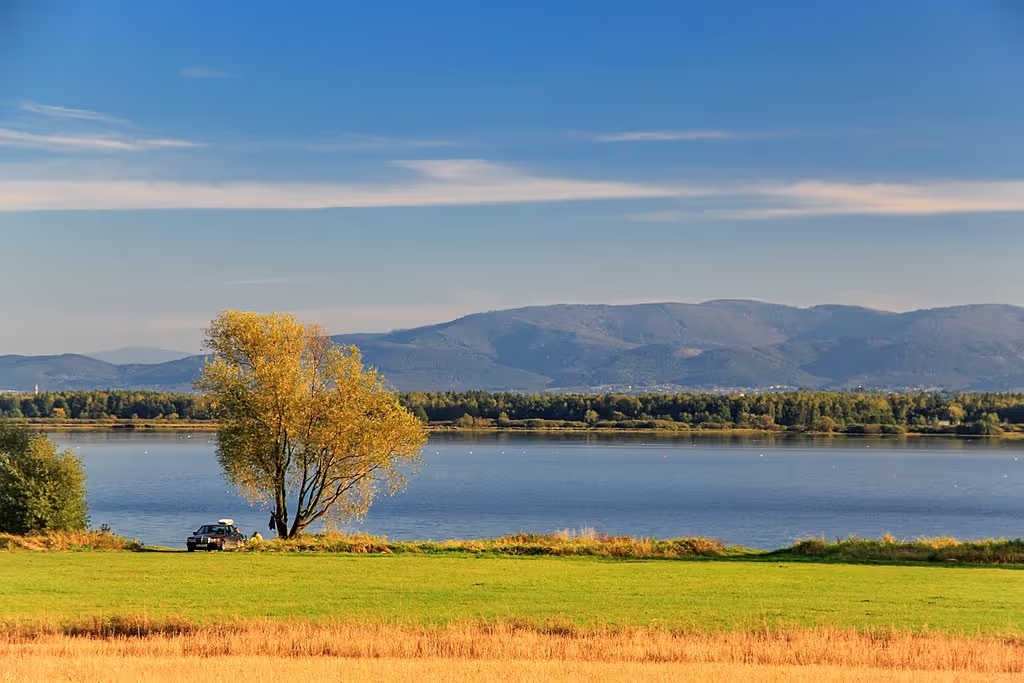
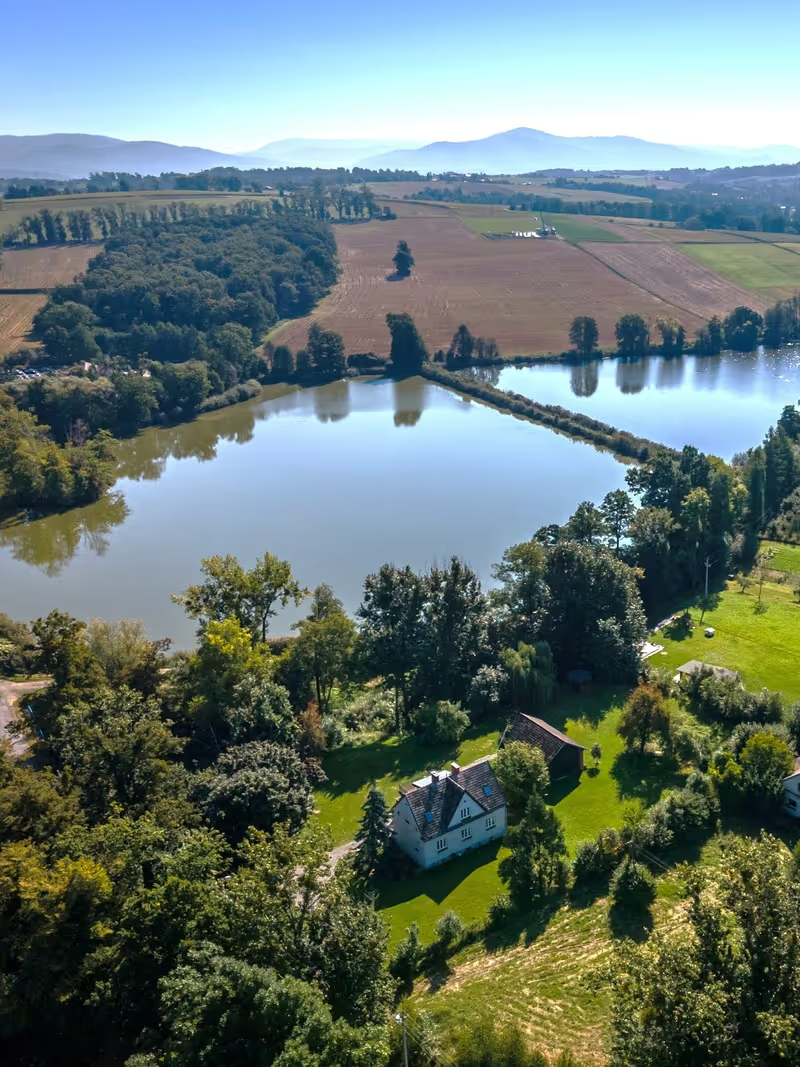
Upper Silesia. Known for mines, local jokes about Sosnowiec, and hardly a birdwatcher’s paradise, right? Not at all! Have you ever heard of the Upper Silesian Anthropogenic Lake District? It spans over 4,000 ponds covering roughly half of Silesia. Two centuries ago, they weren’t here—this entire lake district was created in the 20th century through mineral extraction. It’s the largest man-made lake district in Poland, and not only locals but many bird species have taken a shine to it. Over to our expert:
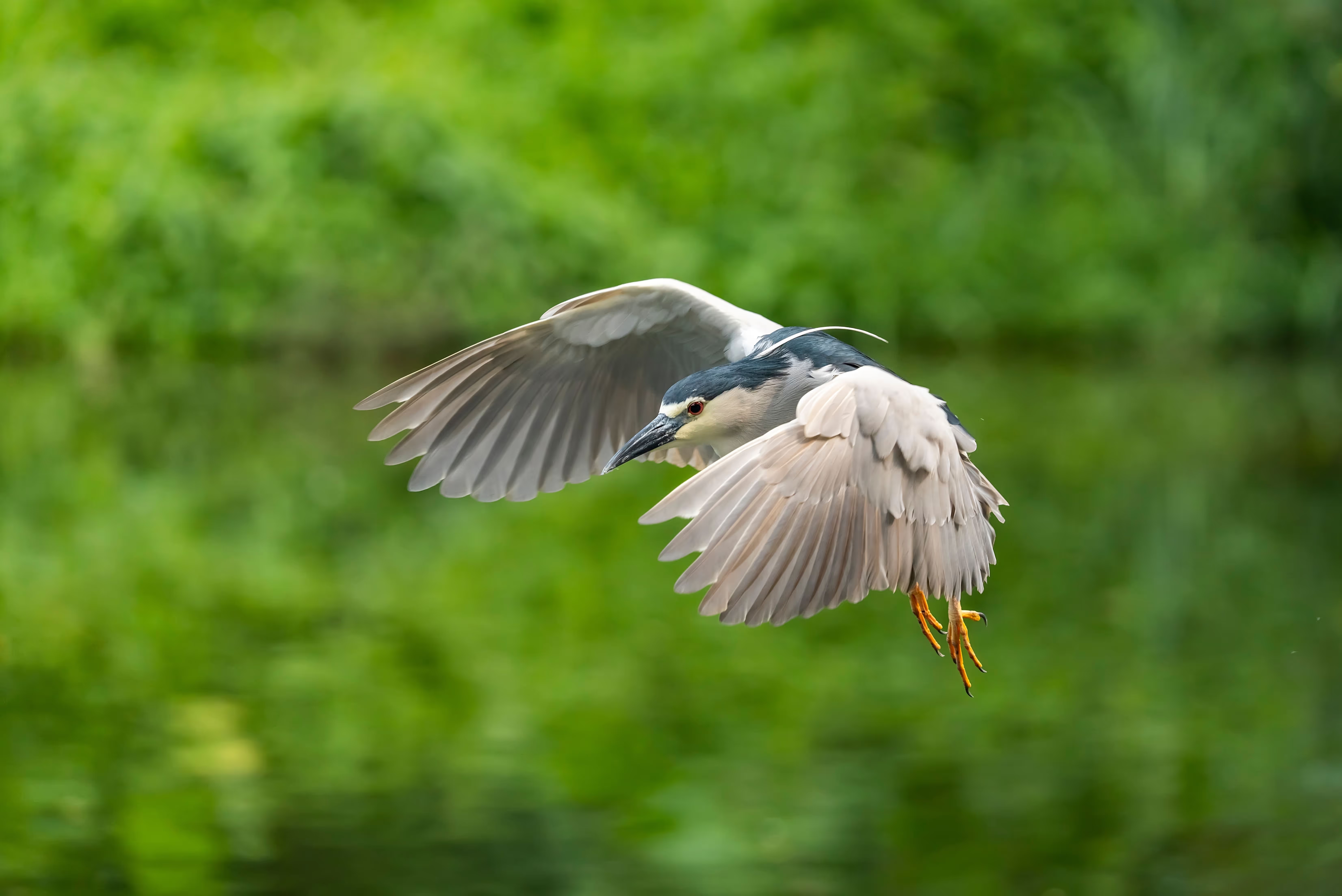
Expert comment: We don’t usually associate Upper Silesia with birds—maybe city birds like sparrows, crows, and pigeons... So it may come as quite a surprise that over an area of more than 24,000 hectares—scattered ponds in a highly urbanized landscape—over 300 bird species have been recorded, more than half of which breed here. Among them are rarities like the purple heron (pictured beside), the smew, and the black-winged stilt. The signature bird of the Silesian ponds and this Natura 2000 site is the black-crowned night heron. Poland is home to about 1,300 breeding pairs, and most of them nest right here in the Upper Vistula Valley ponds. How to spot a night heron? Nothing easier: just visit any of the ponds, for example the largest—Goczałkowice Reservoir, known here as the “Silesian Sea,” and sooner or later you’re bound to see one or even dozens (that’s the night heron in flight in the photo below). Of course, this is from spring to autumn, before they head to Africa. It’s during these breeding months that the Silesian ponds have the most to offer—both for birds and birders.
Where to stay: In the southern part of the area, we recommend Nasz Dębowiec or Nature House.
Photos: 1: MAD.vertise, Shutterstock 2: Marcin Konsek, Wikimedia Commons 3: asharkyu, Shutterstock 4: Nasz Dębowiec 5: Vogelfotograf, Shutterstock
Ujście Warty National Park
Find nearby stay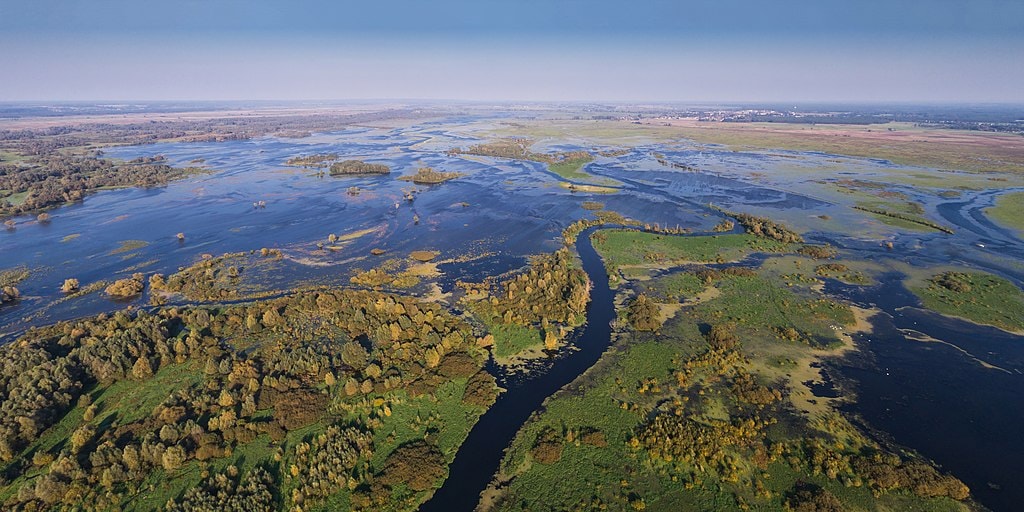
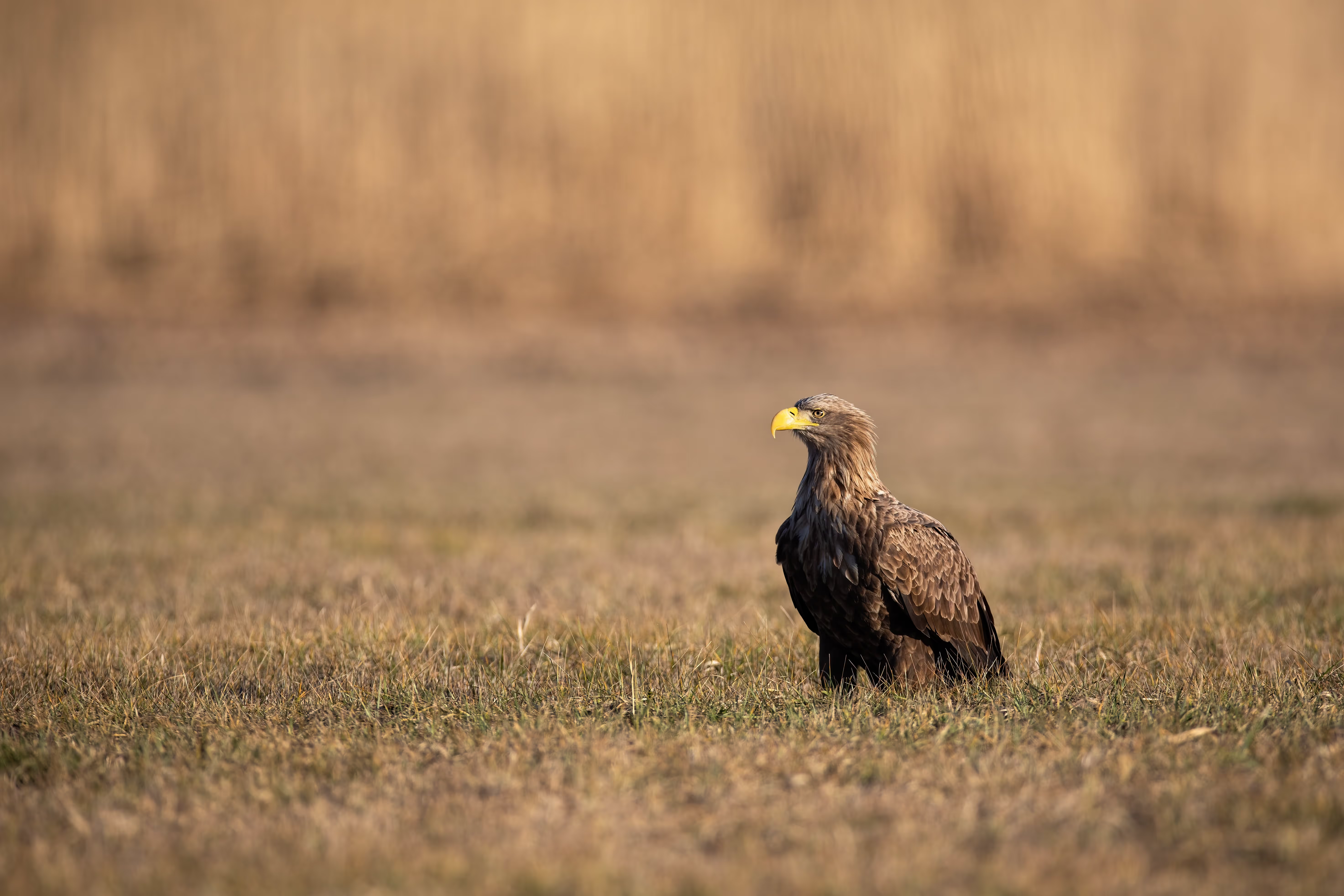
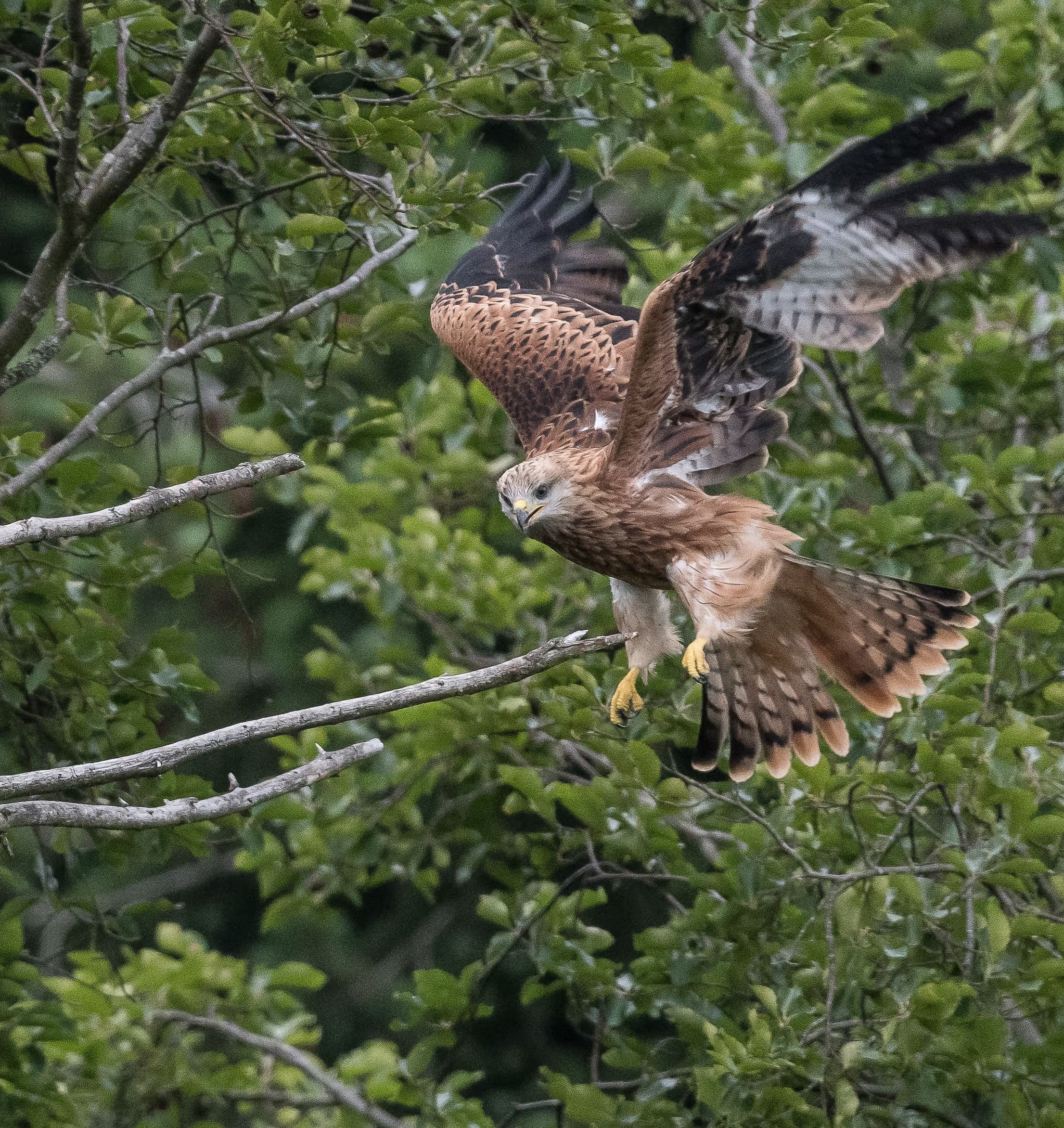
A classic you can’t miss. Ujście Warty NP is to birders what Shakespeare is to literature—everyone knows it. If you’re impatient or birdwatching with a child, you have the best chance of success here. Why? Because there are plenty of birds and they’re very varied. You can spot something spectacular without hours of waiting (like a red kite, as in the photo below). You’ll see what we mean when you read the expert numbers.
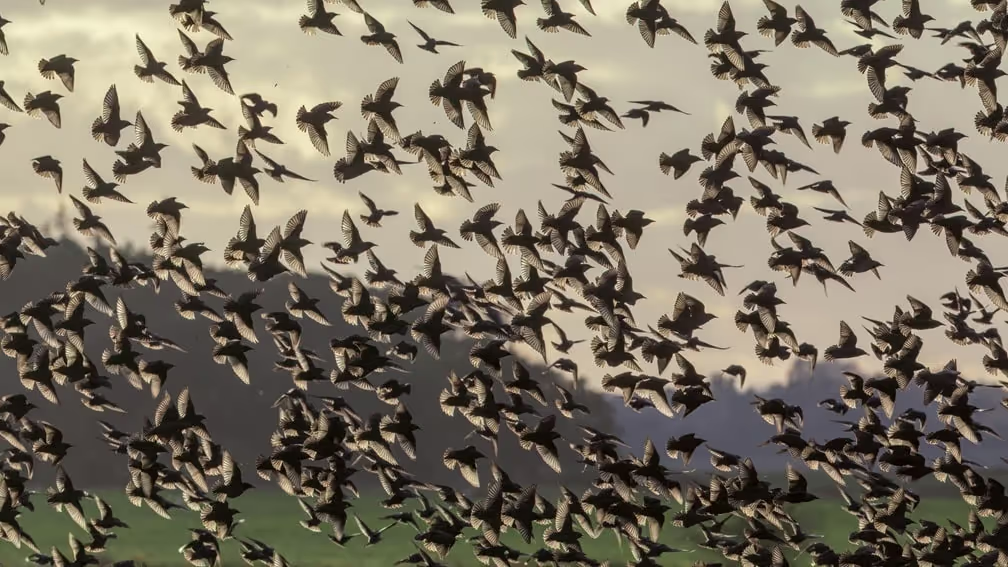
Expert comment: The Warta Estuary—both the national park itself and the leveed Warta valley from Gorzów to its confluence—is undoubtedly one of the hottest birding hot spots in Poland and across Europe. Easy access (including gravel roads along the flood dikes) and massive bird concentrations during migration mean there’s no better place to spot so many species in such a short time and with such ease. Autumn gatherings of cranes here can reach tens of thousands; starling flocks even larger. Hundreds or low thousands of mute swans stop here. Winter counts of white-tailed eagles can number dozens. But the most impressive are the geese, either migrating or overwintering, sometimes surpassing 200,000 birds. The broad floodplain landscapes are completed by herds of grazing cattle and horses that stay here year-round. Ujście Warty is great all year but best from late autumn to late spring. It would be a nearly perfect birding paradise if not for hunters, who come here mainly from October through December.
Where to stay: Slowhop spots nearest to the park are the apartment Przylesie 12 and the exclusive rental Dyszno Las.
PS: You can read about how to identify a red kite here.
Photos: 1: A.Savin, Wikimedia Commons 2: Natalia Kuśmierek, Wikimedia Commons 3: Vogelfotograf, Shutterstock 4: Jakub Hałun, Wikimedia Commons 5: Andreas Weith, Wikimedia Commons
Długa Luka in Biebrza National Park
Find nearby stay
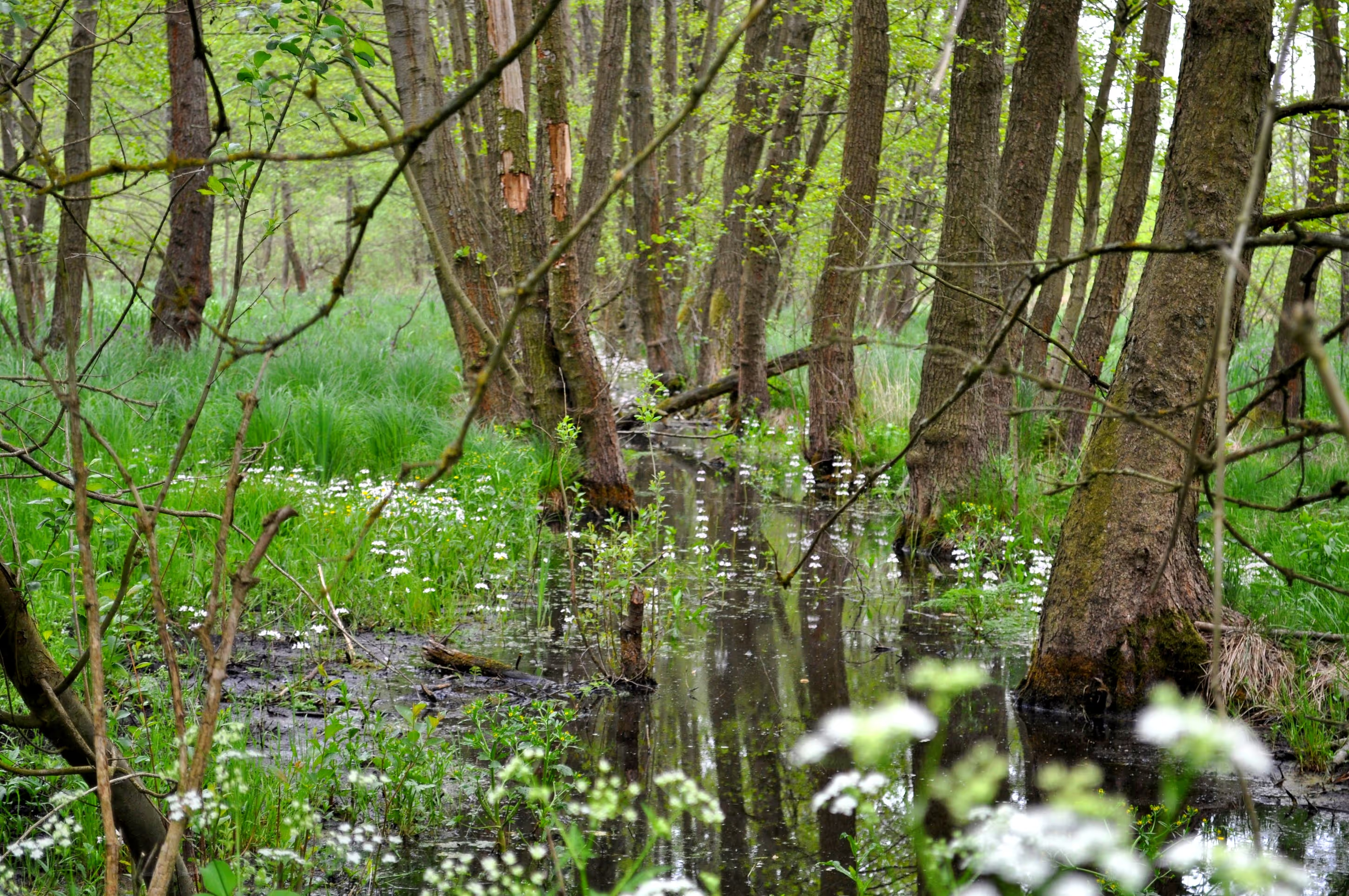
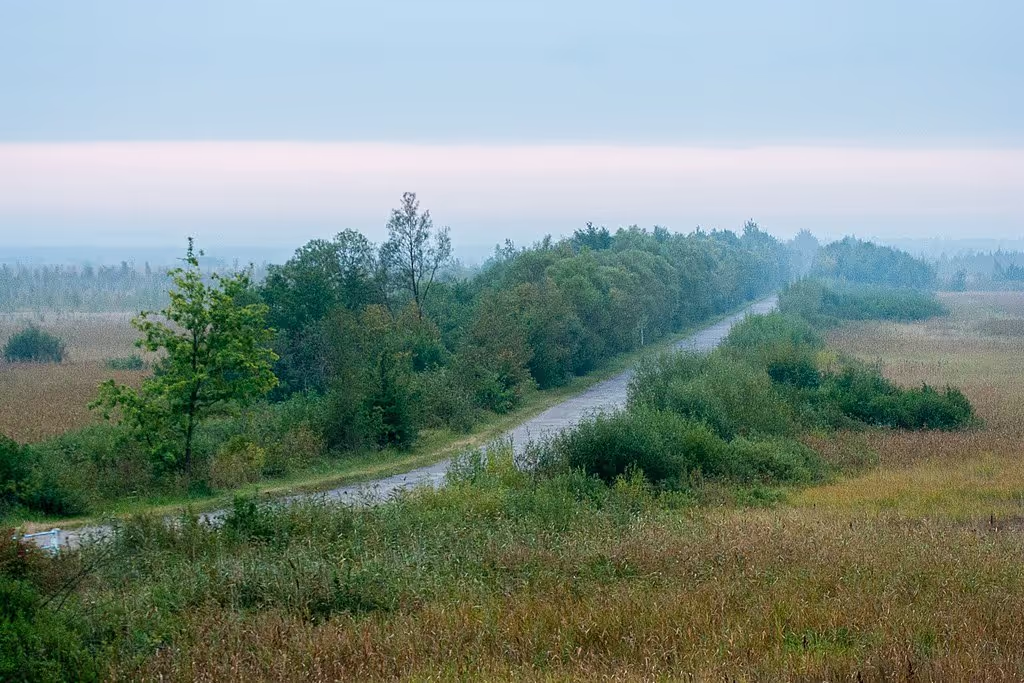
We’ve covered south and west; now it’s time for the east. Biebrza National Park is the largest of Poland’s national parks. It's home to 49 mammal species and 271 bird species. The mammals include the country’s largest moose population—about 400 individuals. That’s why the “Tsar’s Road” running through the park is also called the Moose Highway (drive very slowly if you go). But back to birds! The park’s star, featured in its emblem, is the ruff—a rare migratory bird living in wetland areas. You can spot it along the peatland trail Długa Luka, along with several other species worth watching through binoculars. The trail itself is short (400 meters one way), which helps you focus on birdwatching rather than covering long distances.
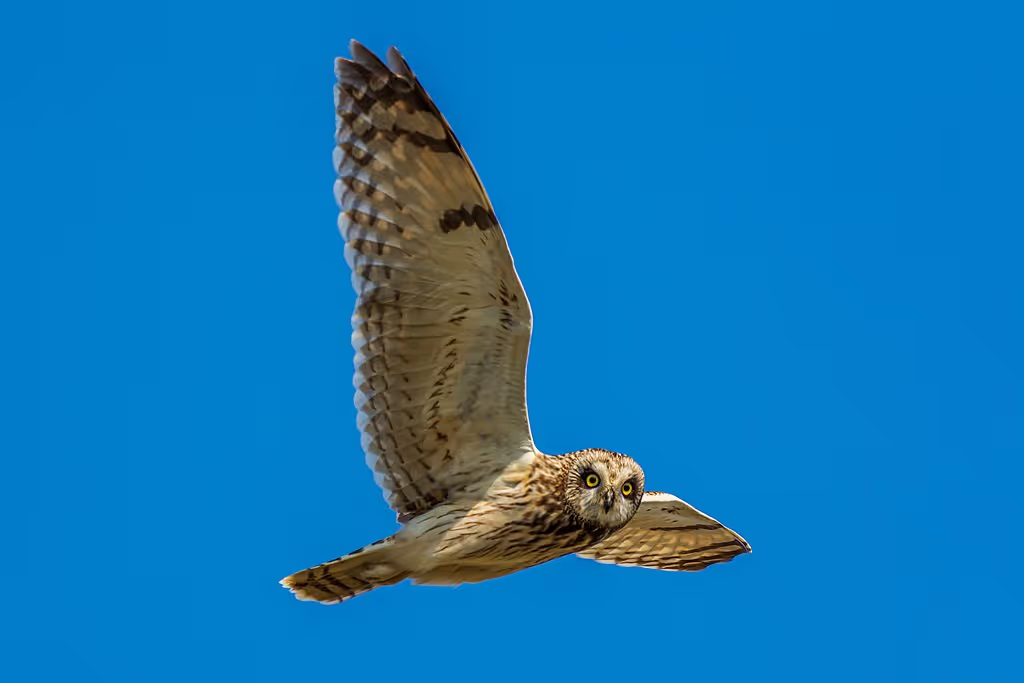
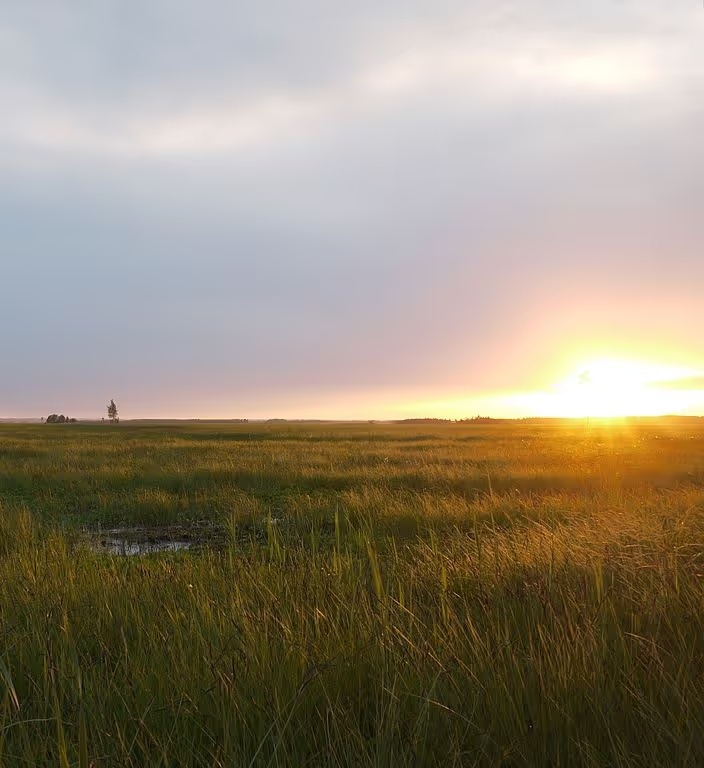
Expert comment: For Długa Luka, the best time is spring, 2–3 hours before sunset, and stay until it’s fully dark. The sunset is spectacular, and in the company of Montagu’s harriers, yellow wagtails, woodcocks, lapwings, and water rails, it’s one of a kind. Keep an eye out for marsh owls too, which have reportedly appeared here in recent years (see photo below). Note: during the peak birding season, parking along the Tsar’s Road can be a real challenge—be patient.
Where to stay: The closest are the castle in Tykocin (Zamek w Tykocinie) and the cabin Into the Las, plus the wildlife-friendly Stodoła nad Biebrzą and the birder’s favorite My Biebrza.
PS: Since 7.11.2023, Długa Luka is closed for renovation. Hopefully it will reopen by spring when the hot season begins. For updates, check here.
Photos: 1: Frank Vassen, Wikimedia Commons 2: Stephan Sprinz, Wikimedia Commons 3: Frank Vassen, Wikimedia Commons 4: Dariusz Kowalczyk, Wikimedia Commons 5: Frank Vassen, Wikimedia Commons
Milicz Fish Ponds
Find nearby stay
Get ready for a lot of “largest” statements. It’s the largest fish pond complex in Europe, with over 700 years of history. It became the biggest ornithological reserve in Poland. Asking whether it’s worth visiting for birdwatching is like asking a boar if it lives in a forest.
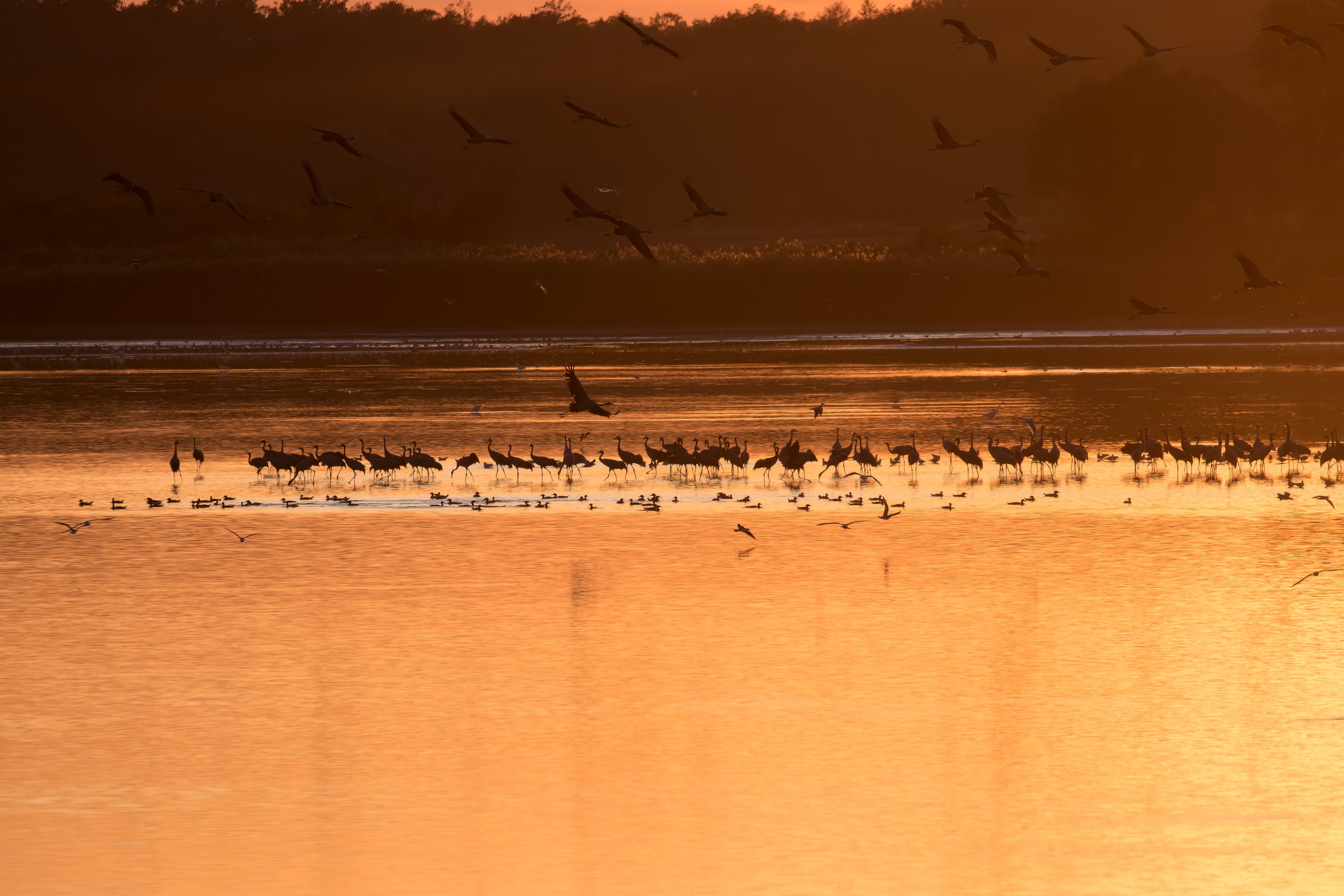
Expert comment: Nearly 300 ponds covering about 77 km2, established in the 13th century. It’s the largest carp breeding center and one of Europe’s oldest fish pond complexes. It has become a top birdwatching and nature destination, not just in Poland but across the continent. Nearly 300 bird species have been recorded here, about 170 of them breeding. It’s no wonder there was an idea to turn it into a national park—but so far, that hasn’t happened. Instead, the Barycz Valley Landscape Park was created, which in our view is a weak form of protection. Thankfully, part of the ponds has been a reserve since 1963, and in 1996 the area was added to the Ramsar network, which recognizes the world’s most valuable wetlands. The Milicz ponds are an important breeding ground for many species, and their mild climate attracts thousands of migrating and overwintering geese, ducks, swans, and cranes, as well as various shorebirds, herons, and passerines. The abundance of birds and fish also draws raptors, which are easiest to observe during migration and winter, though many breed here too. White-tailed eagles, harriers, and red kites are particularly easy to spot. Extremely rare osprey and even golden eagles make appearances. The autumn and winter gatherings of cranes, geese, swans, and herons—especially when some ponds are drained—are spectacular. An added bonus is the red deer rutting season.
Where to stay: The closest Slowhop spots are the exclusive home Potasznia 31, Pałac Pakosław, and a bit further the Ginkgo Farm or Baryczanka Slow Home.
Photos: 1: Flyrecord, Wikimedia Commons 2: Albert Beukhof, Shutterstock 3: Janusz Krzeszowski, Wikimedia Commons 4: Alexis LOURS, Wikimedia Commons 5: Piotr Grzempowski, Shutterstock
Beka Nature Reserve
Find nearby stay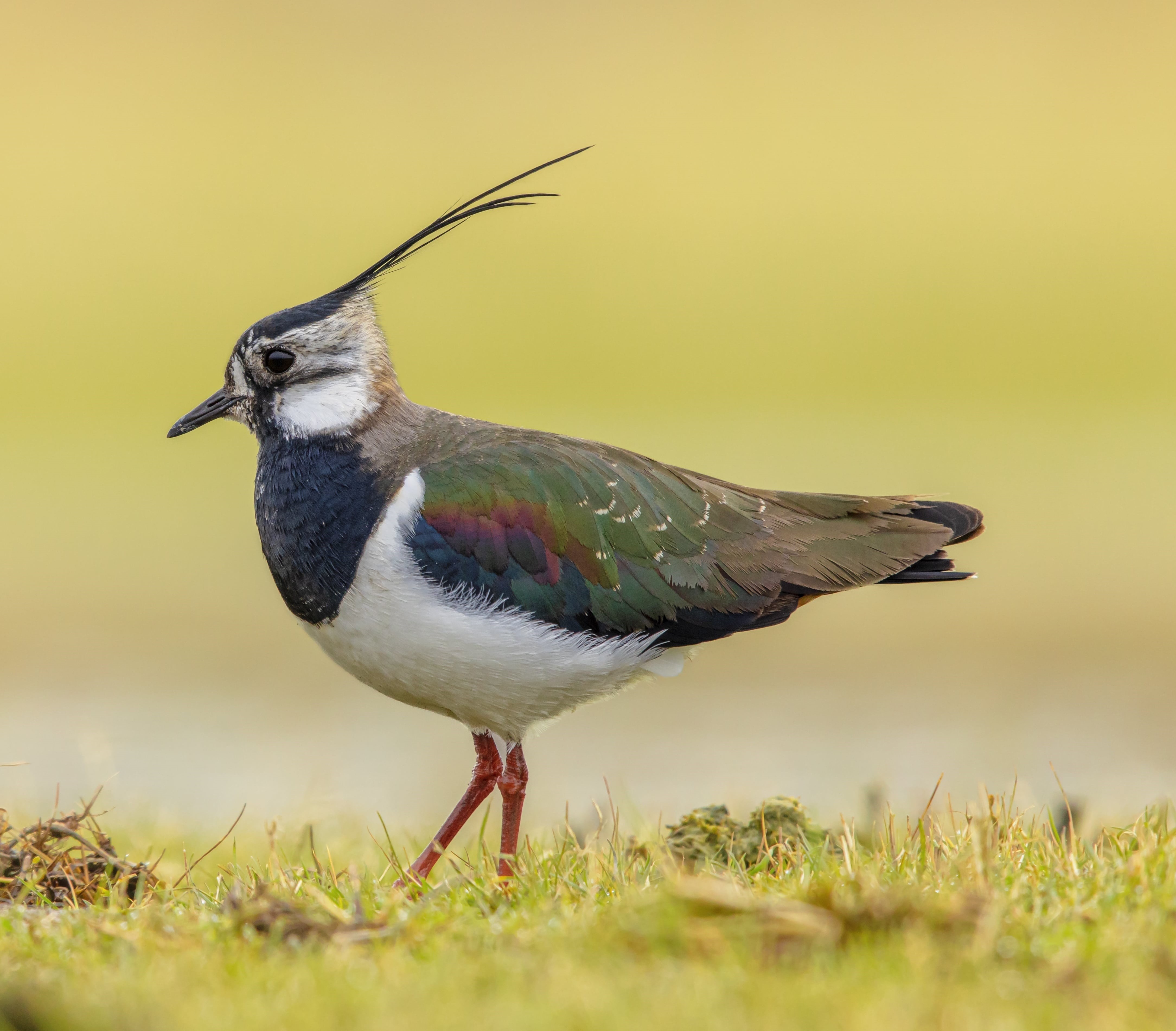
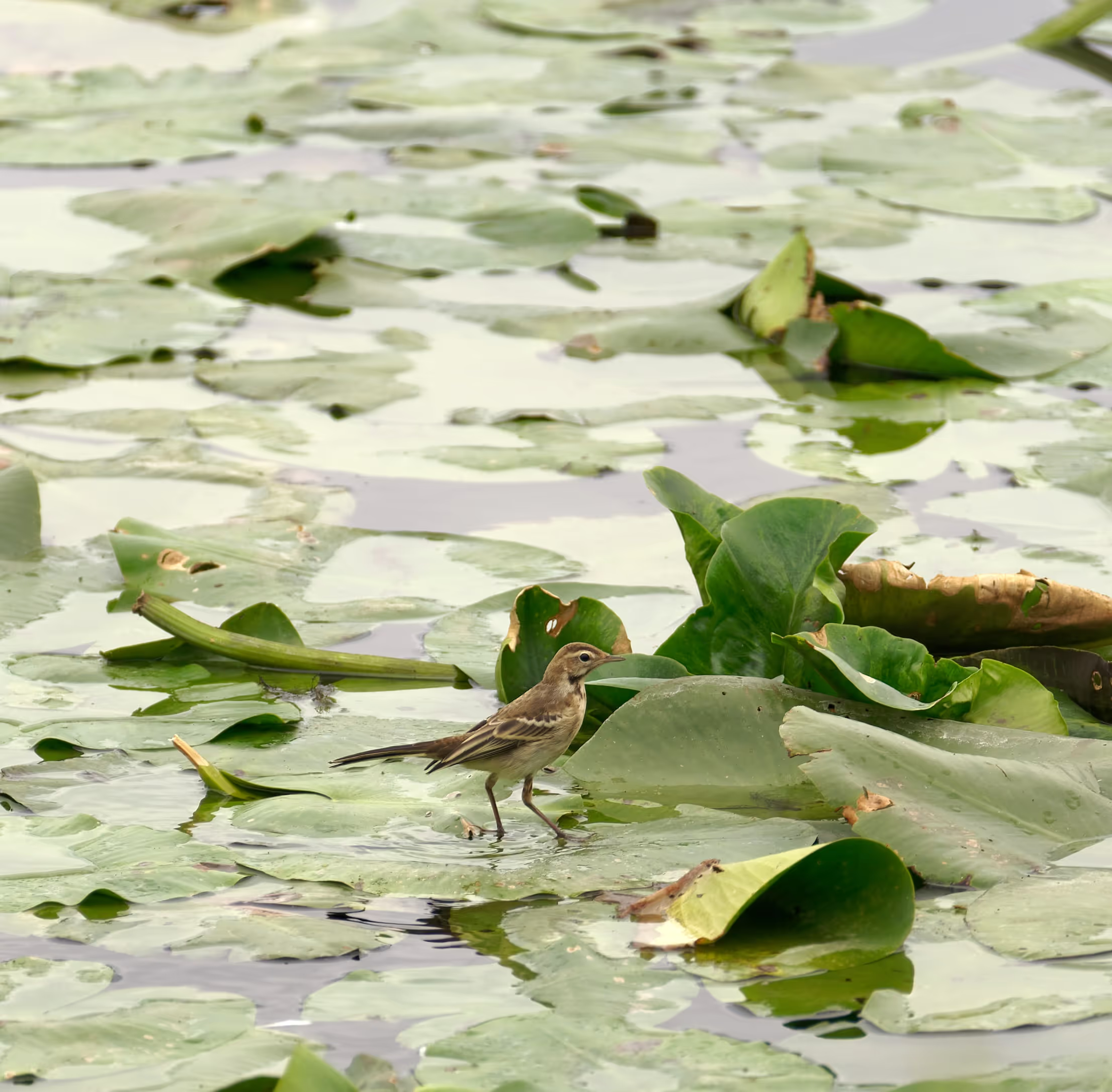
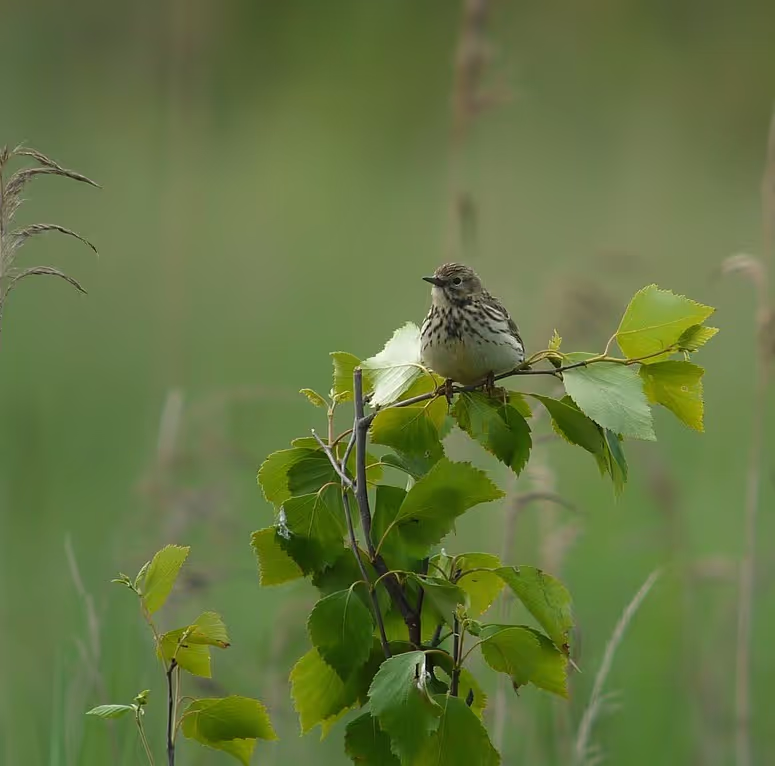
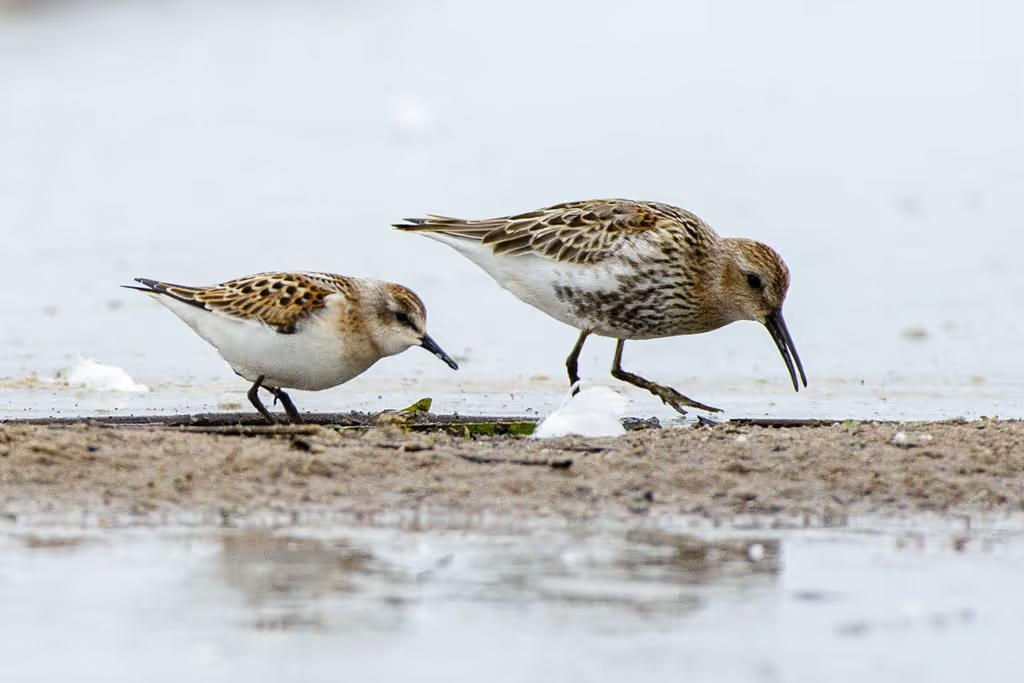
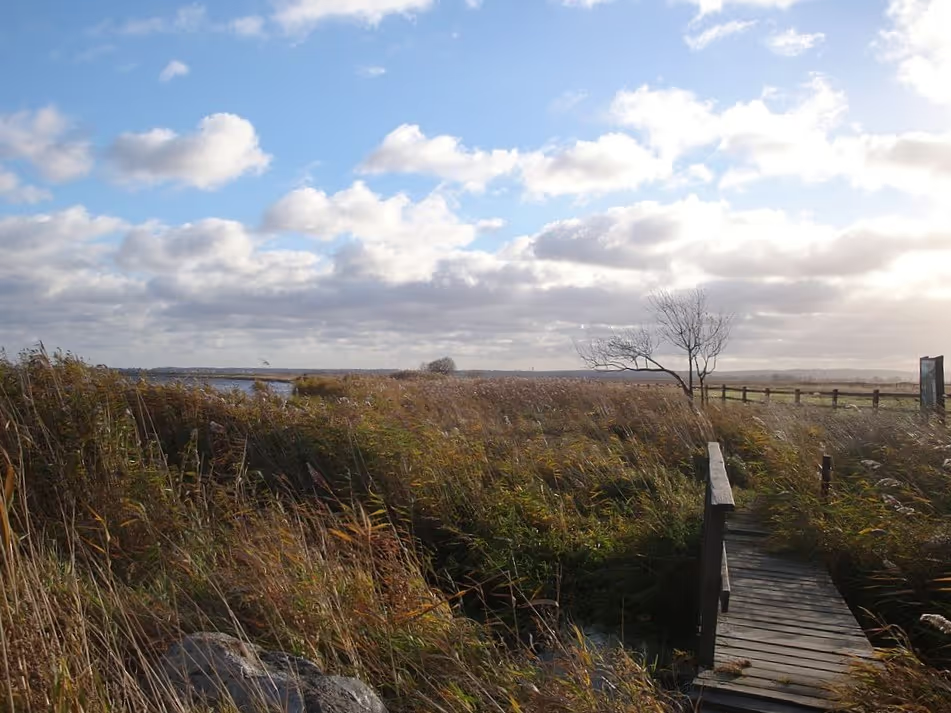
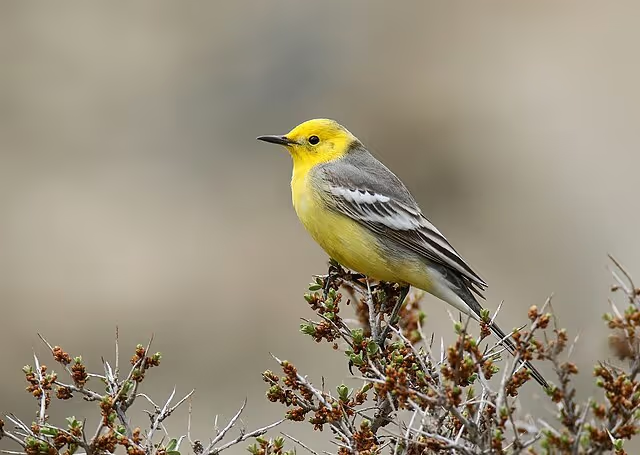
Beka was once a fishing settlement, ruined by fire and then by the shoreline shifting almost 100 meters inland. But its luck changed over 40 years ago when it became a reserve and refuge for rare wetland plants and bird species that favor marshes and coastal habitats. You can see lapwings (pictured above), black-tailed godwits, curlews, bean geese, white-fronted and tundra geese, short-eared owls, water rails, sandpipers (seen bottom left), marsh harriers, and yellow wagtails (the yellow gentleman on the right).
Expert comment: Beka Nature Reserve is best visited in spring and autumn. During the breeding season, access to the reserve is limited. Watching waders, geese, ducks, and other waterbirds is further enhanced by the herd of Konik ponies grazing in the reserve. In harsh winters, when the Puck Bay freezes over, you can find thousands of common scoters, tufted ducks, long-tailed ducks, coots, and mute swans at the Reda River mouth. Tip: To reach the reserve by car, follow Morska Street in Mrzezino.
Where to stay: The closest are the apartments Co za Widok, the exclusive boat-house Gdy-50, and the hotel Molmare.
Photos: 1: Rudmer Zwerver, Shutterstock 2: Dariusz Kowalczyk, Wikimedia Commons 3: Ciacho5, Wikimedia Commons 4: P-O Rehnberg, Wikimedia Commons 5: Imran Shah, Wikimedia Commons
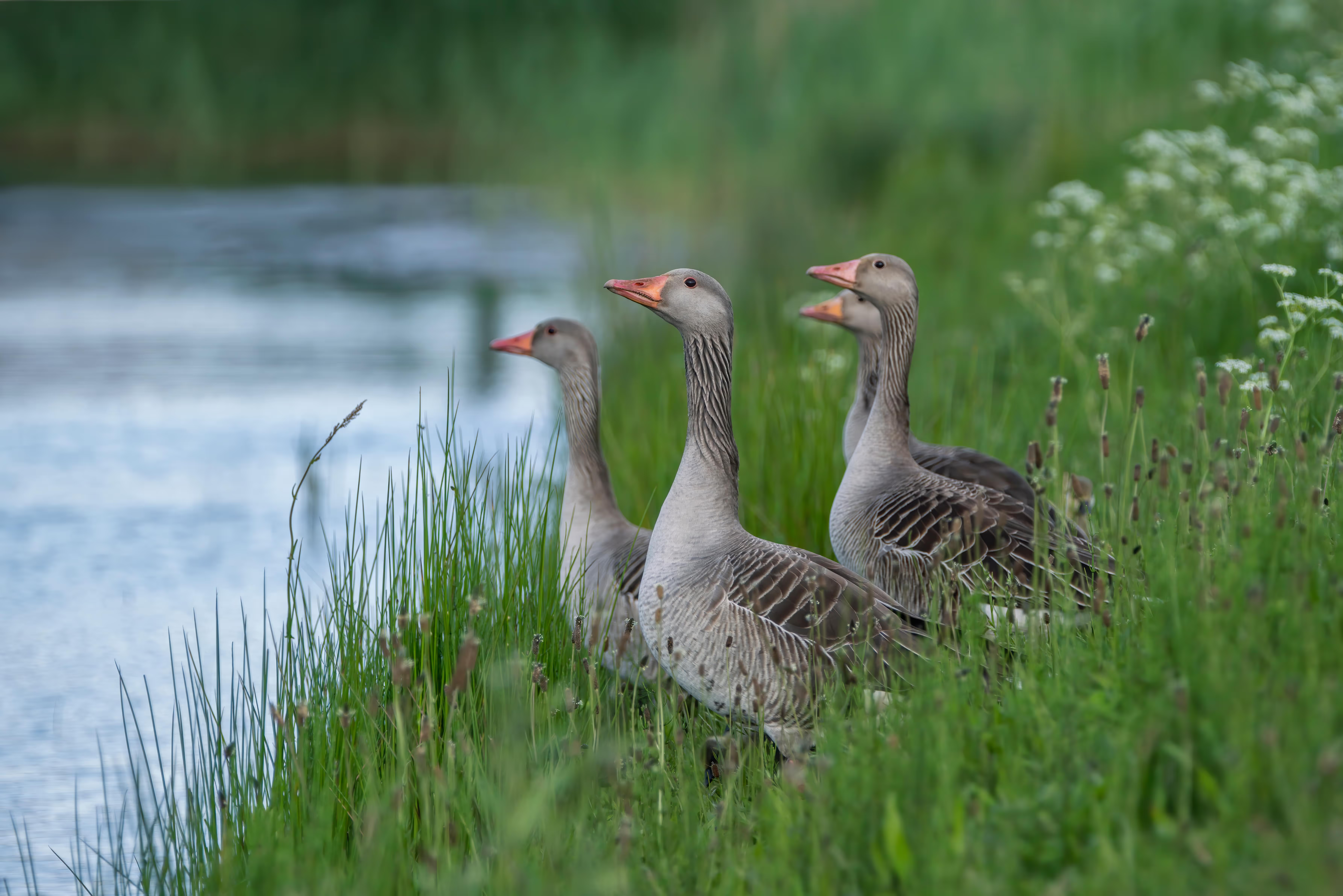
_and_greylag_geese_(Anser_anser)%2520fot.%2520P-O%2520Rehnberg.avif)
Looking for more nature-watching getaway ideas?