7 Eco-Friendly Stays in Poland
Since last year in our #ekostaraniaGospodarzy series on our Facebook page, we’ve been featuring hosts who tirelessly care for nature’s well-being. They take steps—big and small—to significantly reduce the environmental footprint of your trip. That means you can put your eco-anxiety aside for a moment and focus on relaxing, thanks to the green solutions ready and waiting on site.
This matters to us because we want to debunk the myth that going green is hard and demands extreme sacrifice. We promise you won’t be tied to a tree or fed crunchy bugs—on the contrary, you’ll learn how straw-bale building works, discover the culinary wonders of farm-to-table meals, and try out eco-friendly gadgets.
In this series, we aim to recognize these eco-efforts, inspire other hosts, and help travelers make more conscious holiday choices. Today, we’ll show you a few standout places we’ve discovered so far. For more, head over to our Facebook page!
Letnia Kuchnia Homestead
Book on Slowhop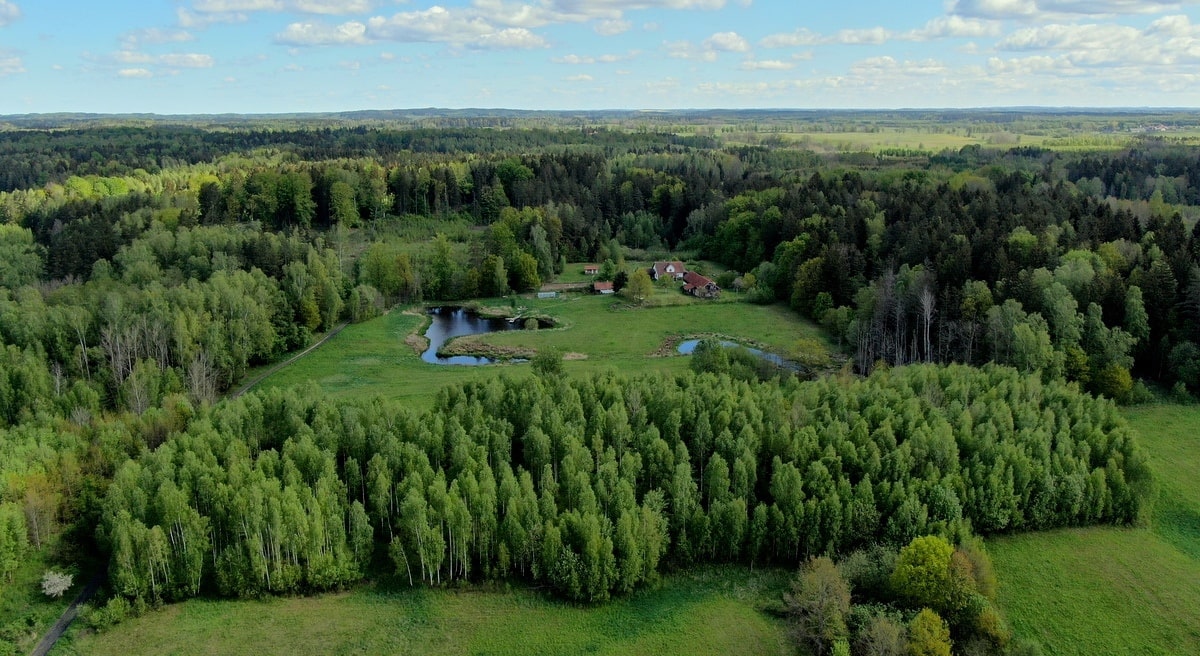
Ela and David—hosts at Letnia Kuchnia Homestead—gathered insights on responsible travel from Asia and Central America. Here, there’s no romanticizing: they track how many trees are planted, kilos of waste generated, and varieties of organic seeds sourced. It’s a great way to measure the real impact of eco-friendly measures.
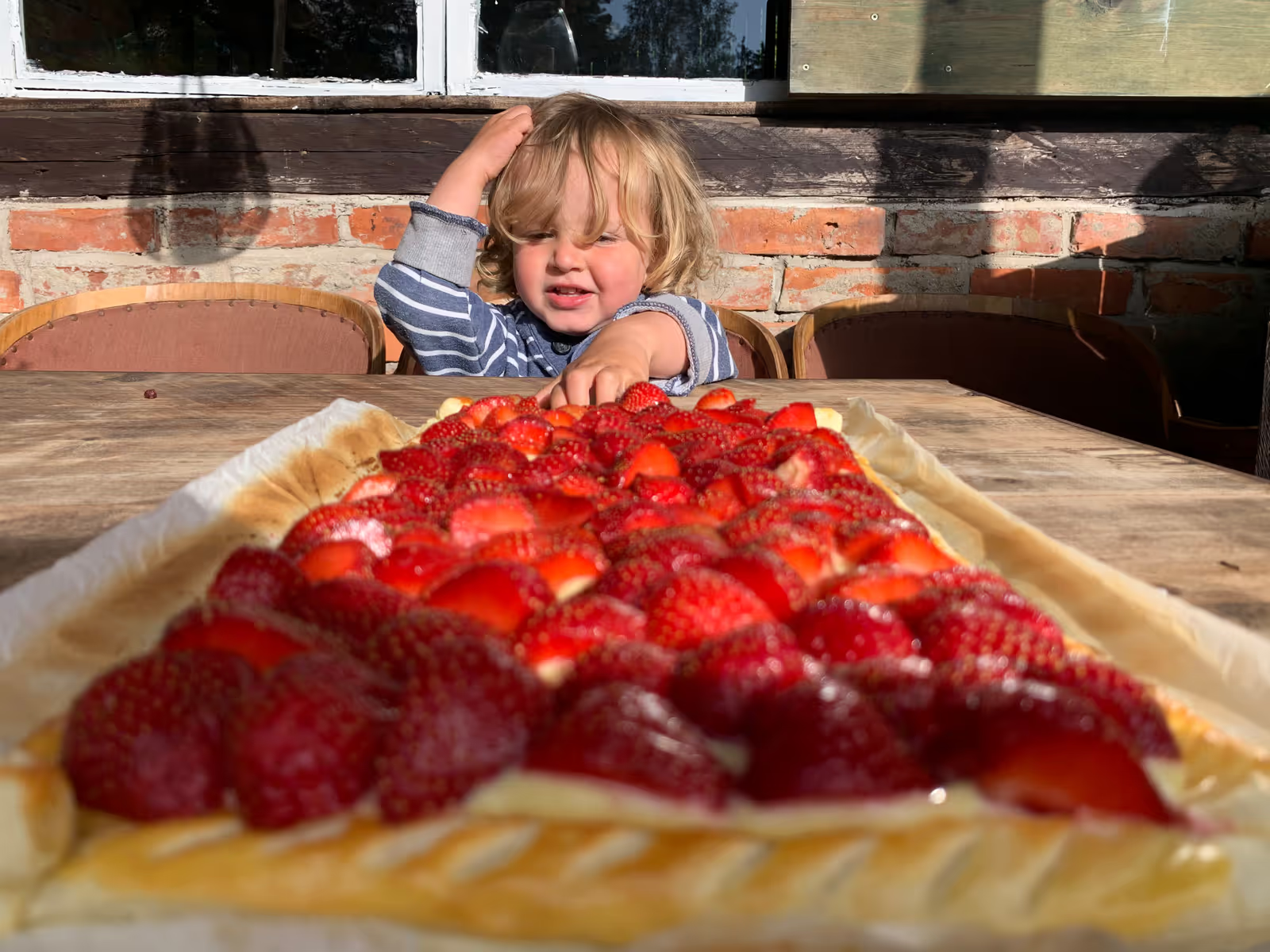
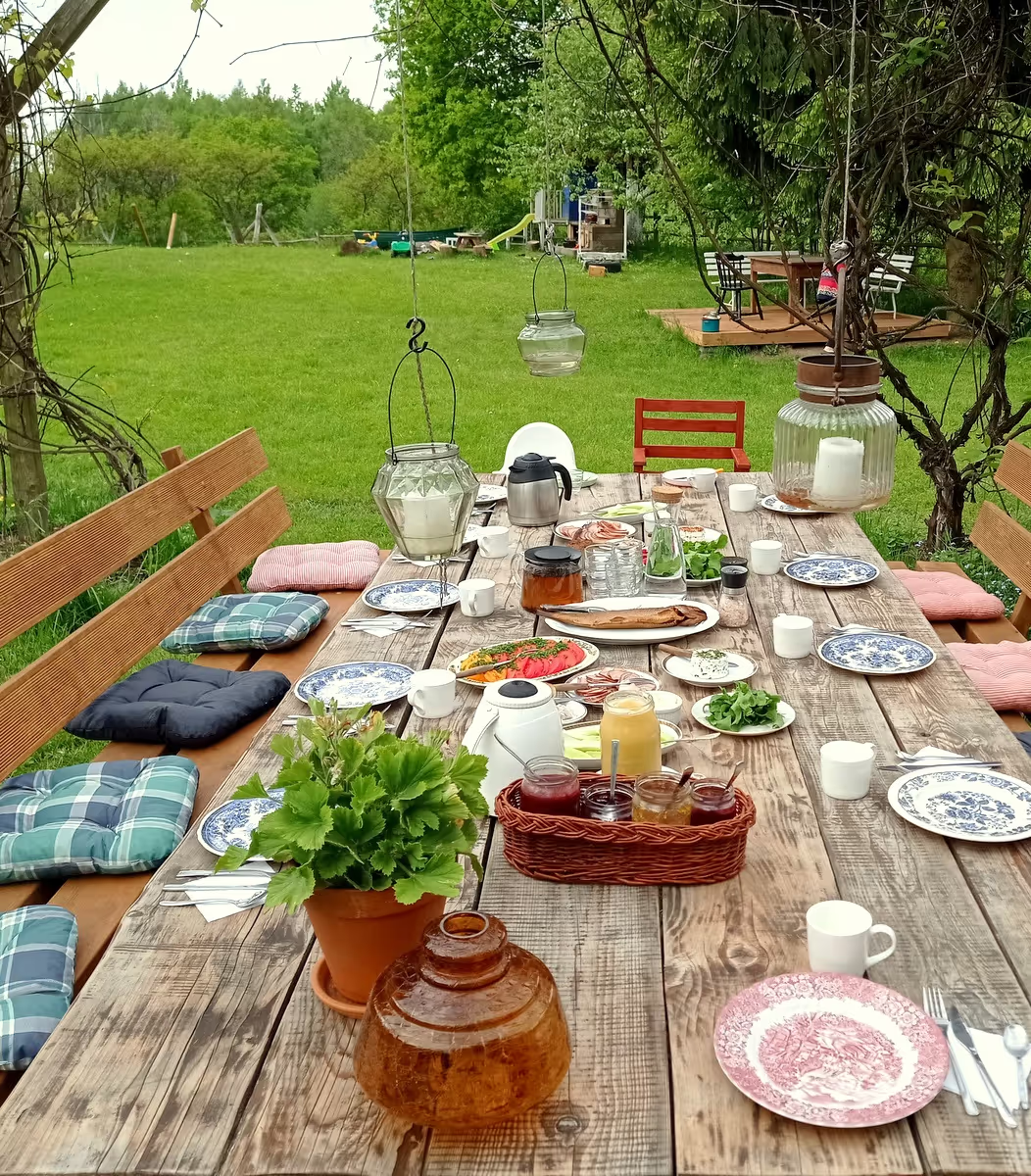
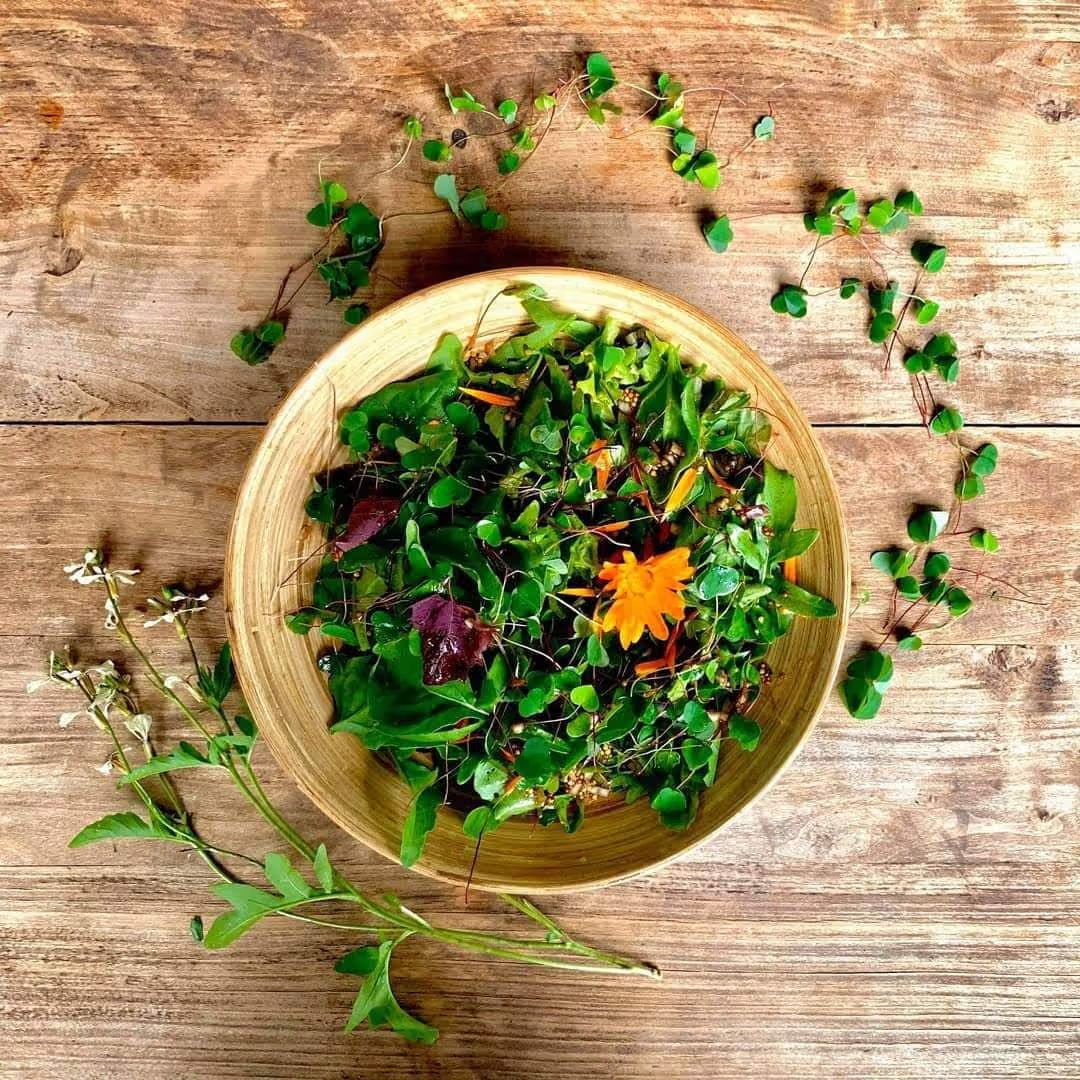
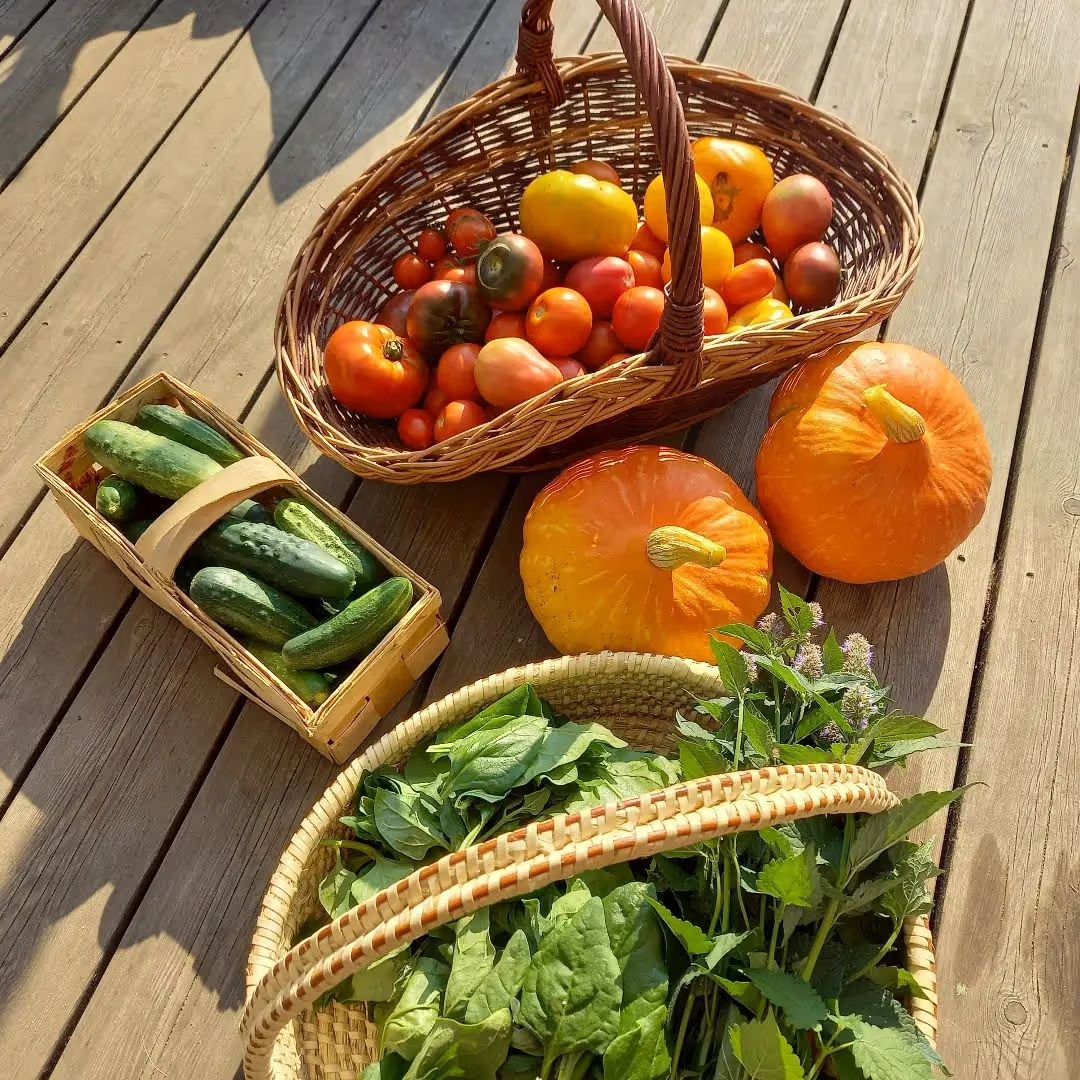
Have you heard of an edible forest? It’s a chemical-free planting model that uses plants’ natural traits to support each other’s growth. At the homestead, you’ll find plenty of organically grown fruits and vegetables that David turns into healthy, delicious dishes. If you’re up for something new, try your first meal made from edible weeds or sample rare, heirloom varieties.
And here’s something special for eco-conscious parents or parents-to-be. Ela and David are big fans of reusable diapers and want you to like them too. At Letnia Kuchnia, you can pick a color and pattern, then try out cloth diapers. Once you’re done, hand them back for washing. Not convincing? Consider this: a baby goes through around 2,500 disposable diapers in the first year. Switching to reusable ones can drastically cut resource use and waste—plus save you money. A total win-win.
Yurt at the Donkey Farm
Book on Slowhop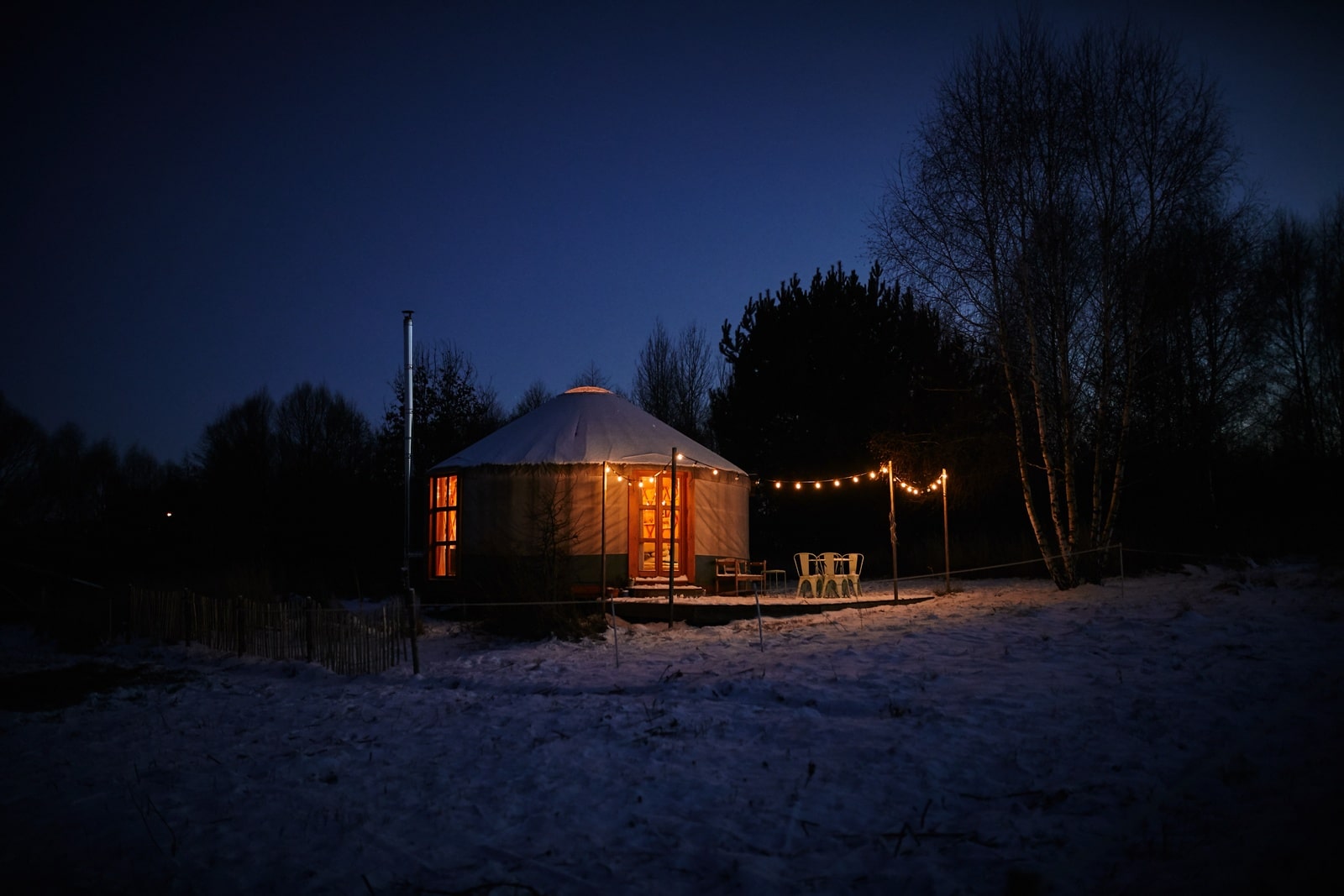
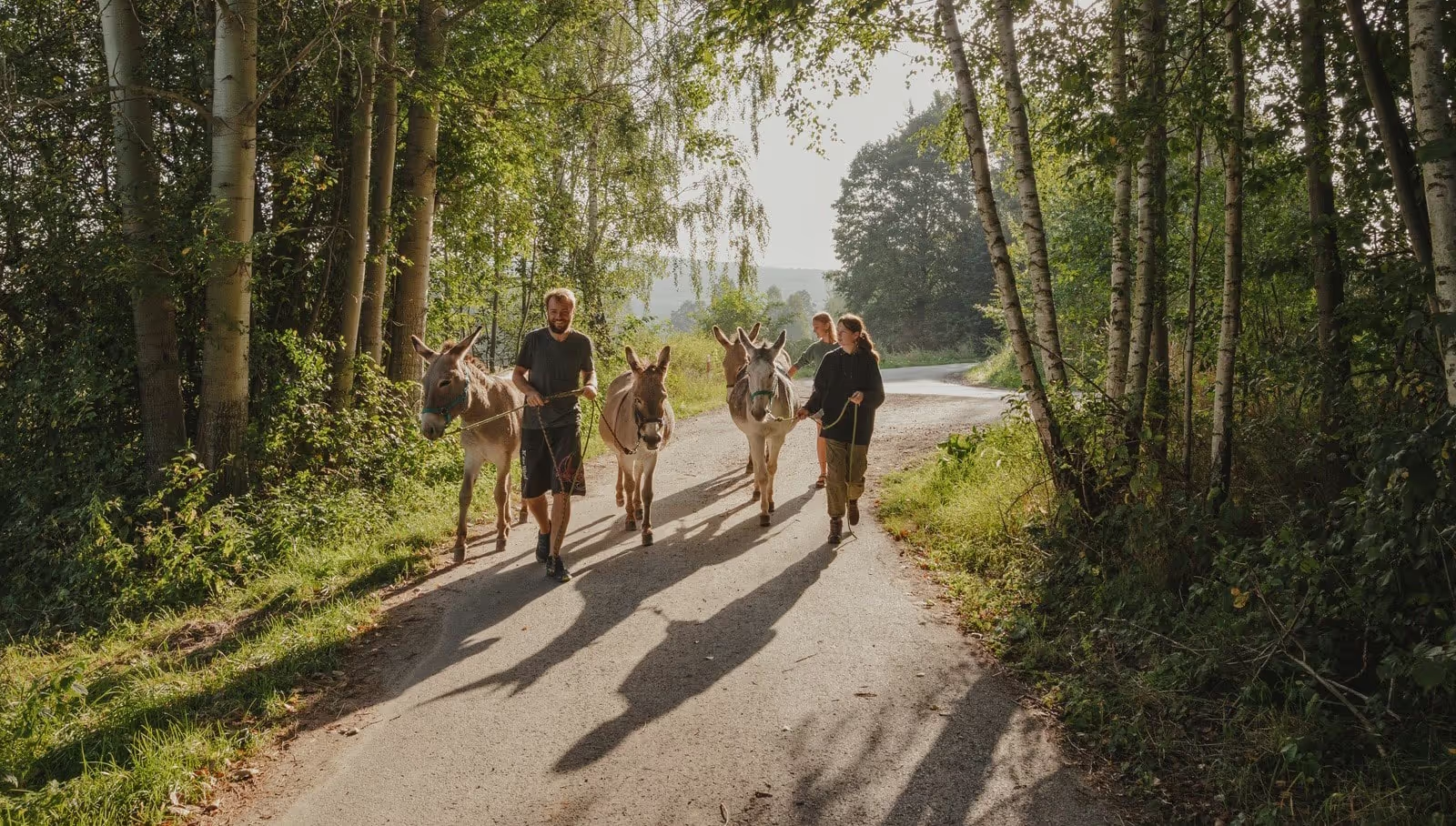
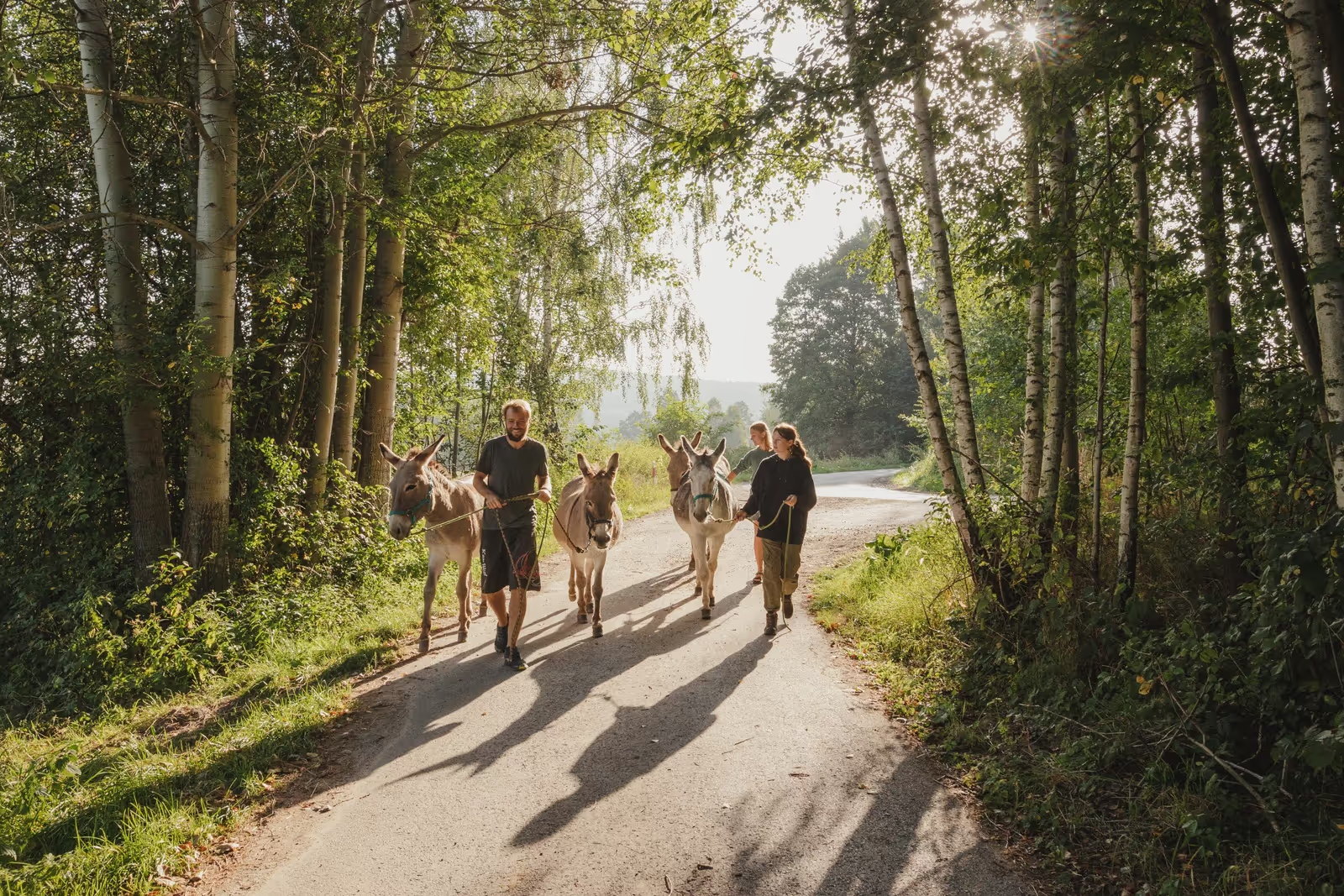
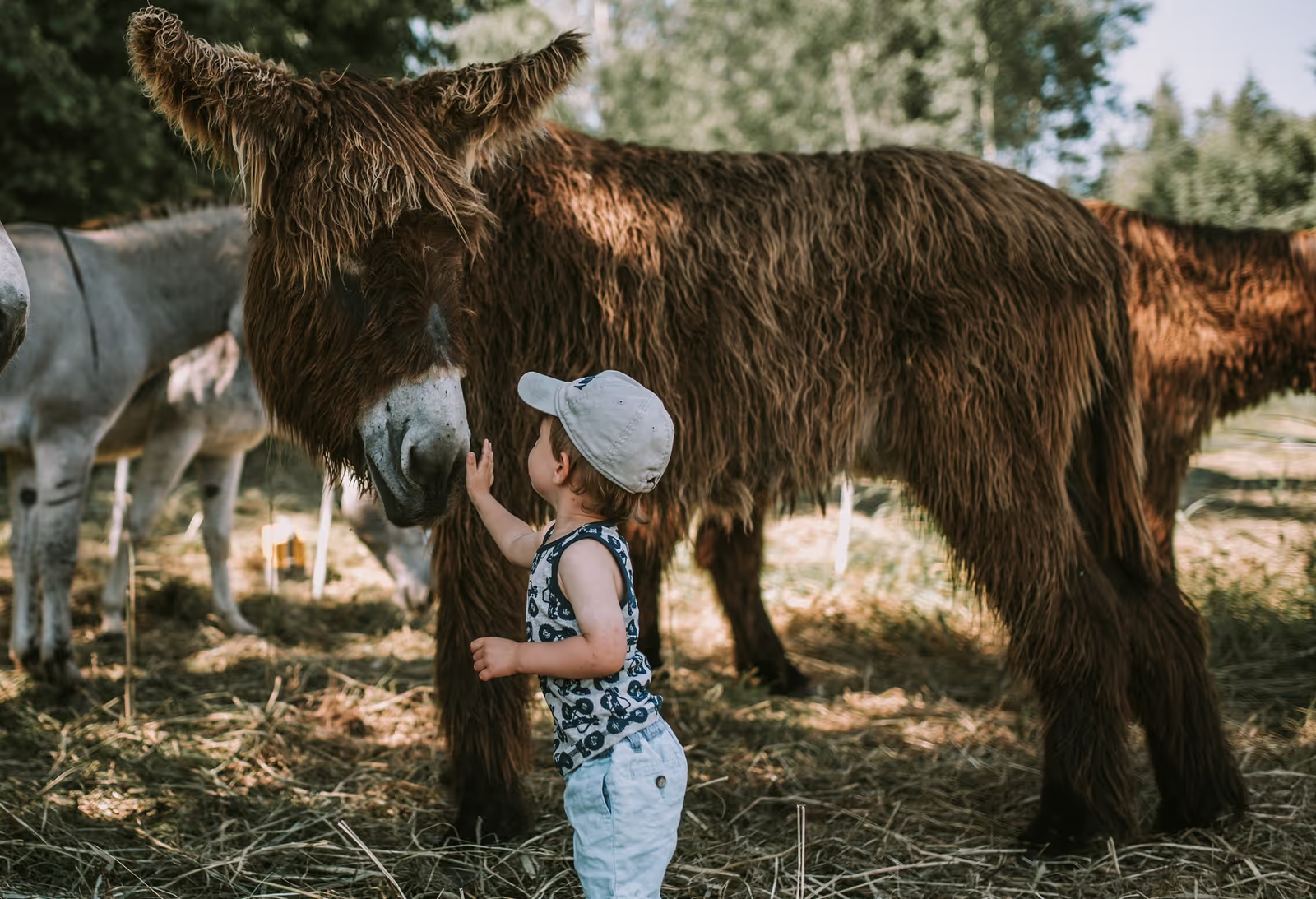
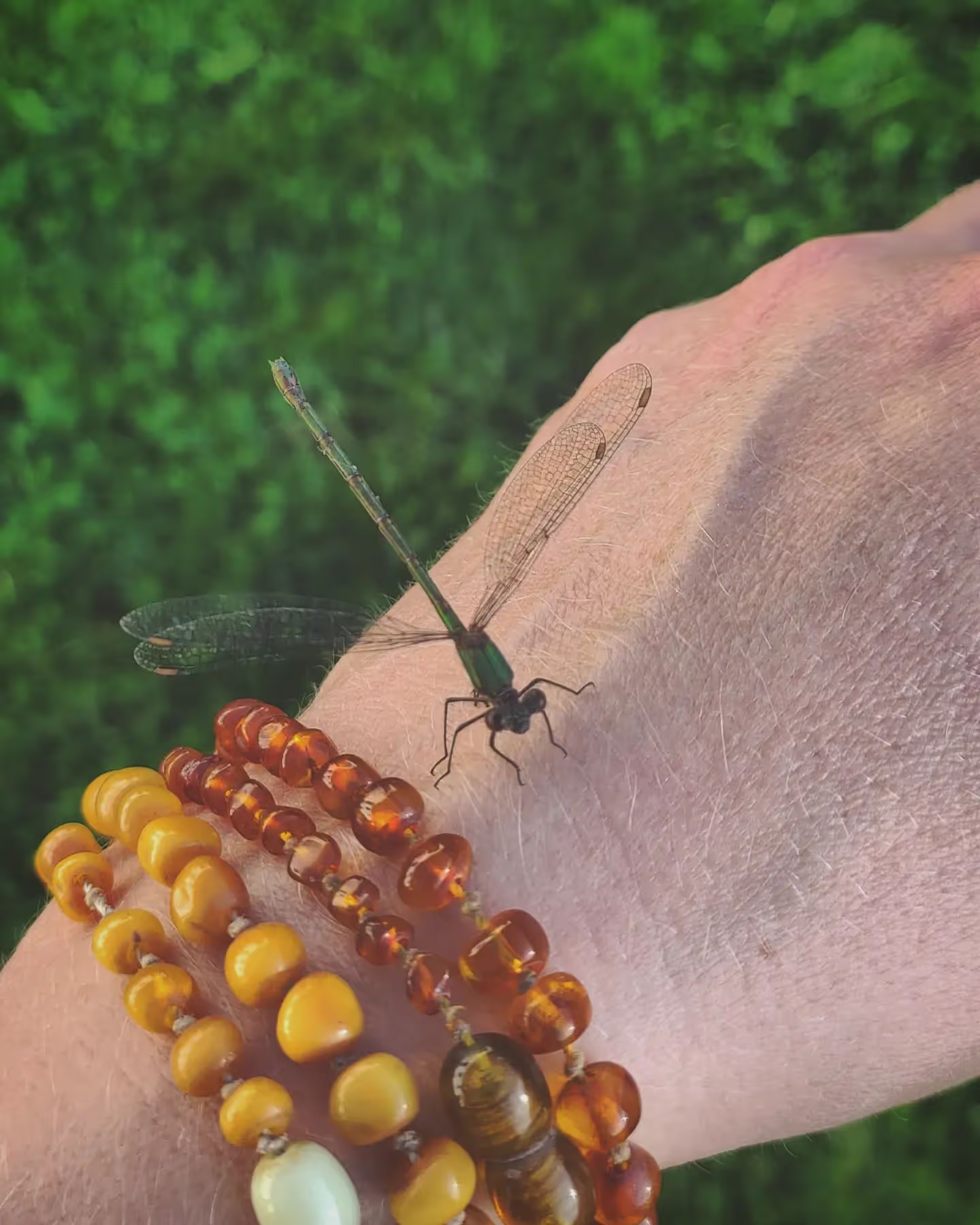
Can donkeys really jump for joy? At the yurt on the donkey farm, anything’s possible. Ania and Piotrek trekked here from France with their long-eared friends and now care for them lovingly—respecting their space, allowing interaction only on the donkeys’ terms, and educating guests about their habits. Besides donkeys, the farm is home to many other animals. The hosts maintain quiet nesting spots for birds, tall grass shelters hedgehogs and snakes, and flower meadows serve as dining halls for beneficial insects.
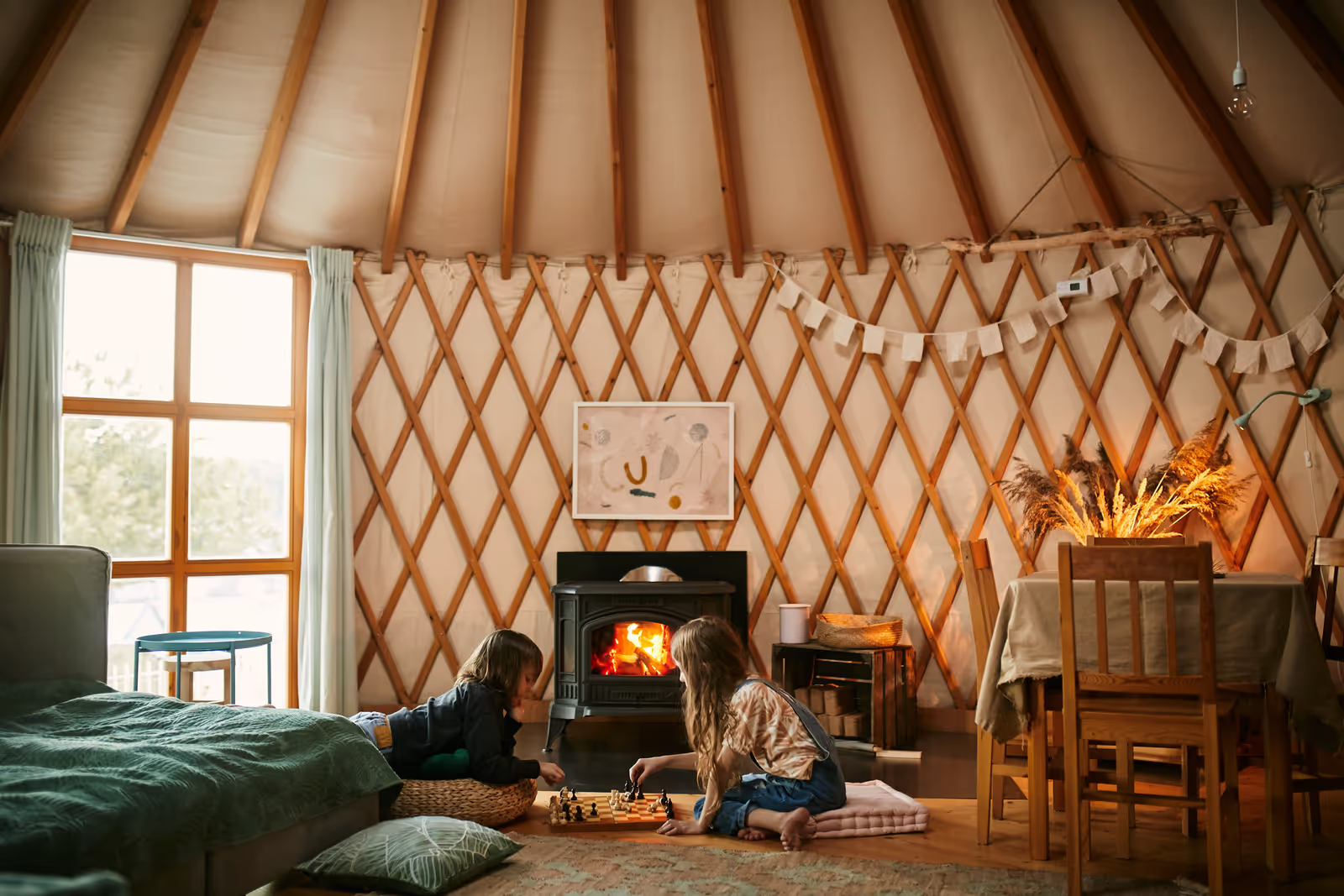
The yurt itself is eco-friendly, built mostly from natural materials. Inside, you’ll find only environmentally safe detergents in refillable containers, and waste sorting is made as easy as possible.
At this donkey haven, you can buy products from local artisans, meet volunteers who help with animal therapy, and learn about the Osiołkowo Foundation’s social initiatives.
I Won’t Go Any Further
Book on Slowhop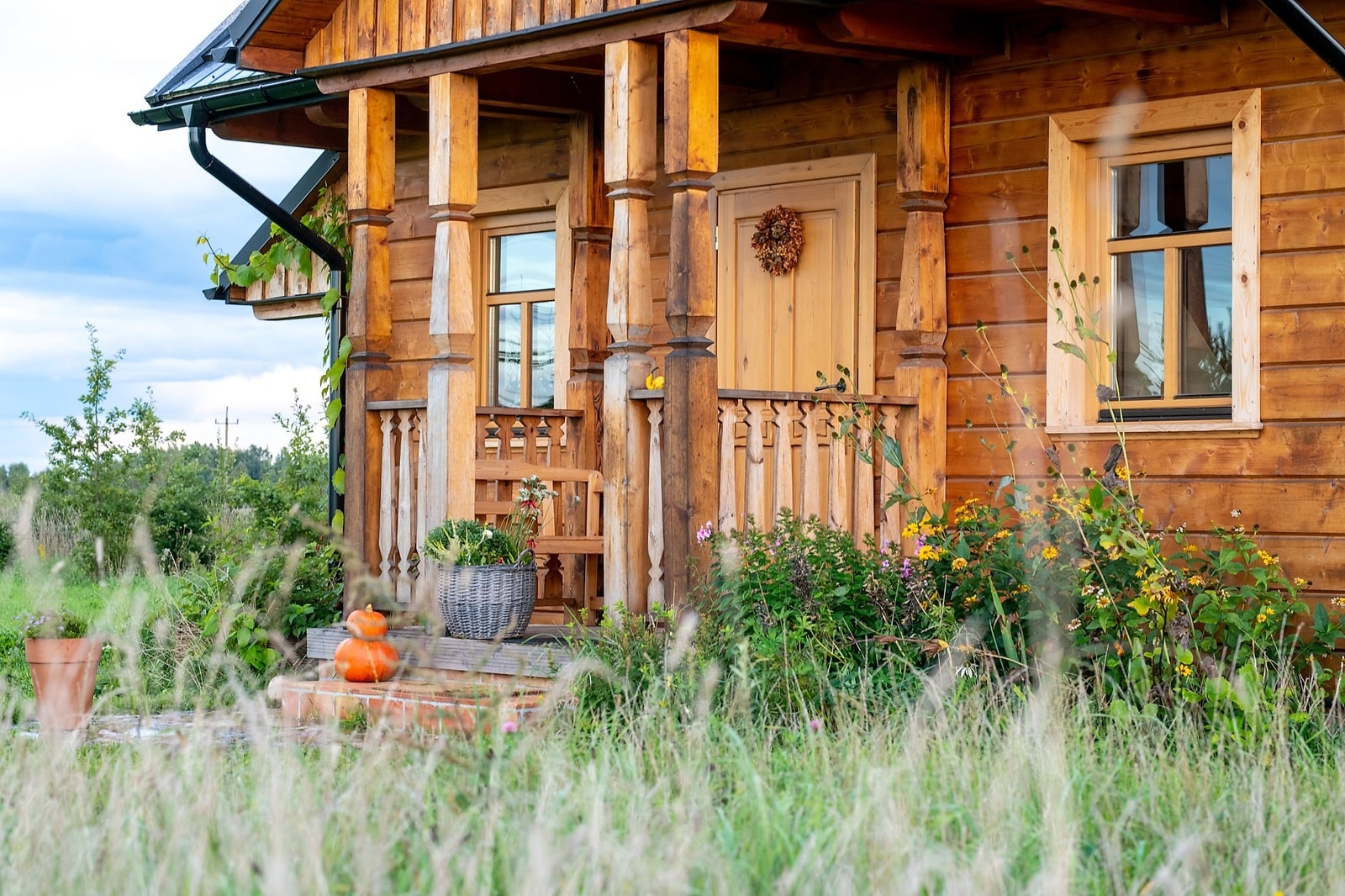
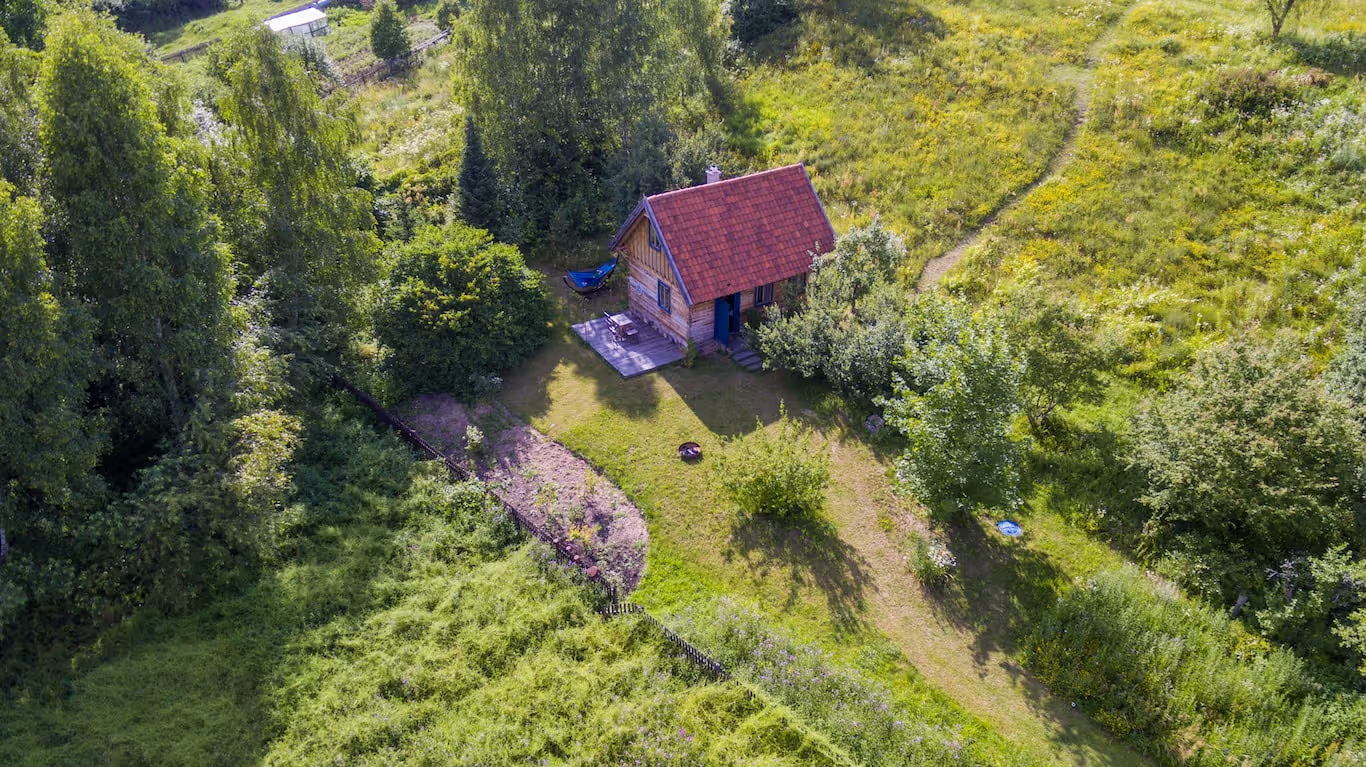
Have you heard of the eco-spacing trend? It’s architecture in harmony with nature, using local materials like wood and stone so buildings blend seamlessly into the landscape. At I Won’t Go Any Further, you’ll find two homes built this way. The older one features a low-emission wood stove; both use solar panels, collect rainwater, and have permaculture gardens.
It gets even better—and tastier. Here you’ll enjoy traditional flavors from the Suwałki region in northeastern Poland, plus dishes inspired by global travels. The hosts fill your plate with produce from their garden, and nearby farmers supply eggs, milk, and butter. They’ll happily share local tips: where to find the best goat cheese, sękacz cake, or smoked fish in the area.
Gosia and Piotrek are eco-enthusiasts who love sharing nature’s wonders. Ask them about the local microcosm, and you’ll impress friends back home. When it’s time to explore, they can even pick you up from the nearest train station—just let them know in advance. It’s a breath of fresh air for you and the environment.
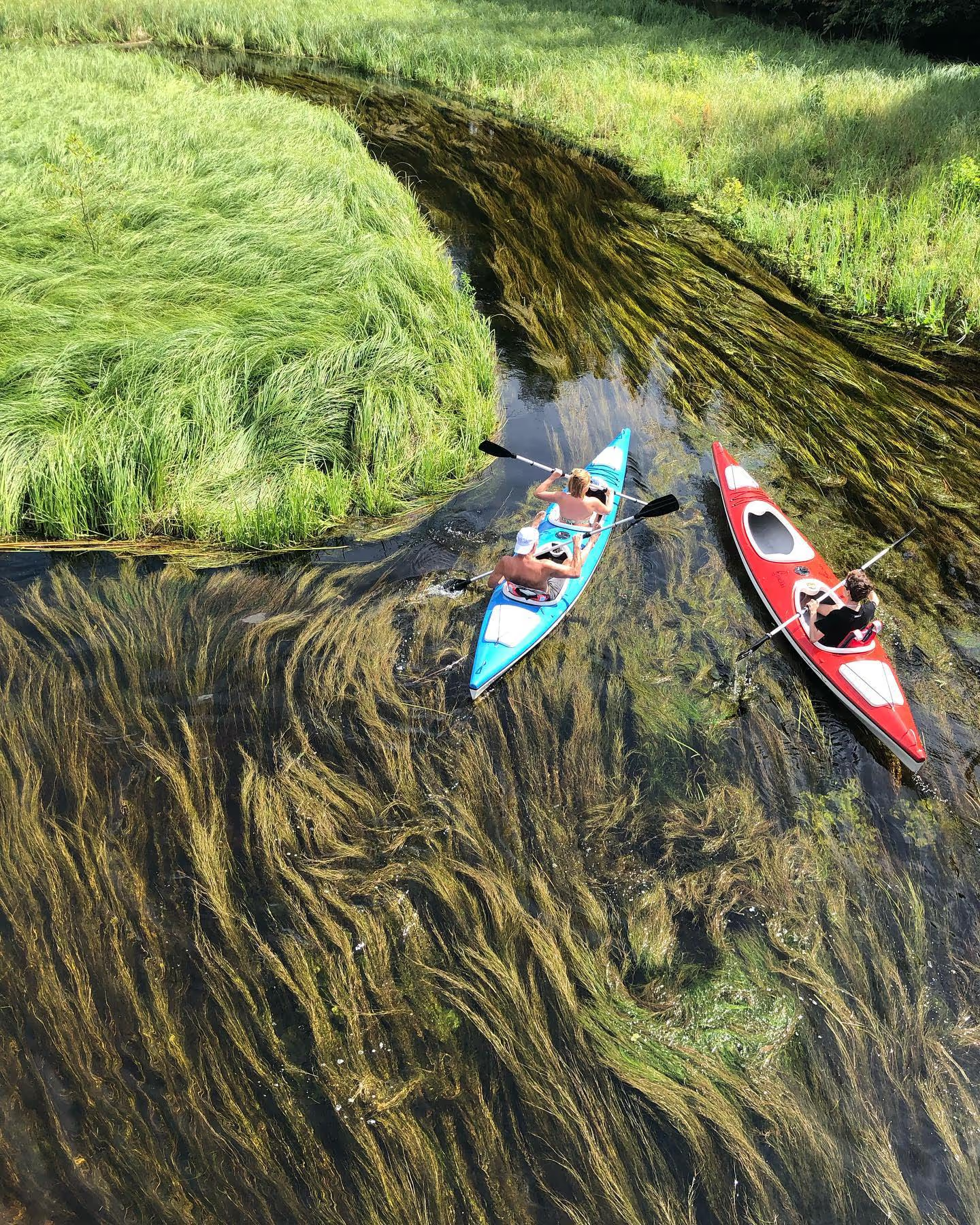
Jelonki 2 // Intimate in the Wild Brambles
Book on Slowhop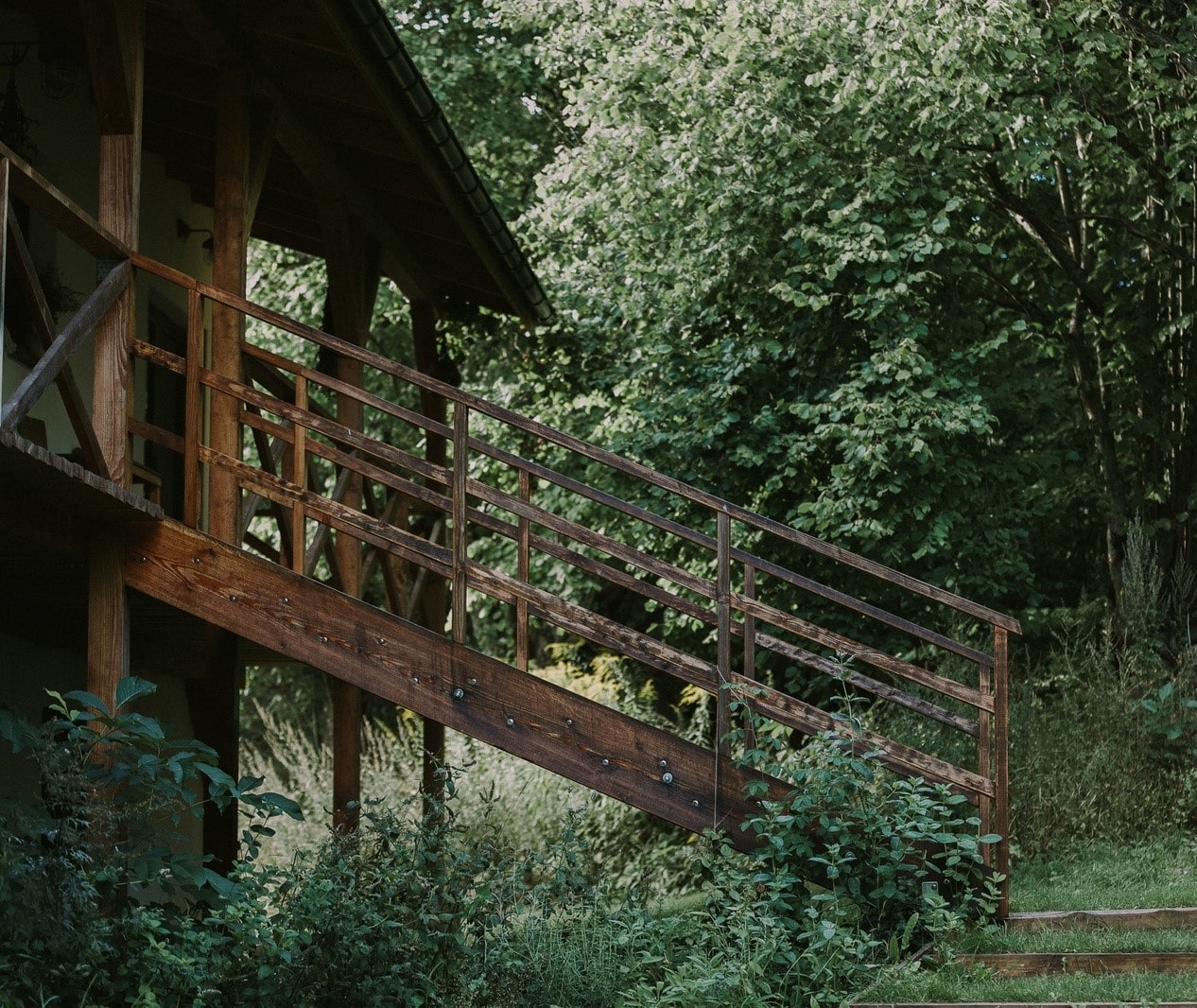
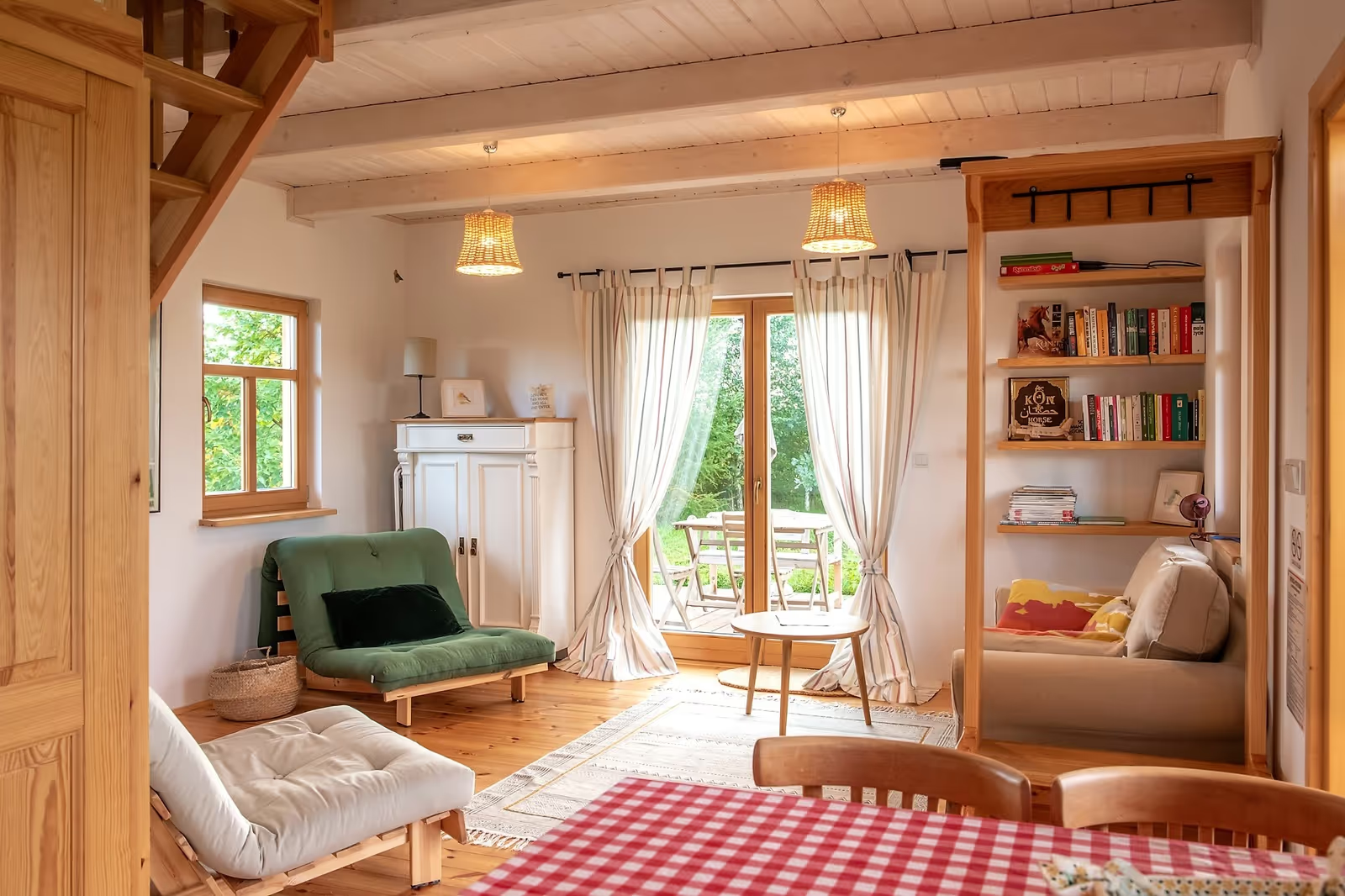
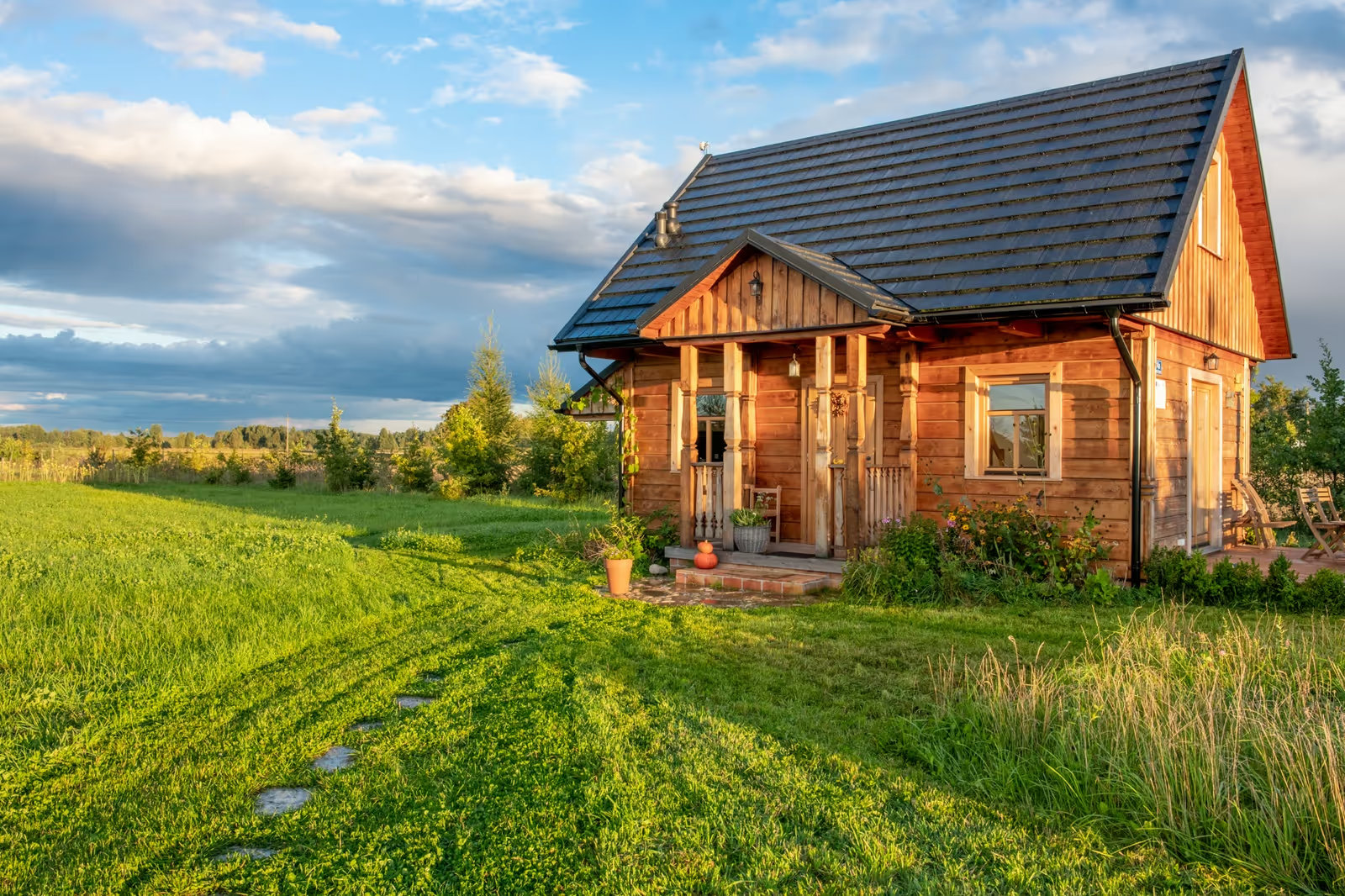
We suspect Arne Naess, the father of deep ecology, would love a holiday at Jelonki 2. “Our priority is not to interfere with nature,” Ana explains. Seasoned travelers will appreciate the wild brambles, nettle-filled garden, and lush, “unpolished” landscape. The hosts offer guided forest bathing sessions so you can experience the same joy of immersion in nature that they find every day.
The grounds are an Eldorado for wildlife. Much of the space is left uncut, with native plants serving as buffet for pollinators. In winter, fallen apples and maple seeds under the meadow make a natural bird feeder. Nearby stray dogs and a cat have also found refuge here.
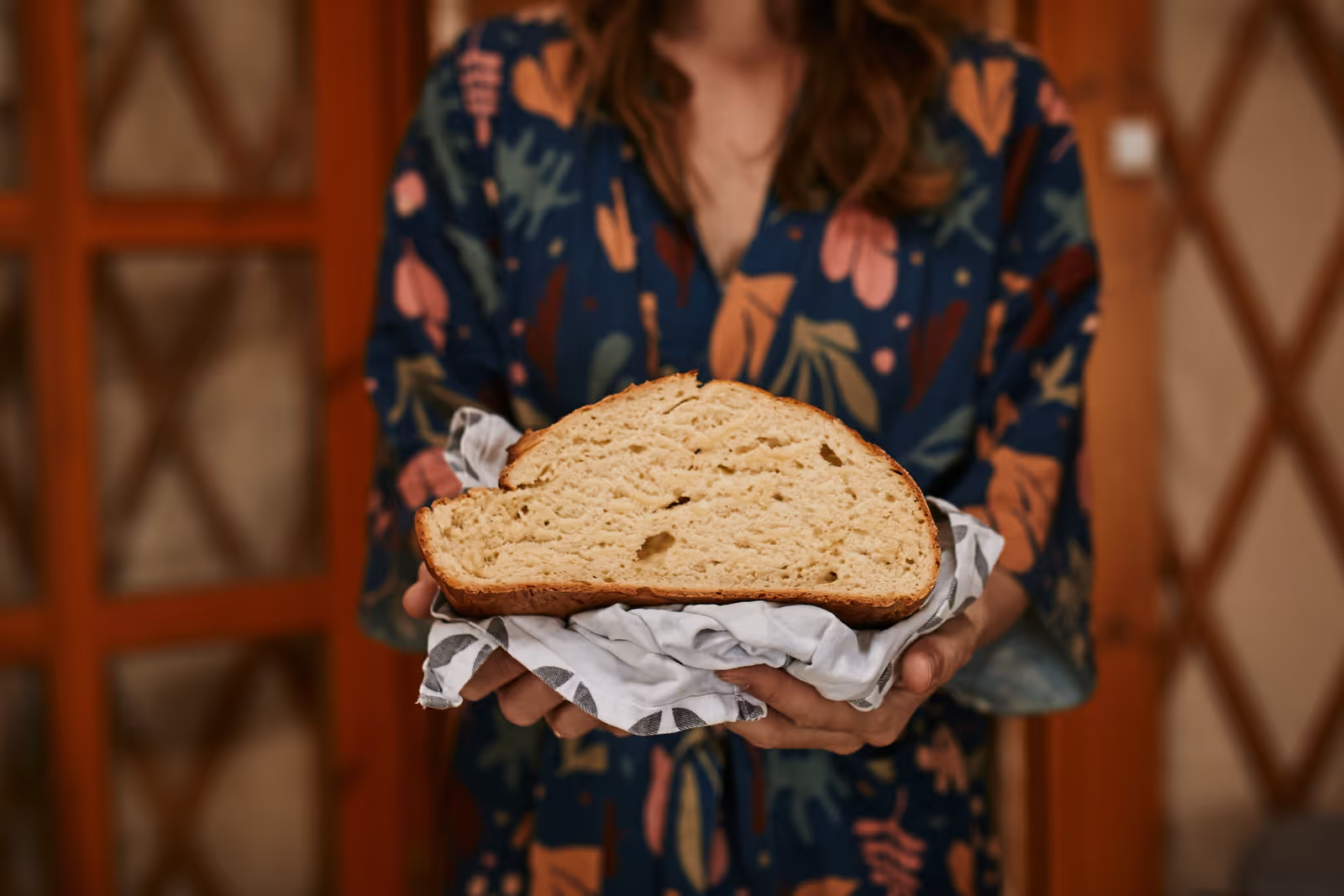
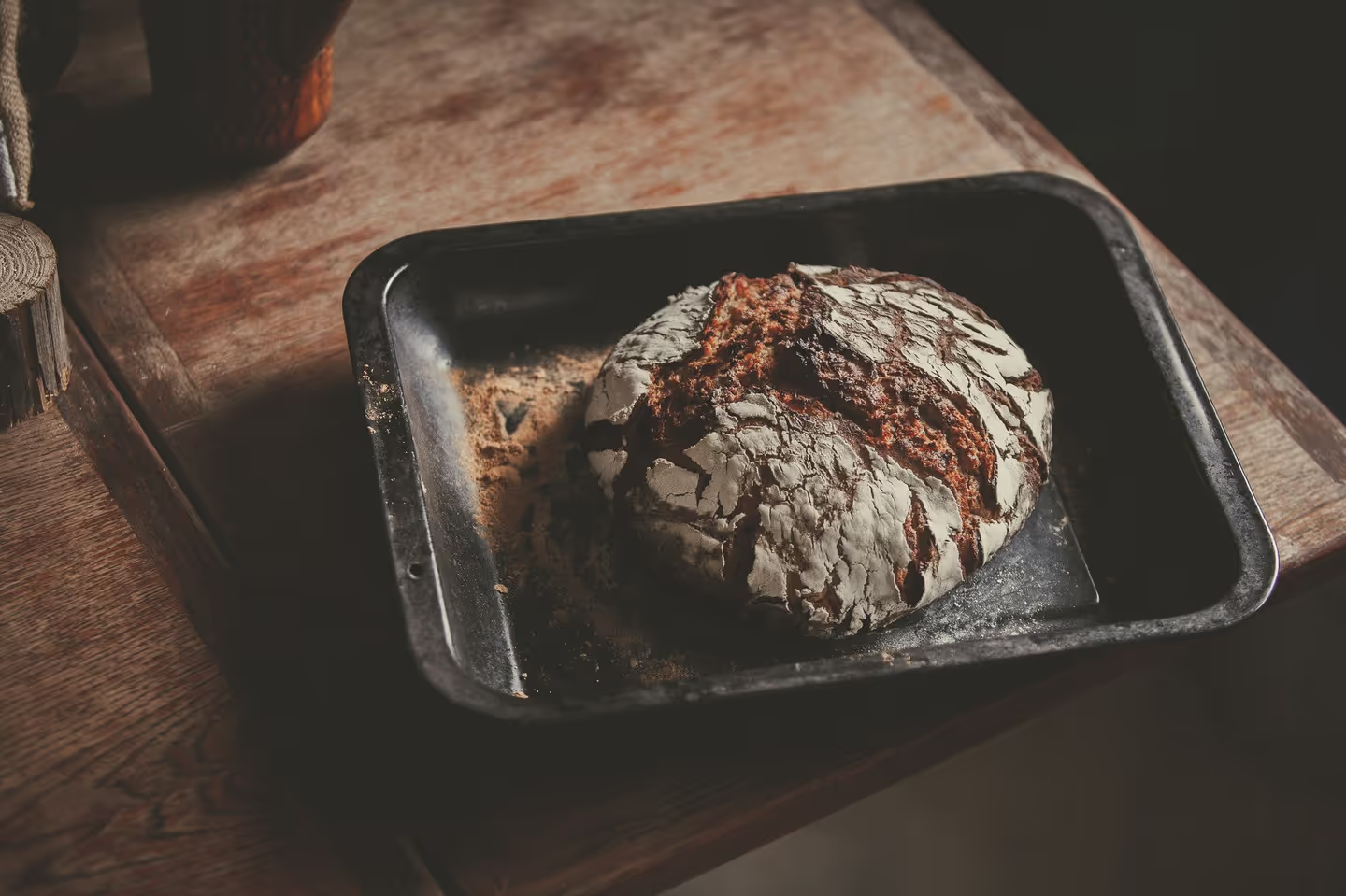
The kitchen leans vegetarian, using seasonal, local produce grown with permaculture and biodynamic methods. You might savor rye sourdough bread with thyme, celery-peanut pâté with black cumin on millet, cashew-and-garden-beet spread with fresh oregano, or farm-fresh eggs from free-range hens.
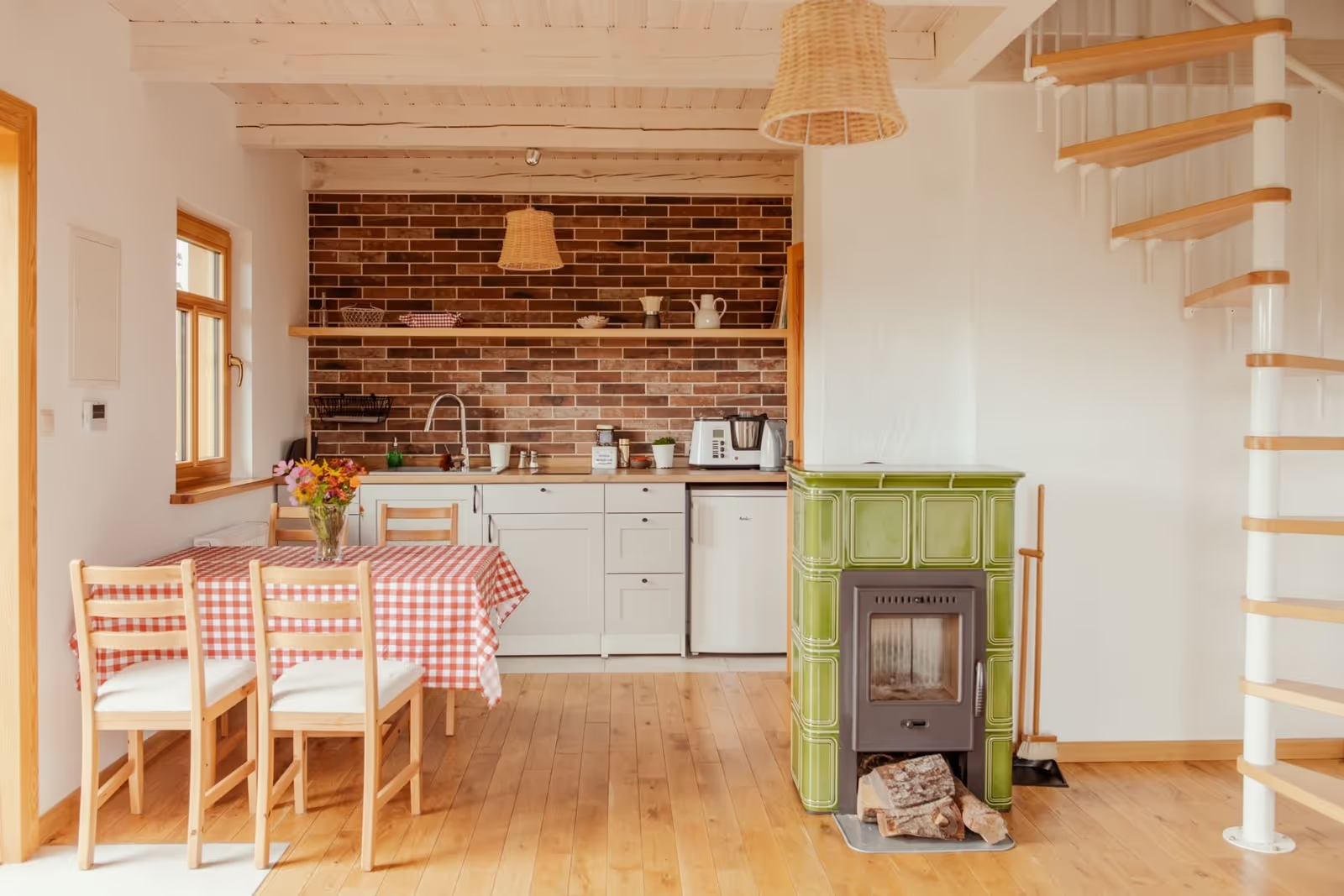
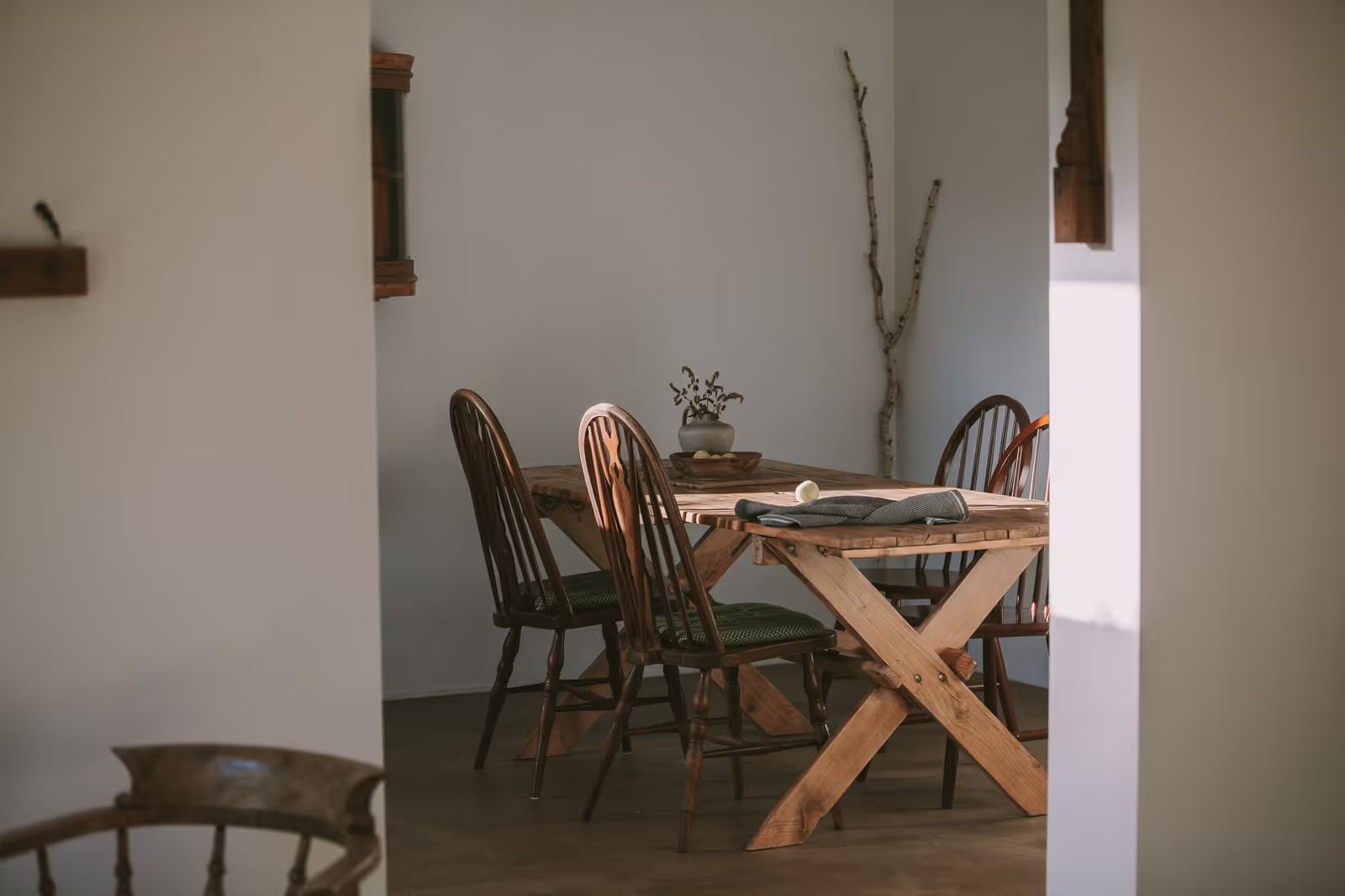
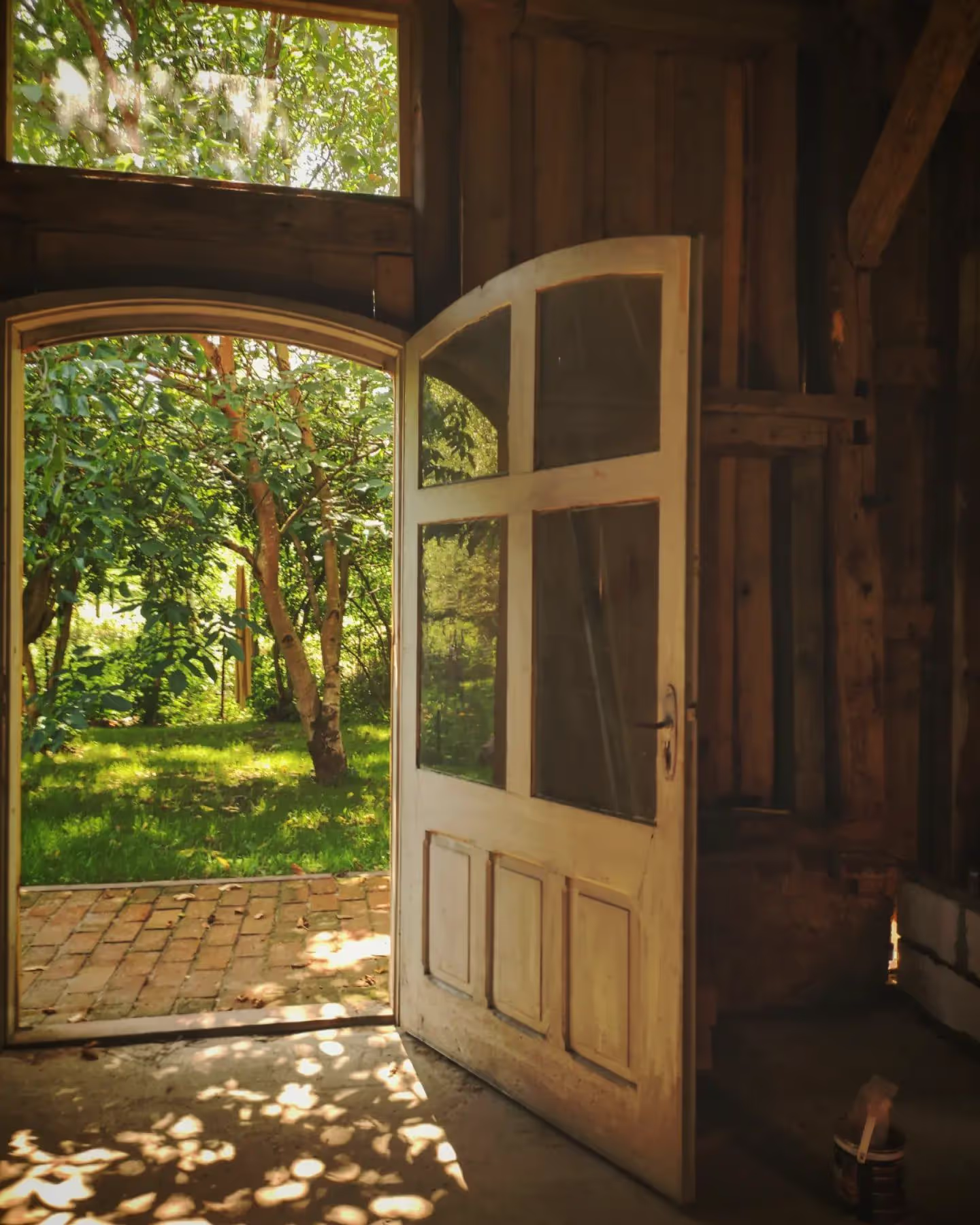
Ana and Marek’s love of upcycling shows in reclaimed windowsills from 120-year-old Victorian homes in England. The furniture is all second-hand, and instead of synthetic air fresheners, you’ll be greeted by the scents of dried herbs and flowers from the garden and forest.
Majcz Vineyard (Adults Only Retreat)
Book on Slowhop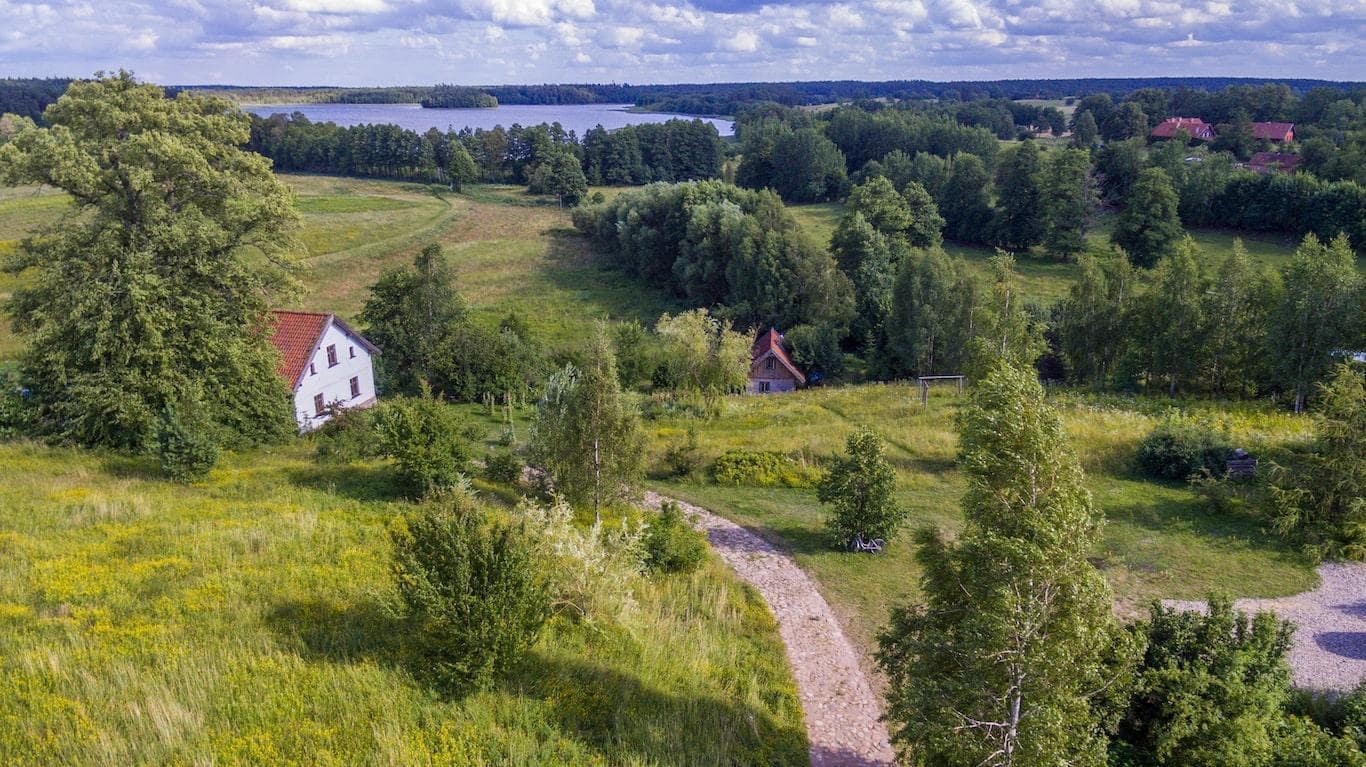
The hosts at Majcz Vineyard rescued a dilapidated house and restored it with eco-friendly building techniques: natural materials like breathable clay plaster and reclaimed supplies. Remarkably, there’s no PVC on site—not even in the wiring or pipes. You’ll find biodegradable toiletries in refillable packaging, essential for the on-site biological wastewater treatment.
To combat drought naturally, the hosts boost water retention by planting thousands of trees and shrubs. The estate’s wild meadows are never mowed down to a two-centimeter lawn, preserving biodiversity. They’ve been active in landscape conservation for years.
And the food? Expect farm-to-table treats: veggies and fruits from their certified organic garden. If you visit off-season, these delicacies are waiting for you in jars and bottles.
Dream Storage
Book on Slowhop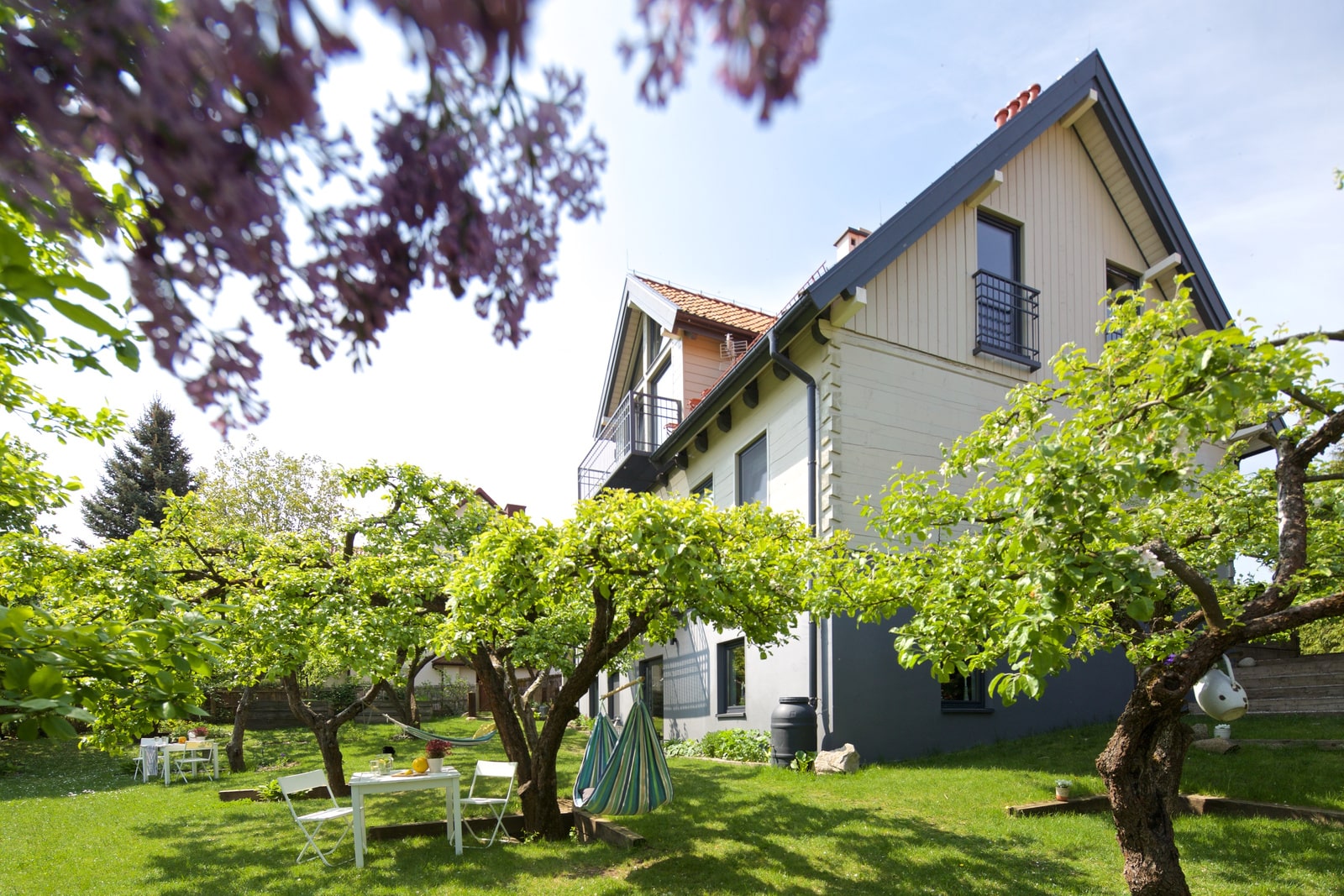
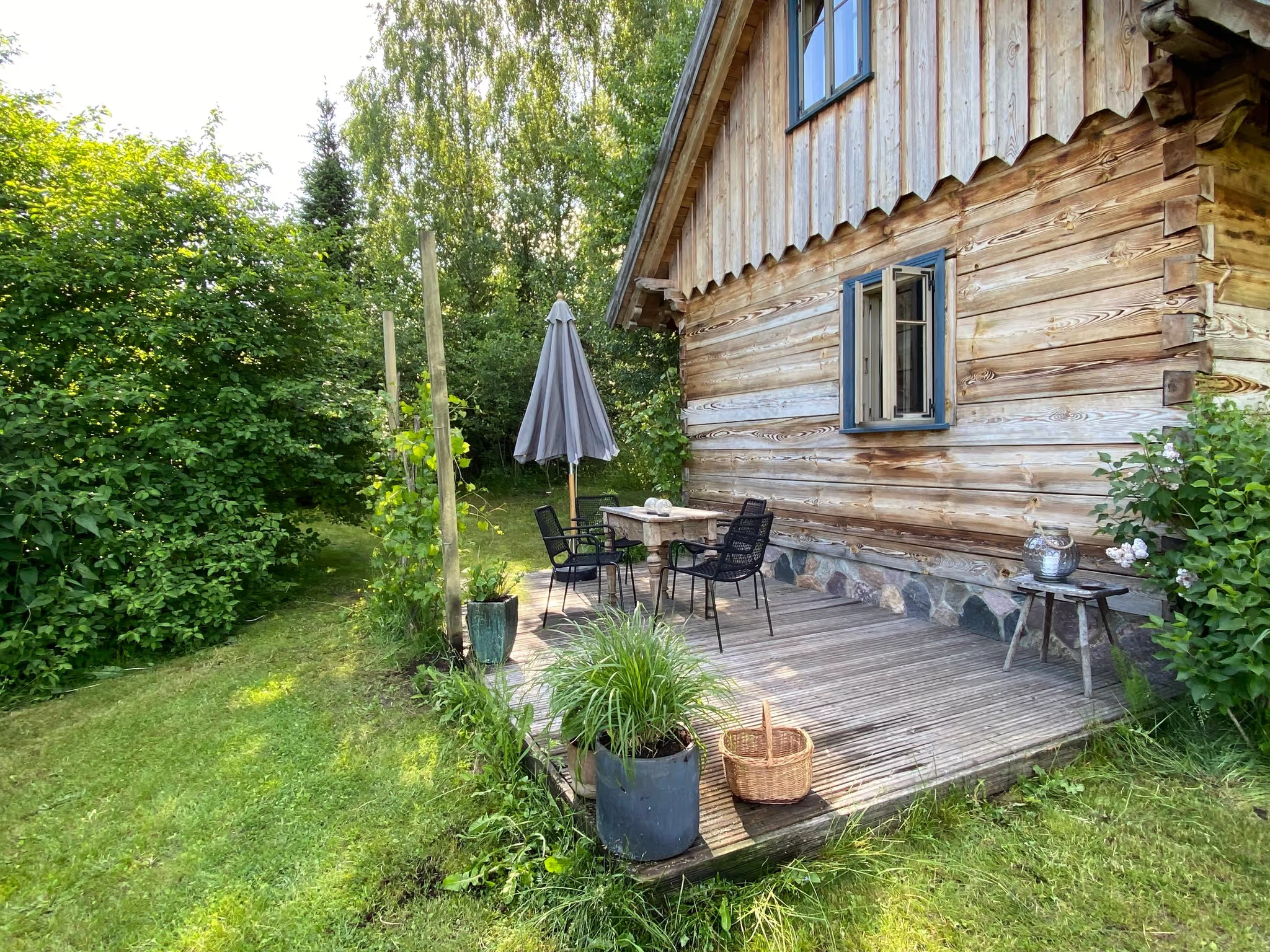
Reducing consumption + local, healthy food with zero waste + social engagement + cultural heritage protection = the ultimate sustainable host package, here at Dream Storage. Karolina and Marek are recycling champions: 95% of their furnishings are second-hand, and their home is a hybrid of a 120-year-old Masurian cottage (a former rectory) lovingly moved and upgraded to welcome guests.
Have you heard of Swedish loppis? It’s a flea-market-style sale where you can find design treasures while supporting the circular economy. At Dream Storage, there’s a mini vintage shop stocked with finds from these Swedish loppis events.
The hosts also value cultural heritage: on weekends, they team up with local volunteers to restore old Masurian cemeteries, documenting the lives of past residents. You can read about their discoveries on the Facebook group “Dom, historia”.
We could go on, but we’ll leave you here for reviews of Dream Storage on Slowhop—guests leave glowing testimonials that speak for themselves.
Werstok – The Good House of Straw and Clay
Book on Slowhop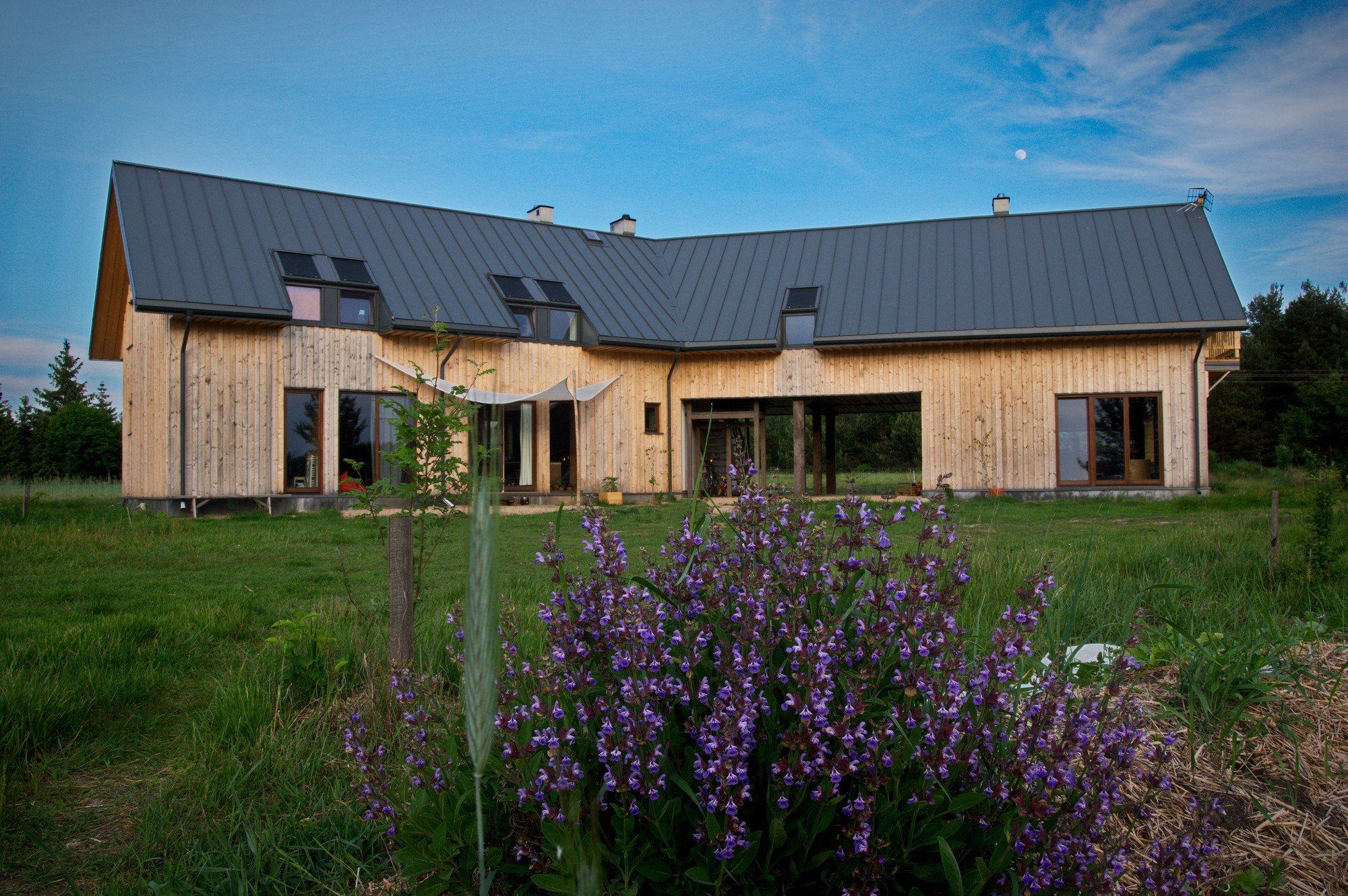
Any fan of natural building will feel like a kid in a candy store here. The Good House features many eco-model solutions: straw-bale construction, clay plasters and wooden walls, a ground-source heat pump, an on-site plant-based wastewater treatment, and a permaculture orchard.
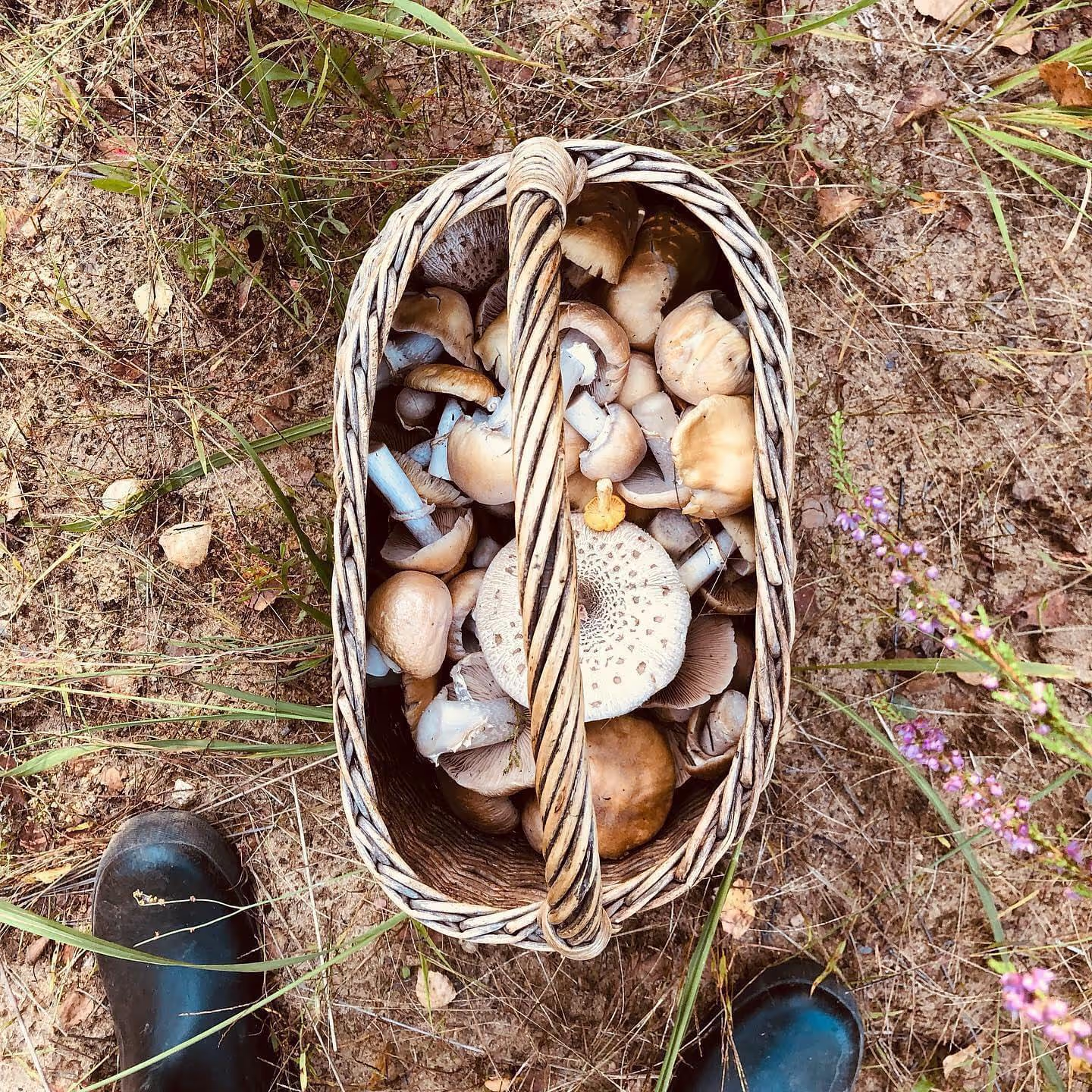
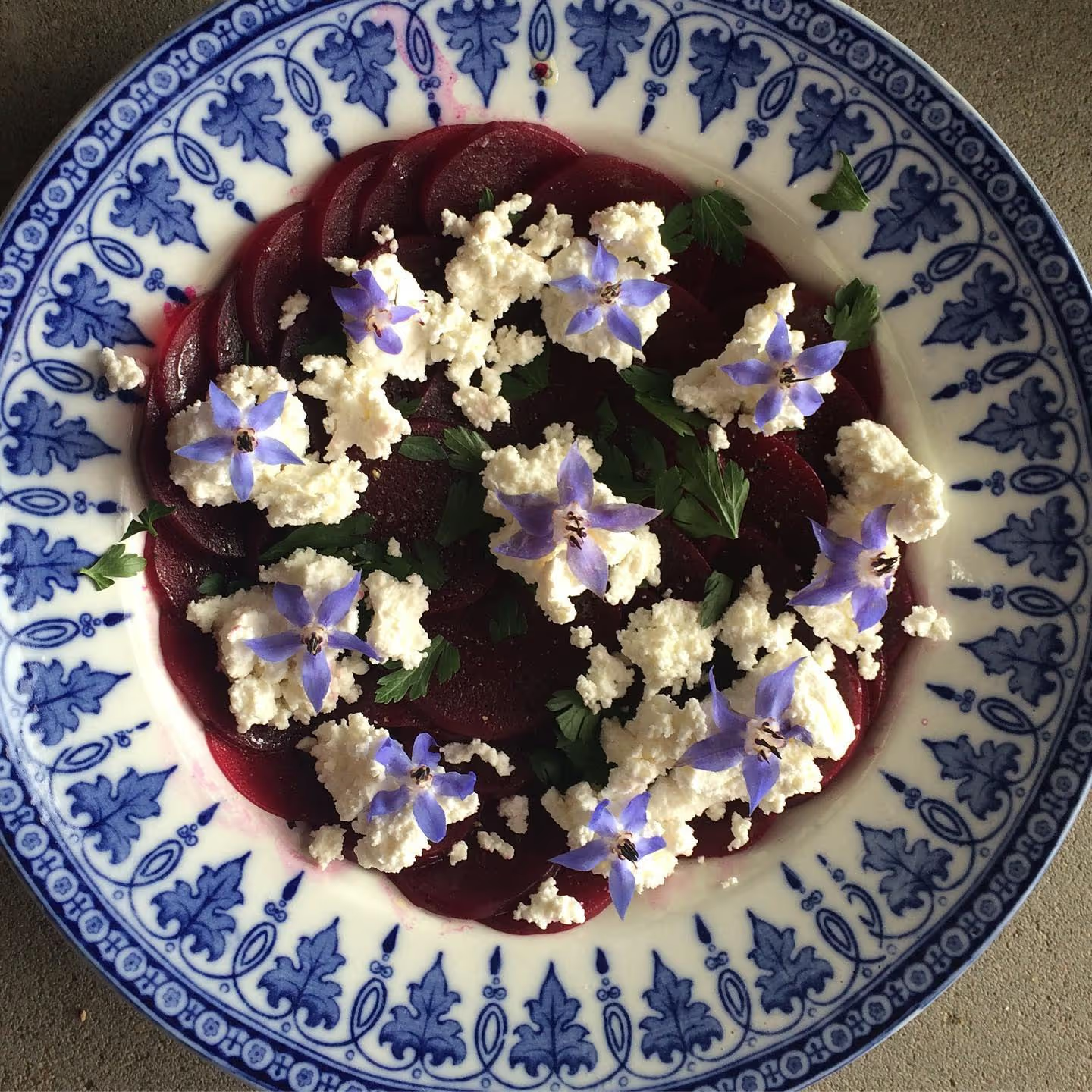
The kitchen is just as good: vegetarian dishes based on seasonal, locally sourced produce—much of it from their own permaculture orchard and garden. Bet even meat lovers will drool over sunny yellow zucchini soup with red lentils, aromatic roasted pumpkin with sage chips, or pasta with wild mushrooms, pickled beets, and goat cheese.
This place is truly off the beaten path—where the pavement ends, creative laziness begins. Here, at what they fondly call the House of Creative Idleness, you can hide away in silence and embrace nature, join art workshops and painting retreats, or meet inspiring guests.
Looking for more eco-conscious getaways?