8 Must-Visit Cheese Spots in Poland
It’s no coincidence that cheese holds a special place in our hearts. Our pulses race when we catch a whiff of artisan cheese—high-quality cheese made from the milk of well-cared-for animals by people who love what they do, something you can enjoy with a smile from ear to ear. And that taste? You won’t find it in supermarkets.
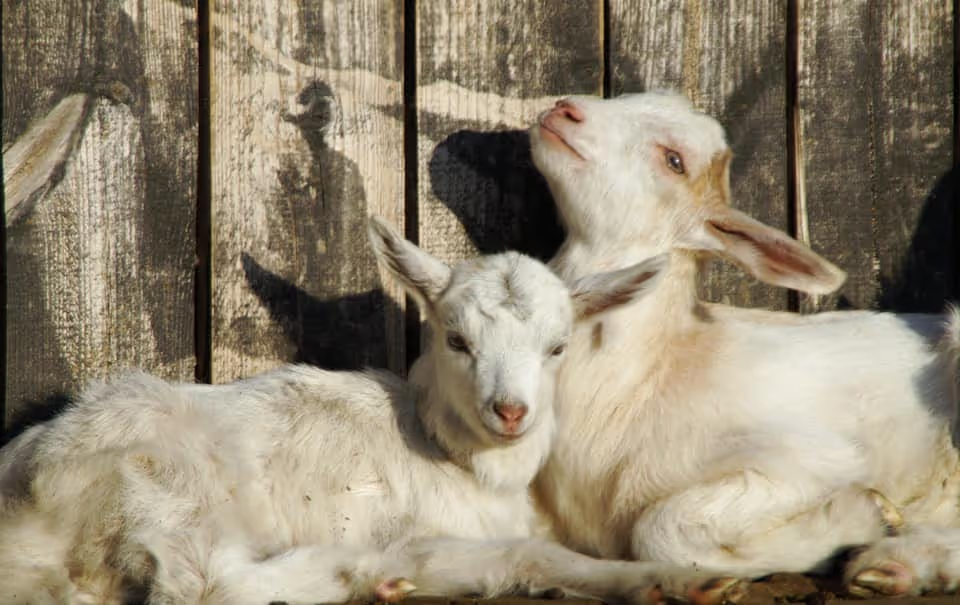
There would be no cheese without sheep, goats, and cows. At the places you’ll read about here, these animals live well, rewarded not only with food and care but also lots of hugs and attention. Many of the hosts you’ll meet fell in love with cheesemaking and taught themselves how to do it, partly or entirely on their own.
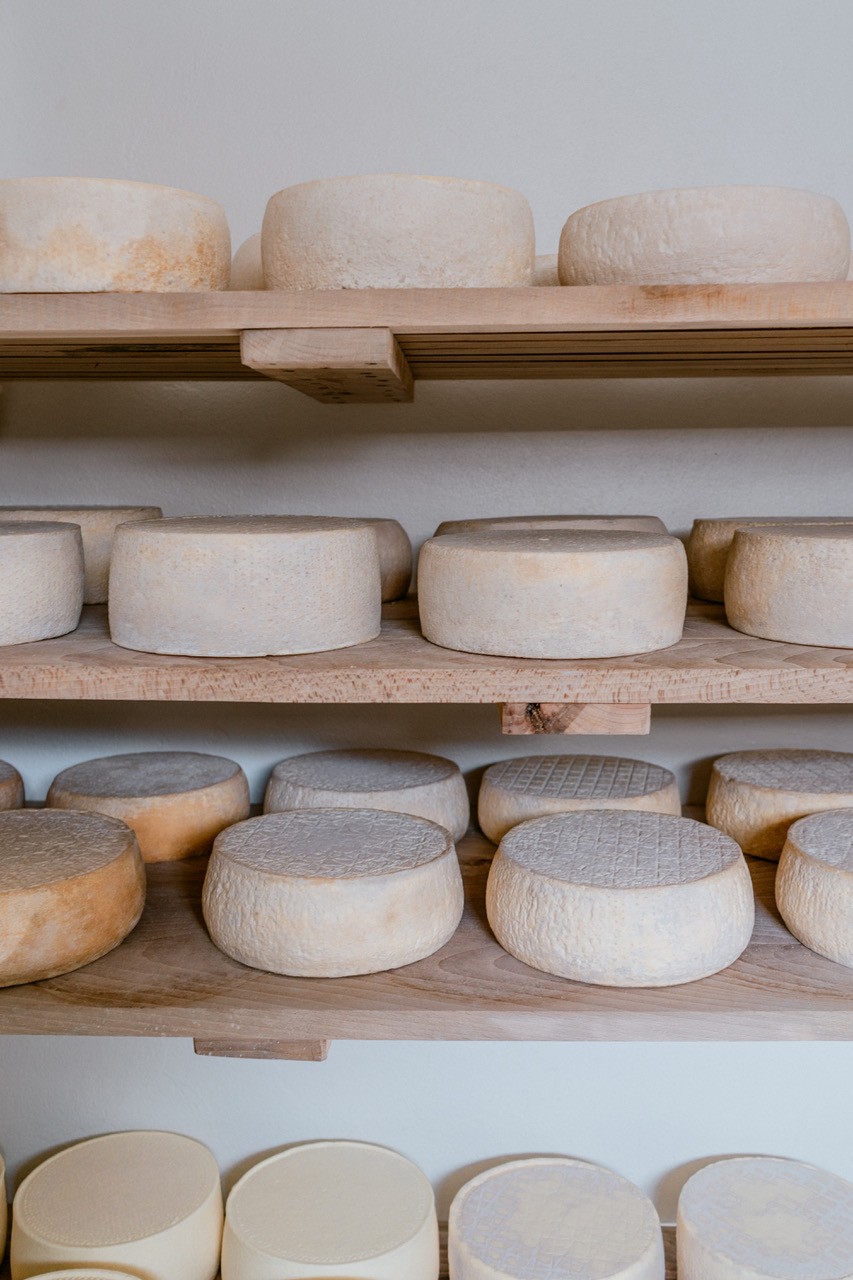
On Slowhop, we have at least a dozen spots where hosts serve their own cheeses, and even more where you can enjoy local varieties from a neighbor or the next village. You can find them all here. We’ll show you a few places where cheese is made from start to finish—from milking a goat or cow to serving a cheese platter at your table.
We hope this inspires you to read on—and then join us for a tasting.
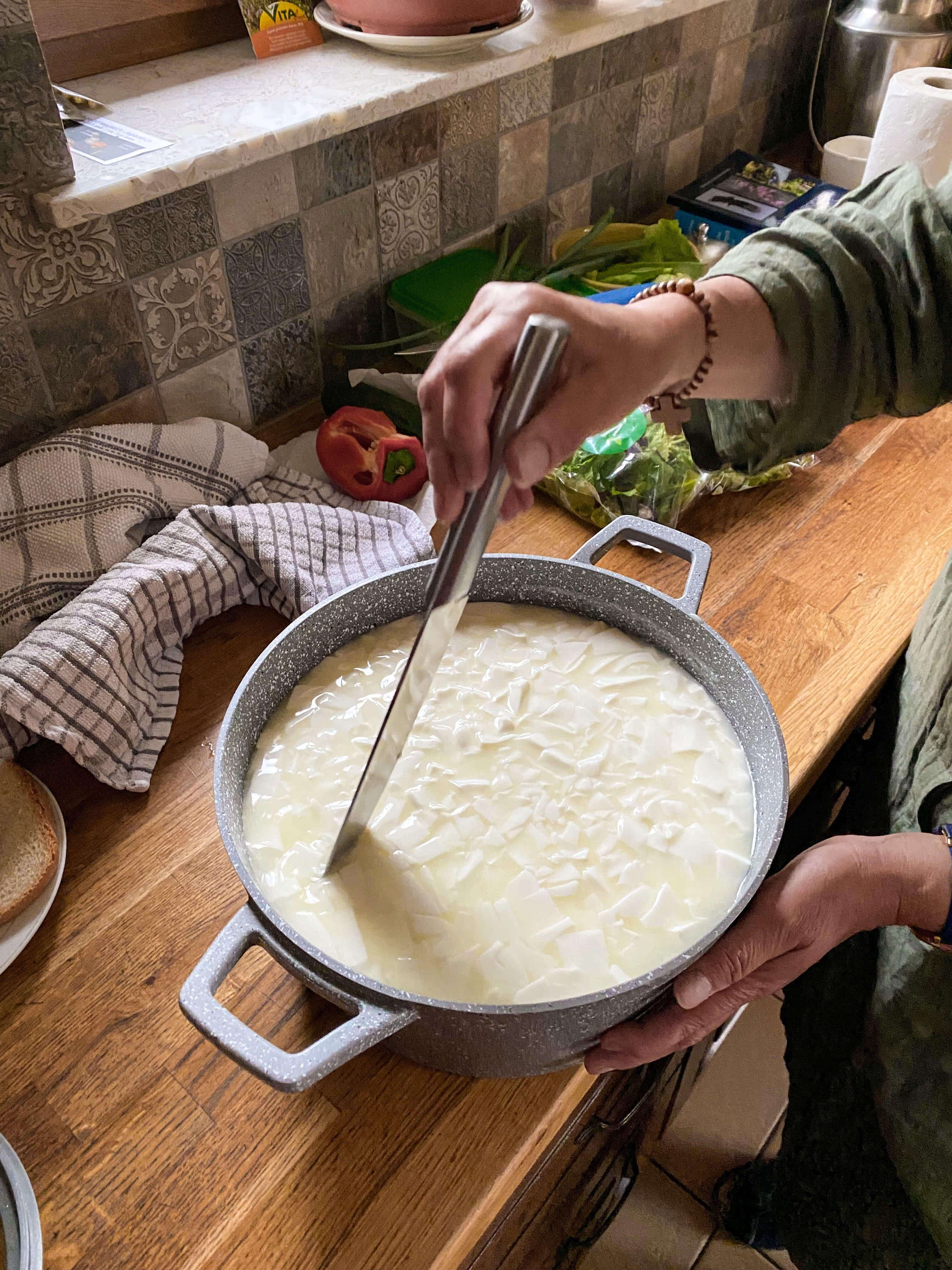
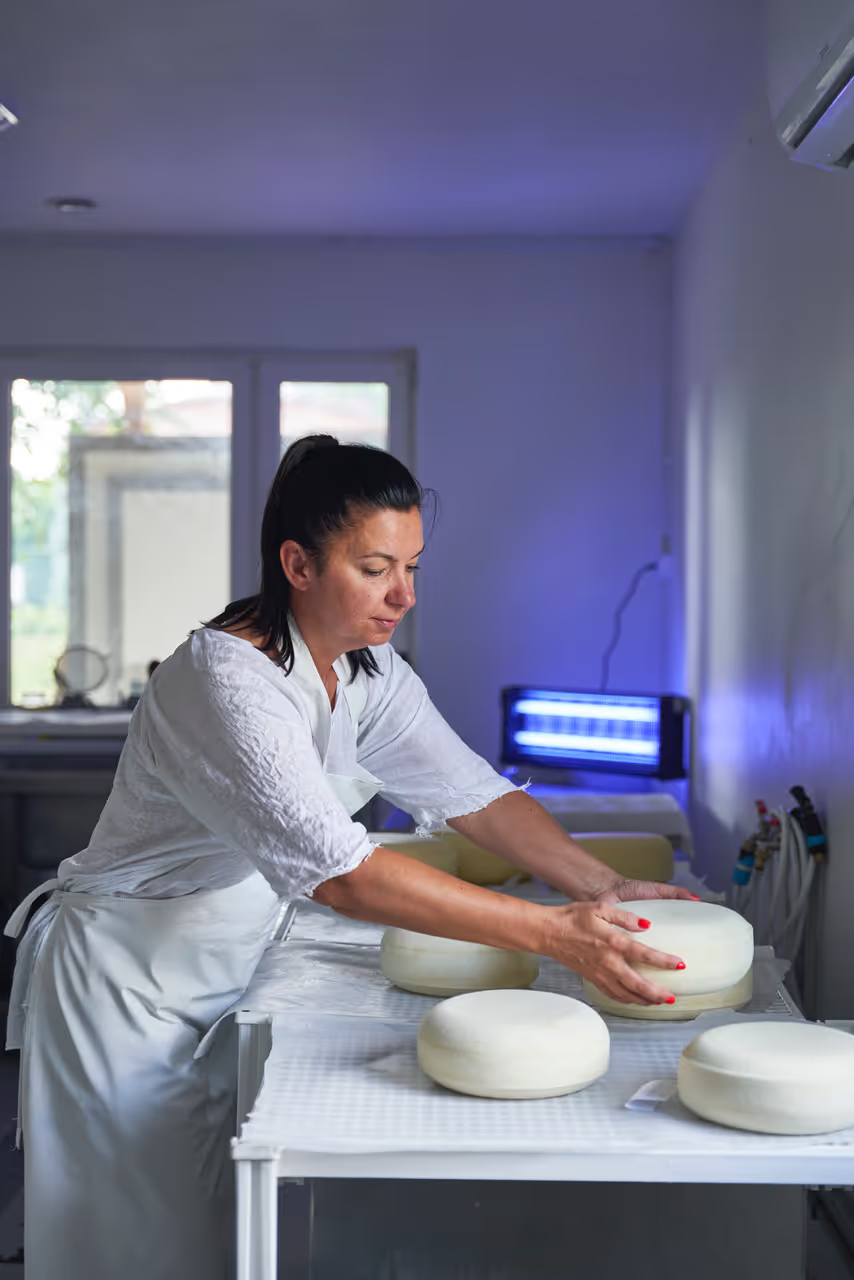
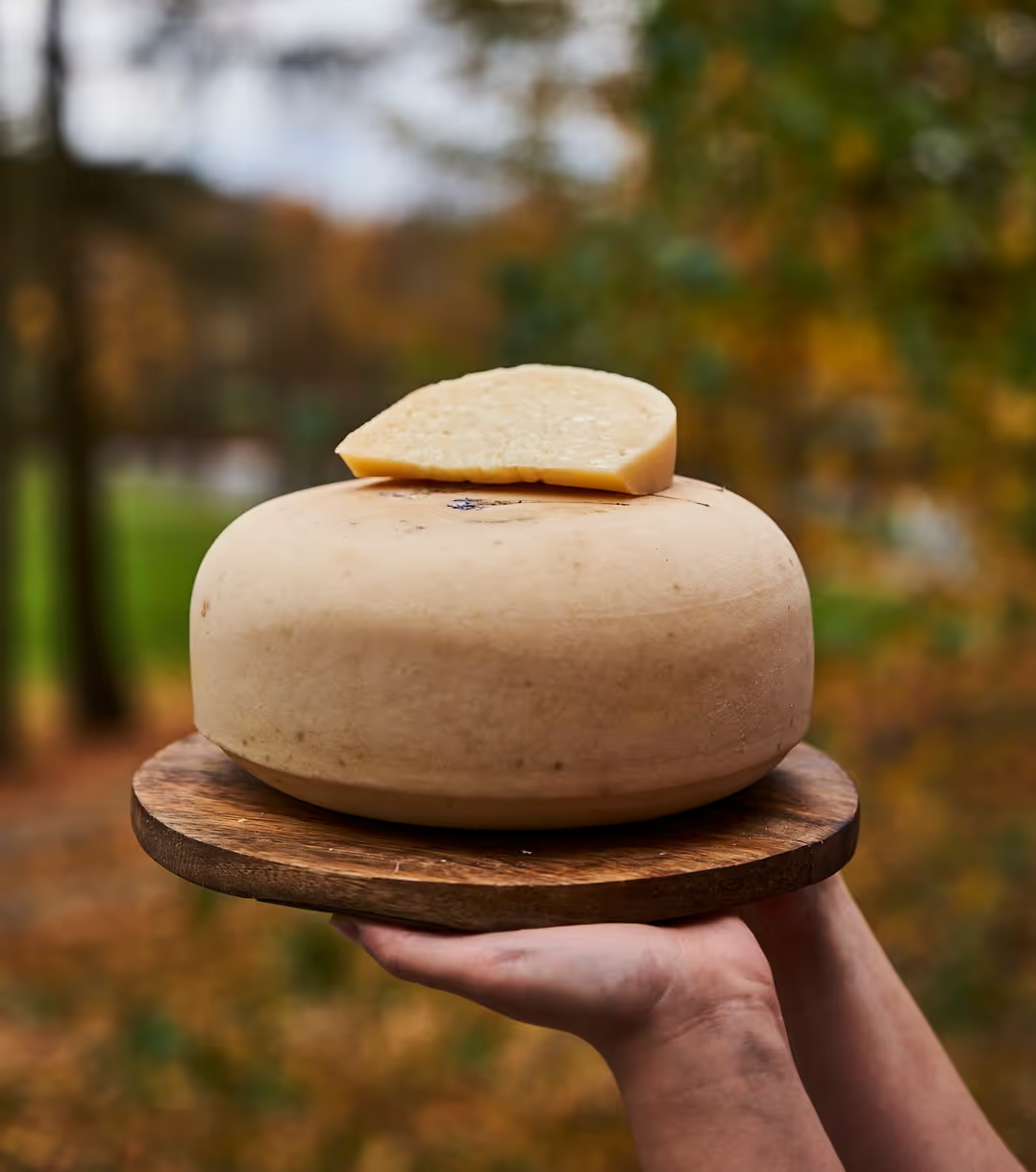
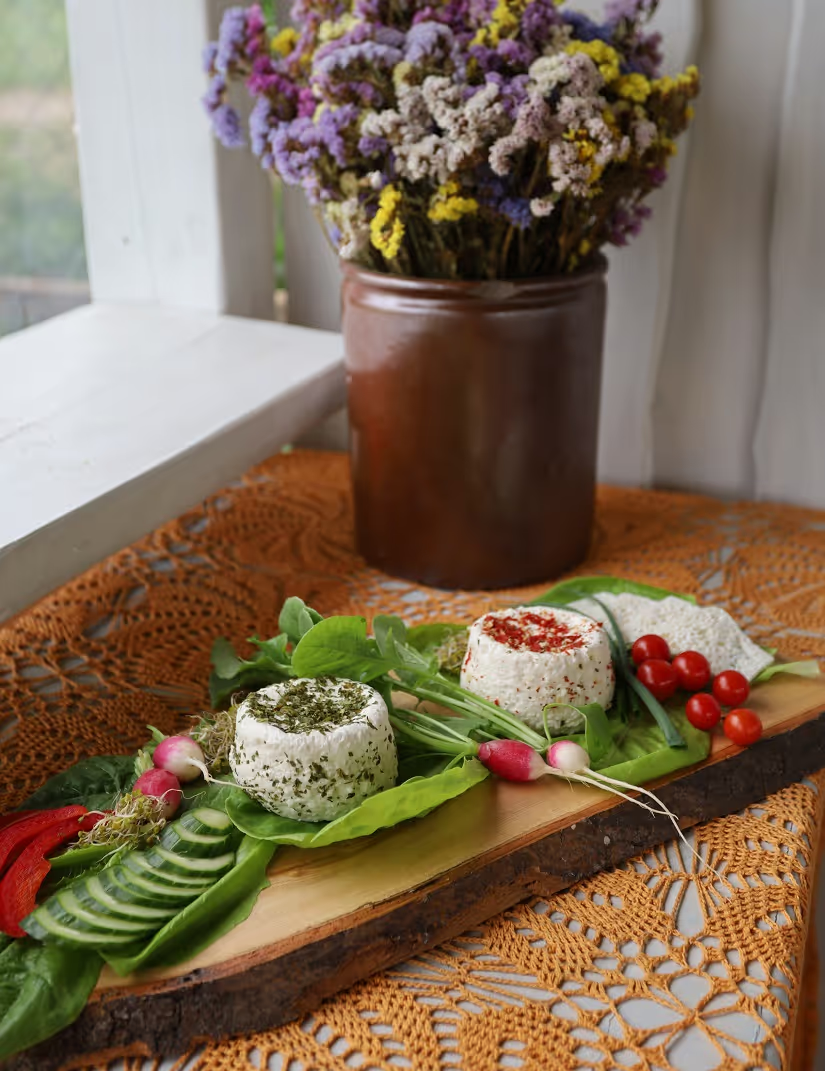
There’s plenty more cheese to sample, since there are around 4,000 varieties worldwide. While each is made slightly differently, the basic technique is the same—and that’s what we’ll explain. Danuta and Julita from Siedlisko Zacisze showed us how to make a soft goat cheese. Early in the morning, we milked a goat named Alpejka and brought the milk indoors. After breakfast and a glass of that still-warm milk (you know how it goes), we got to work. In a nutshell: heat the milk, add cultures, stir. Add rennet, stir again. Let it sit for 12–18 hours. Patience is key. While we fed the sheep and petted the goats, a curd formed in the pot—the start of the cheese. We cut it gently with a knife, then used a slotted spoon to transfer it into molds. It drains for two days. Like we said, it’s not a quick process. After that, you can salt it and add spices. Two days later, it’s ready to eat—and in our case, to photograph and devour with fresh garden vegetables. Was it worth the wait? A hundred times yes. Are we encouraging you to make cheese at home? Understatement—you’ll find us urging our parents to get goats, a cow, or sheep. But to start, we recommend visiting one of the cheese-loving spots on Slowhop.
.avif)
Siedlisko Zacisze – Agritourism in Gowinie
Book on Slowhop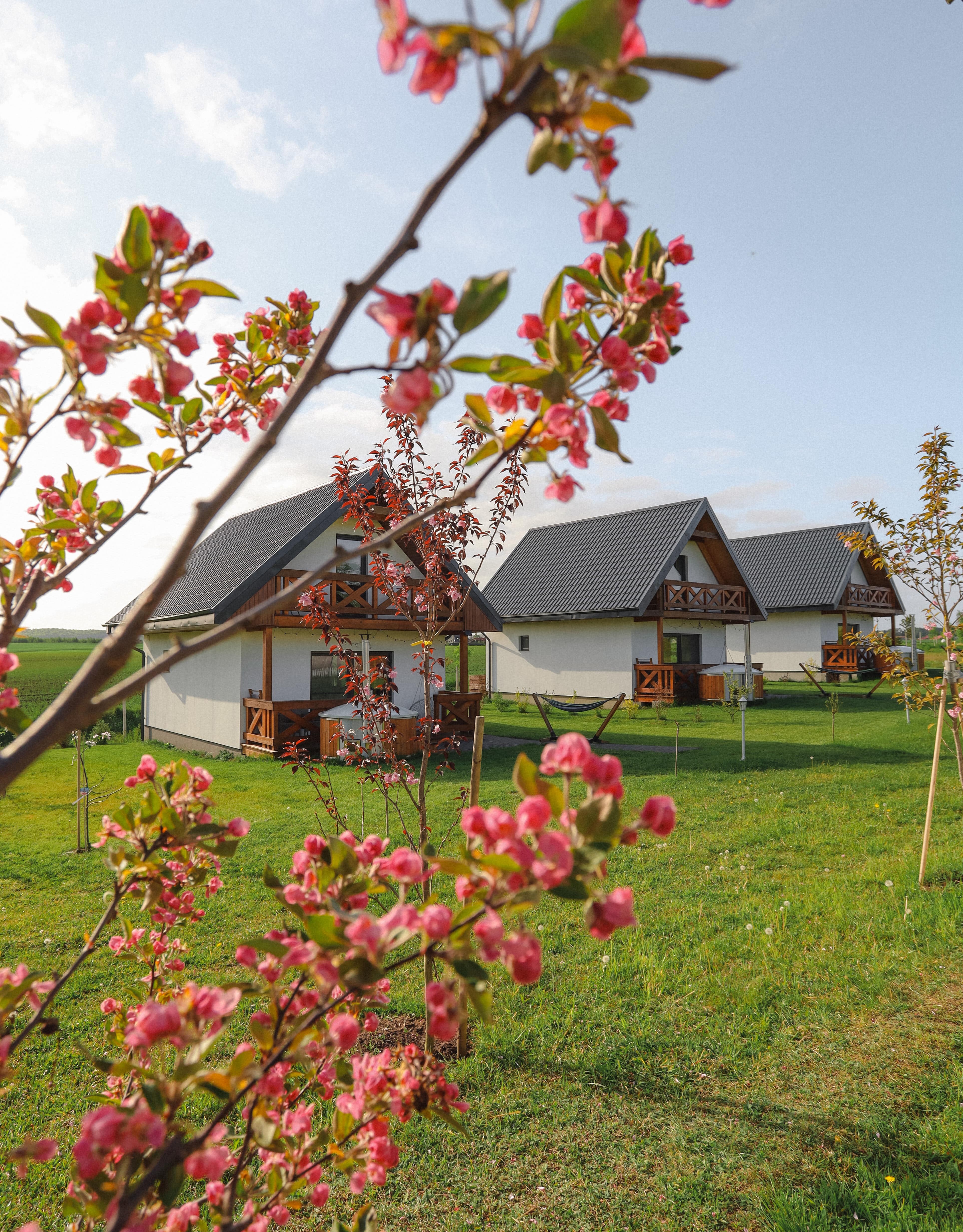
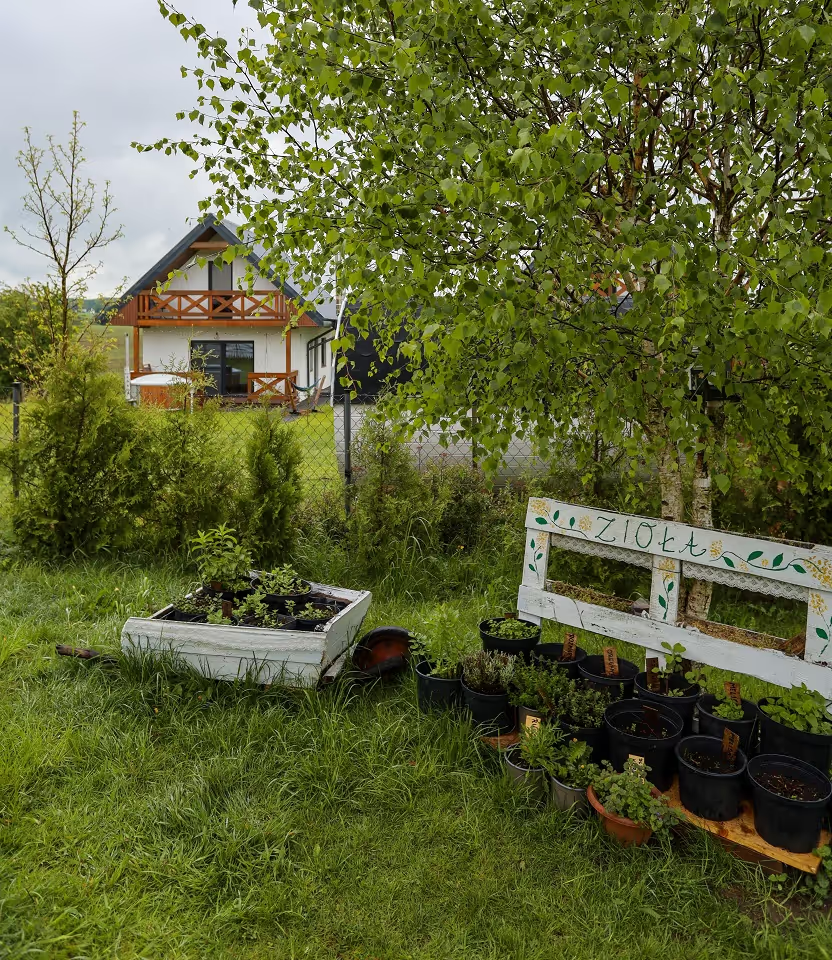
This spot is run by two women who aren’t afraid to get their hands dirty. Danuta and Julita start each day feeding the animals, milking goats, making cheese, and preparing breakfast. In terms of food, this place is largely self-sufficient. From goat milk they make not only cheese but also yogurt, kefir, yeast buns, waffles, and pancakes. Good news for our stomachs: goat milk is super easy to digest. Humans process cow’s milk in 2–4 hours, while goat’s milk can be digested in just 20 minutes! You can thank the goats directly. Their herd of 14 enjoys half a hectare to roam and a three-hectare forest for walks. Here’s a tip: they love dill.
Which cheeses?
Goat: young rennet cheeses, delicate creamy fresh cheeses, and brined varieties. They also offer yogurt and kefir. The goats are milked from April through November, so in autumn and winter Julita and Danuta will serve cow dairy—they buy milk from a neighbor’s organic farm.
Slowhop’s take
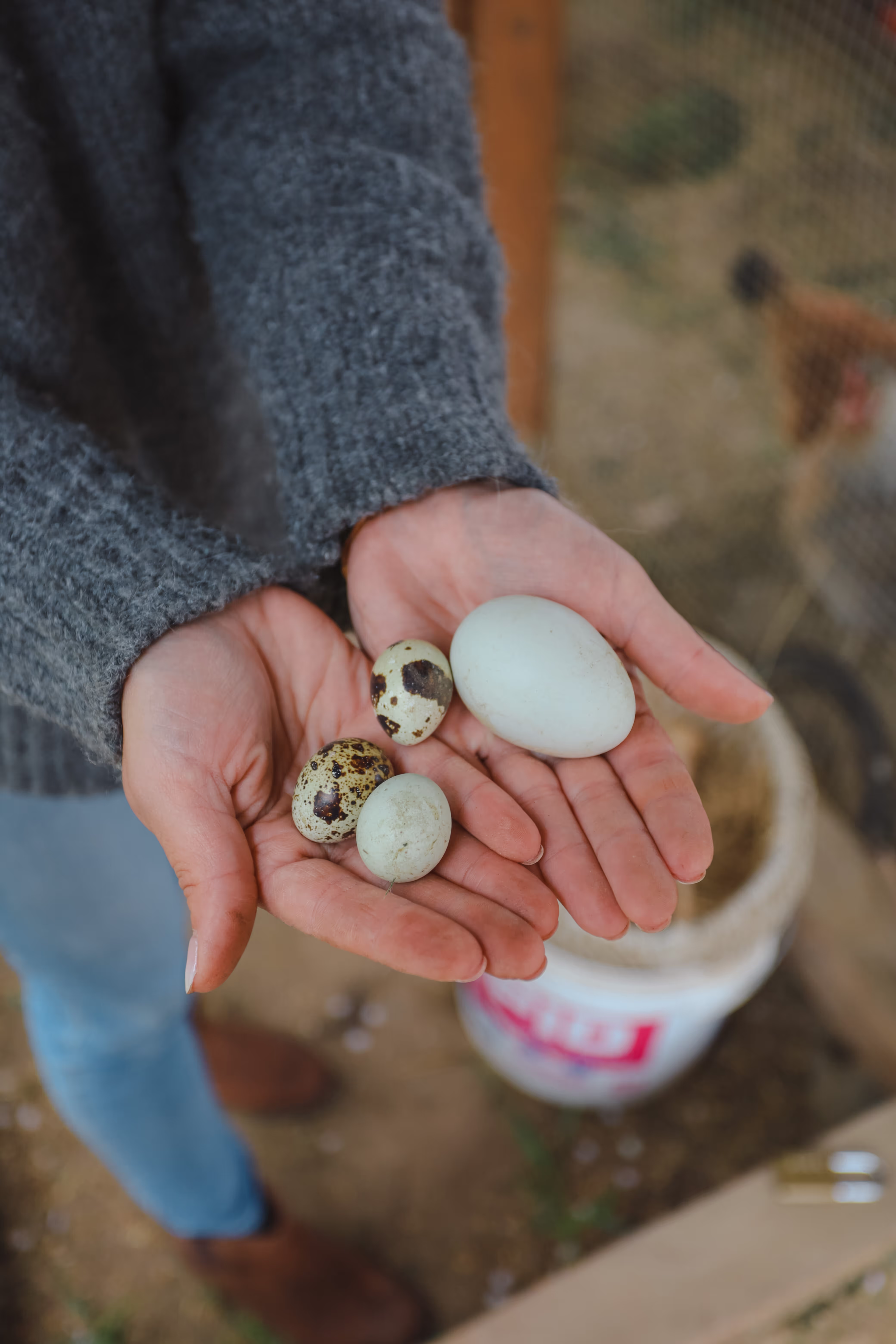
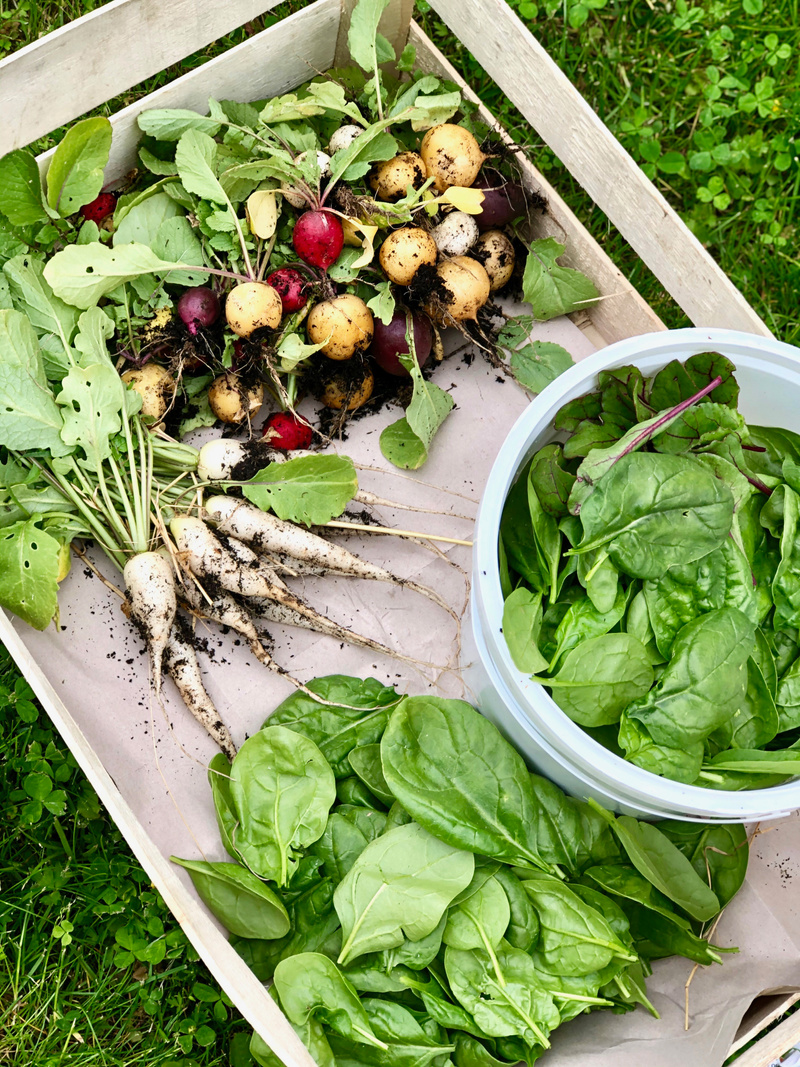
In the cottages, you’ll find plenty of Danuta and Julita’s handmade touches—don’t ask how they found time to crochet all those blankets and curtains; we have no idea. Breakfast baskets bursting with cheeses and spring greens (radishes with leaves and mini eggs stole our hearts) arrive right at your door. Each basket also includes an infusion of fresh, seasonal herbs. After a meal like that, your gut will be working like a dream. It’s worth mentioning that each cottage has its own wooden tub and hammock, but in our opinion, the sweet faces of all the farm animals, the goats pleading for their milk, and their gentle nuzzles beat any tub. Bring the kids—they’ll love it!
Lefevre Sheep Farm
Book on Slowhop%2520%25E2%2580%2594%2520kopia.jpeg)
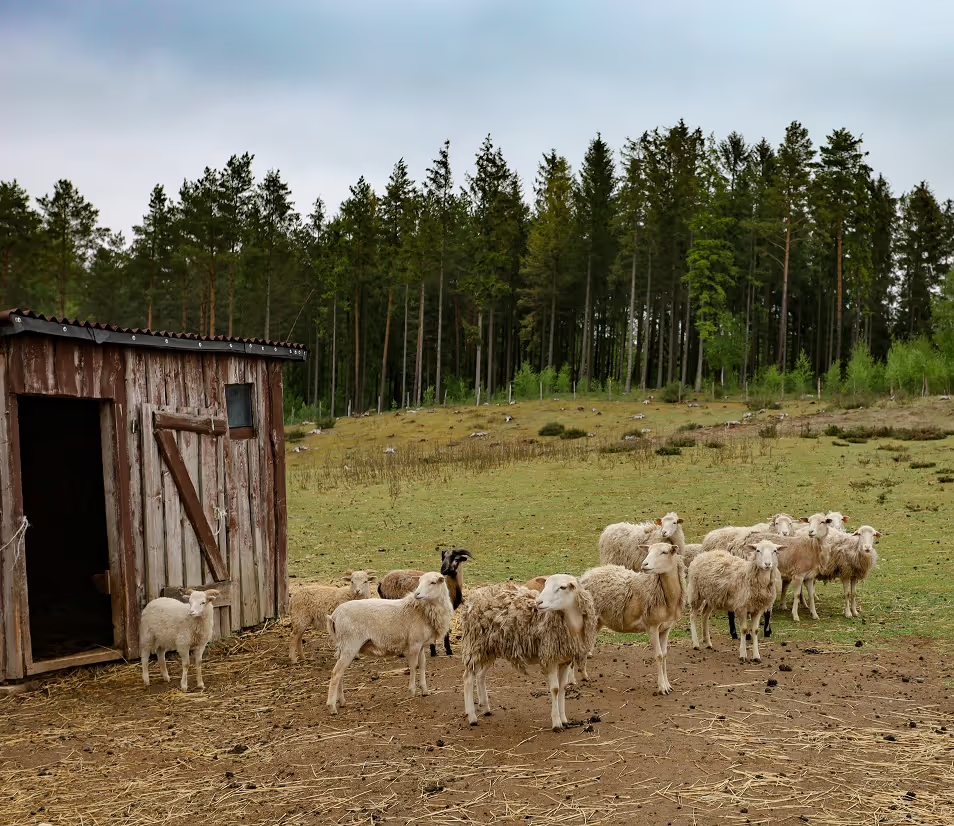
From a trip to France we might not remember the museum or that funny dog on the promenade, but one experience will stay with us: have you ever tried French Roquefort? We know it sounds like a cliché, but tasting it is a journey. Here’s even better news: you don’t need to go to France or even love Roquefort. Your heart can be won over by cheeses made in Poland’s Warmia region, following traditional French recipes. Owczarnia Lefevre was founded by Magda and Stéphane Lefevre. They moved from Paris to Kiersztanowo with their children, dogs, cats, and their “girls”—a flock of Lacaune sheep. Their sheep farm and products were quickly recognized by cheese experts, health food seekers, Francophiles, and Slowhop guests.
Which cheeses?
All 100% sheep’s milk, from sheep grazing on Warmia’s meadows. You can try fresh farmer’s cheese, Valencay-style logs, Roquefort, Saint-Marcellin, and Charolais. Remember, cheese is seasonal—the sheep give milk in spring and summer. That means fresh cheeses are available from May through September, and aged cheeses until stocks last. You’ll taste them at breakfast, dinner, and during outdoor tasting sessions.
Slowhop’s take
We recommend a visit to Lefevre Sheep Farm for blue-cheese lovers, but really for anyone. You can stay in one of two cottages—the smaller Gardener’s Cottage and the larger Fisherman’s Cottage. If you’re interested in cheese-making workshops, let the hosts know in advance.
.avif)
.avif)
.avif)
%2520%25E2%2580%2594%2520kopia.avif)
Mojęcice Palace
Book on Slowhop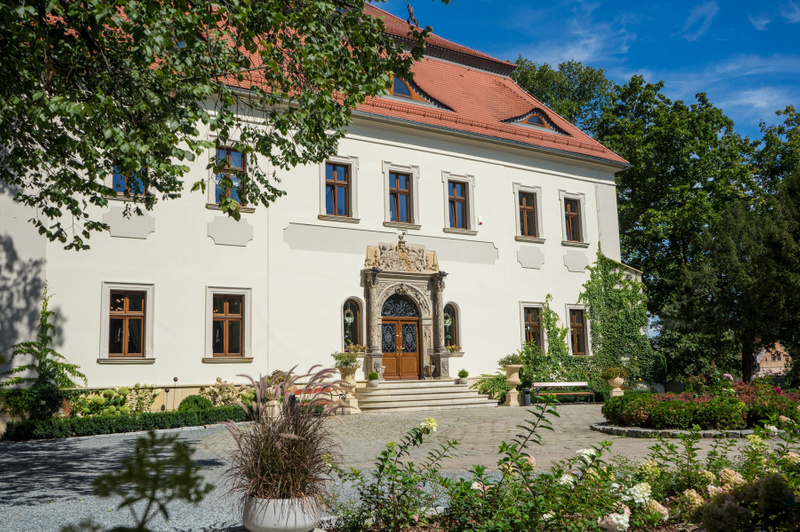
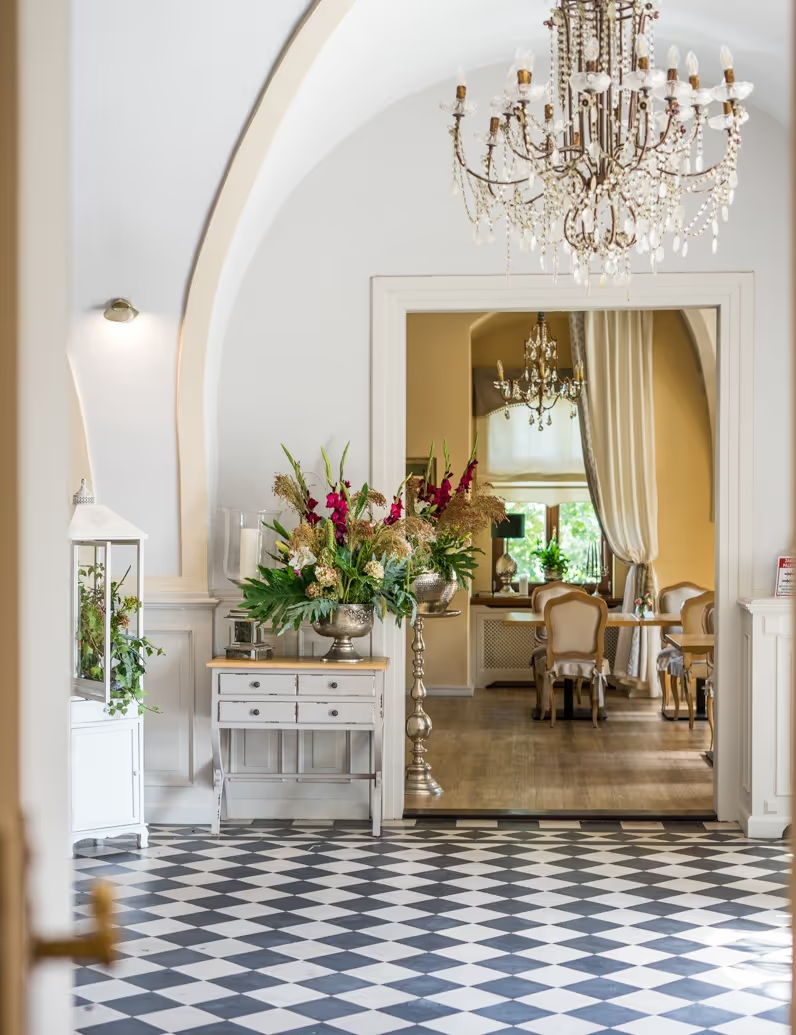
A family project by Gosia, Andrzej, and Ewelina. First they restored a 400-year-old palace, then they began growing fruits and vegetables and raising cows. And with cows and fresh milk, making cheese is a must. Besides, the chef—Marek—is a true cheese specialist. The palace restaurant relies not only on cheese but also on other on-site products such as preserves, breads, oils, butter, and cream. Look for the ‘Mojęcice cheese selection’ on the menu. Breakfast is included with your stay, and honestly—if you skip the local cheese, did you even stay?
Which cheeses?
Made from cow’s milk—the cows live next to the palace. There’s a wide range: farmer’s cheese, camembert, gouda, popielnik (ash-ripened cheese), short-aged Mojęcice cheeses with mix-ins, and long-aged Alpine, Swiss, and Italian-style cheeses.
Slowhop’s take
Mojęcice is just a 1.5-hour drive from Wrocław—a great weekend escape for city dwellers, especially those seeking good food and tranquility. PS: Marek even runs his own YouTube channel, so if you want to learn how to pull mozzarella at home, click here.
Złotna Goat Farm
Book on Slowhop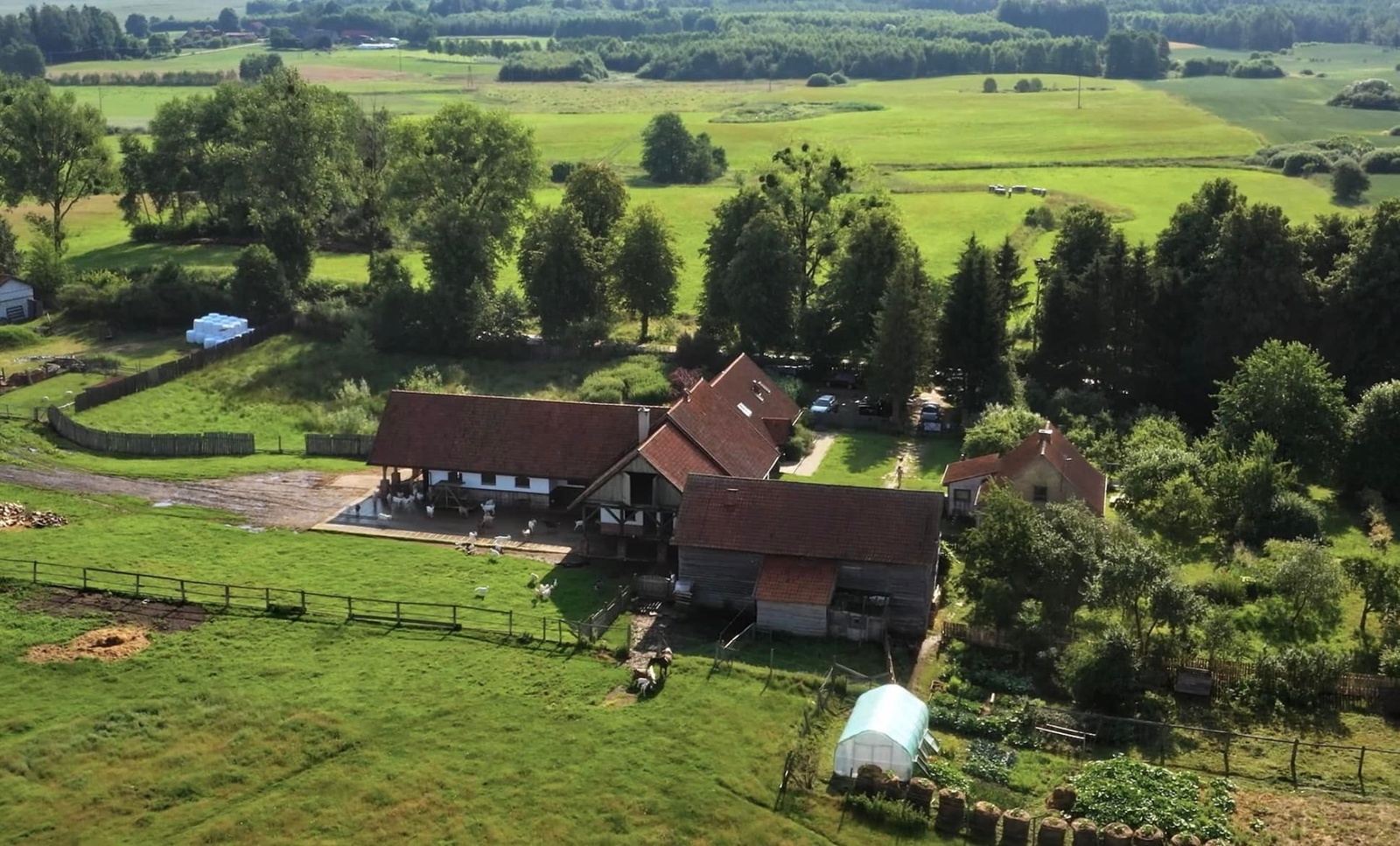
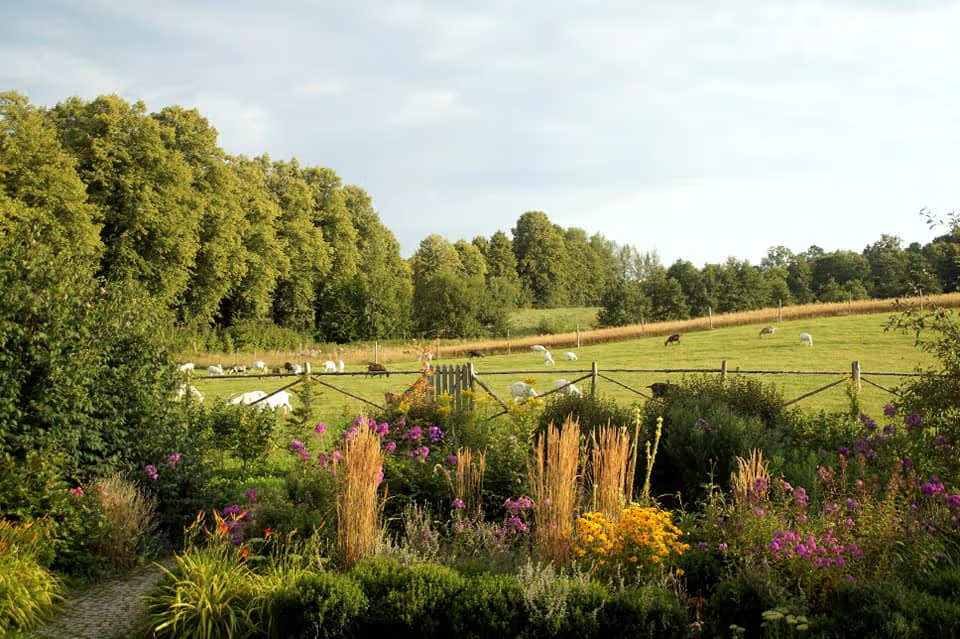
A certified organic farm. A mecca for cheese fans and a place where caring for your health is as easy as butter (and cheese). Goat milk is a true superfood—packed with vitamins D, E, B1, B2, B13, folic acid, phosphorus, potassium, selenium, and calcium. Goats are the superheroes of livestock—they’re the only farm animals that effectively filter heavy metals. You can expect great food, lots of cloven-hoofed company, and the beautiful nature of the Iława Lake District, with its crystal-clear lakes. At Złotna Goat Farm, you can pet the kids in the goat nursery, gaze over meadows and a pond, and then let your stomach enjoy on-site cheeses, juices, milk, kefir, yogurt, and jams… yes, your stomach will be busy here.
Which cheeses?
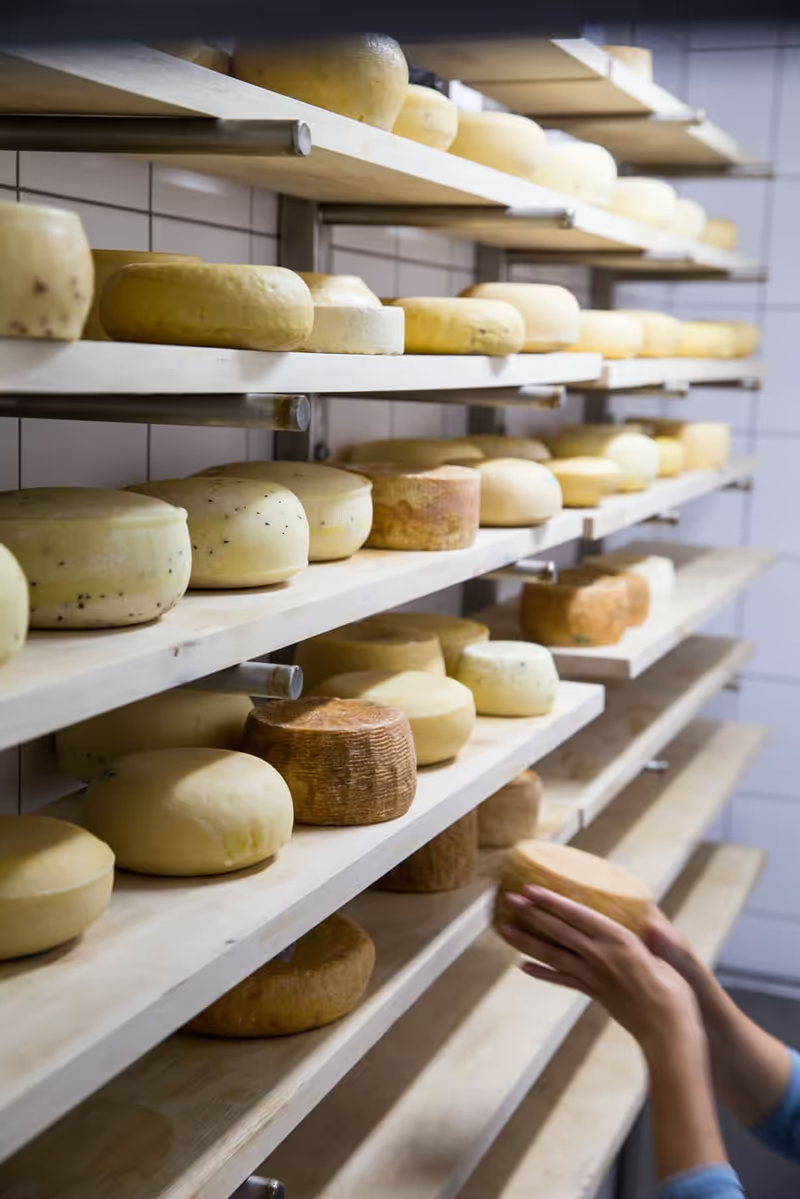
Too many to list! Here are a few examples: creamy fresh cheeses, goat ricotta, herb-infused bundz, and a hard farmer-style cheese similar to Dutch varieties. Złotna Goat Farm offers tastings, guided tours, and professional cheese-making workshops.
Slowhop’s take
The goat-to-guest ratio here is always in favor of the goats—there are at least 140 four-legged residents and only two guest rooms accommodating six people total. You can count on an intimate stay and uninterrupted time with the animals.
Kaszubskie Klimaty Homestead
Book on Slowhop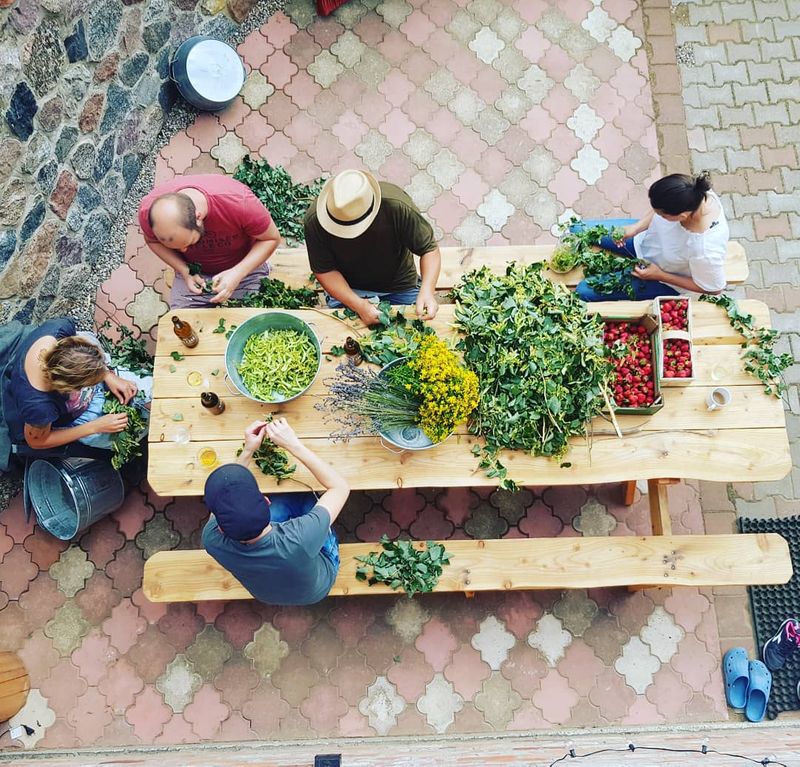
An agritourism spot where—if you wish—you can both relax and learn something new by watching the hosts’ daily routine. Want to try milking a goat? Go right ahead. Curious how cheese comes from that milk? Just head to the kitchen. Tasting happens at breakfast, which also features eggs from their own hens, fresh bread, and of course milk. After such a start, you can explore local lakes and forests. Or make soy candles with the hosts, bake bread, pet the animals, or learn to make preserves. And if you’re up for something completely different, ask Bożenka about a whey spa. Whey is a byproduct of cheese making—one with incredible health benefits. Your hands, feet, and face will thank you for the unusual spa treatment.
Which cheeses?
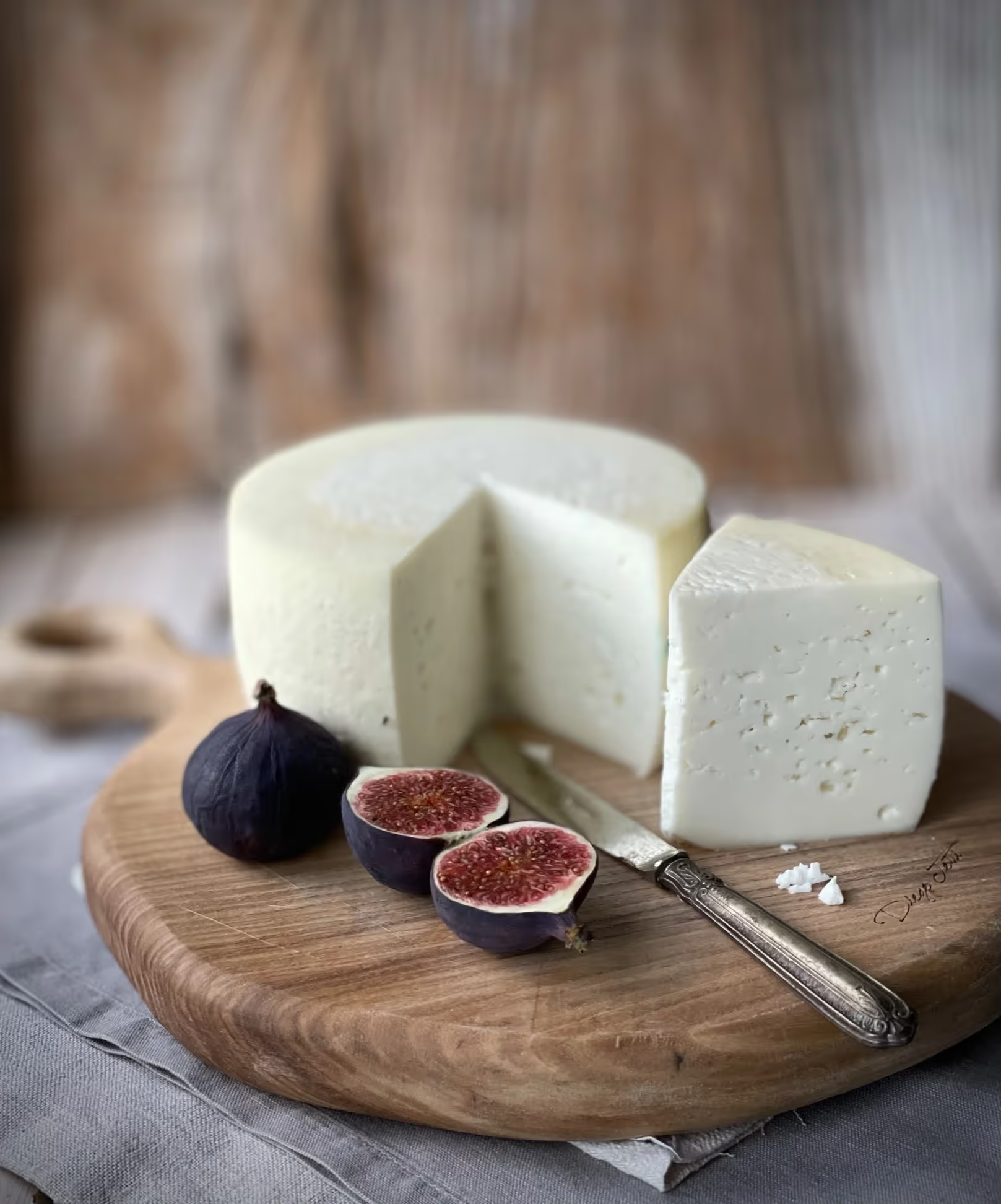
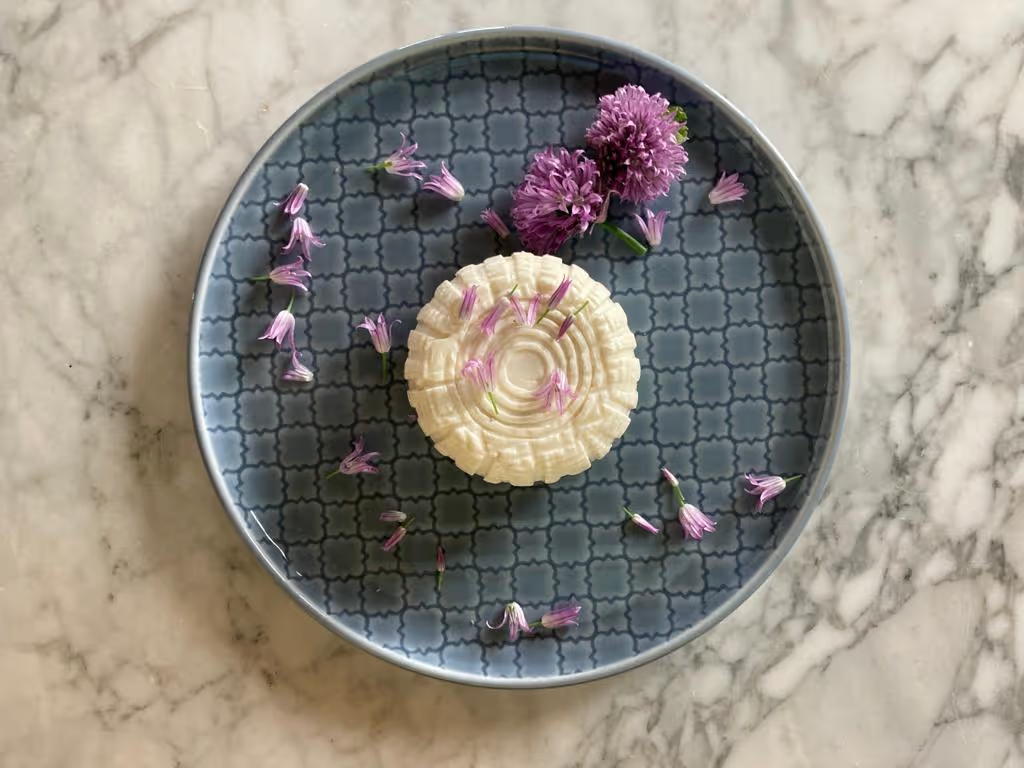
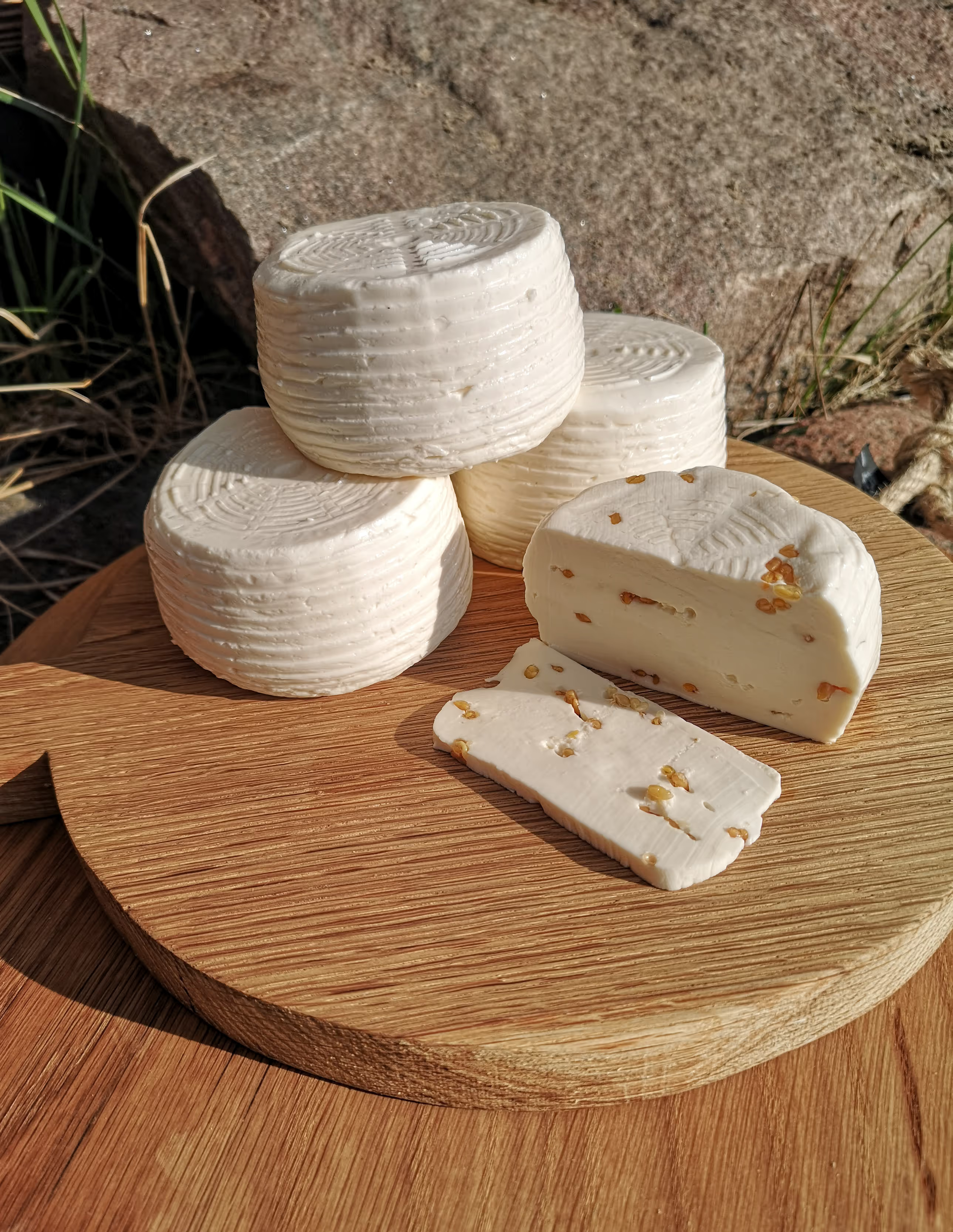
Goat cheeses reign here, made from milk from their own herd. You’ll try rennet cheeses with mix-ins like nigella seeds or fenugreek, and a melted cheese seasoned with turmeric. The homestead’s specialty is farmer’s cheese served as small balls with capers. Cheeses are available year-round.
Slowhop’s take
To the question “Do you want to try the drink of the gods?” we answer without hesitation: yes. No, it’s not wine but something super healthy that quenches thirst on hot days. You might already guess what it is.
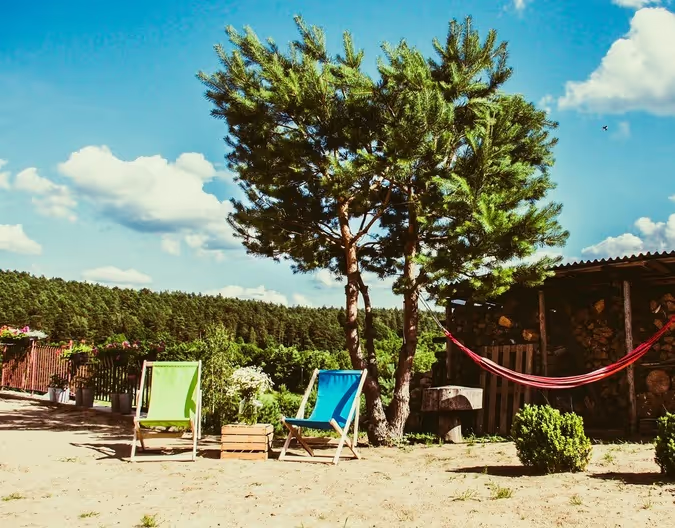
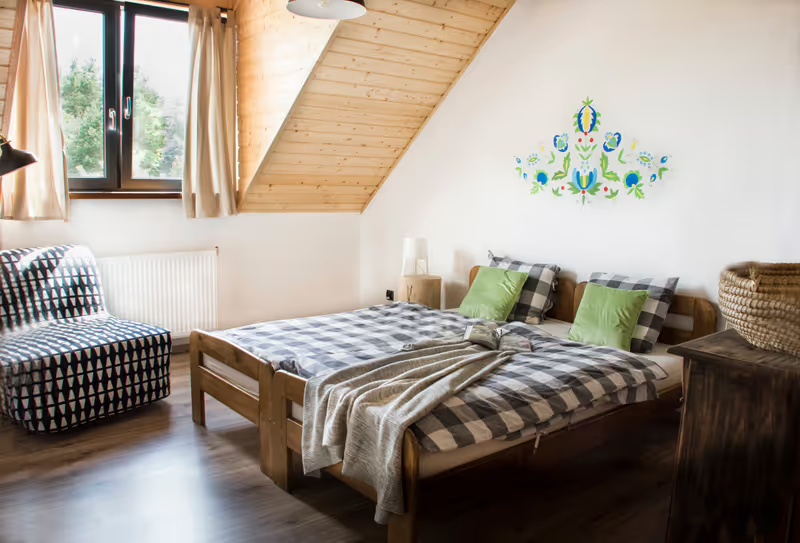
Sanna Manor & Vineyard
Book on Slowhop-min.jpeg)
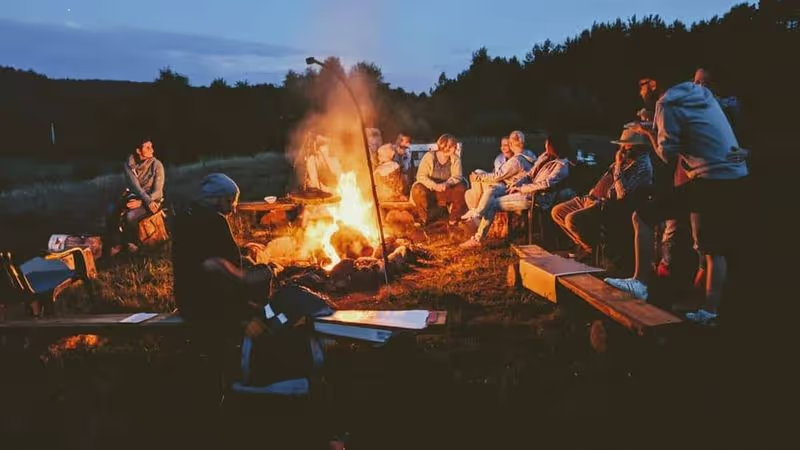
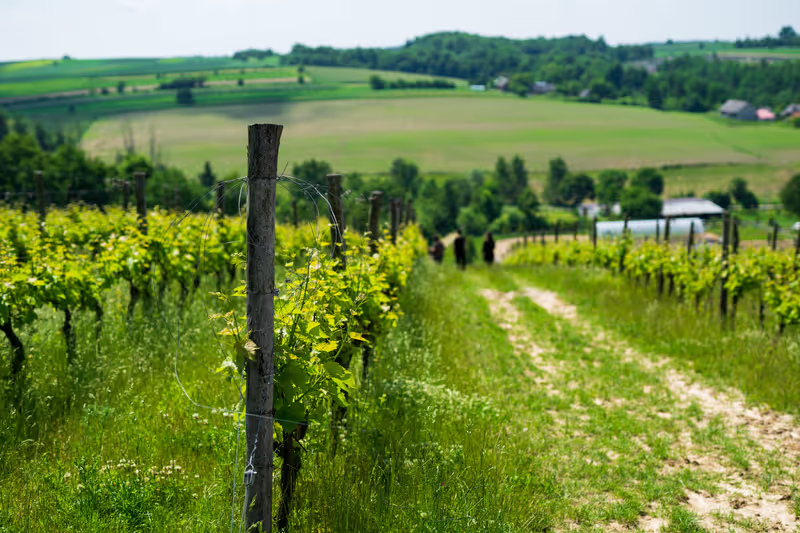
Representing eastern Poland is Sanna Manor & Vineyard. If you needed a reason to visit Roztocze, here it is. They go all out for cheese—and food in general. Next to the manor, you’ll find cows, sheep, and goats, which means a wide cheese selection. Beyond that, you’ll enjoy fresh butter and yogurt, products from the manor’s smokehouse, fresh trout from the on-site pond, vegetables and fruits straight from the garden, and homemade preserves. Wash it down with Solaris or Seyval Blanc wine. A true food lover’s paradise! Roztocze boasts the most sunny days in Poland, and the area is crisscrossed by cycling and hiking trails, passing lakes, nature reserves, and gorges. Hard to find a reason not to go.
Which cheeses?
Aged varieties like gouda and cheddar, mold-ripened cheeses, ash-ripened fresh cheeses, acid-set cheeses with herbs, and farmer’s cheese. Cheeses are available year-round. On-site you can tour the vineyard, the cheese dairy, and the farm. The three-hour walk includes wine and cheese tastings.
Slowhop’s take
Our hearts warm at the thought of delicious cheeses paired with eco-friendly wines. And a tip for hedonists: there’s a Finnish sauna and a hot tub.
Chrosiówka Agritourism & Cottage
Book on Slowhop.jpeg)
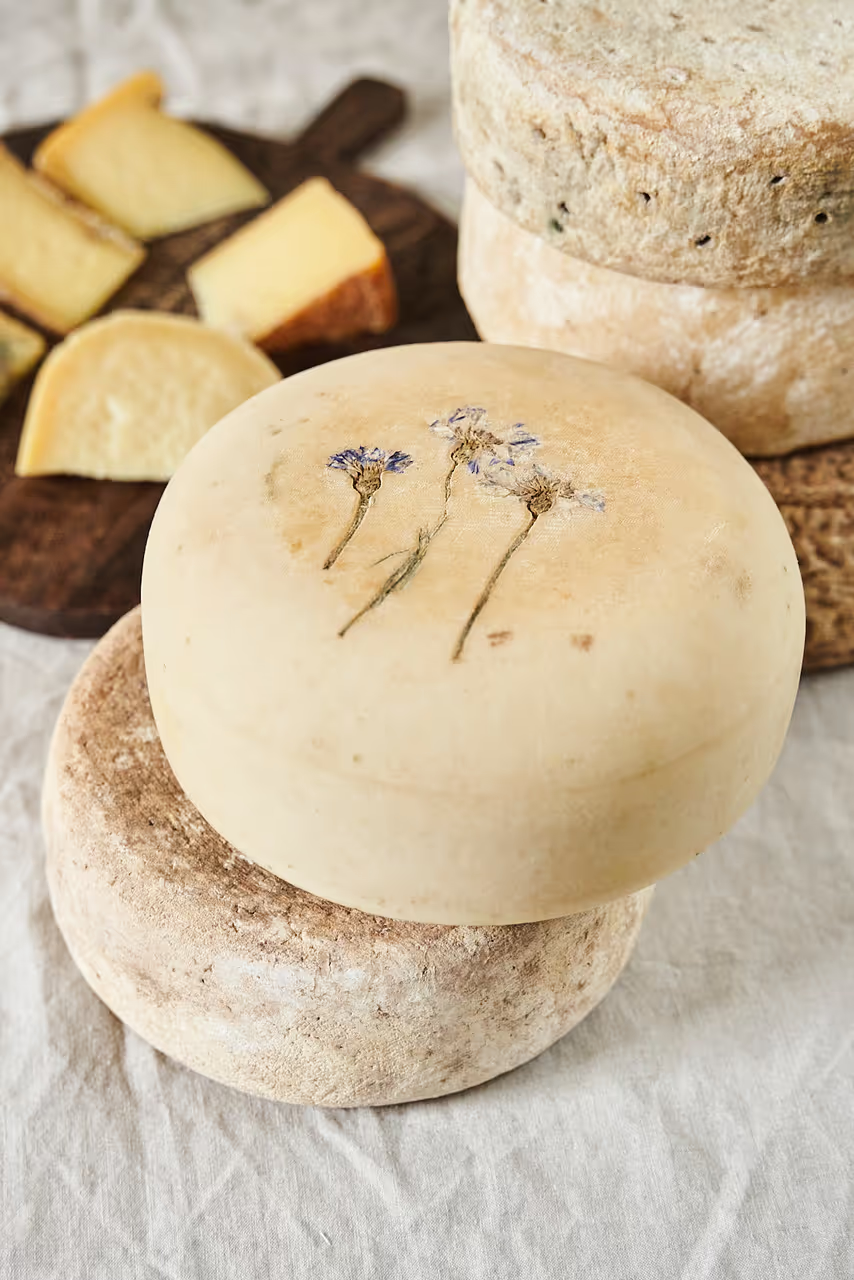
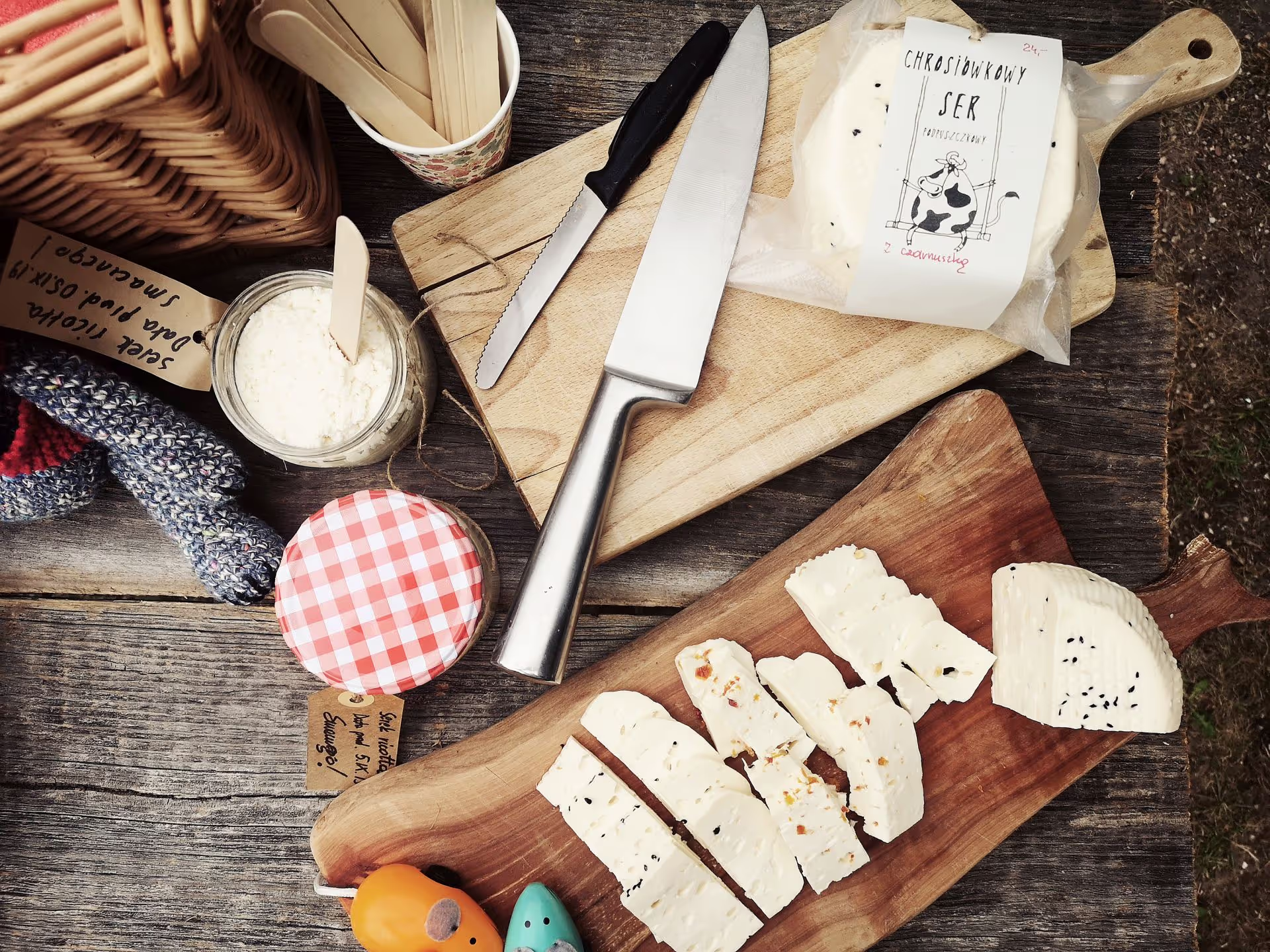
And now something as cozy and warm as homemade slippers. Chrosiówka Agritourism and Chrosiówka Cottage are two neighboring spots run by Asia (known as Chrosia) and Wojtek. In the exotically named Zełwągi, in Masuria, they offer rooms on the farm. Nearby (but not right next door—don’t worry, no developer sprawl here) stands a private cottage for exclusive hire. At both places, you’ll get to taste very small-batch goods made by Chrosia and Wojtek. They started with rennet cheeses and dove in like a hot knife through butter. They may not be making butter yet, but their cheeses, sourdough bread, apple cider vinegar, and beer are top-notch. Don’t take our word—check the reviews.
Which cheeses?
Made from fresh milk from neighbor’s cows. For three-quarters of the year, the cows graze outdoors, so the milk is exceptional. You’ll taste koryciński-style cheeses (short-aged rennet cheeses) with fenugreek, nigella seeds, sun-dried tomatoes, or plain—available year-round. In spring, if you’re lucky, you can also try gouda or cheddar.
Slowhop’s take
Perhaps the best recommendation is that when we asked Asia for photos of their cheeses, she replied: “Listen, they’re all sold out—only one left.”
.avif)
Makówka
Book on Slowhop-min.jpeg)
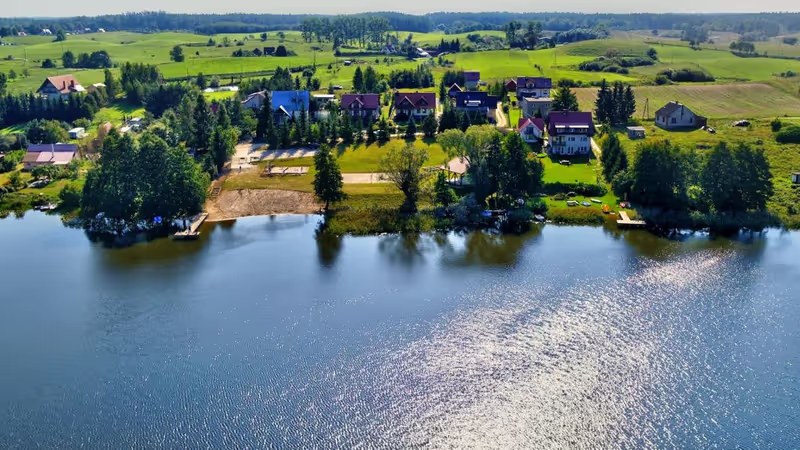
Time to head to Masovia. Here you’ll find a small cabin near Ania and Andrzej’s farm. If you’re dreaming of a quiet weekend away from crowds and noise with a partner or friend, good food, views of forests and meadows, and the occasional goat, come here. You can also bring a tent, invite a couple more people, and have a laid-back barbecue among the fields, starring goat oscypek. Note: Makówka is perfect for an offline getaway—guests say their eyes naturally drift from their phones to the goats, and in the morning instead of staring at a screen you find yourself scanning the trees for a moose. From spring through autumn, you can enjoy the vegetable garden and herb patch and buy Ania and Andrzej’s homemade cheeses, milk, yogurt, and eggs from their hens. Everything you need for people and animals.
Which cheeses?
The healthiest of choices: goat cheeses. Specifically, you can try farm-style feta, goat oscypek, farmer’s cheese, balls in grape seed oil, and cheeses flavored with fenugreek, cranberry, garlic, chili, or sun-dried tomatoes. Expect cheeses from April through October.
Slowhop’s take
This spot is the answer for Warsaw and Łódź residents wondering, “Do we really have to go far for these cheeses?” You don’t. It’s just a 1.5-hour drive from Warsaw and about 2 hours from Łódź. You can also take a train to Dobieszyn station—just let Ania know in advance and she’ll pick you up.
.avif)
.avif)
.avif)
.avif)
Want more getaway ideas for food lovers?