Apitourism
It usually starts the same way. When the temperature climbs to around 10°C, the bees head out on their first spring flight. They stretch their wings, tour the area for half an hour, but above all they’re off to… you know, take their first dump of the season. The poor things have been holding it in all winter. Don’t worry, this isn’t going to be an article about excretion.
Maybe bees don’t seem like an appealing topic at first, but give us a chance! We weren’t sure either, then we dove in like butter and pretty quickly stopped seeing pollinators only through the lens of honey and stingers. Try reading our fun facts, and see if you catch the buzz.
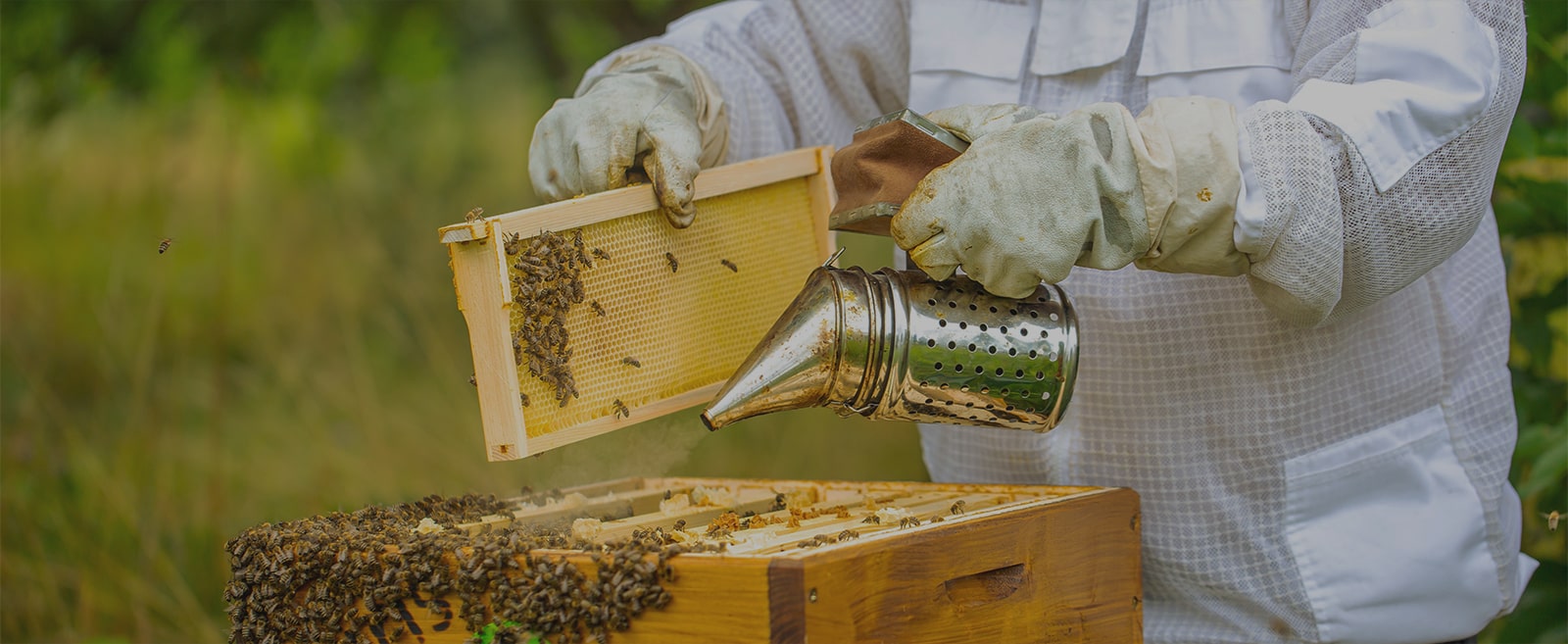
What is apitourism? It’s a form of travel that includes various bee-related activities. These can be workshops using beekeeping products, educational lectures and talks about bees’ lives, their role in the ecosystem, or how an apiary is run; observing work in the apiary; or apitherapy, which taps into the healing properties of bee products.
Today we invite you on our first flight over Polish and international spots offering bee-focused experiences. Although apitourism is just taking off in Poland, we already have places and Hosts on Slowhop who not only appreciate bees but have turned them into well-deserved celebrities.
Ready? Let’s get started!
P.S. Want to help pollinators but aren’t sure how? Check out this e-book, created by Somersby, the Bee Must Be Foundation, and with a little help from us. Inside, you’ll find concrete tips on creating a pollinator-friendly green haven — even if you live in the city and only have a windowsill to work with.
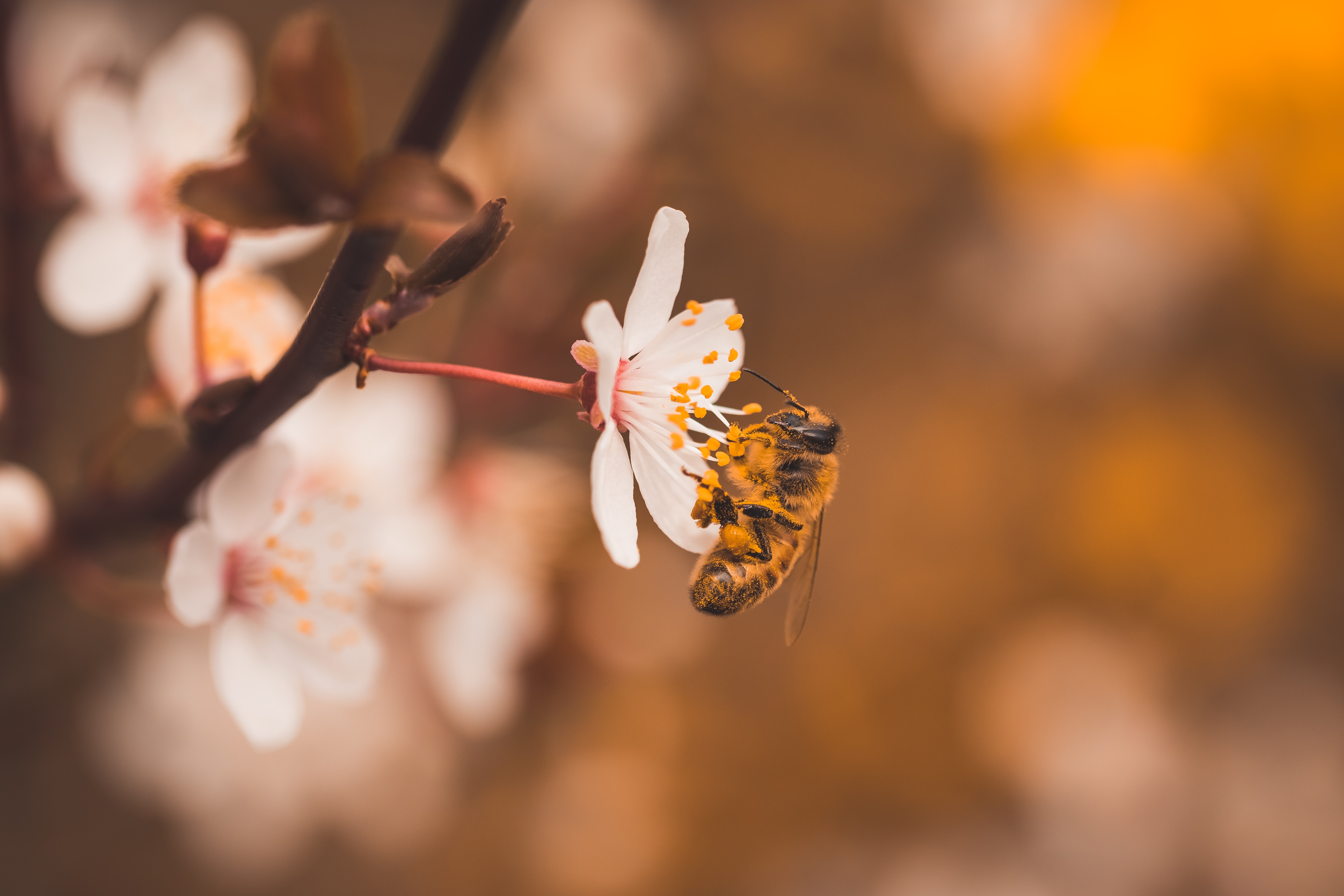
- Every third spoonful of food we eat exists thanks to bees. In Europe alone, over 4,000 vegetable varieties depend on pollination.
- A small teaspoon of honey is the work of up to seven bees hustling away as foragers. Imagine how many of them had to work to fill that one-liter jar of honey on your table?
- Bees use a repeated series of movements to share information about food sources and their distance from the hive (the waggle dance). It was Karl von Frisch who cracked the bees’ “dance,” earning him the 1973 Nobel Prize in Medicine.
- Stephen Buchmann, a professor who has studied bees for 40 years, believes these insects not only communicate with each other but are self-aware, recognize human faces, and feel and express complex emotions.
- There are over 20,000 bee species worldwide, and honey bees make up less than 1%. Wild bees don’t produce honey but are exceptional pollinators — they can work in harsher weather and pollinate a much wider range of plants than honey bees. They even have fun names like the sun-tailed mining bee, the wool carder bee, and the hairy-footed flower bee. Unlike their famous cousins, they don’t sting, live solitary lives, and prefer short flights around familiar territory. Did you know that the fate of your tomatoes — and blueberries — depends on their work?
.avif)
.avif)
Izerski Pszczelnik
Book on Slowhop.jpg)
We’re off to a flying start — or should we say straight from the hive — because Izerski Pszczelnik is a heavyweight in apitourism in Lower Silesia, Poland. If you’ve thought about dropping everything to become a beekeeper, this is the place to start.
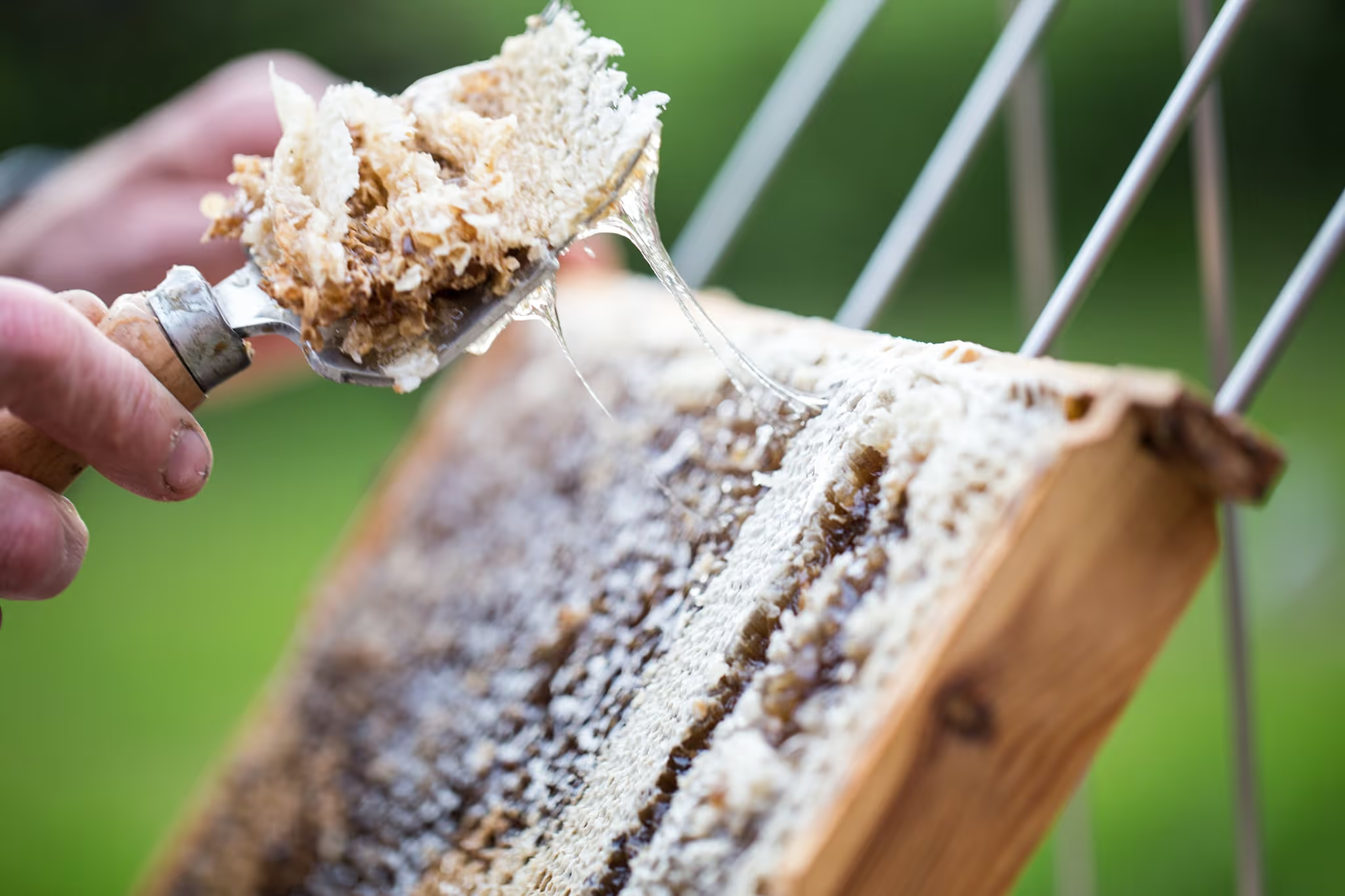
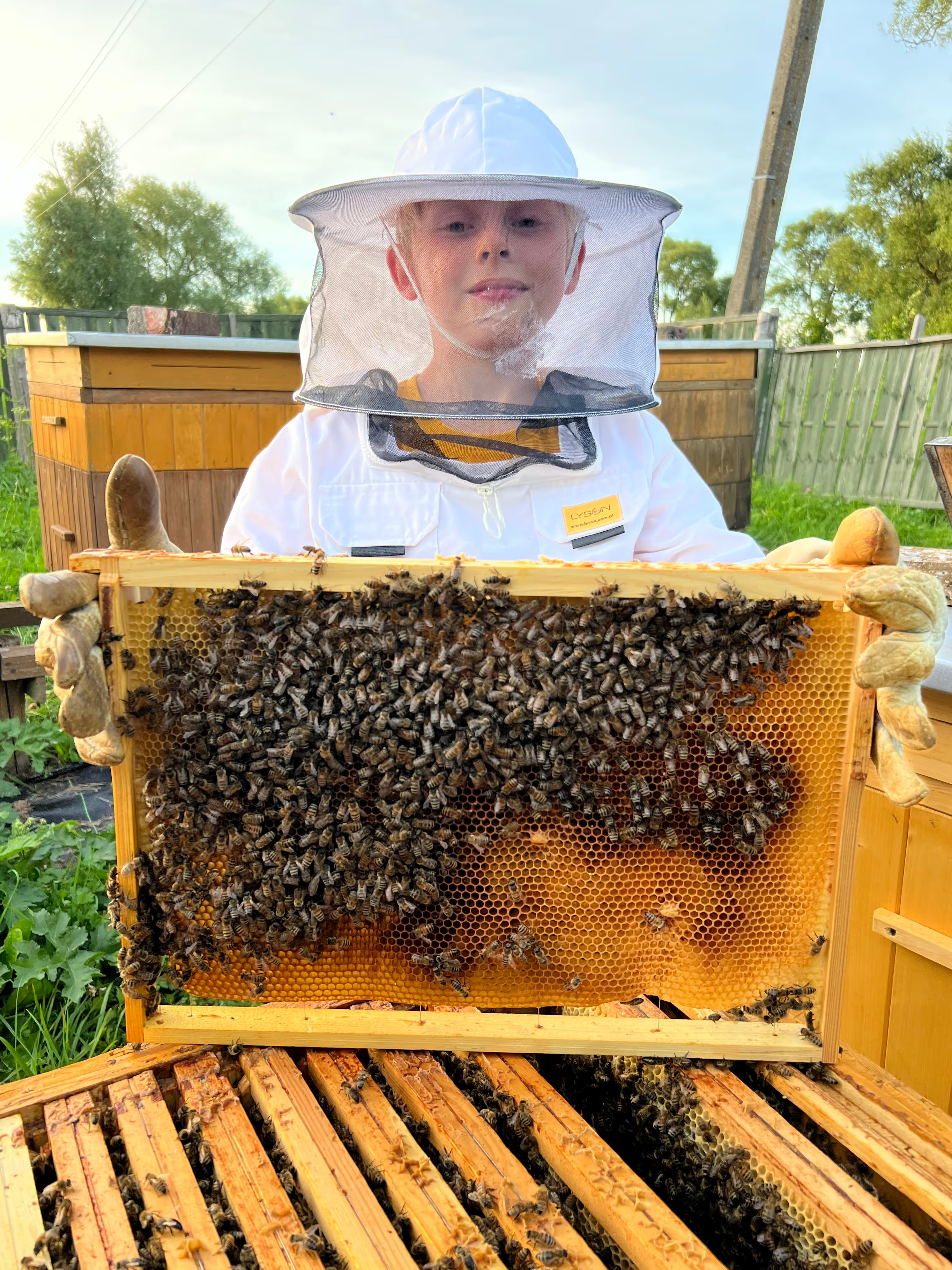
Natalia and Paweł run not only an agritourism site but a honey-rich farm on the Izerskie Foothills. They know bees inside and out — here there’s room to relax, spoon honey straight from the jar, and dive into the secrets of beekeeping. Here’s how it works: Paweł and Natalia offer a three-day beginner’s beekeeping workshop, covering hive management, breeding secrets, and the hands-on basics. There’s also a “light” version of the workshop for those simply curious about the insect world. You’ll learn to identify different bees, explore honey production, get to know beekeeping equipment, and see how a hive is built. It’s a fantastic experience for young and old explorers — something they don’t teach in school (but they should).
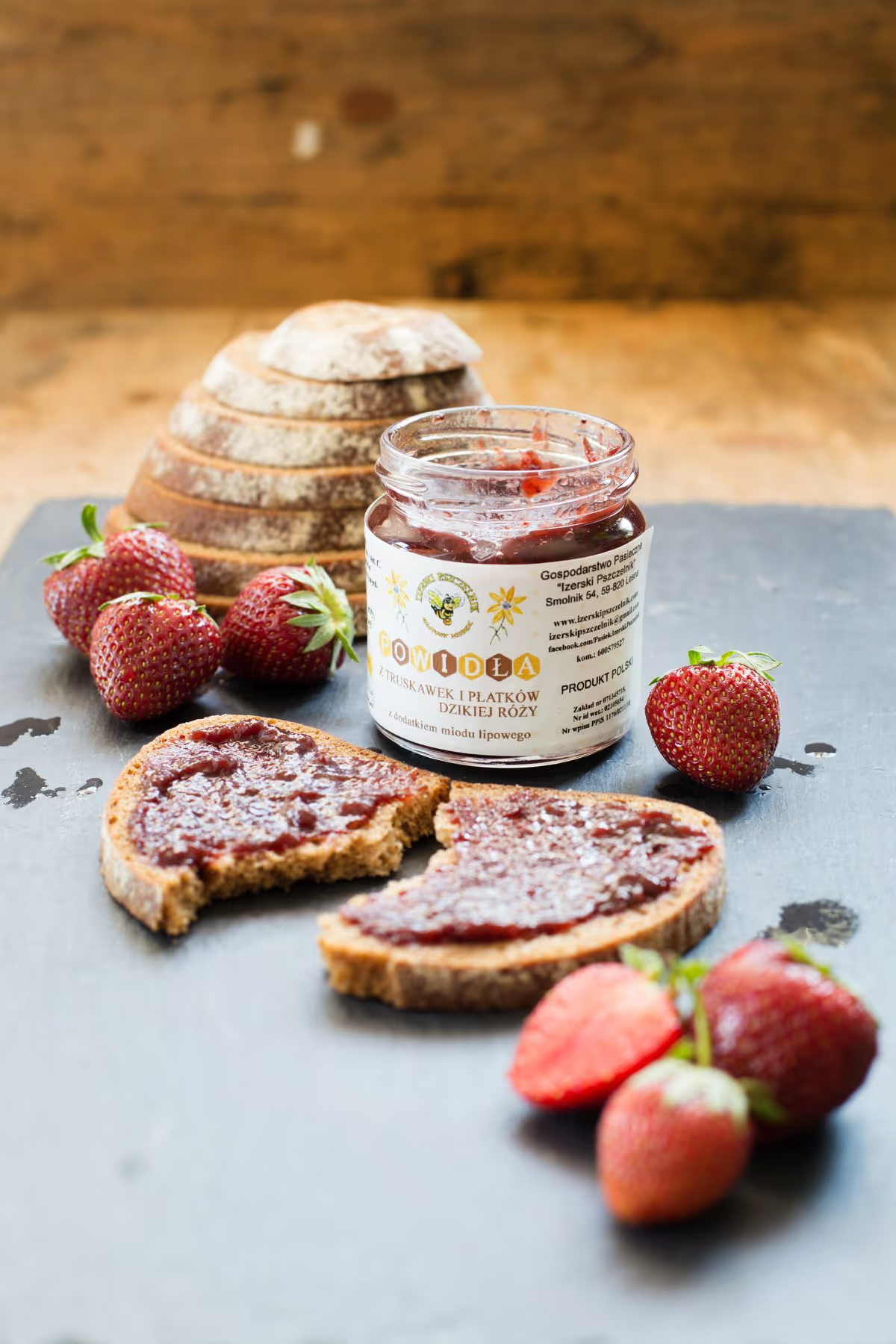
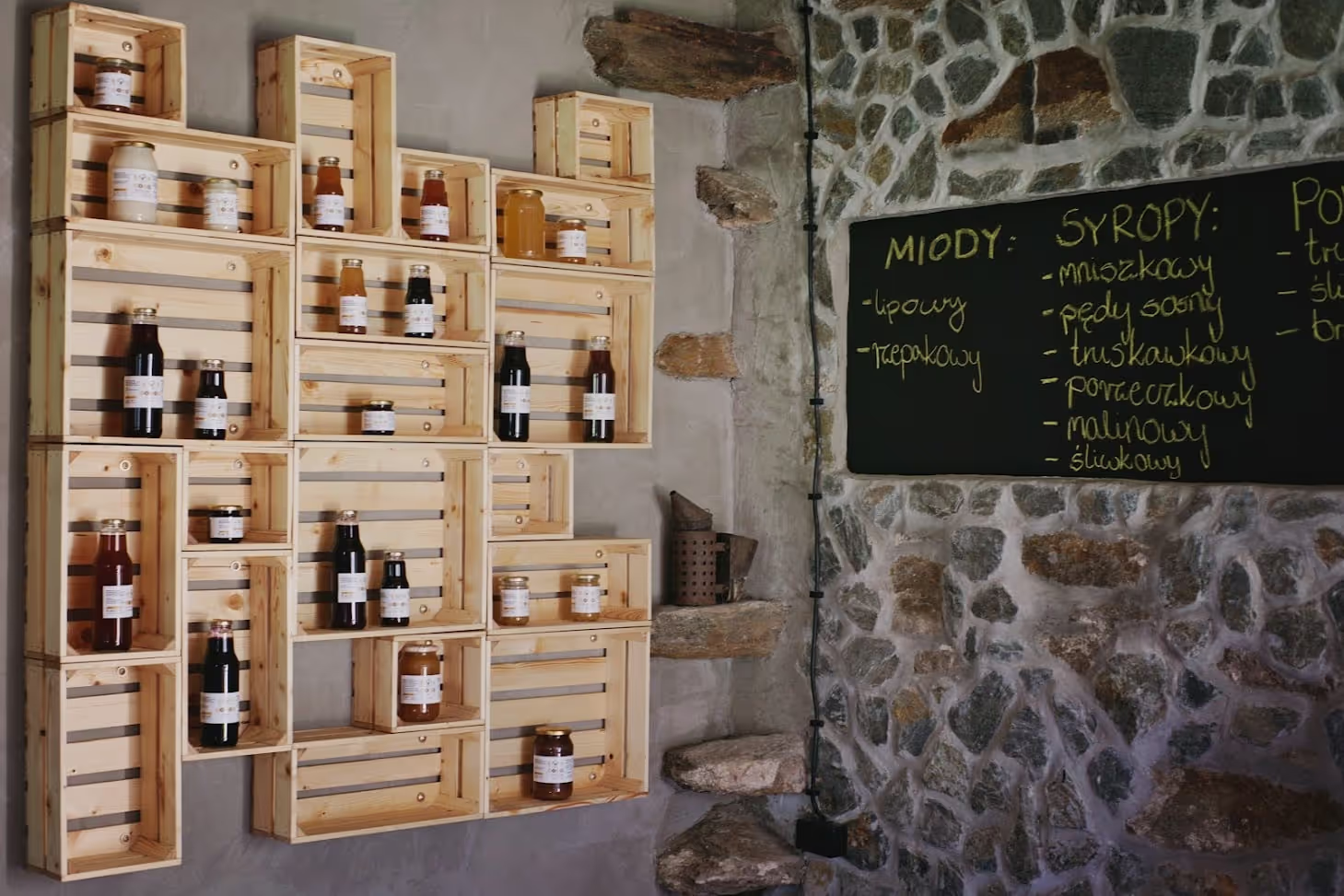
Of course, no one learns on an empty stomach. At Izerski Pszczelnik, you can taste and buy honey, herbal honeys, syrups, preserves, and other bee products. Just when you think it couldn’t get any better, mead and, seasonally, craft beer home-brewed by the Hosts will arrive at your table. Absolutely delicious.
Slowhop says:
There are three rooms available in one half of the house (the other half is the Hosts’ home), and great hiking trails, lakes, and castles are all within walking distance. We recommend picking up honey souvenirs for your friends — edible gifts that don’t take up space (unless it’s in your belly ;)) and don’t need dusting.
-min.avif)
Pasieka Podlaska Tradycja
Book on Slowhop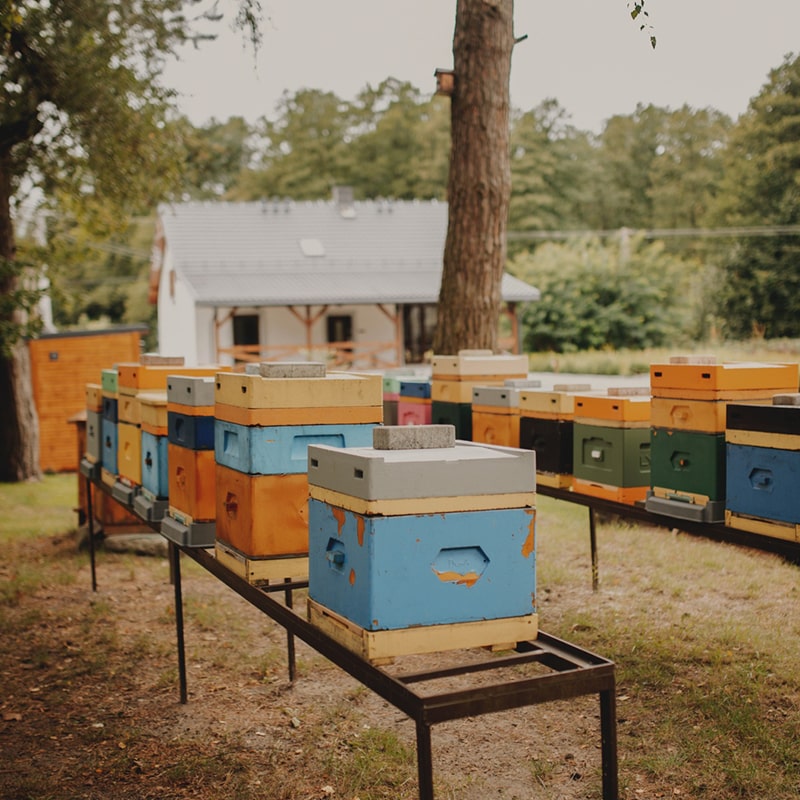
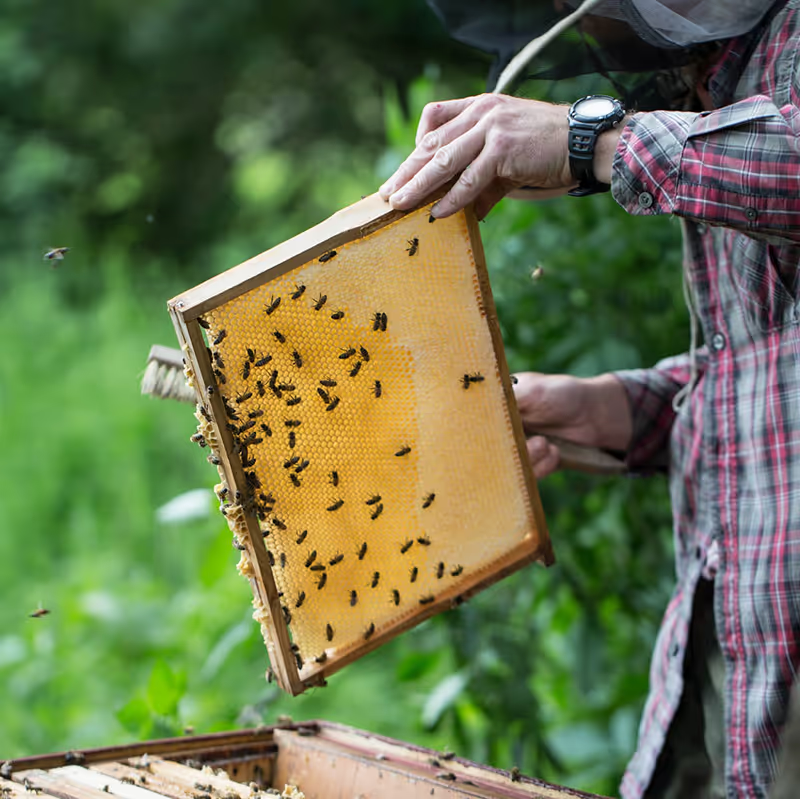
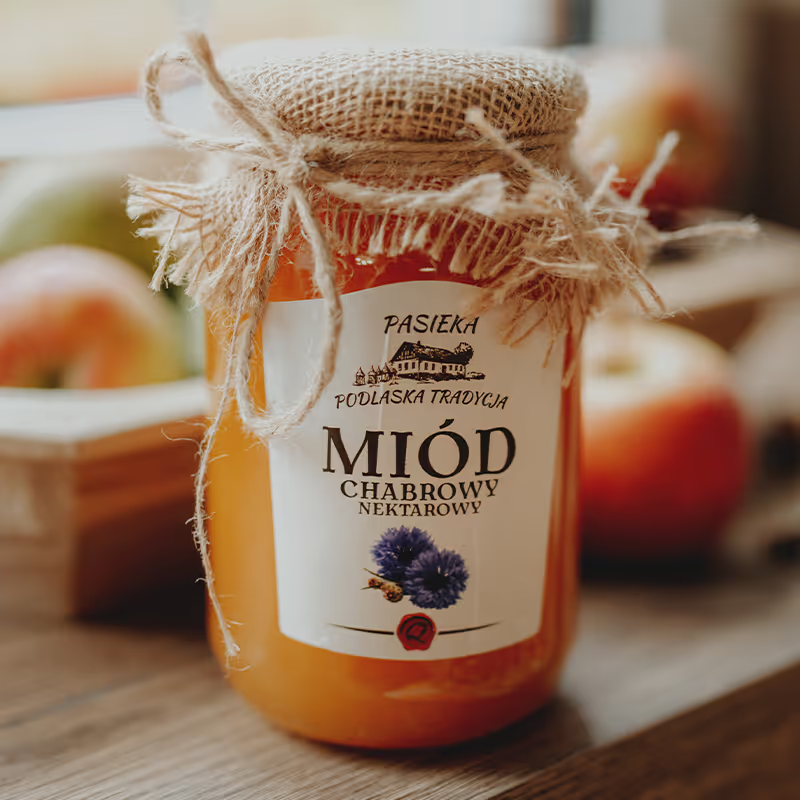
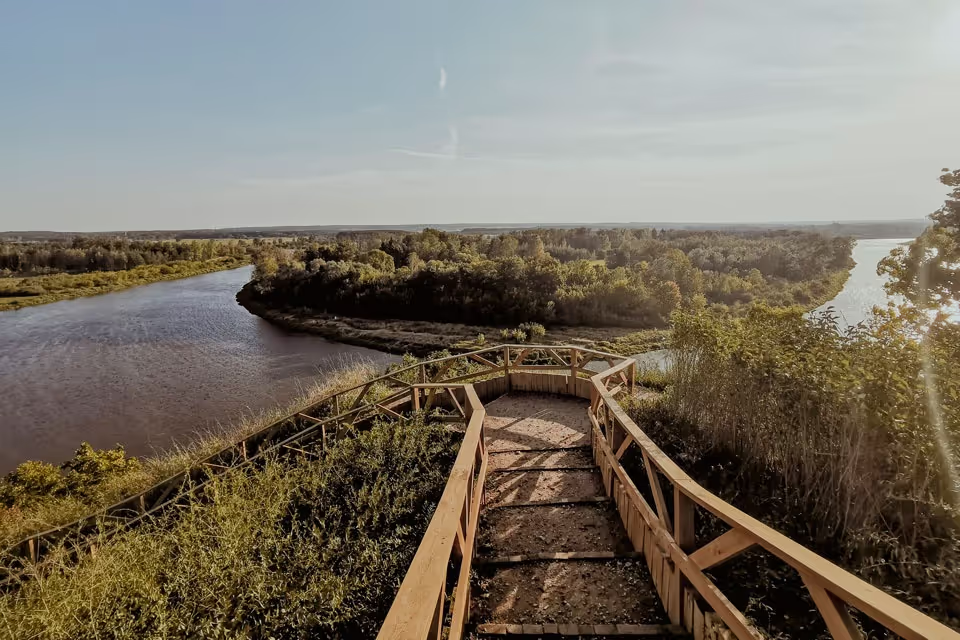
A quick flight brings us to Podlaskie, Poland, in the small riverside village of Wólka Nadbużna. If Maya the Bee could choose a summer retreat, this would likely be it. At Pasieka Podlaska Tradycja, about 200 bee families produce pure nectar honey from plants like viper's bugloss, cornflower, and pine-needle honey made from macerated pine shoots — all rare and exceptional. Have you ever tried cornflower honey? We recommend it for its strong antibiotic properties, thanks to high levels of lysozyme.
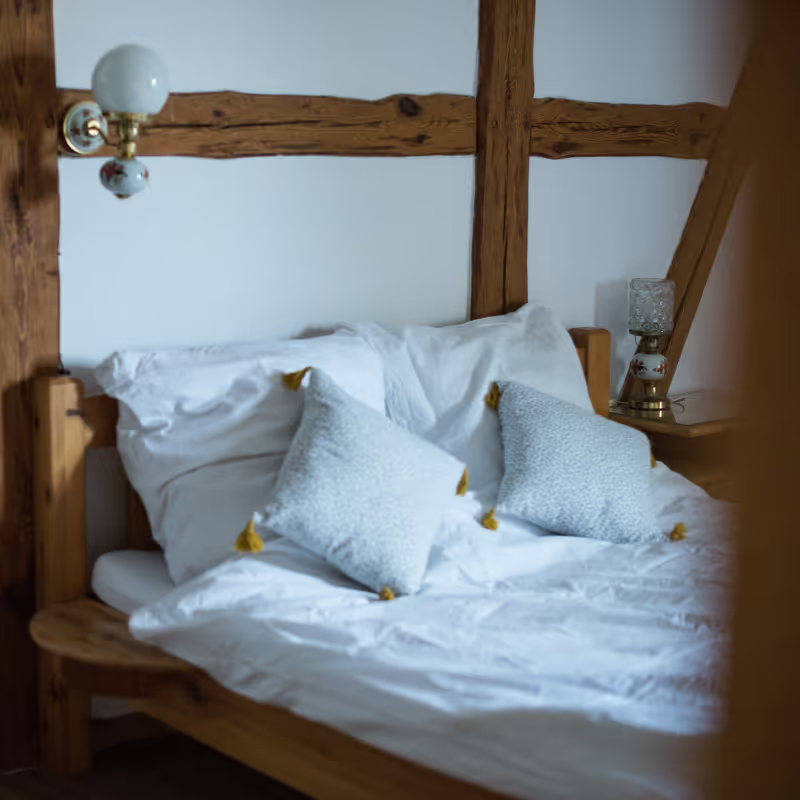
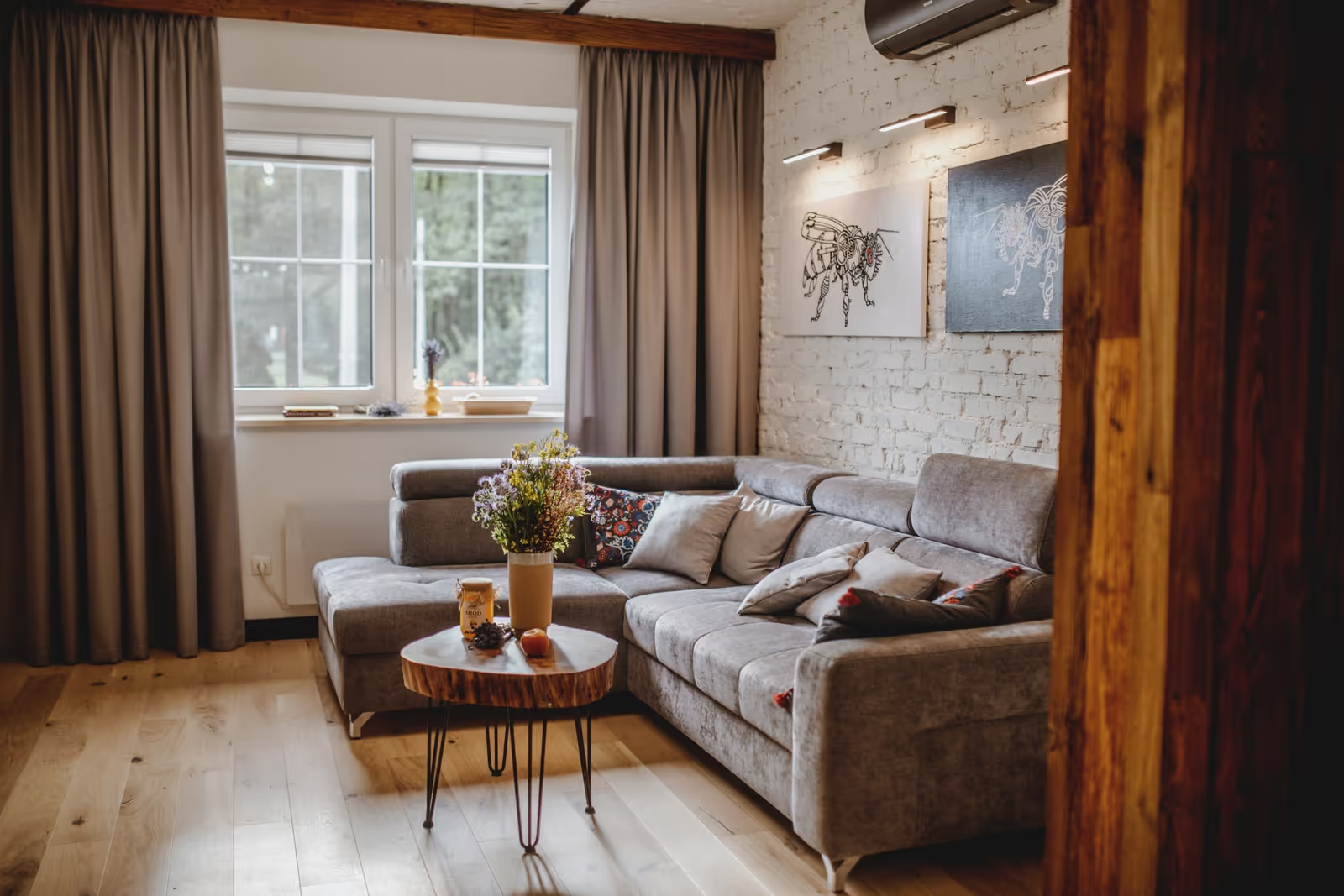
For sleeping, there’s an exclusive cottage near the apiary that comfortably hosts eight guests. You can eat honey, drink honey, sleep — and repeat. You can also join educational workshops, craft your own beeswax candle, or brew live vinegar. If you’d rather unwind, go ahead — you’re on vacation. Pasieka Podlaska Tradycja offers a special apihouse for ulotherapy. You might wonder what that is. Hive air contains over 60 volatile compounds with health benefits such as antibacterial, antifungal, and calming effects. In the apihouse, safely separated from the bees, you breathe in these healing compounds. Pure, sweet magic.
Slowhop says:
If the apihouse experience sparks your hedonistic side, you’re in luck: there’s also a Honey Spa on-site. Enjoy the sauna, jacuzzi, and honey-based treatments like sweet body and facial massages (including KOBIDO!). If you’d like to book any treatments, let the Hosts know when you reserve.
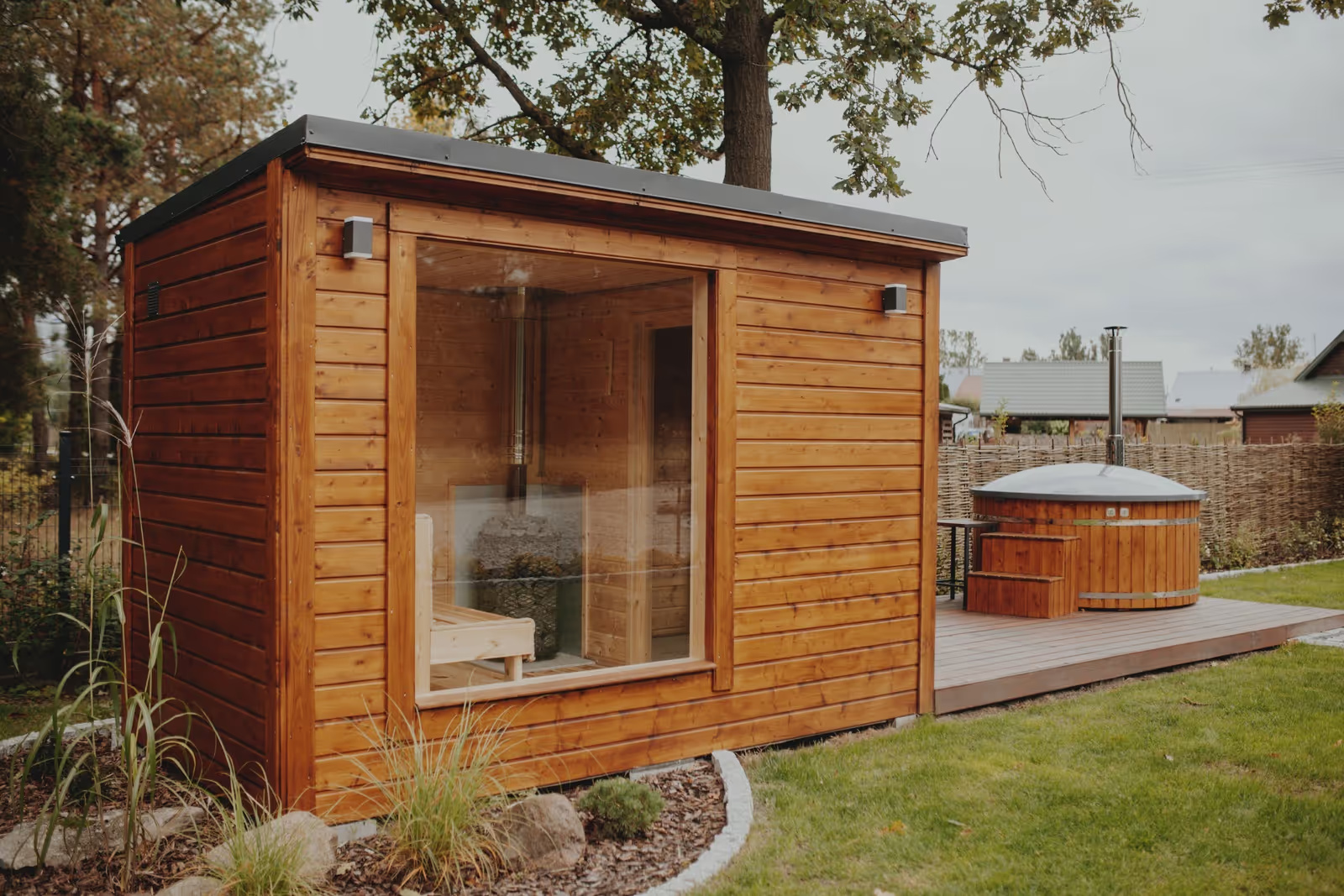
Kotowo 5
Book on Slowhop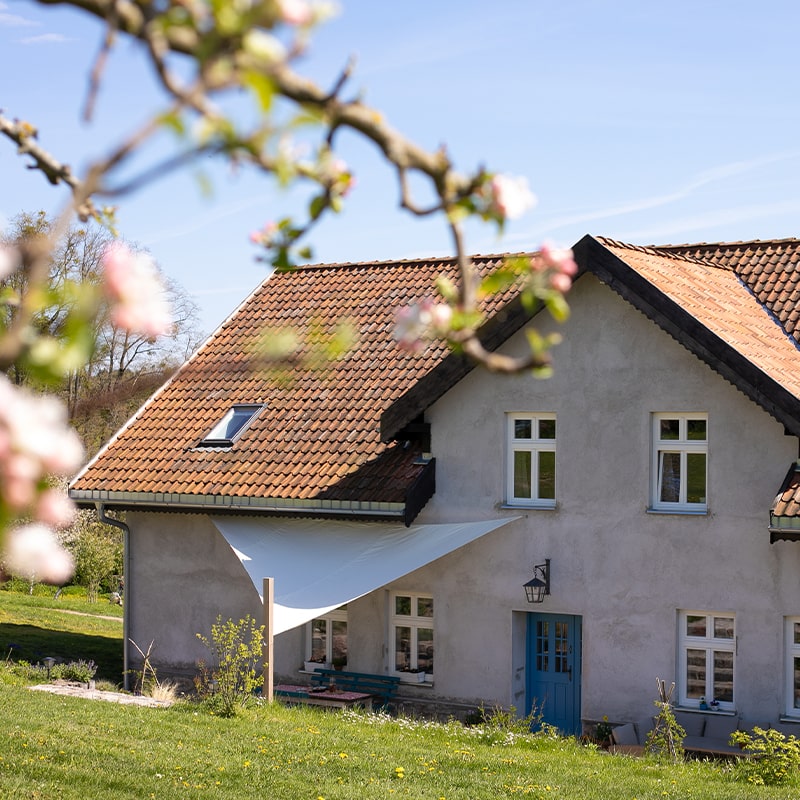
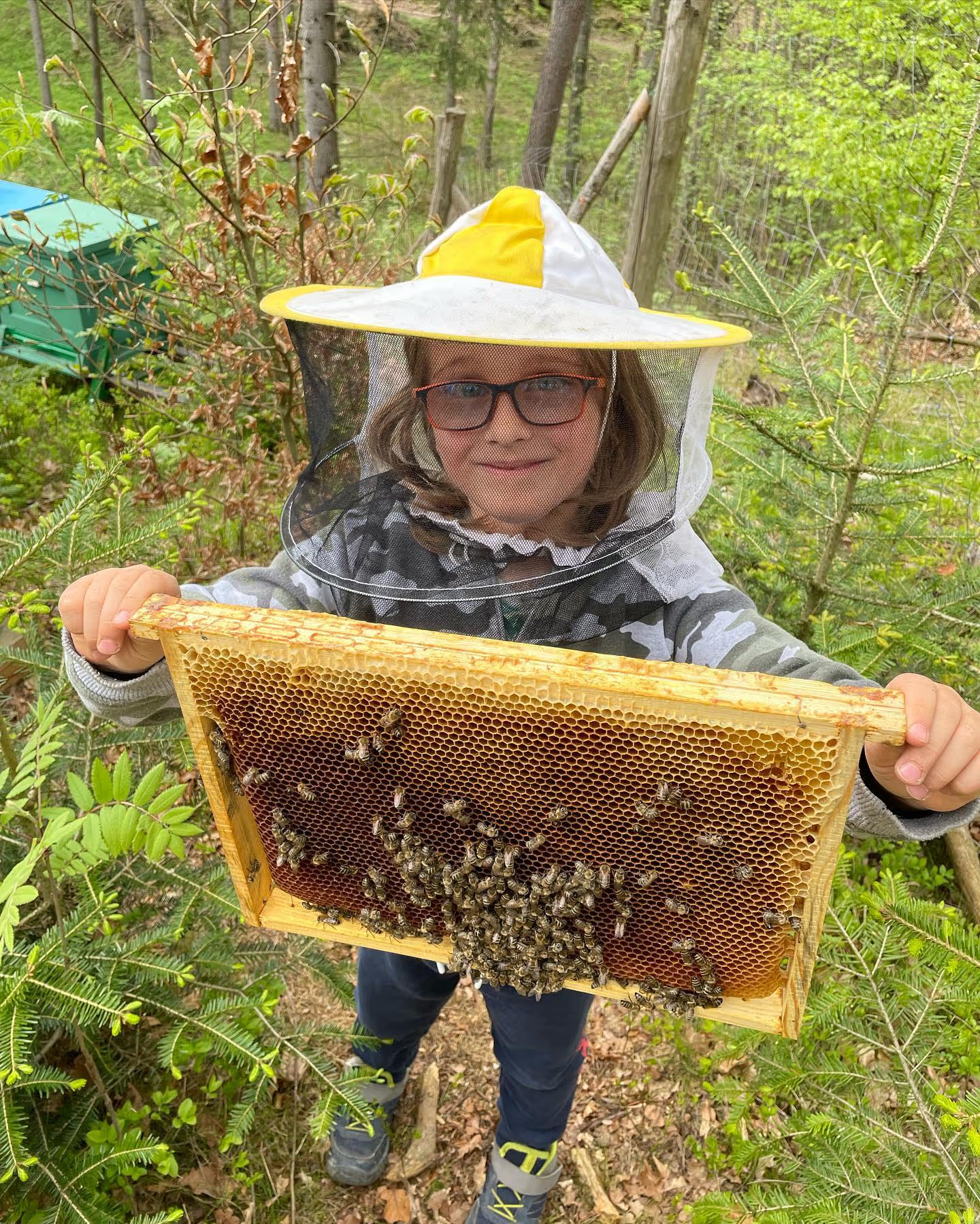
This time we’re sending sweet hugs from Kotowo, a tiny village in Warmia, Poland, with real rural charm: no shop, bus stop, or post office. Nature rewards you here with the finest honey and silence broken only by the buzz of striped insects. Paulina and Maks offer four rooms with en-suite bathrooms upstairs in their 1880s house. You stay upstairs; they’re below. On the 2.5-hectare grounds, everyone finds their spot — in the orchard, on a deckchair by the pond, or in a hammock. Leave the wildflower meadow to the bees — that’s their home. If you wish, Paulina and Maks will suit you up in bee jackets and hats to show you how to harvest honey, spin it, and, with a bit of luck, make beeswax candles together. Naturally, honey will also be on your breakfast table next to fresh bread, homemade preserves, and cold cuts— that’s where to find it.
Slowhop says:
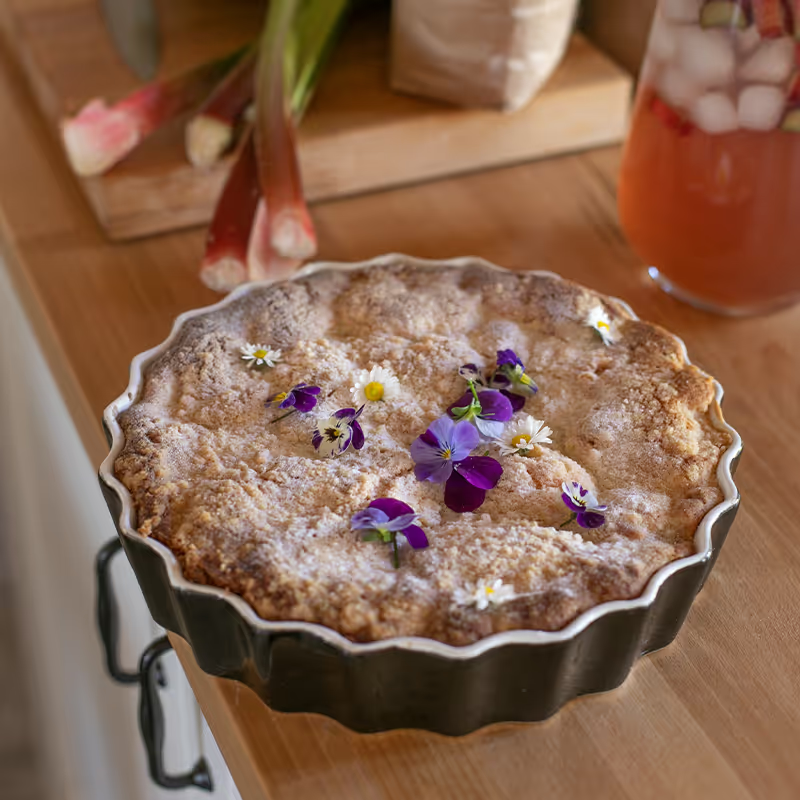
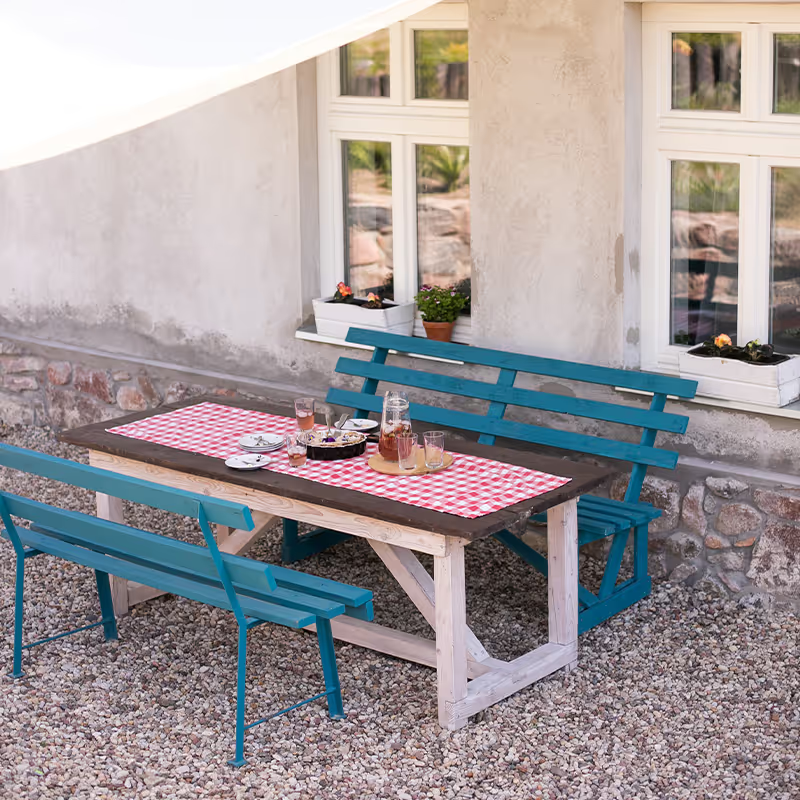
With only nine farms in the village, the Hosts make sure your stomach is well cared for so you don’t have to. Breakfast and dinner here are outstanding—see photos here.
Jaśminowe Wzgórze
Book on Slowhop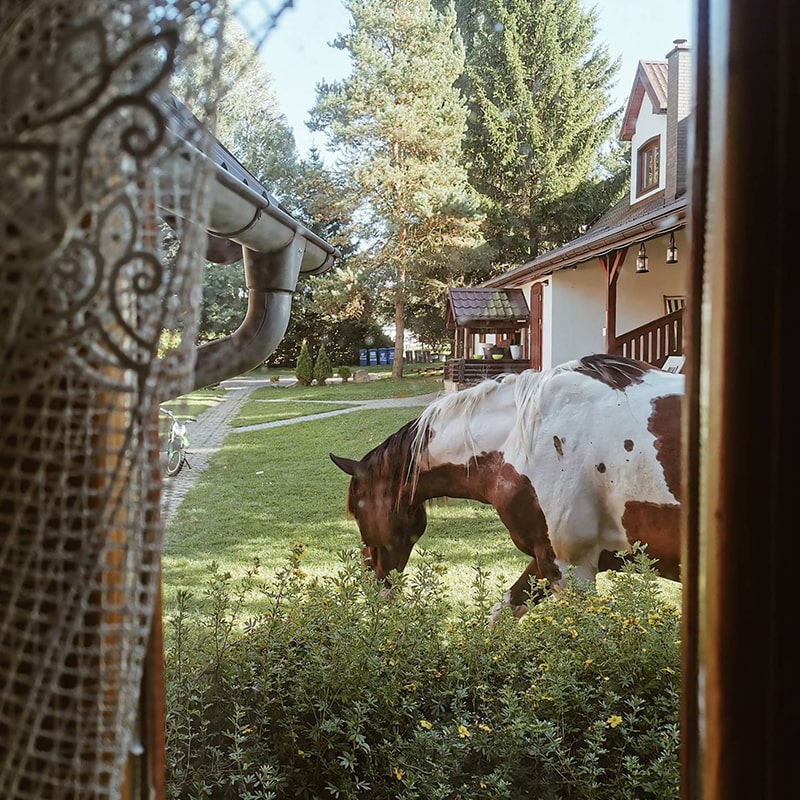
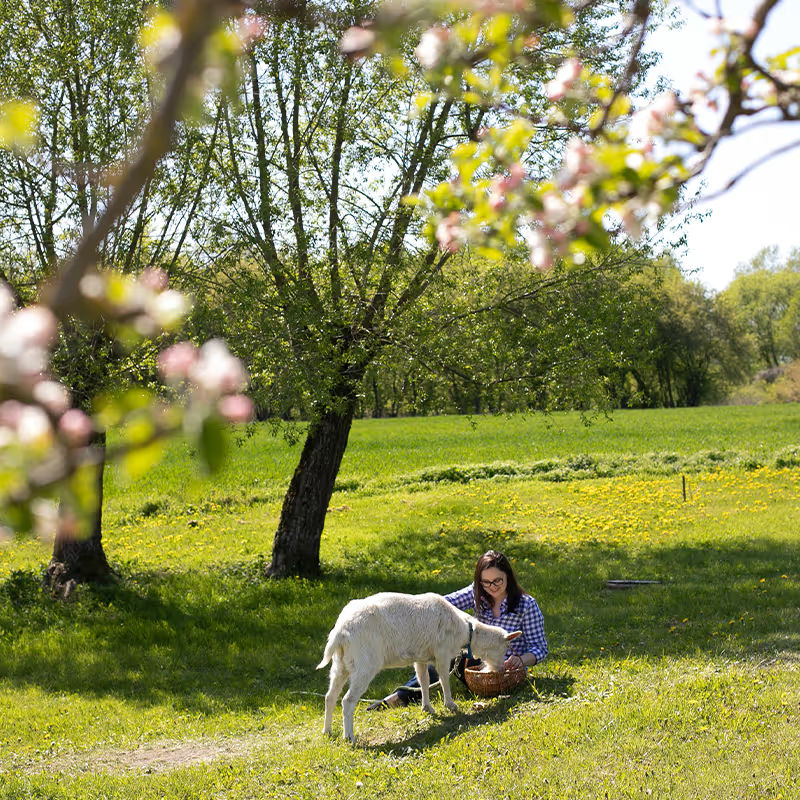
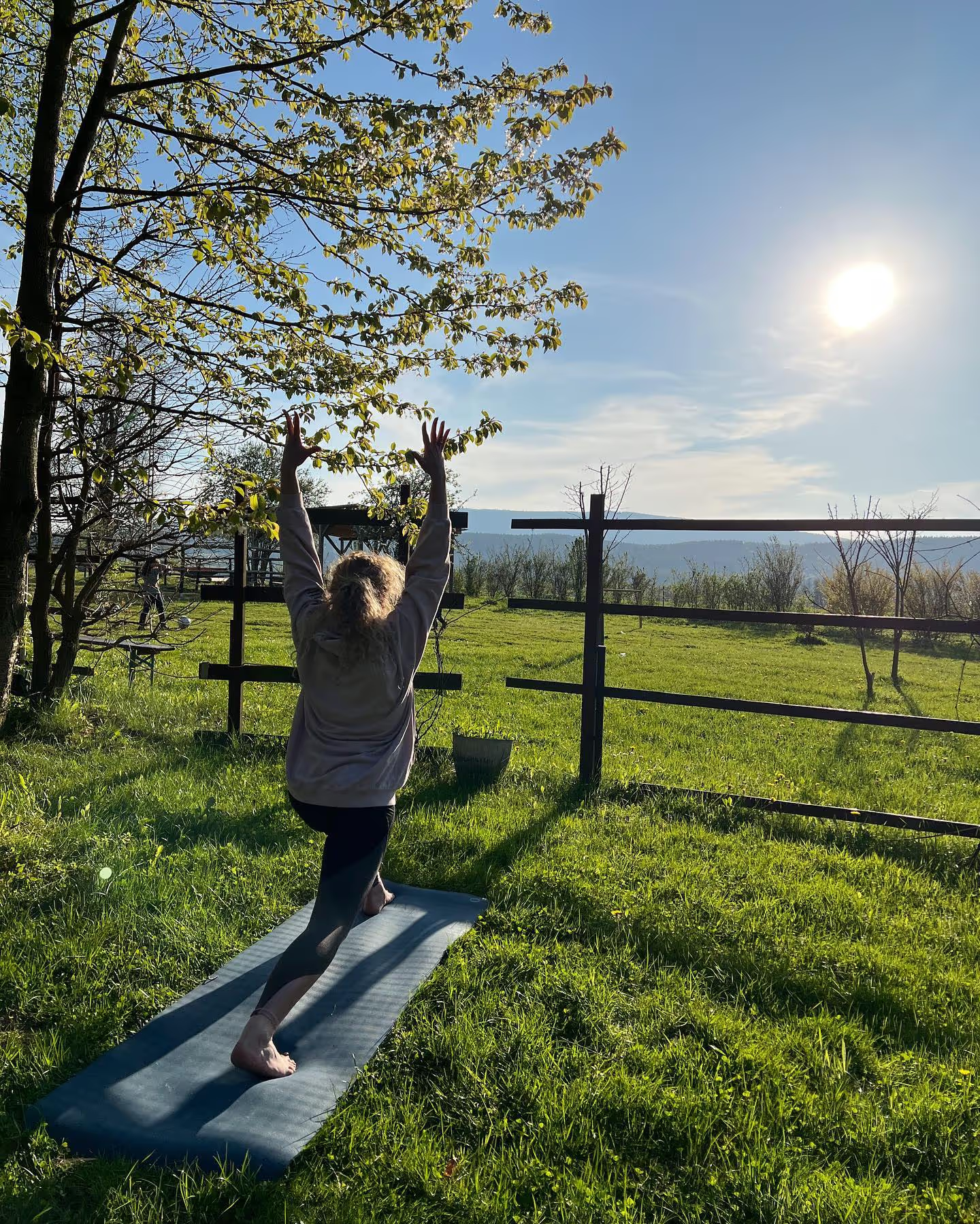
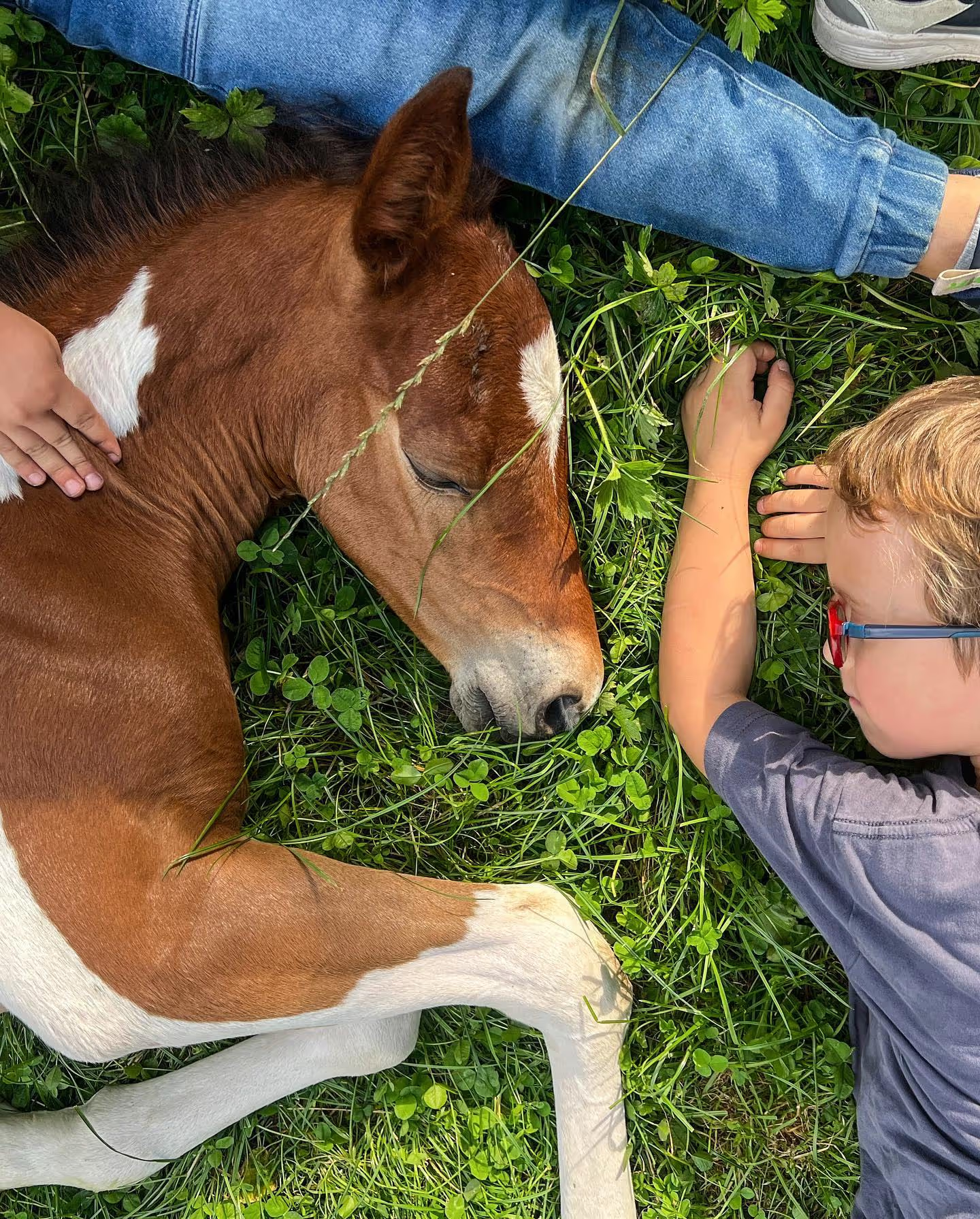
Here you’ll find kids, dogs, horses, a cat, and a happy swarm of bees. The hosts, Kasia and Wojtek of Jaśminowe Wzgórze, keep the whole gang together. She’s a yoga instructor, riding coach, and hippotherapist. He’s the dedicated “bee dad” of their small home apiary. If conditions allow, Wojtek shares his beekeeping knowledge: he’ll talk about bee life and work, explain where honey comes from, and show you the inside of a hive (no worries — they have safety suits in all sizes). With a bit of luck, you might even join a honey harvest! The season usually kicks off in late May or early June. That golden syrup sells out faster than toilet paper in a pandemic, so we can’t promise how long it will last. But here’s a tip: we’d head to Kasia and Wojtek’s place even today. Watch the horses, practice yoga, or stroll barefoot through a meadow of daisies. It’s a special spot, natural and unhurried. For a bee fun fact straight from the Kłodzko Valley, check here.
Slowhop says:
This is a great spot for groups: yoga workshops, trips with friends, or family vacations. You usually cook for yourselves, but if you have a bigger group, let Kasia and Wojtek know — they’ll arrange meals for you. Bring the kids; they’ll have a blast.
Soví dům
Book on Slowhop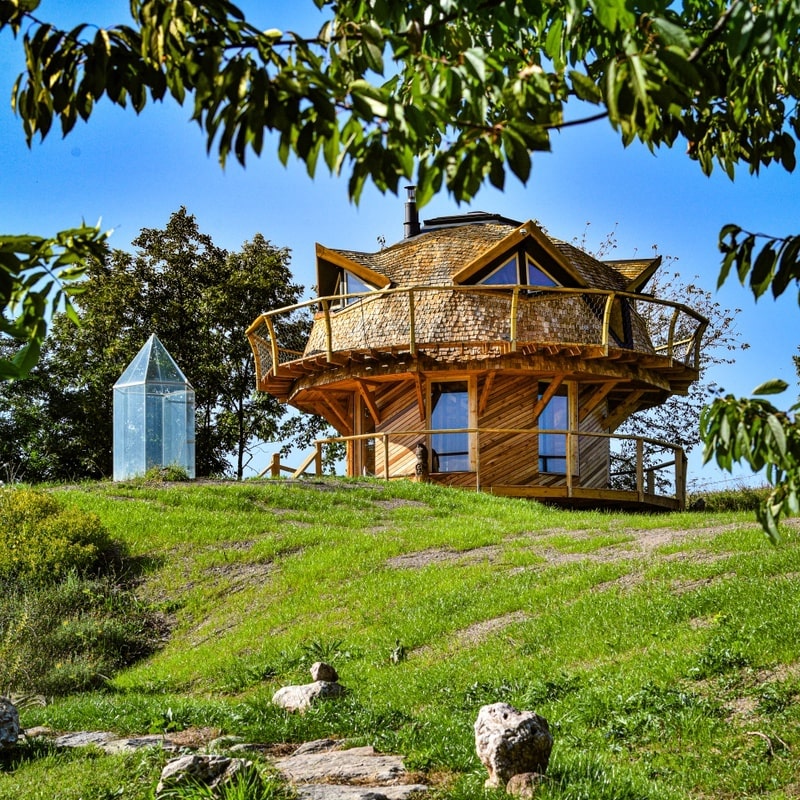
India has Auroville, and Czechia has the Garden of Elements. Why travel halfway across the globe when you can head to the Karkonosze Mountains? It’s just a three-hour drive from Wrocław to our Czech neighbors in Lánov.
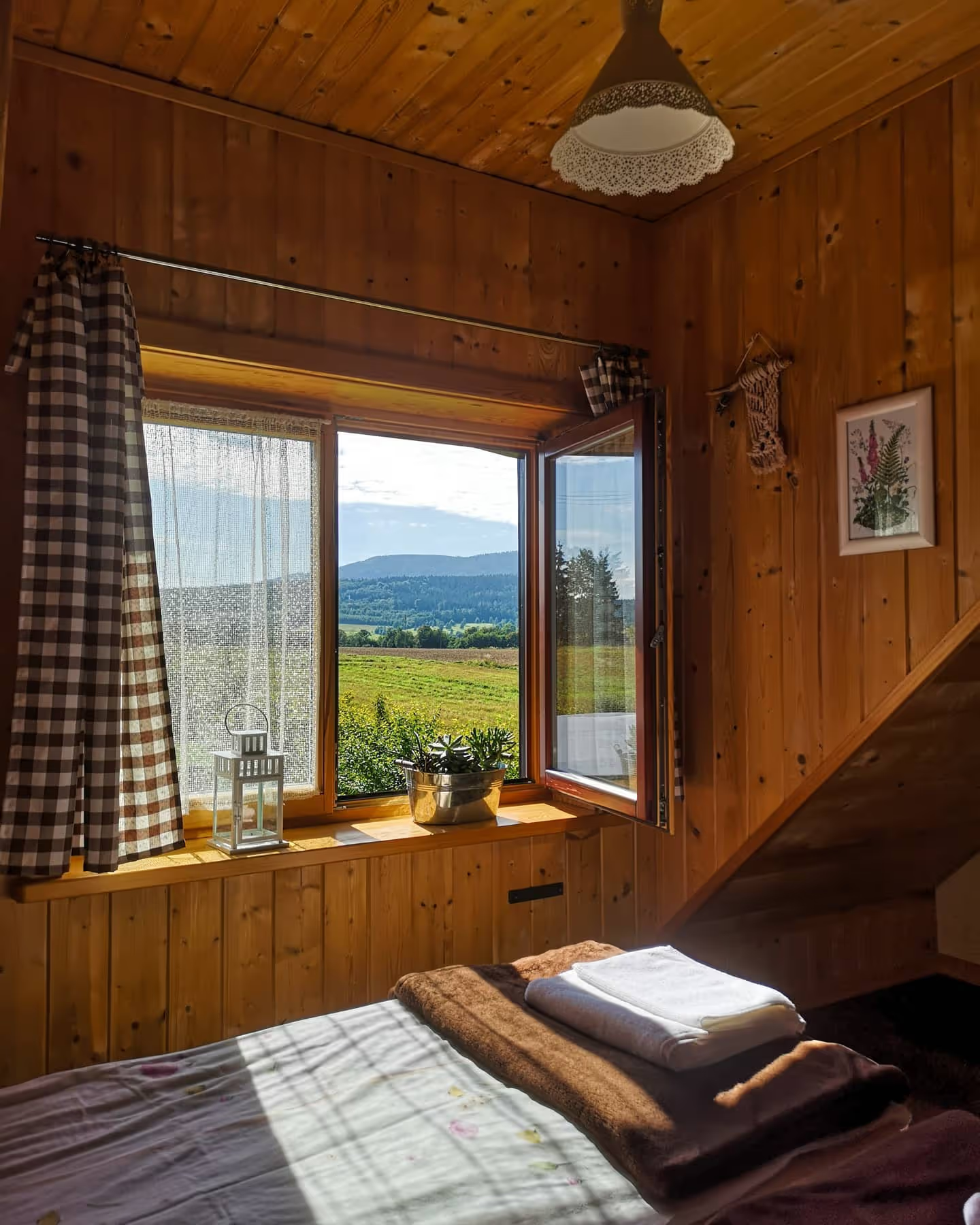
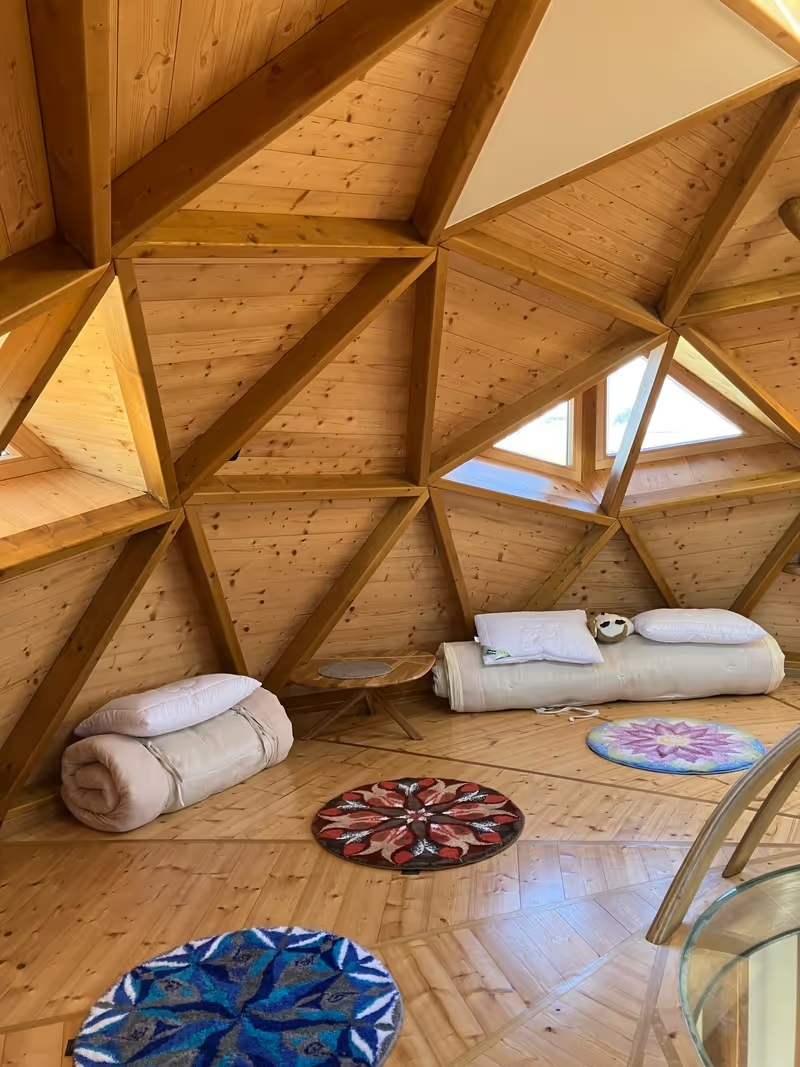
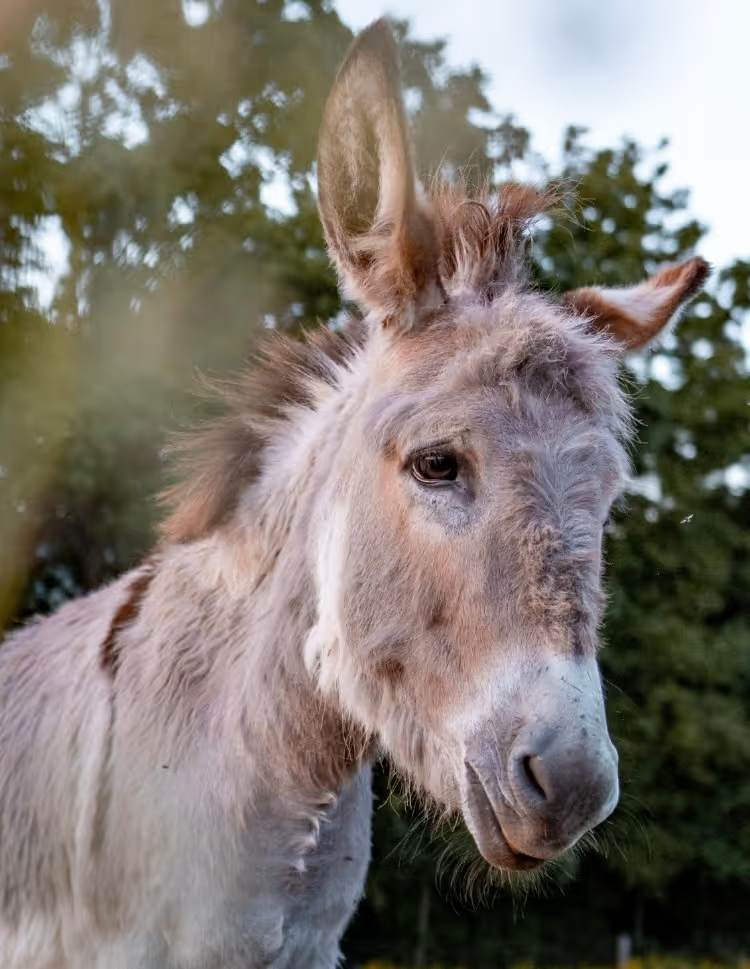
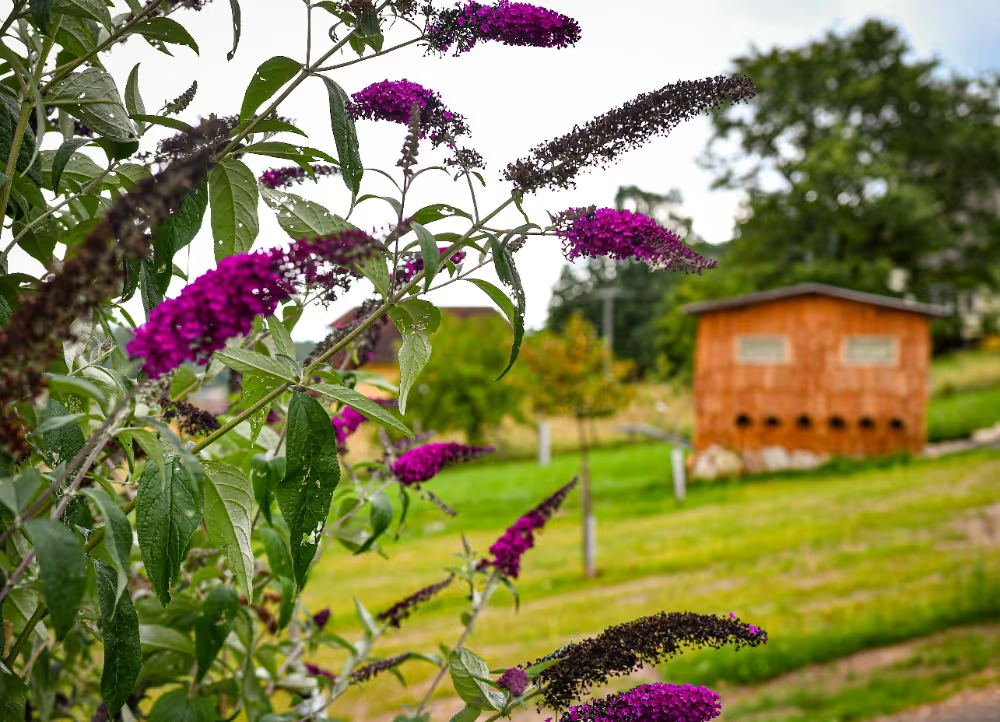
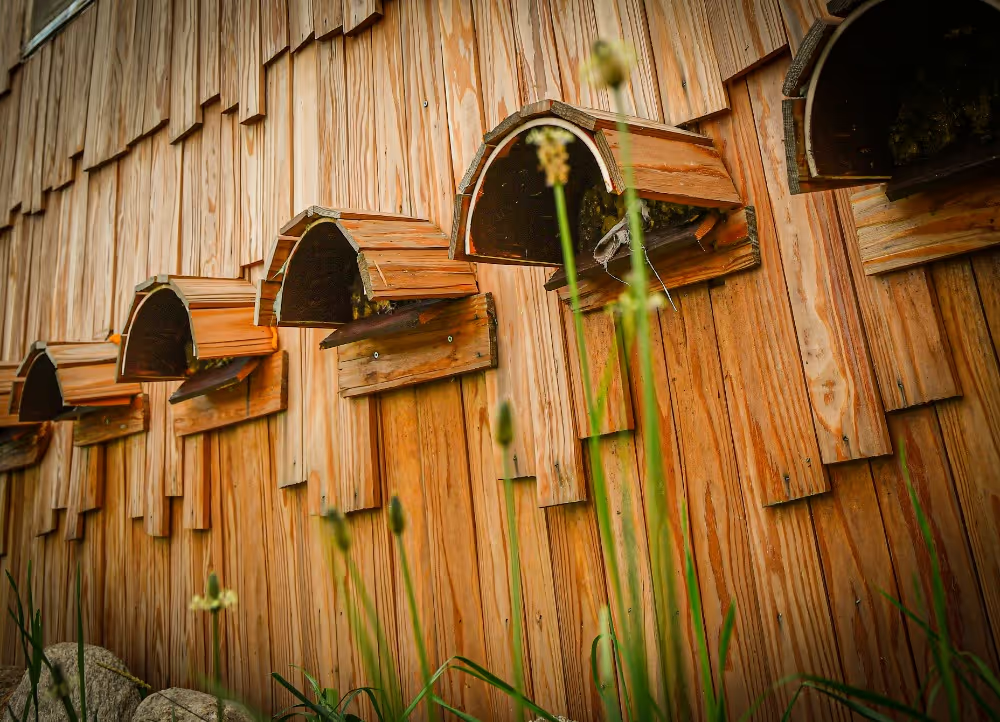
There, the unique Garden of Elements awaits, complete with an eco-farm, interconnected ponds, a permaculture garden, natural-material buildings, a Native American–style village, and a forest school — all built with respect for nature. The goal is to create a self-sustaining space for harmony, self-discovery, healing, and relaxation. Interested? Then the Owl House is for you. Instead of king-size beds, it features futons made from horsehair and hemp, hemp-concrete walls, and a view of horses grazing. And where do the bees fit in? In the apihouse, a small wooden cabin with built-in therapeutic hives. But there’s more: eco-enthusiasts can tour the Garden of Elements and learn how everything works. You might just catch the eco-bug. Here, wellbeing comes from positive people, immersion in nature, deep regeneration, and relaxation. And yes — there’s a pool, jacuzzi, and sauna too.
Slowhop says:
You cook for yourselves here, but you don’t have to go far for fresh ingredients — the garden and eco-farm supply everything you need (in season). Each building in the Garden of Elements represents an element and has its own character. It’s worth exploring what each one holds.
Chata Včelárik
Book on Slowhop
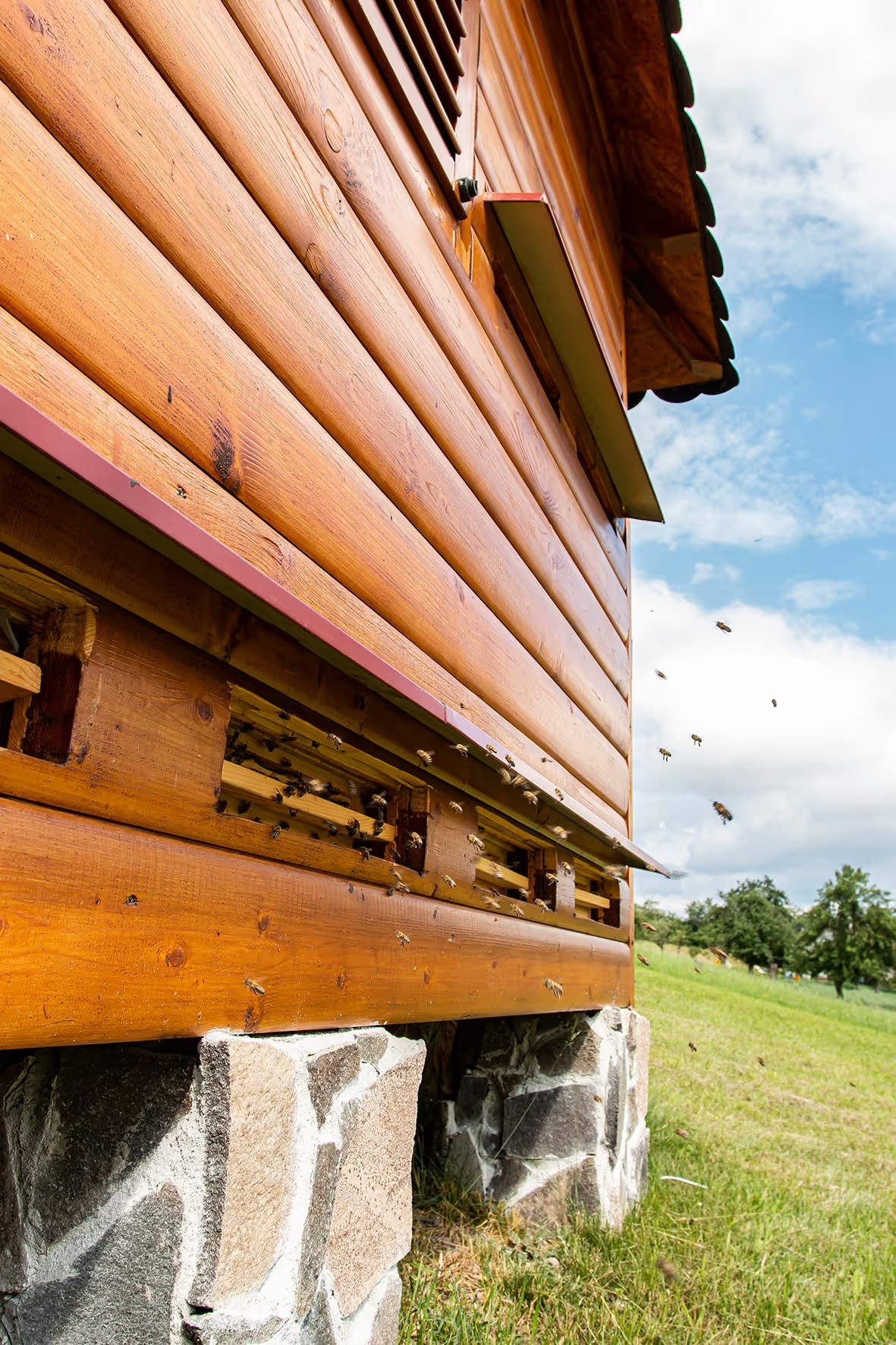
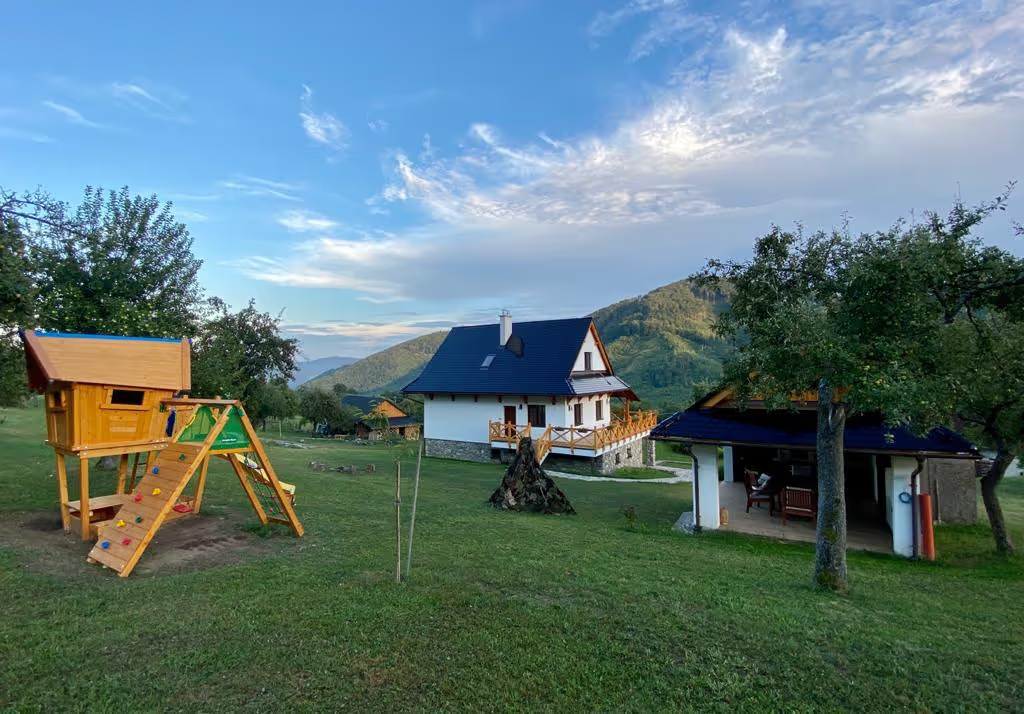
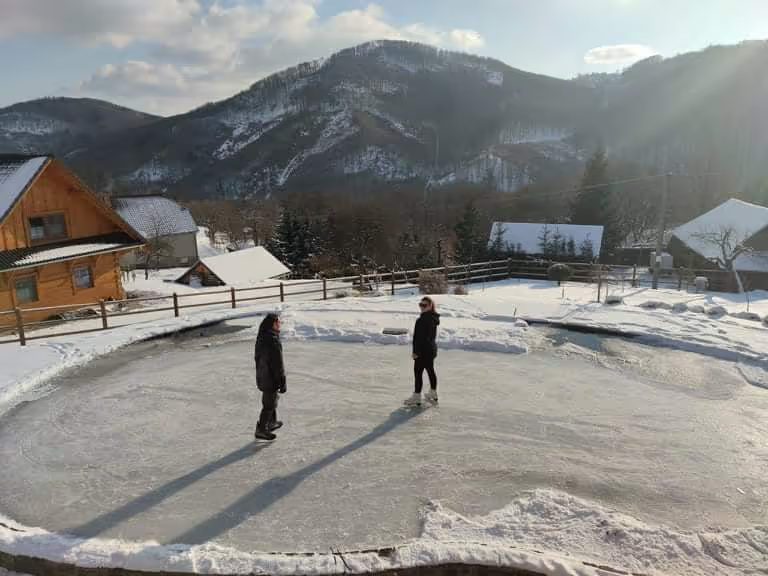
This time we’re in Slovakia, near Nová Baňa. For Kraków residents, it’s about the same distance as their trip to the capital. Saying that Chata Včelárik has a mountain view is an understatement — just take a look. The rustic house sits on the edge of Nová Baňa, once famous for gold mining. Along with the view, Monika offers an eco-swimming pond, an organic garden, and, for the curious, a tour of her own organic apiary.
If the thought of buzzing insects makes you uneasy, you can tackle that fear step by step. Start in the apihouse, where two apitherapy chairs help you relax and get comfortable with the buzz while you inhale healing air. When you’re ready, ask the Host for a guided apiary tour (about 8 km from the house). Monika will share her passion for pollinators and explain the differences between traditional and organic beekeeping. Once you’ve earned your beekeeping PhD, we recommend exploring the area — head to the Starohutský Waterfall or the nearby Tajch reservoir. Though spending your holiday in that eco-pond might be equally tempting…
Slowhop says:
There’s also a playground and a gazebo with a grill, pizza oven, and space for gatherings. Don’t forget your swimsuit!
.avif)
.jpg)
Climate change, disease, and toxic pesticides — today’s bees have many enemies far bigger than themselves. You might be surprised to learn that it’s not honey bees but wild species that are most at risk. While a honey bee colony can be rebuilt, recovering a wild species threatened with extinction is practically impossible. That’s why, when supporting bees, we mustn’t forget wild species. How?
- Sow a flower meadow or plant balcony flowers that will feed your bee neighbours. On a balcony, try pasque flower, heather, lavender, lemon balm, nasturtium, mint, oregano, catmint, marigold, cosmos, heather cotton, honeysuckle, or sage. Want more tips on creating a green haven? Check out this e-book.
- If you’re lucky enough to have a garden, make sure your plants actually feed bees. Many ornamental varieties have been bred for looks but offer no nectar. Opt for calendula, common sunflower, cornflower, and clover.
- You can build a bee house or set out a bee waterer on your balcony, filled with clay pebbles.
- Avoid mowing your lawn down to bare ground. A perfectly manicured lawn might look neat, but it’s a disaster for wild bees. That weedy patch you hate could be a vital refuge. The more of these urban “sanctuaries,” the greater the species diversity.
- Use only natural fertilizers — chemicals and sprays are a major cause of bee decline. Try this natural weed and pest spray: 1 liter of vinegar, half a liter of water, and a bit of grated gray soap.
- Avoid thujas — though they’re popular in Poland, they’re toxic to bees. Instead, consider honey-rich hedges like barberry or caragana.
- Support honey bees by purchasing honey from trusted beekeepers. Help small apiaries thrive. Remember, no matter how much honey you get, the work behind it is the same.
- If you feel you want to do even more, consider bee sponsorship.
Curious about more nature-focused experiences?