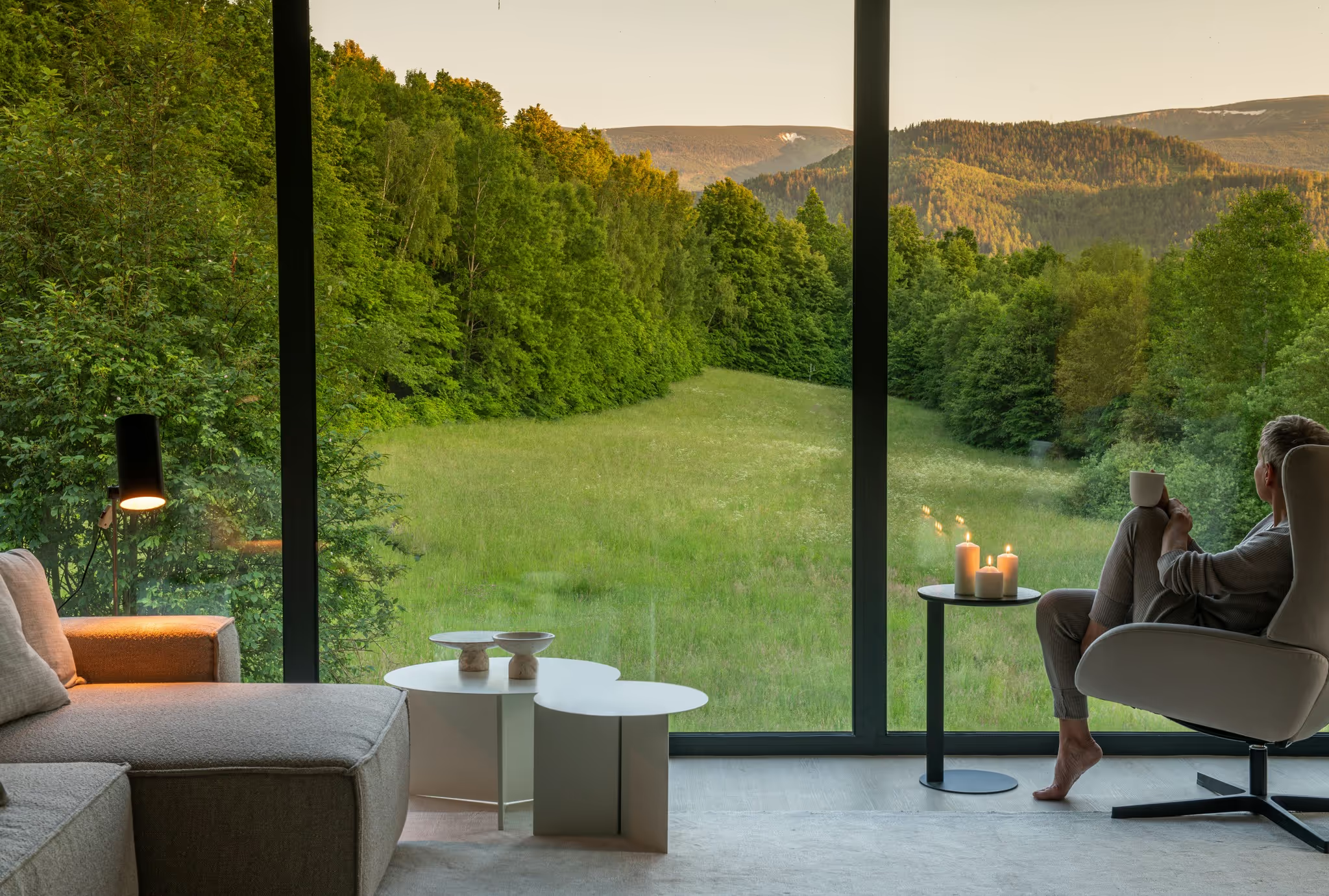
Biophilic Design
Hey, nature-inspired building enthusiasts! Your collective dream has become a trend in interior design—and we’re applauding it with a little jump. Biophilic design (or biofilic design) is a movement that breaks our concrete shackles, scolds stiff, closed-off green spaces, and invites us to renew our connection with Mother Nature.
Biophilic design is a nod to city dwellers overwhelmed by stimuli and disconnected from nature. To cut through the theory: it’s about intuitively rebuilding our bond with the natural world, returning to our 'roots', and giving our nervous system a break by helping to reset our overloaded senses. Feel your heart skip a beat? We can almost hear you shout, 'Shut up and take my money!'
What does this design look like in a slow-hop setting? Here are a few places in Poland where you can easily reconnect with Mother Earth.
Nature at your window
See stay details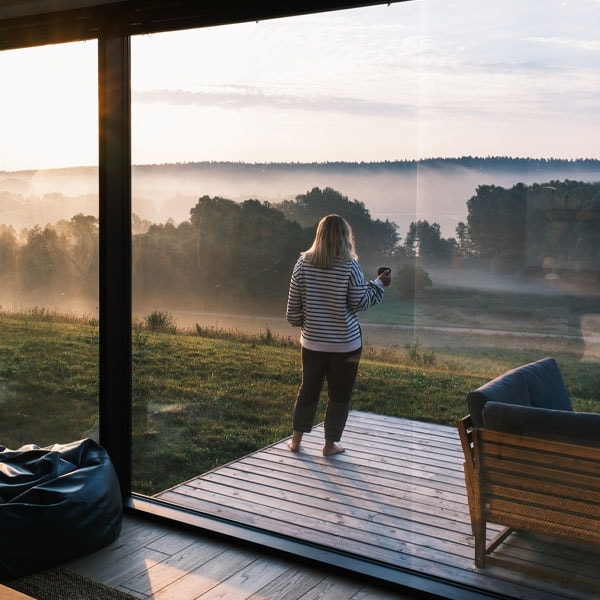
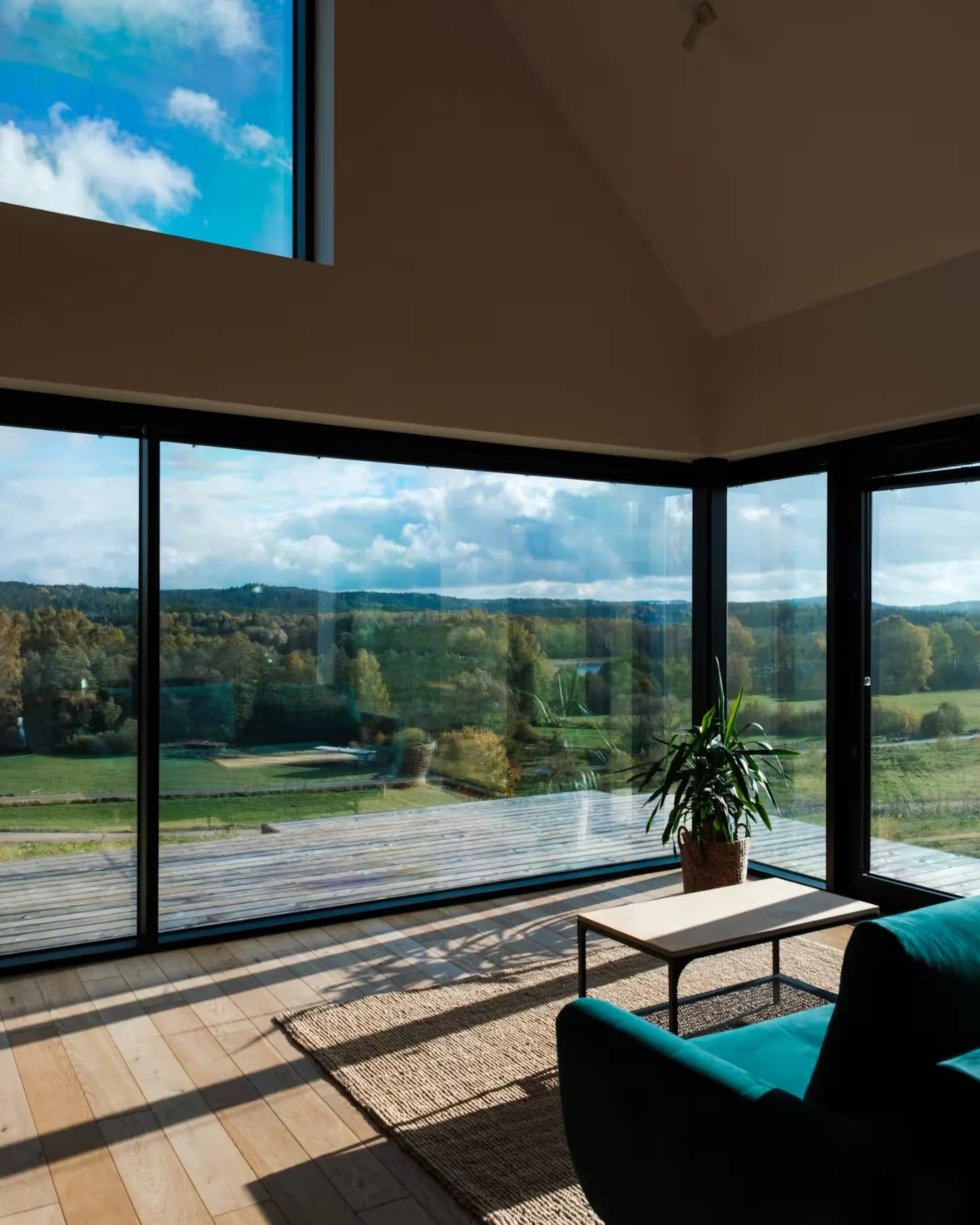
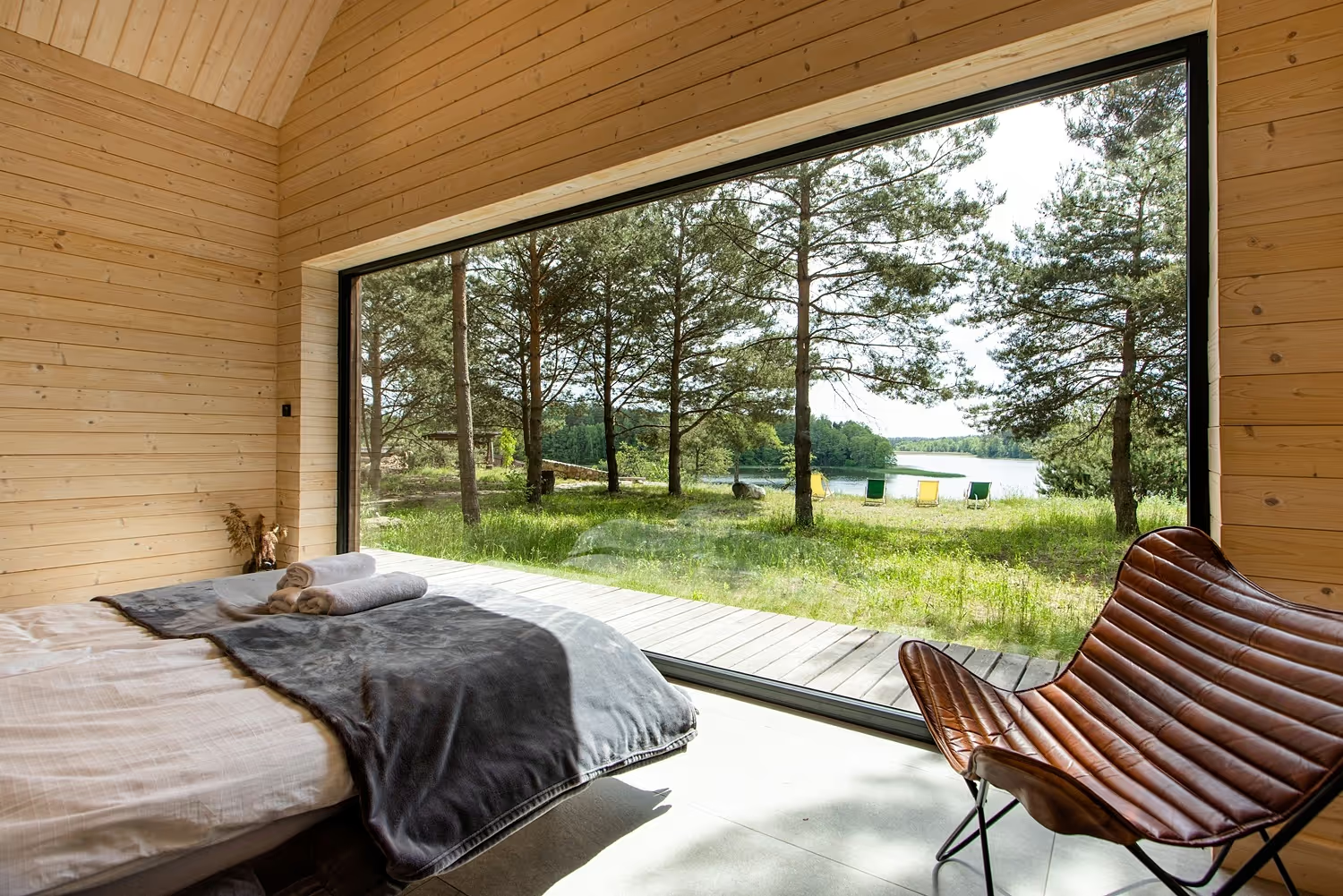
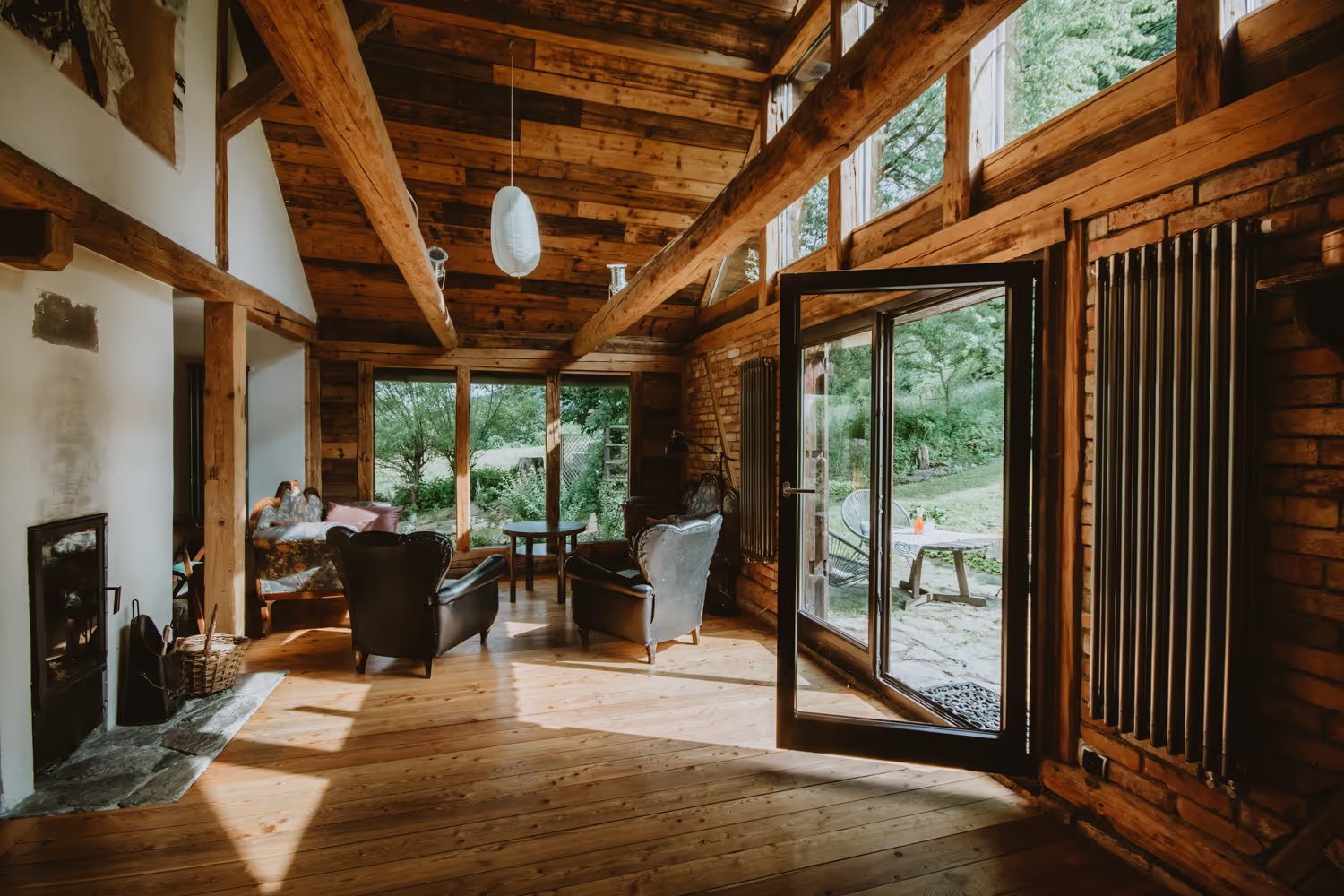
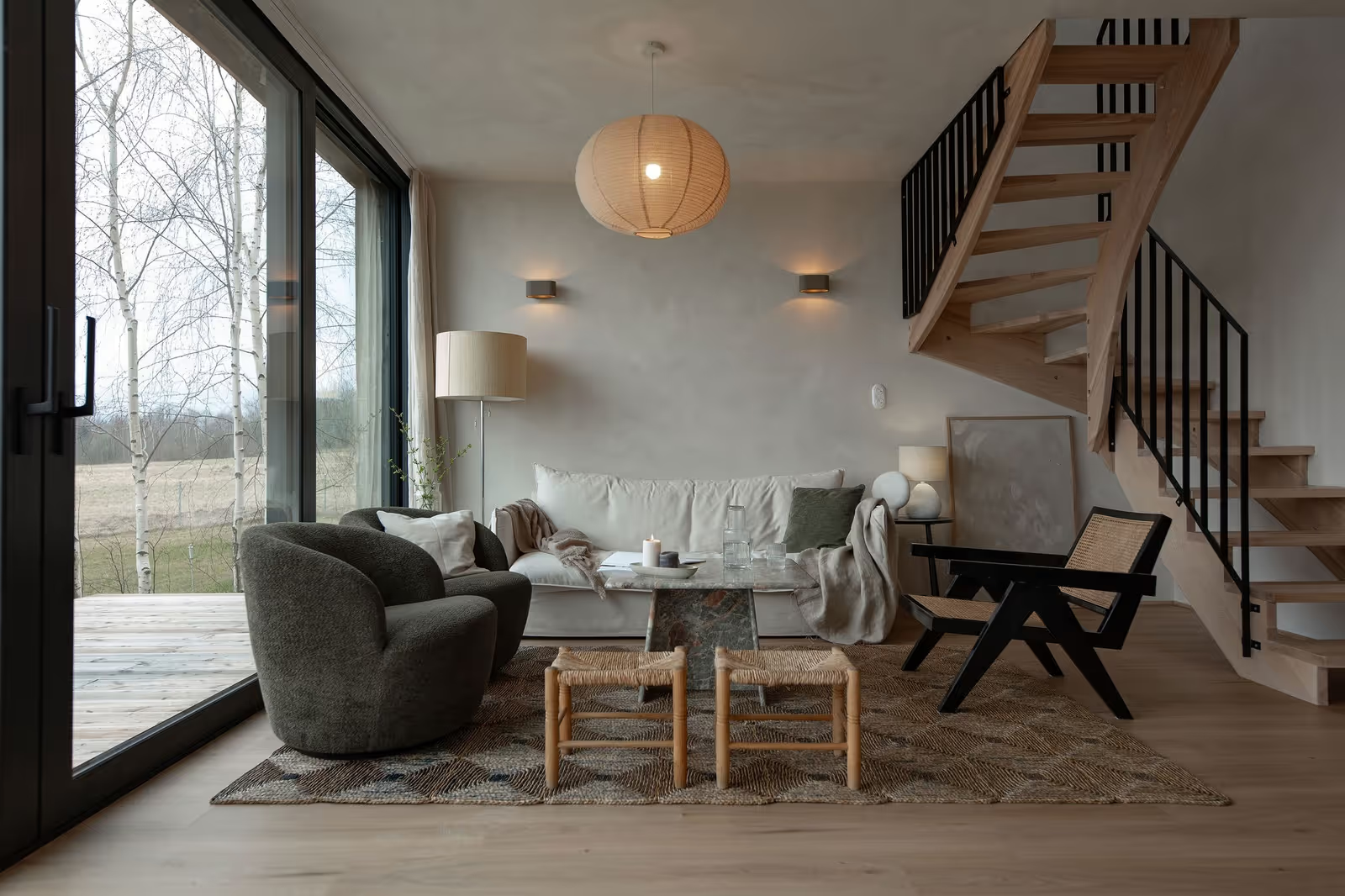
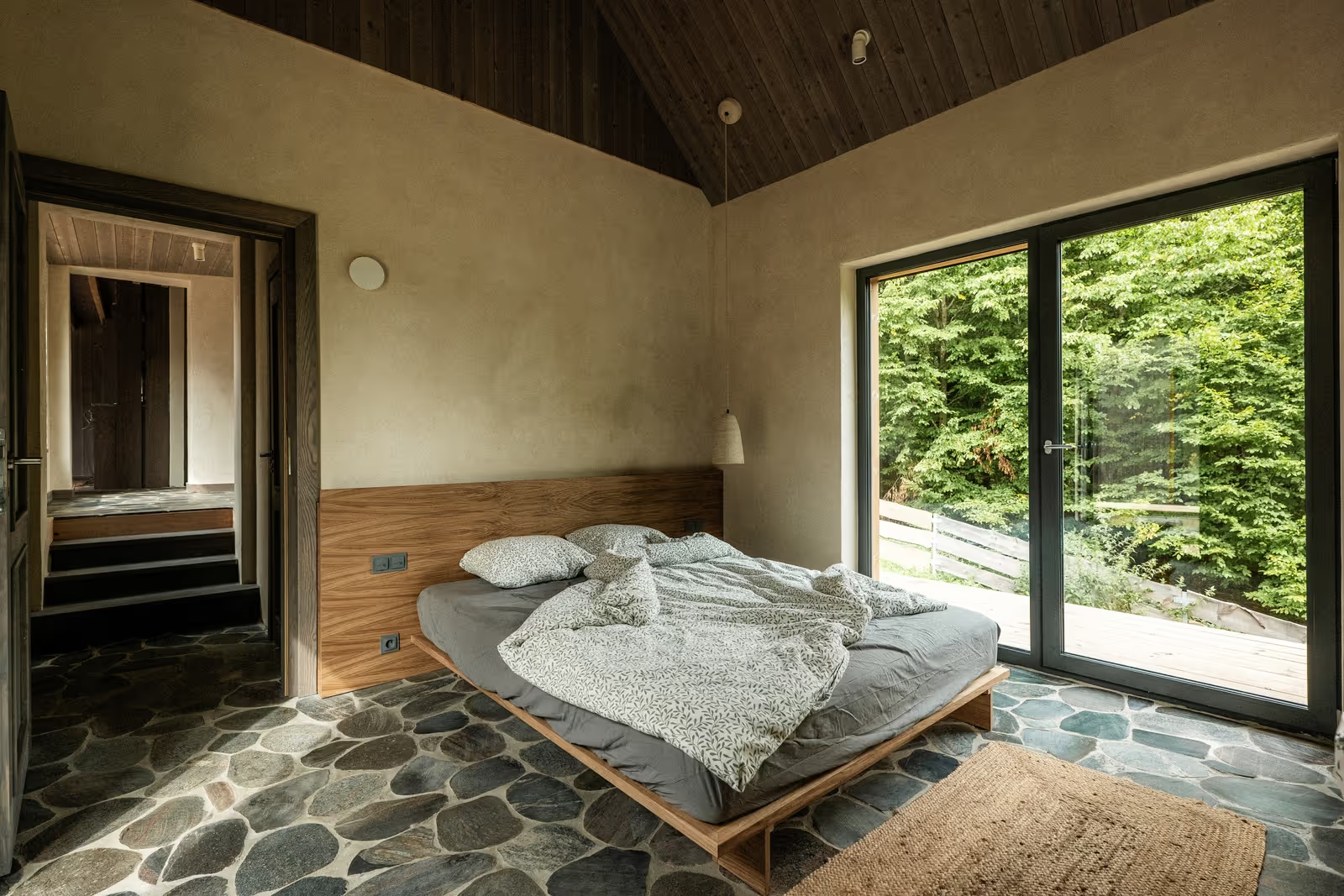
No VR, no AR, and no photo wallpaper can match the views Mother Earth provides. And if the scenery on the other side of the wall perfectly suits our atavistic needs, why not admire it through a giant window? Large windows and glass walls overlooking nature are a cornerstone of biophilic interior design.
Below are places where you can press your nose against the glass, soak up views that melt away free radicals, and simply reset your senses after an overdose of city life:
Glazing and greenery
See stay details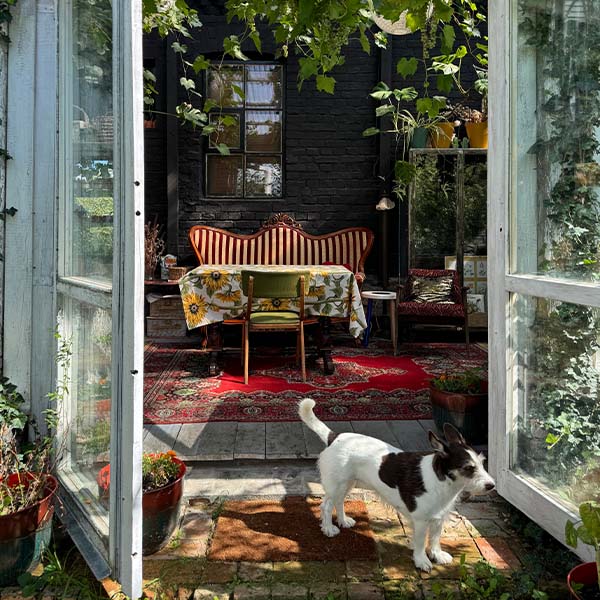
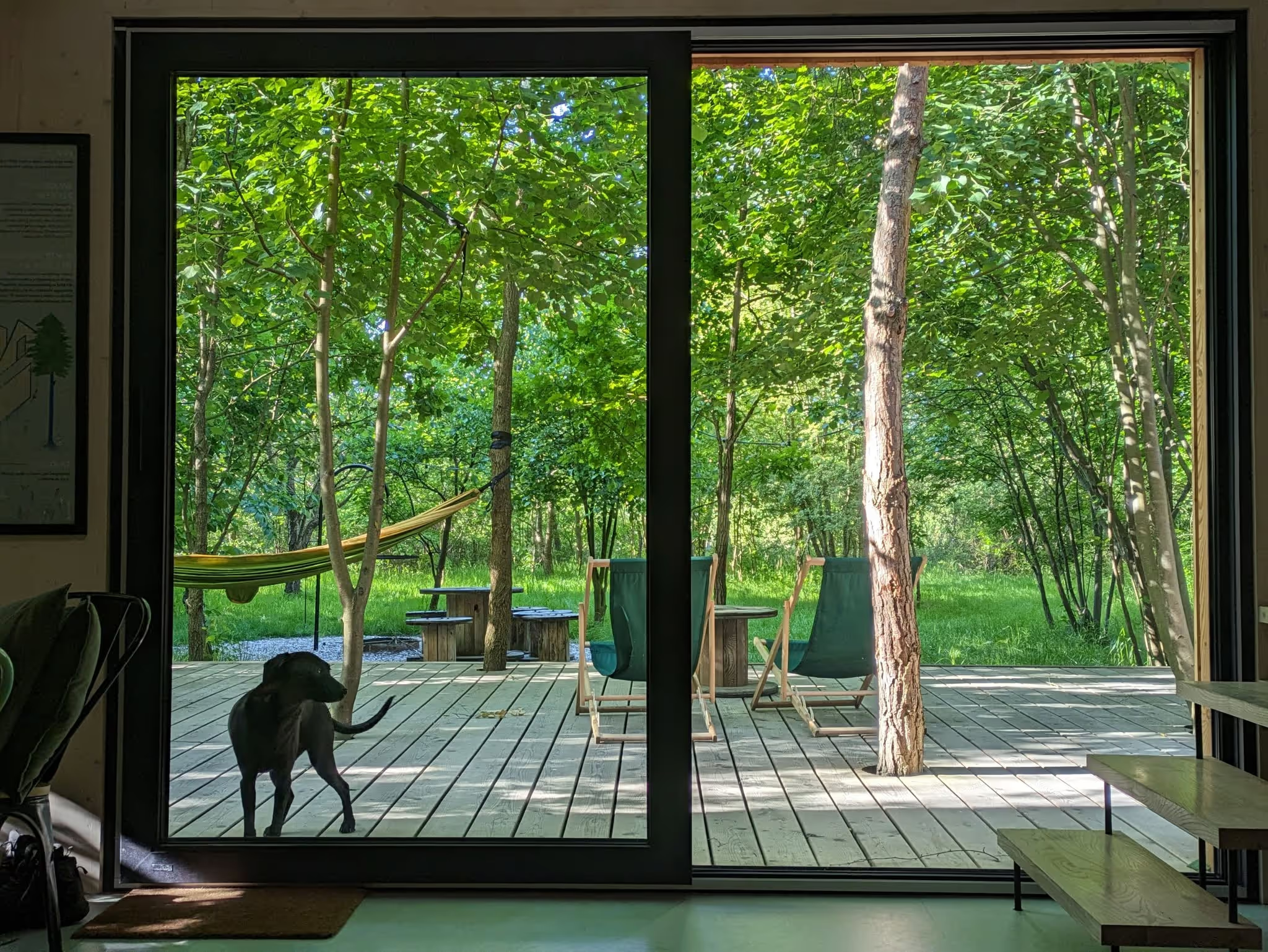
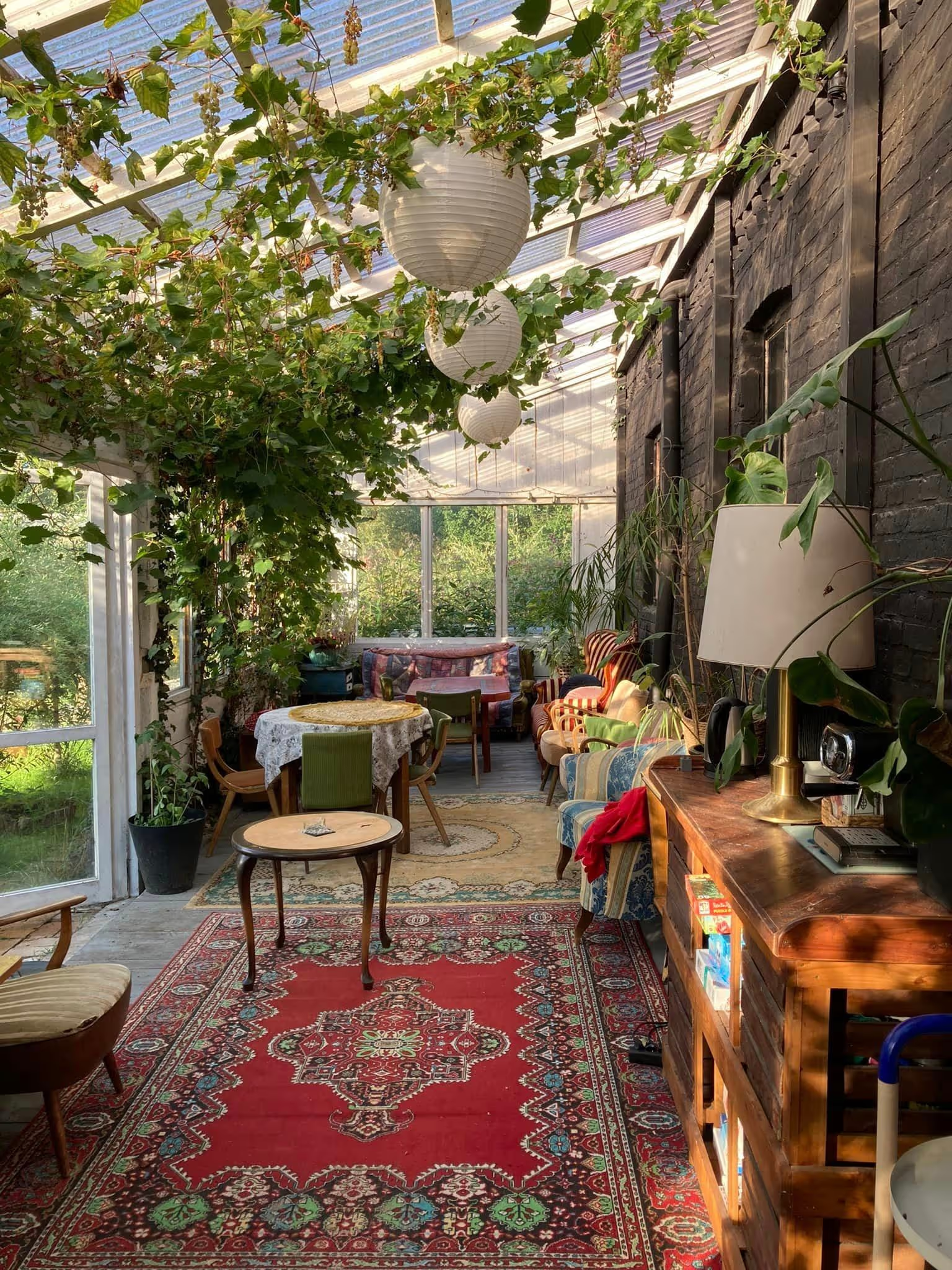
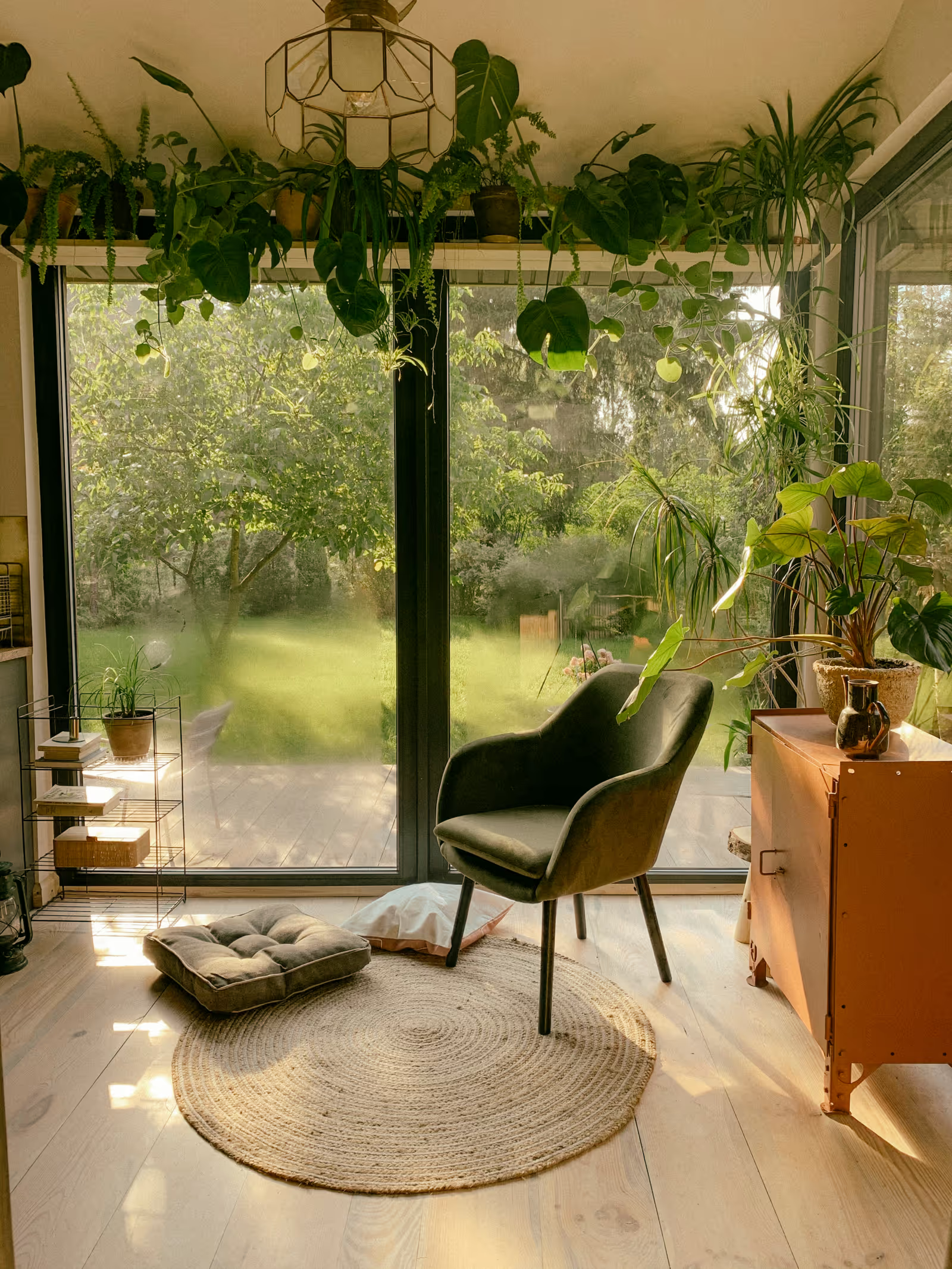
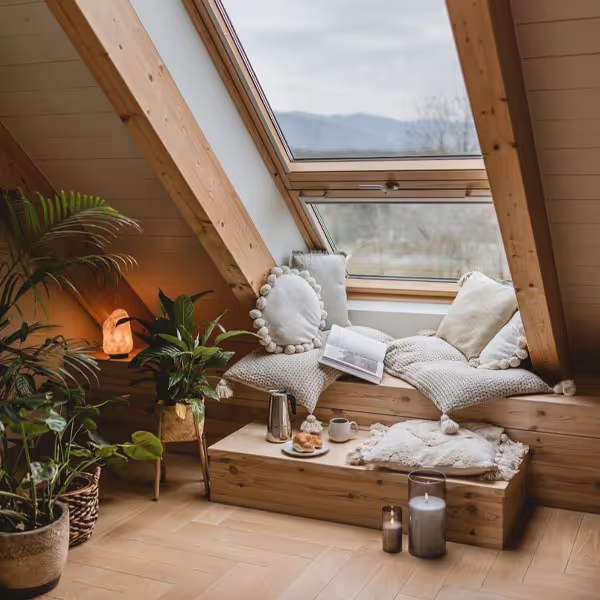
We love well-planned glazing and conservatories because they let in more natural light (so precious at our latitude). That means you can fill the space with even more plants, boosting that biophilic bonus. With an orangery or smart glass walls next to lush greenery, al fresco meals don’t have to wait for summer or a freshly cleaned terrace after winter. And you get eco-friendly, solar-powered air purifiers and humidifiers all in one – plants!
Find green-framed glass here:
Nature’s colors and natural textures
See stay details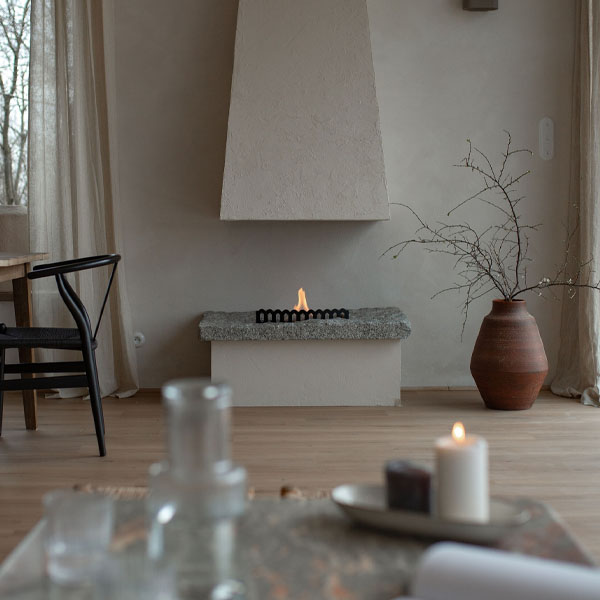
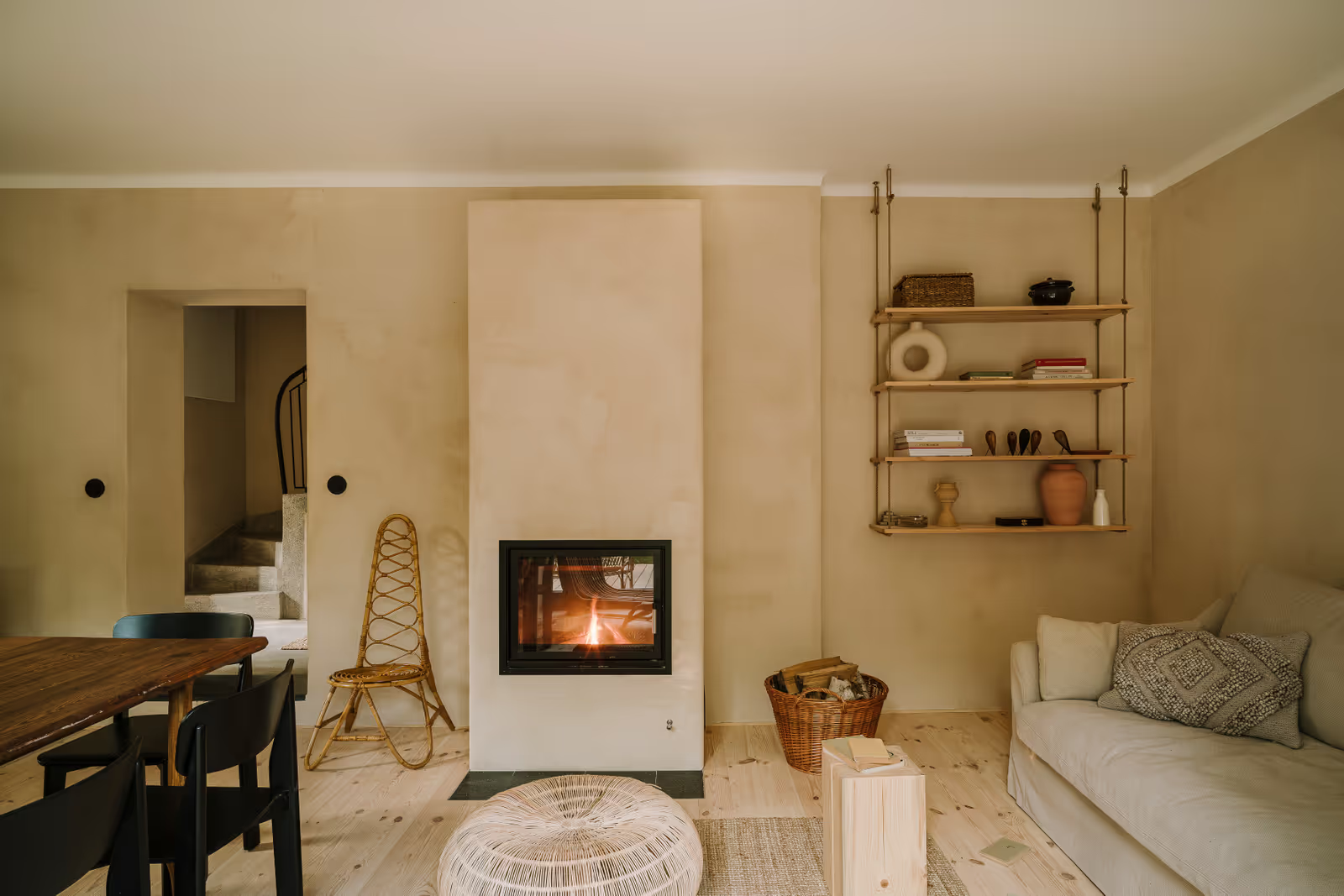
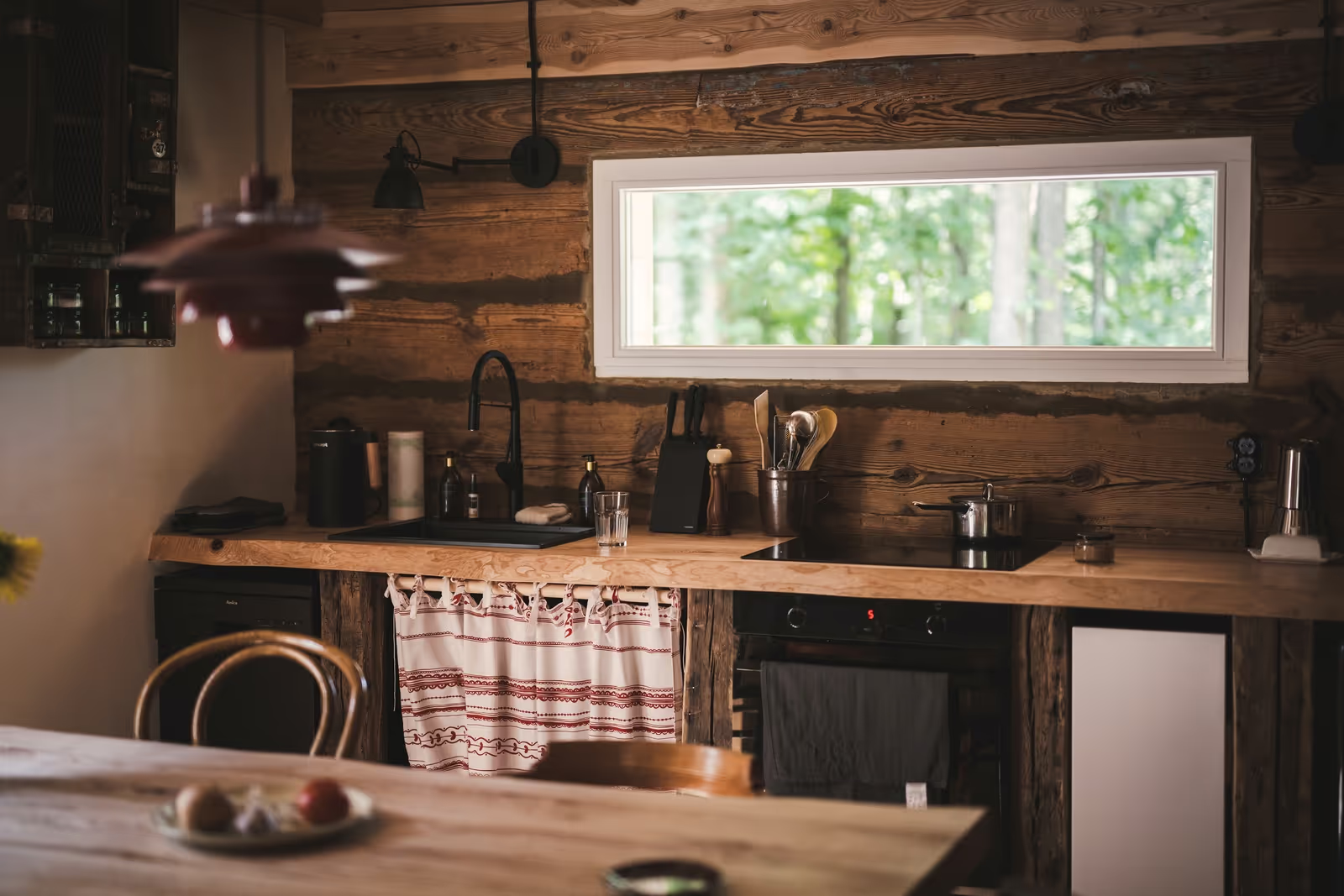
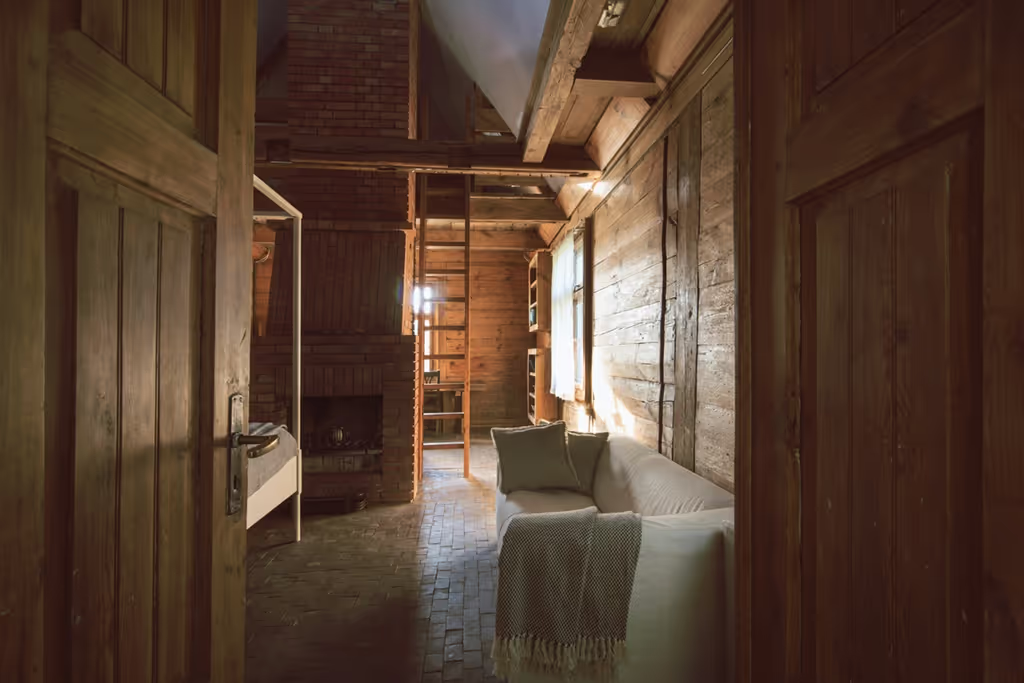
A biophilic must-have: colors and textures found in nature. These interiors feature muted tones and earth colors that feel timeless and remind us of the best things: yellow beach sand, the blue of an August sky, or the light show of a sunset. There’s a reason people say, 'Look at green and you’ll calm down.'
Would green walls bring world peace? We don’t know, but we can say that contact with nature helps restore emotional balance, supports regeneration, reduces stress, and boosts creativity and work quality. Sensory variability also matters – the mix of textures and patterns you’d normally experience outdoors.
For a color reset, try:
Indoor greenery
See stay details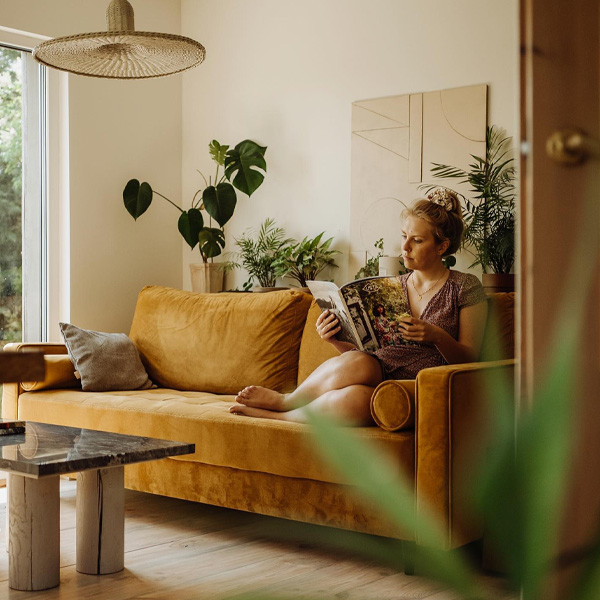
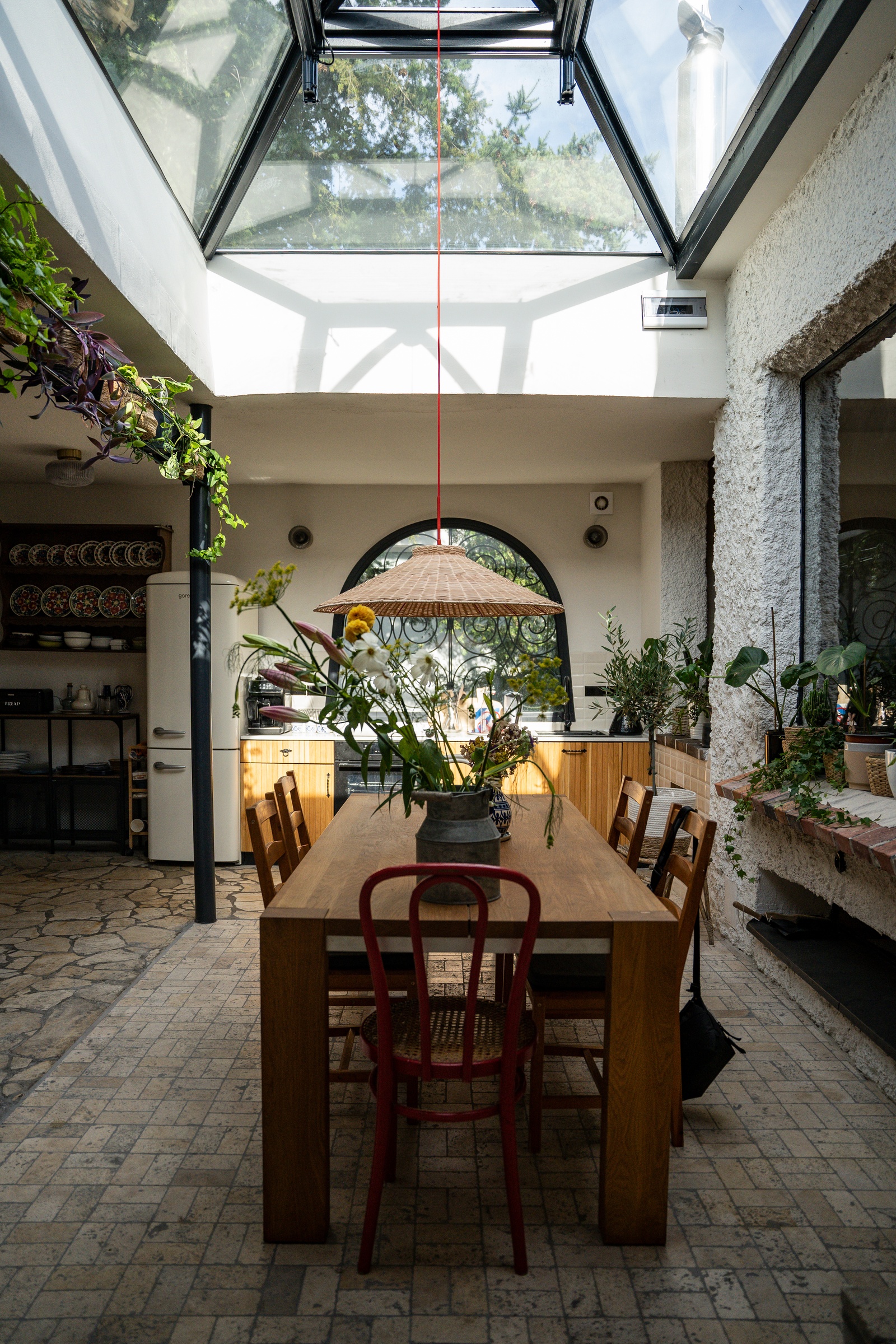
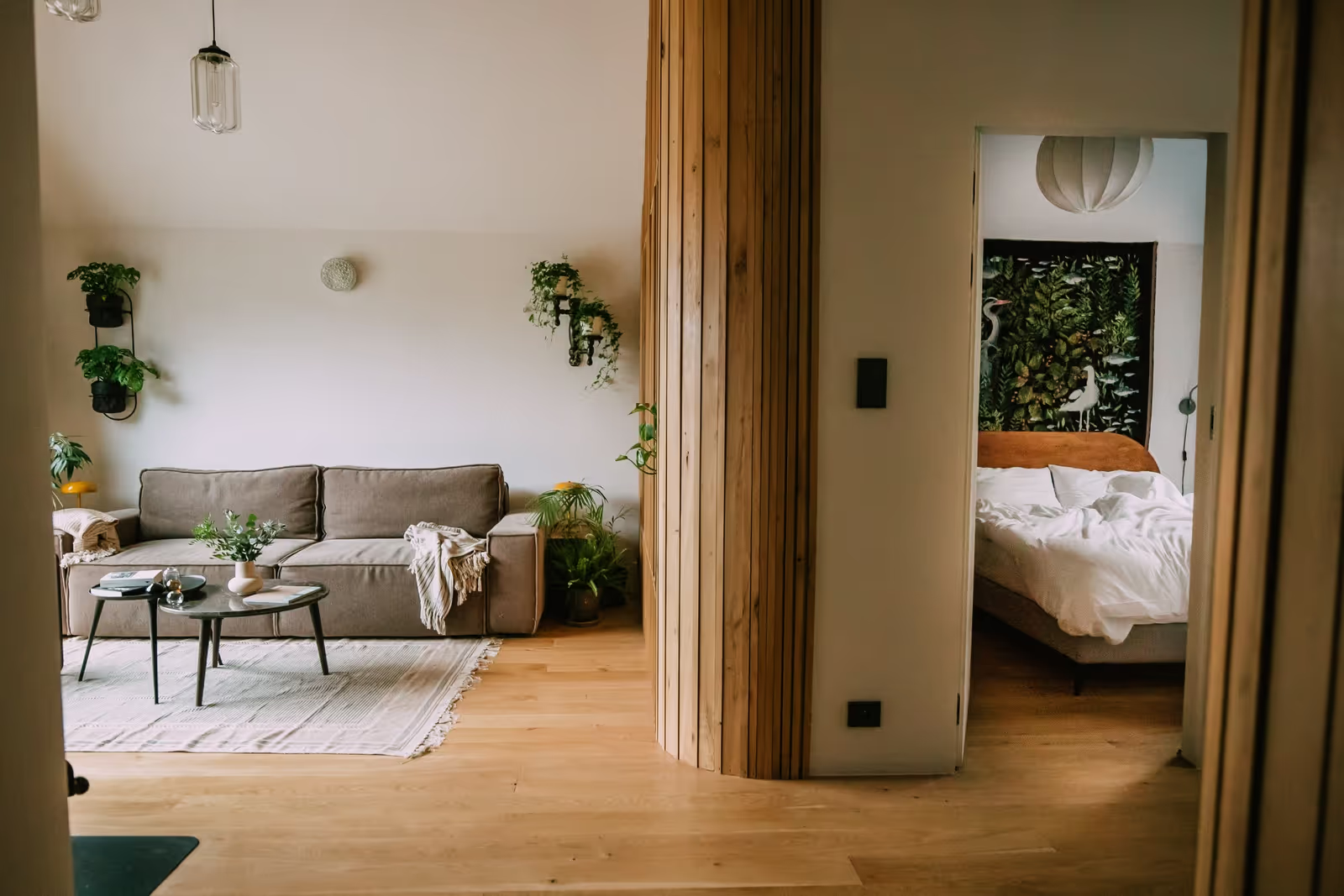
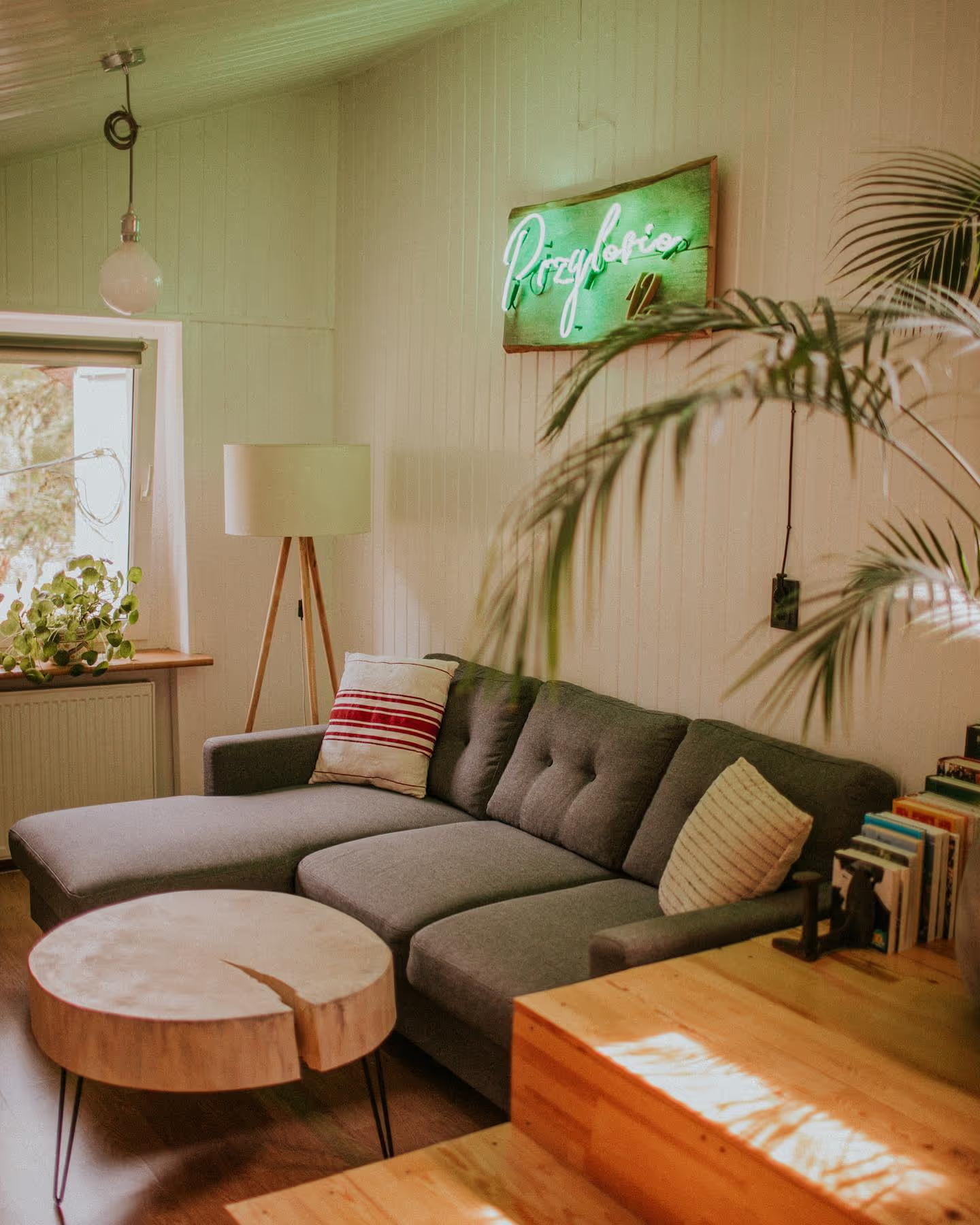
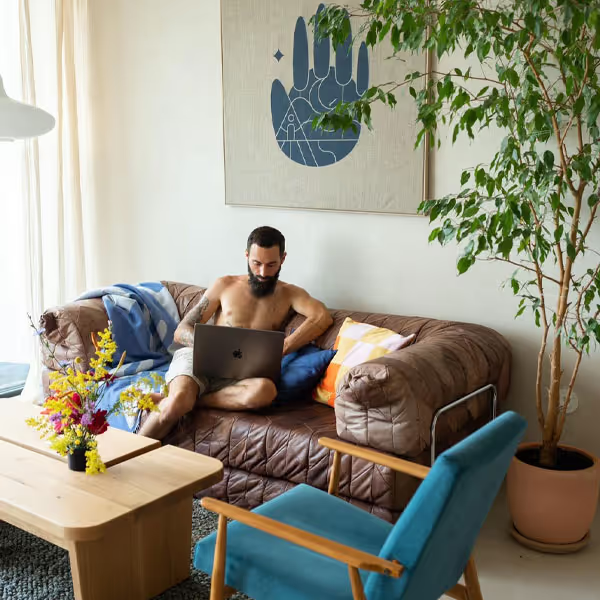
Want to liven up the most austere space? You bet – just add a few plants, and the whole vibe changes. Real estate agents know this, which is why flowers (even fake ones) are a key part of home staging. Let’s appreciate interiors where our DNA-coded need for greenery finds its match.
And finally, a botanical joke for the plant people:
- How many flowers can fit on a windowsill?
- One more!
For green interiors, head here:
Soft lines
See stay details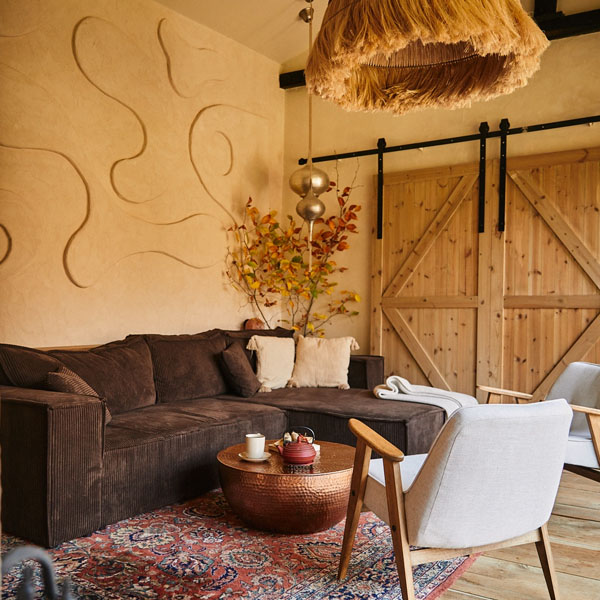
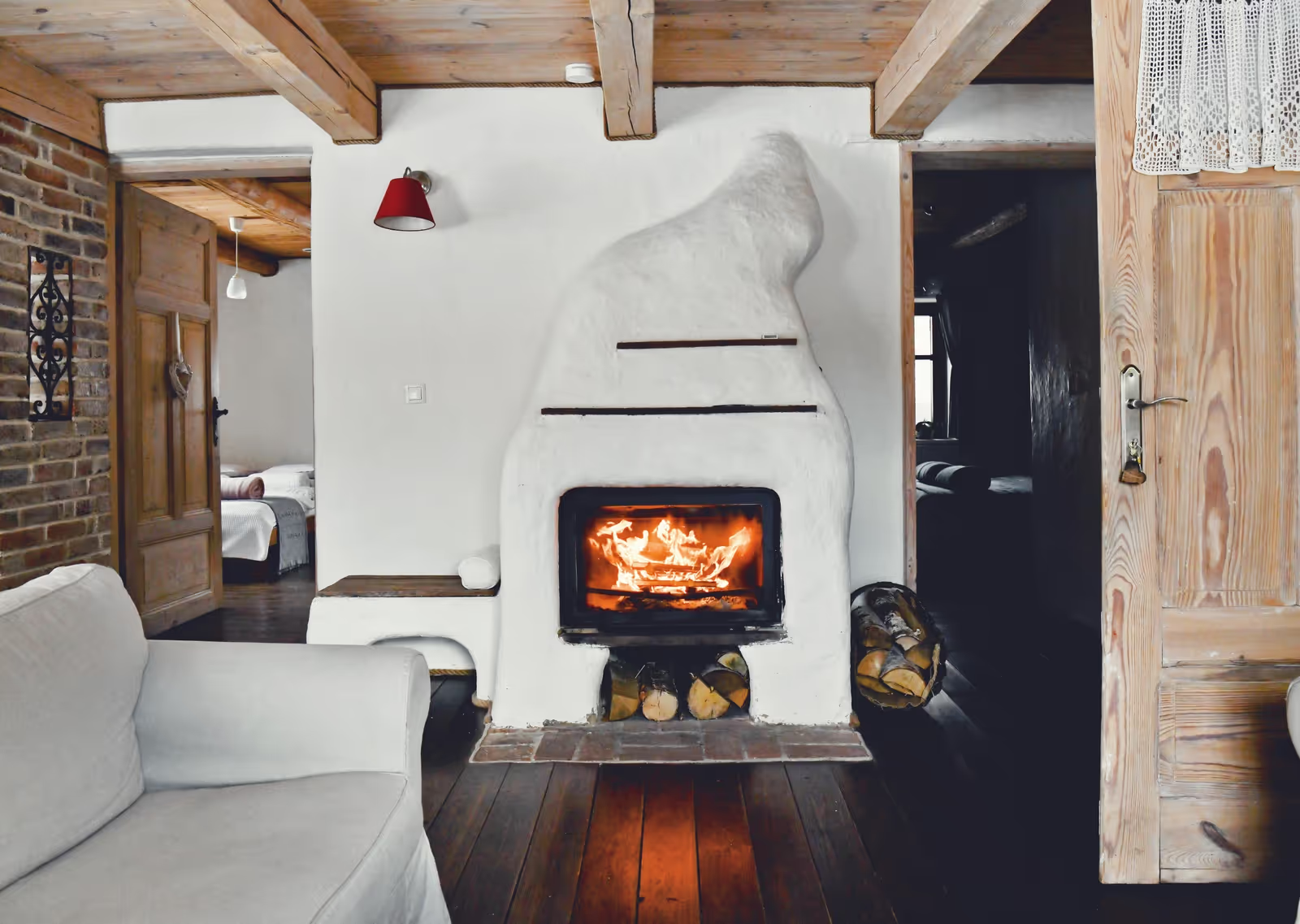
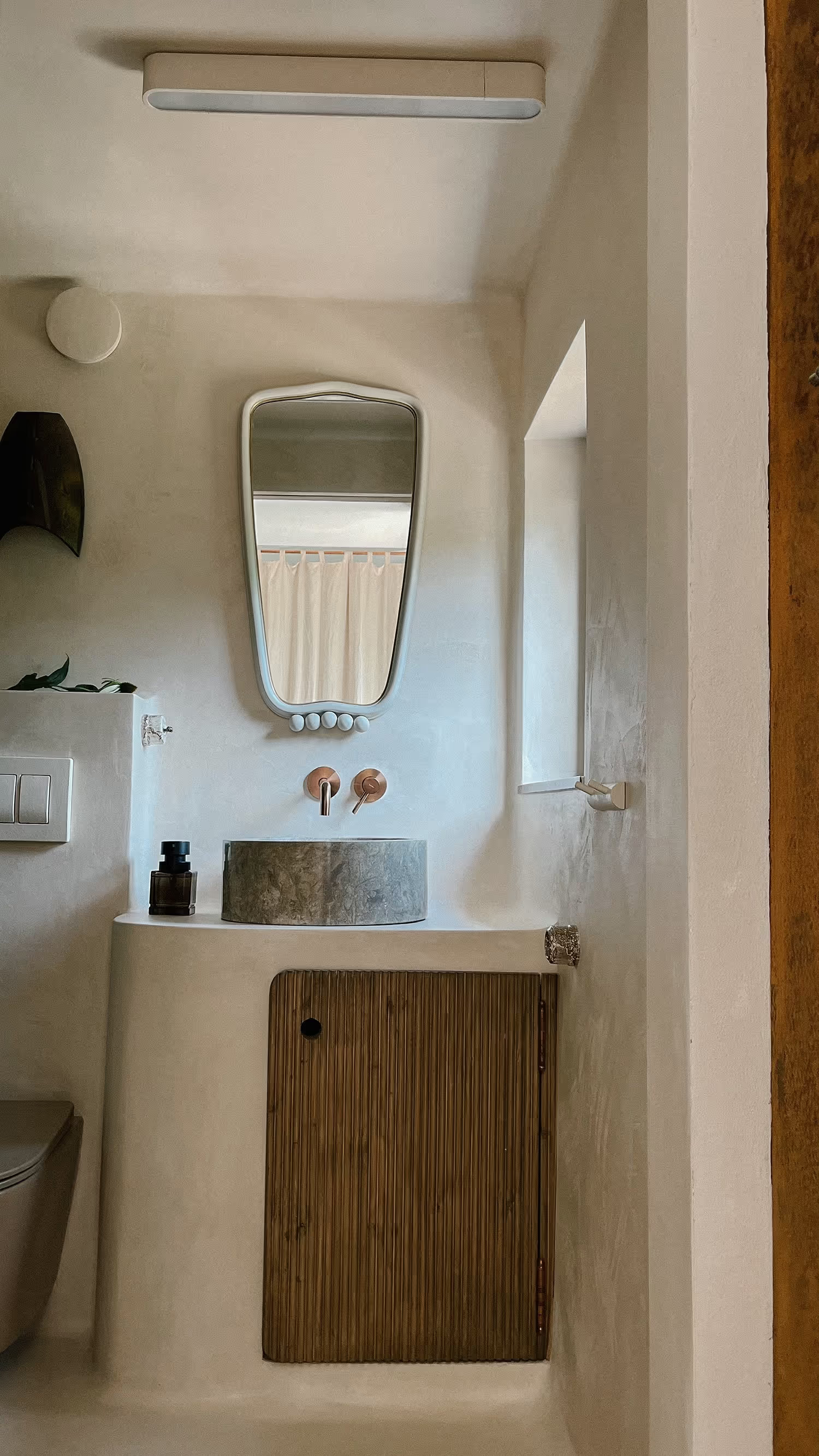
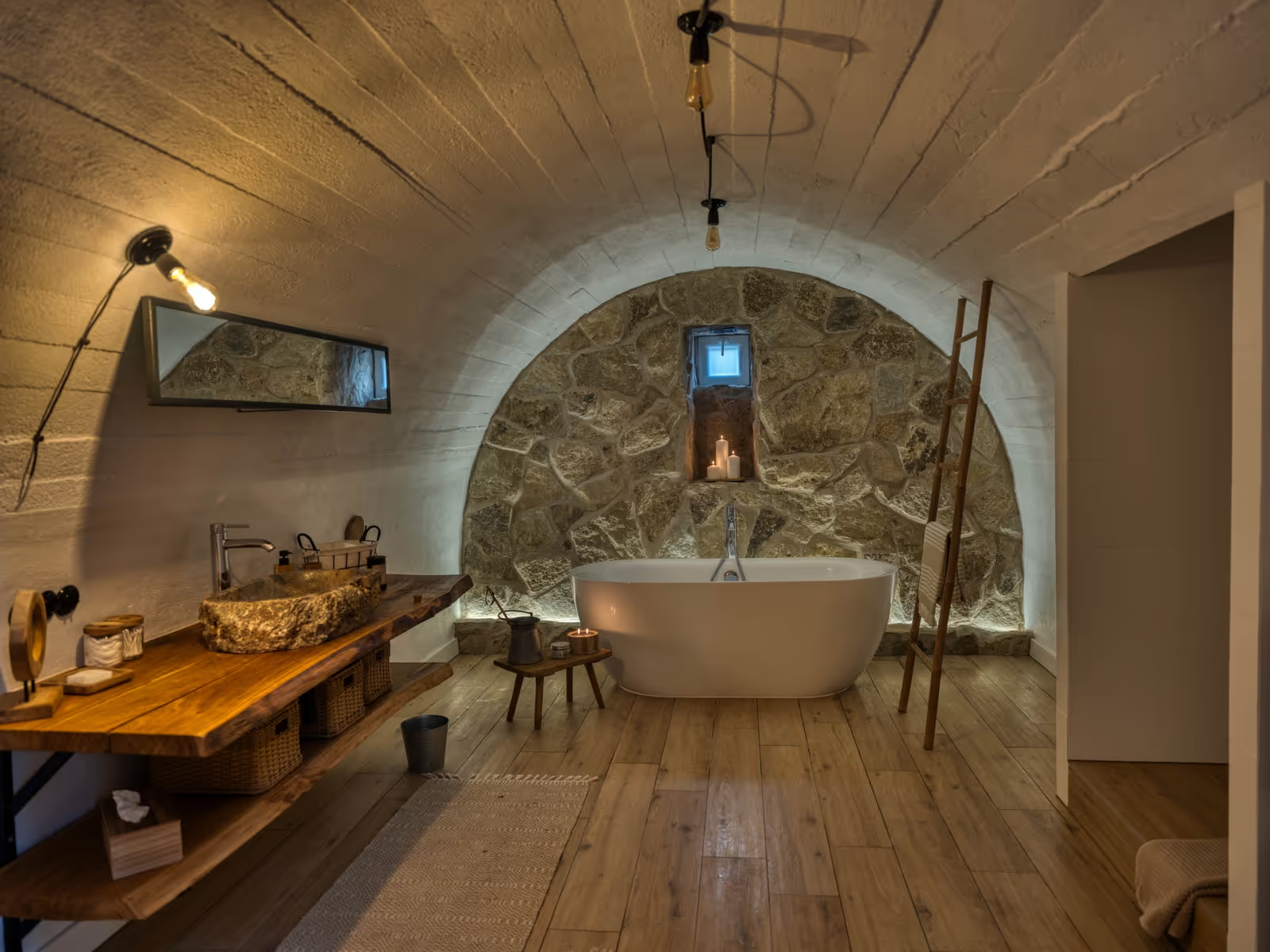
There are many ways to soften reality. Some say you can go to shamans for drinks that let you ‘lick clouds and commune with ancestral spirits.’ Not everyone can afford a liver transplant or regular trips to Ecuador, though. So if you want a soft—literally—version of reality, try arches, rounded edges, wavy shapes, and soft lines. A joke? Not entirely. It may be subtle, but our nervous system responds well to soft textures (clay, tadelakt) and decorative motifs with curves and organic forms—think flowers, waves, leaves, dunes. Try it for yourself. You’ll thank us later.
Soft landing at:
Soothe your nerves: mindful minimalism
See stay details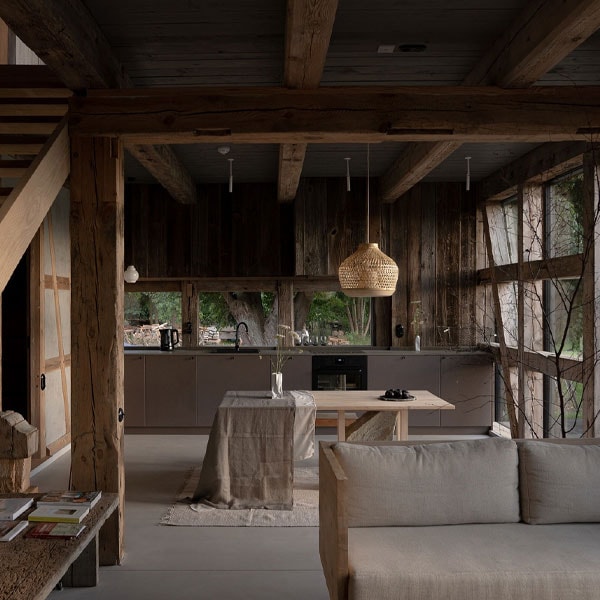
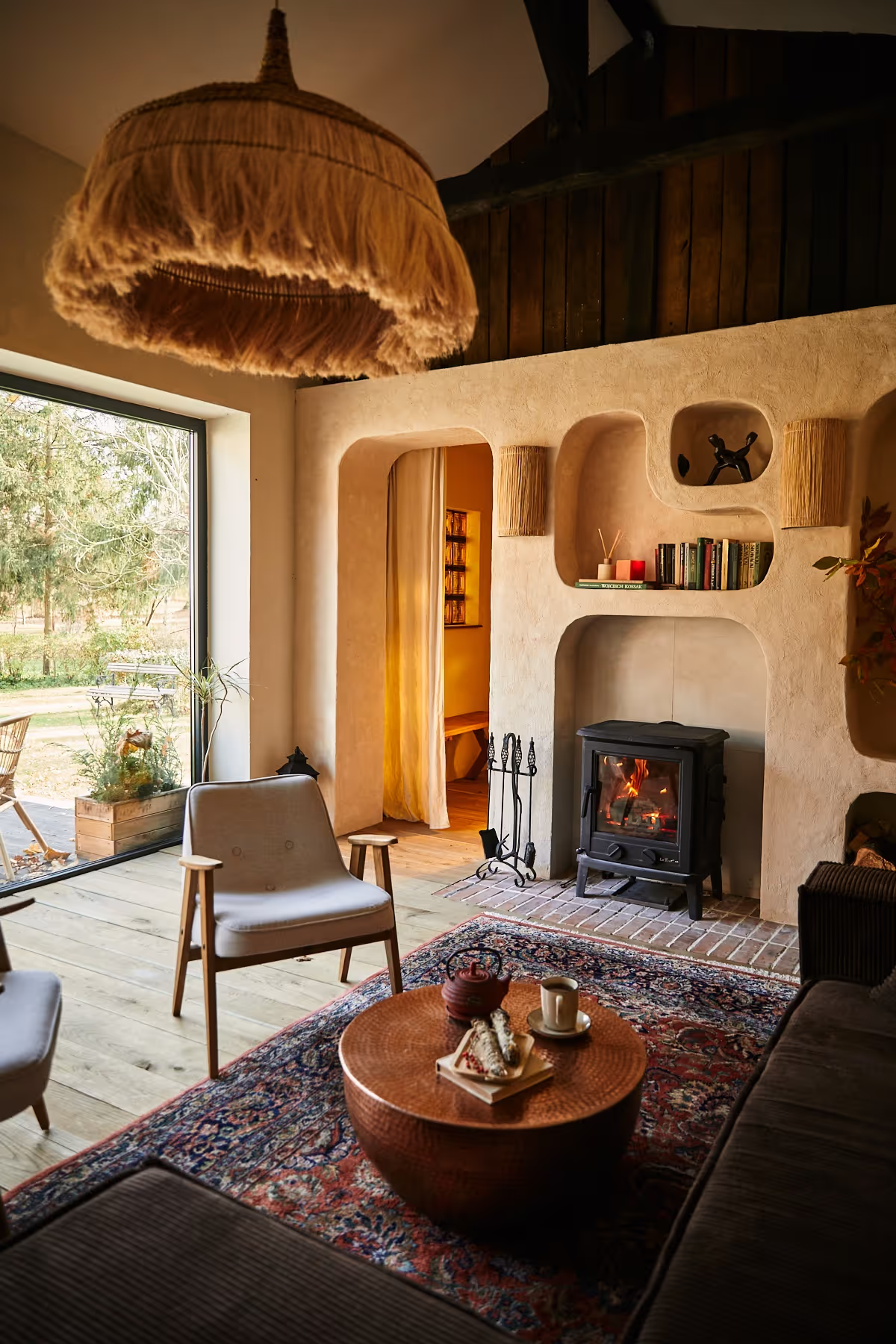
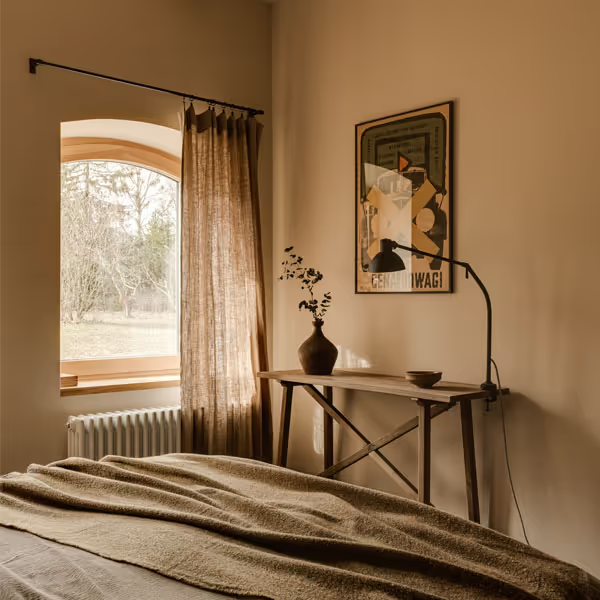
“No mess, no cry,” as the old Jamaican song goes. And we believe it, because an unorthodox minimalism can switch off those blinking red lights in a mind battered by information smog. Remember the surprise when you realized that, with some decluttering, your room could fit a landing helicopter? And that there seemed to be more oxygen and it just felt easier to live? Exactly. We’re not talking about extremes that reject all modern comforts but about a sensible avoidance of overconsumption and clutter that drains rather than restores.
Luckily, we know some holiday spots without unnecessary distractions:
Curious about more nature-inspired stays?