Lithuania for first-timers
Knowing a country often means just touring its capital. Lithuania is no different. We don’t need stats to know that Poles love Vilnius. Yet the rest of Lithuania is often painted in our minds with the words of Mickiewicz: “Today I see and describe your beauty in all its glory because I long for you….”
Sure, most of the country is still made up of green meadows, forested hills, and fields painted with grain, and the blue Nemunas River carries its waters to the Baltic Sea. But since joining the EU, Lithuania has also raced ahead in technology (home to the world’s fastest public Wi-Fi and ranked 10th in Fintech) and in creating stylish, sustainable spots for guests.
So, where do you start, and what can you expect? Below, we share our impressions of Lithuania and highlight the good stuff you can find there.
Space for forest lovers
All forest stays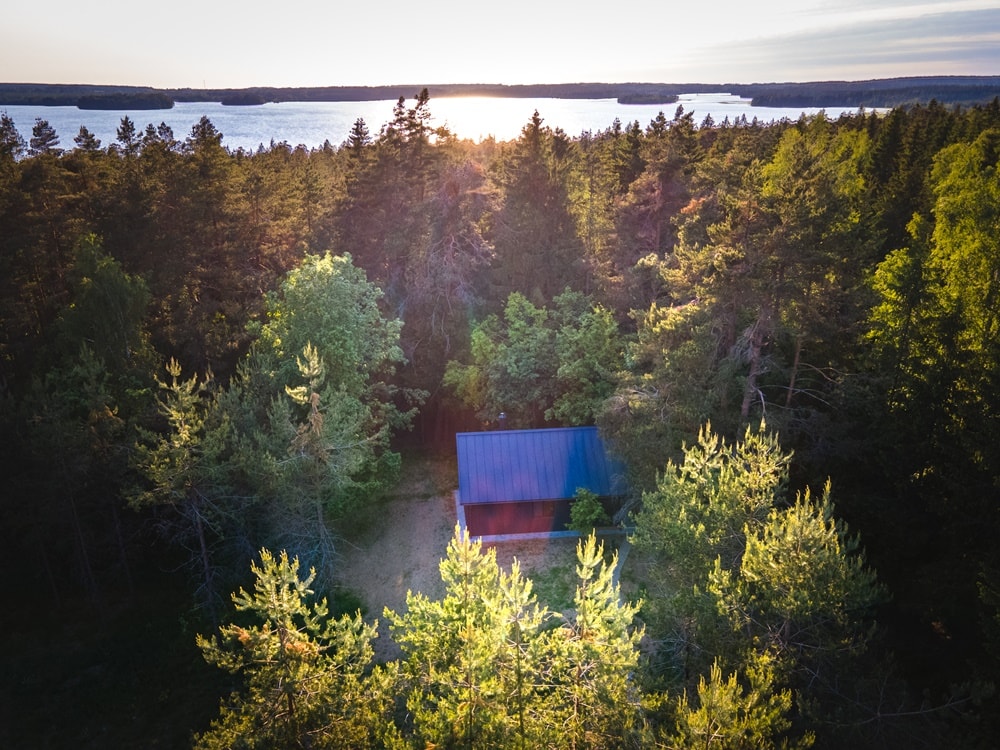
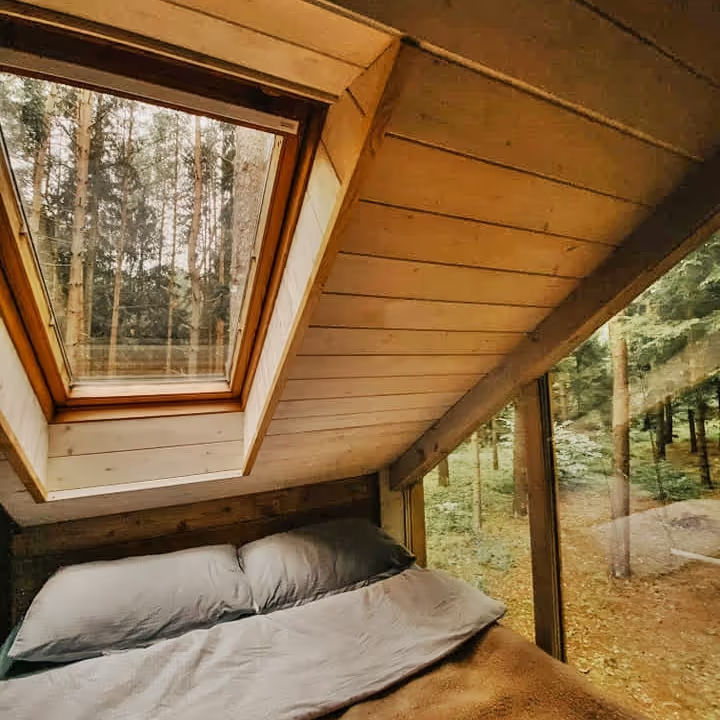
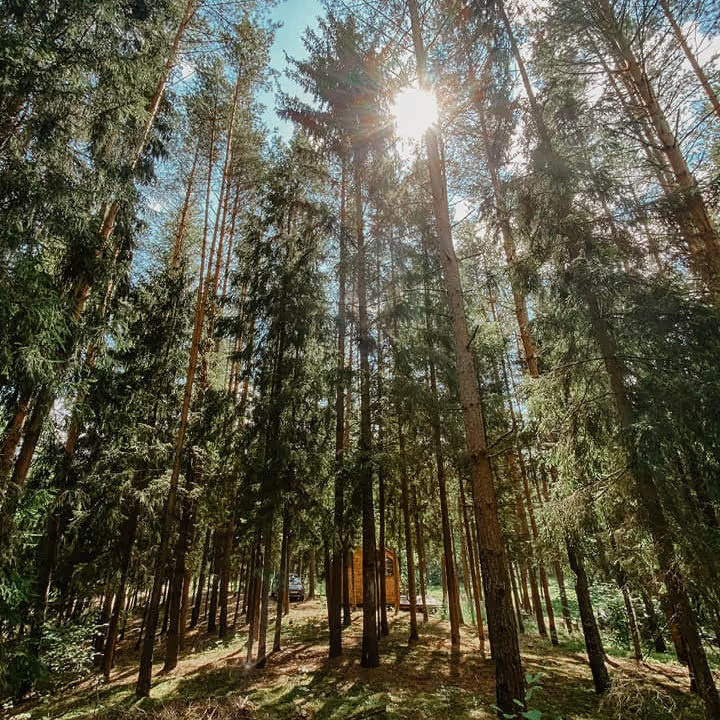
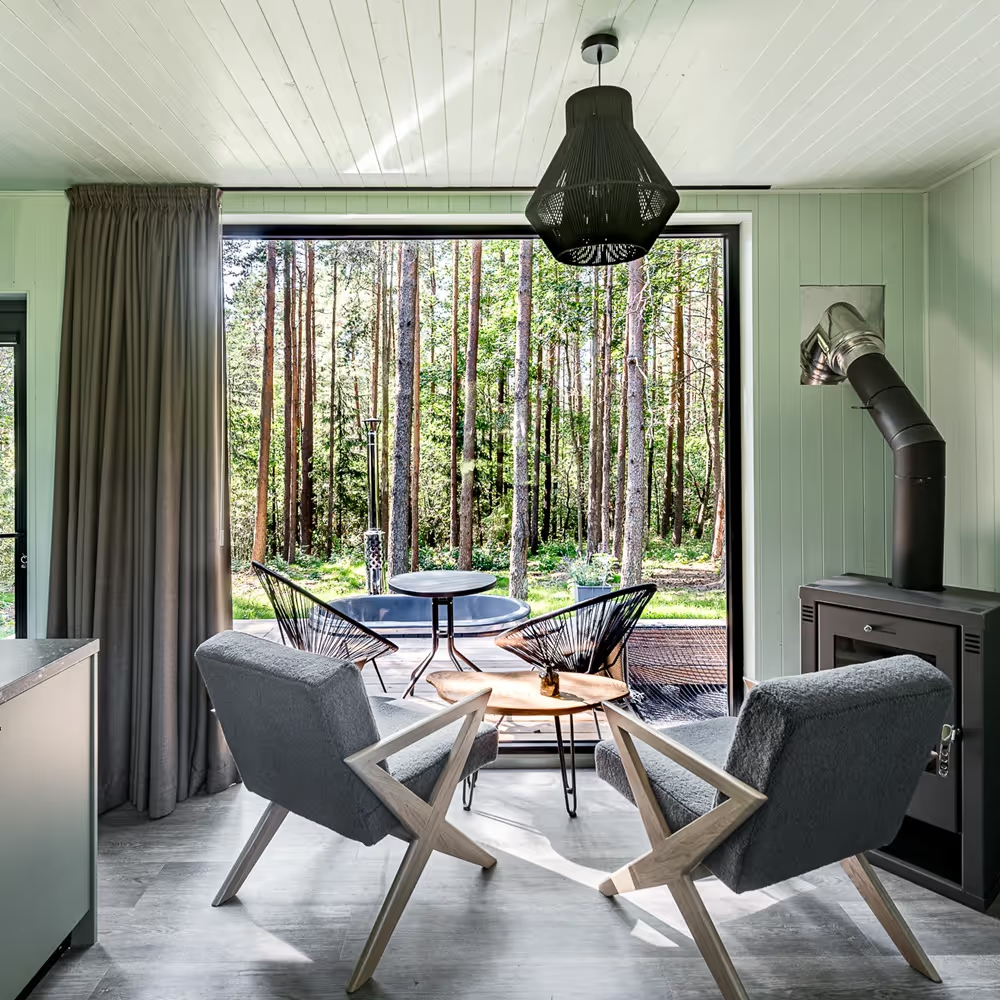
If a mere sight of trees restores your zest for life, and the forest’s nighttime whispers work like a sleep app—Lithuania is made for you. About 80% of Lithuanian listings on Slowhop start with “we’re in the forest.” You’ll also see “in a forest by a lake,” “by a river,” or even “by the sea”—but be ready to discover nothing else on foot but deer and hares. With coniferous woods all around, buying a plot deep in the wilderness is as routine for a Lithuanian host as barn renovations are for a Polish one.
The crème de la crème of stays are those hidden even farther, beyond the first ten kilometers of woodland: in primeval forests like Labanoras in eastern Lithuania or near Punia and Raigardas in the south.
Slowhop’s take: Spending a few days alone with the woods is an experience worth having—no city noise by day, no artificial lights at night. Approach it with curiosity; you might discover untapped reserves of strength.
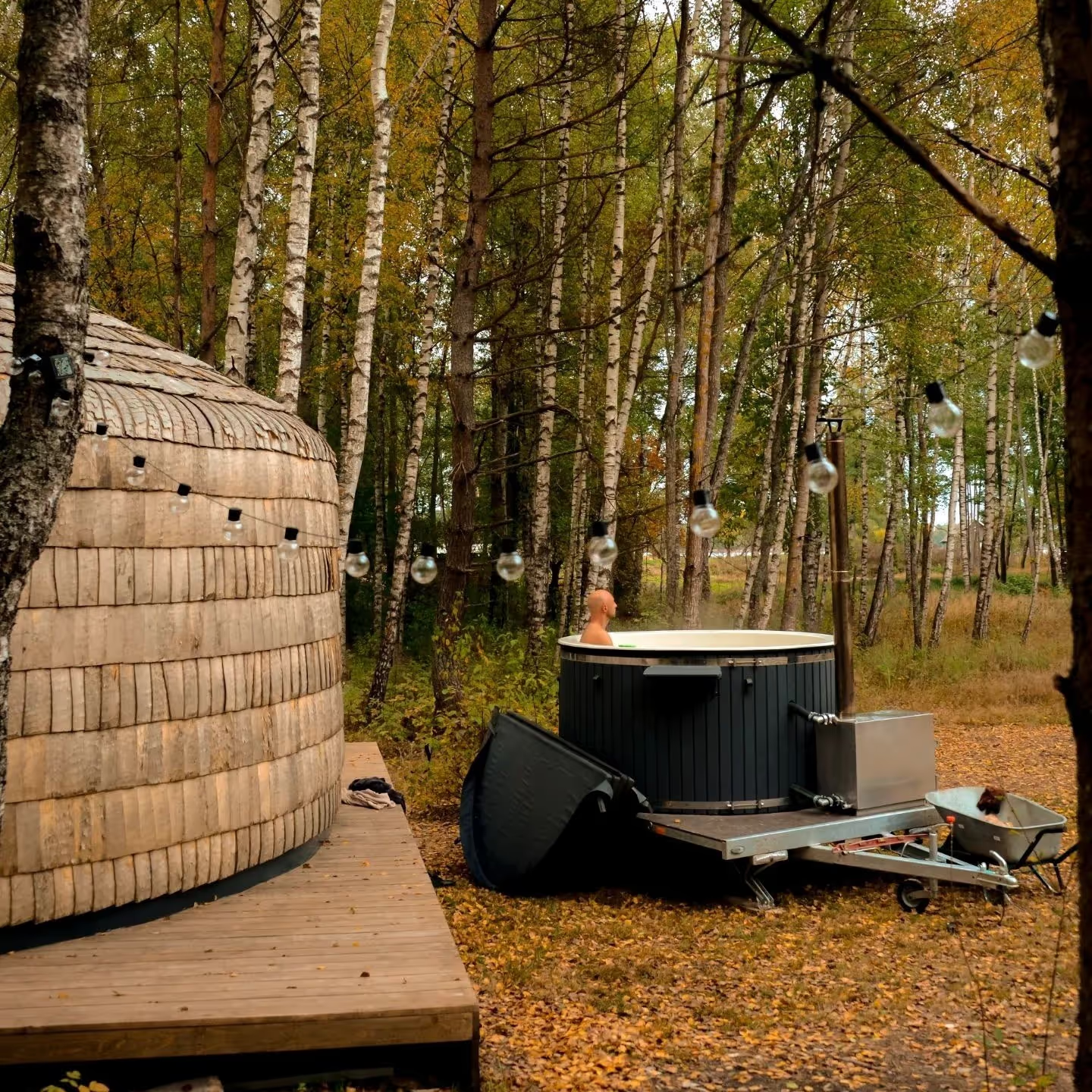
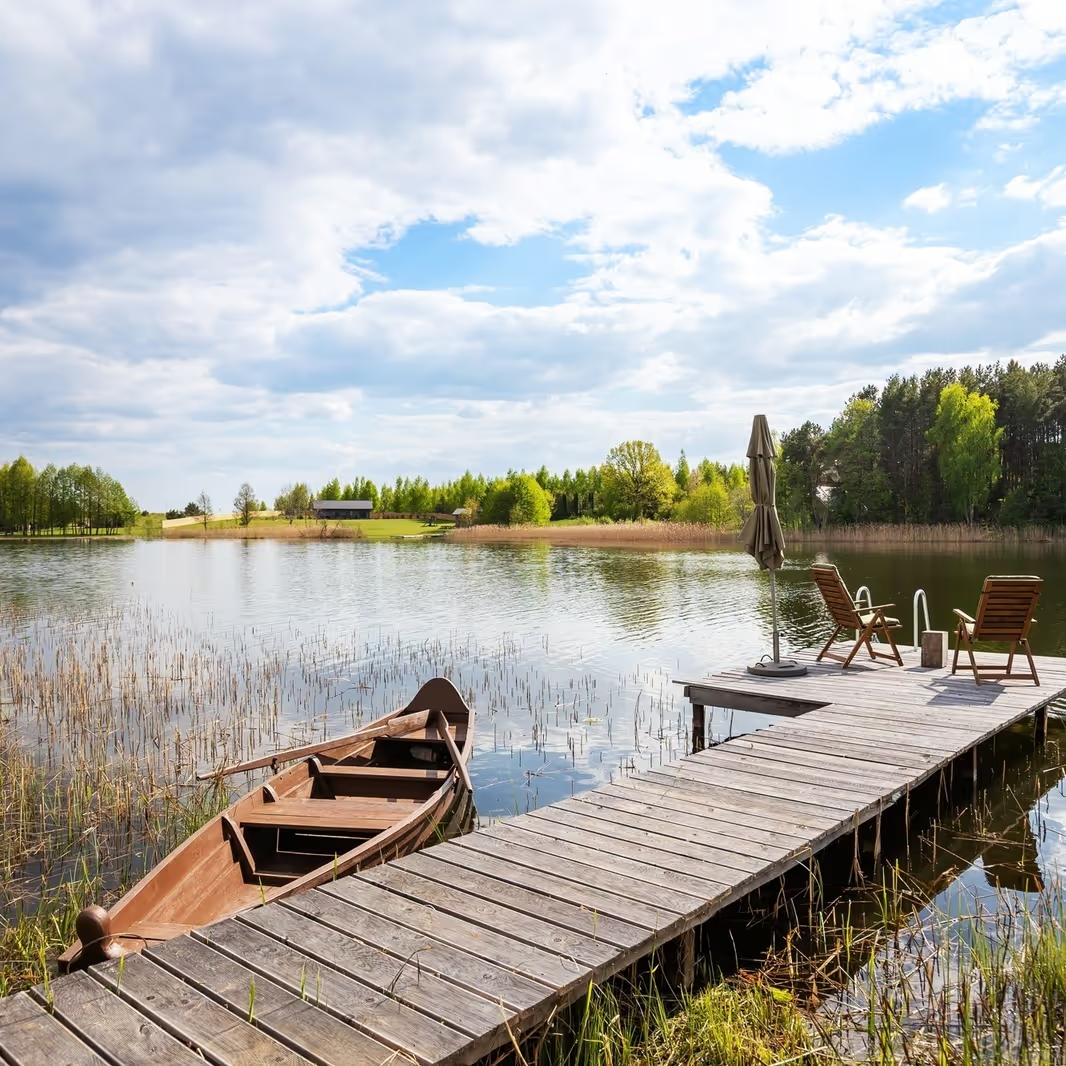
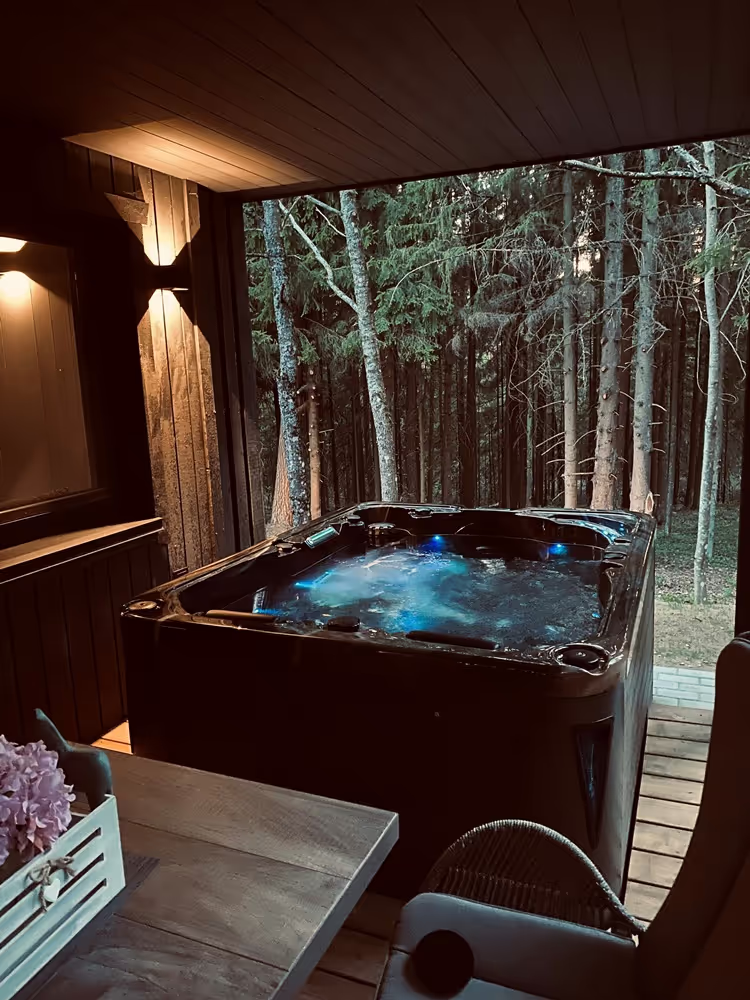
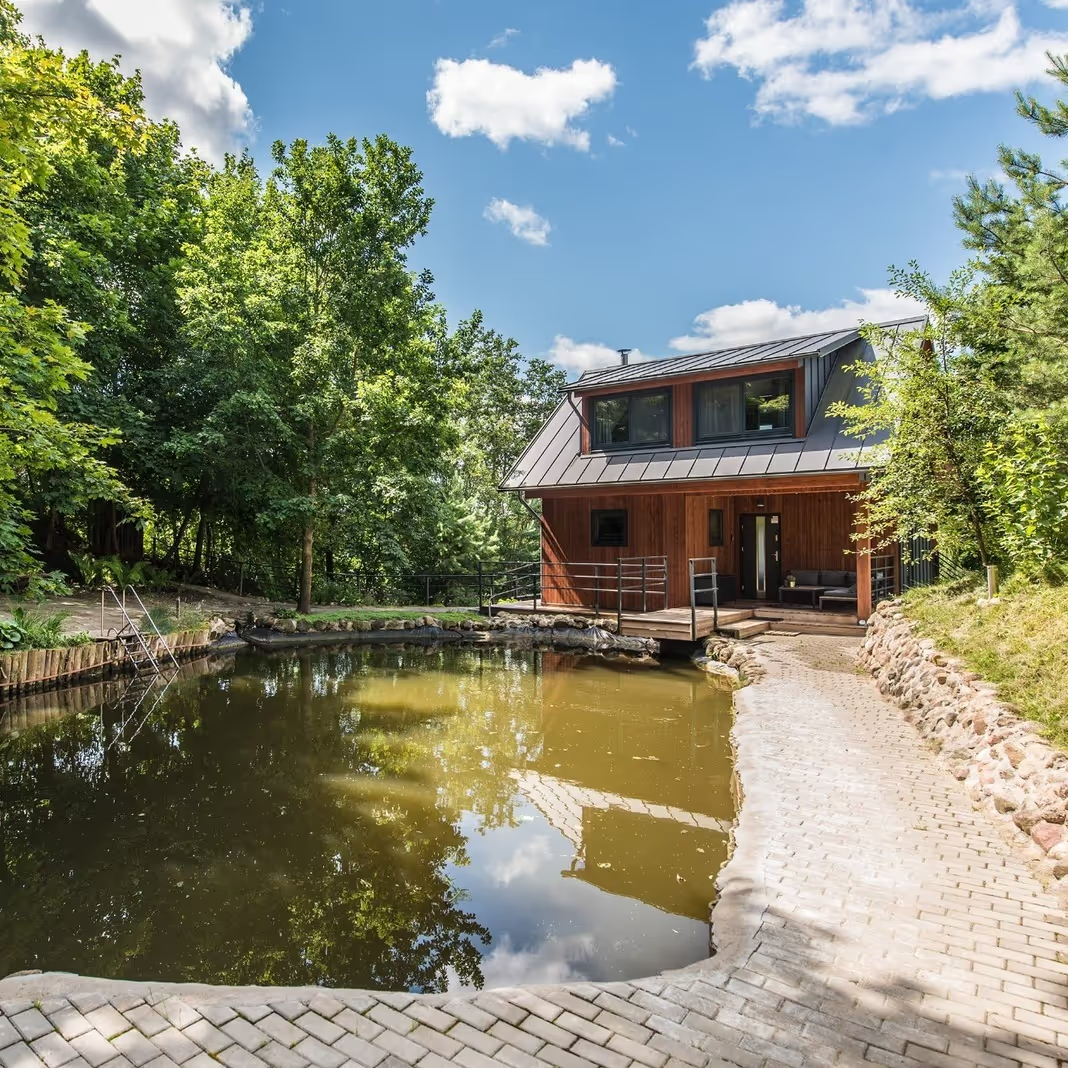
Photos show cabins: Cocodeno, Luna, Getaway to Forest Cab, and Brendis Forest Spa
Hope is in the water
All waterfront stays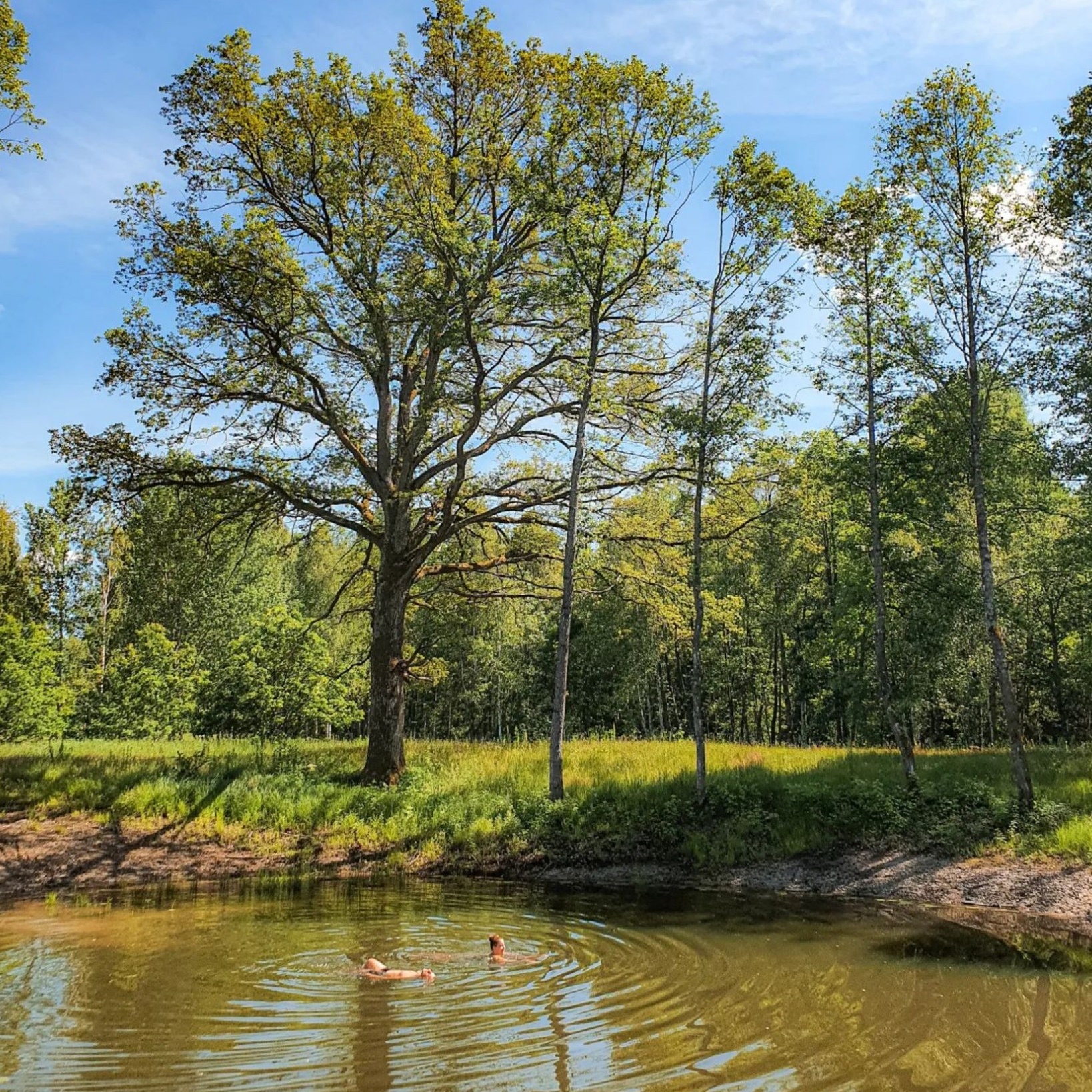
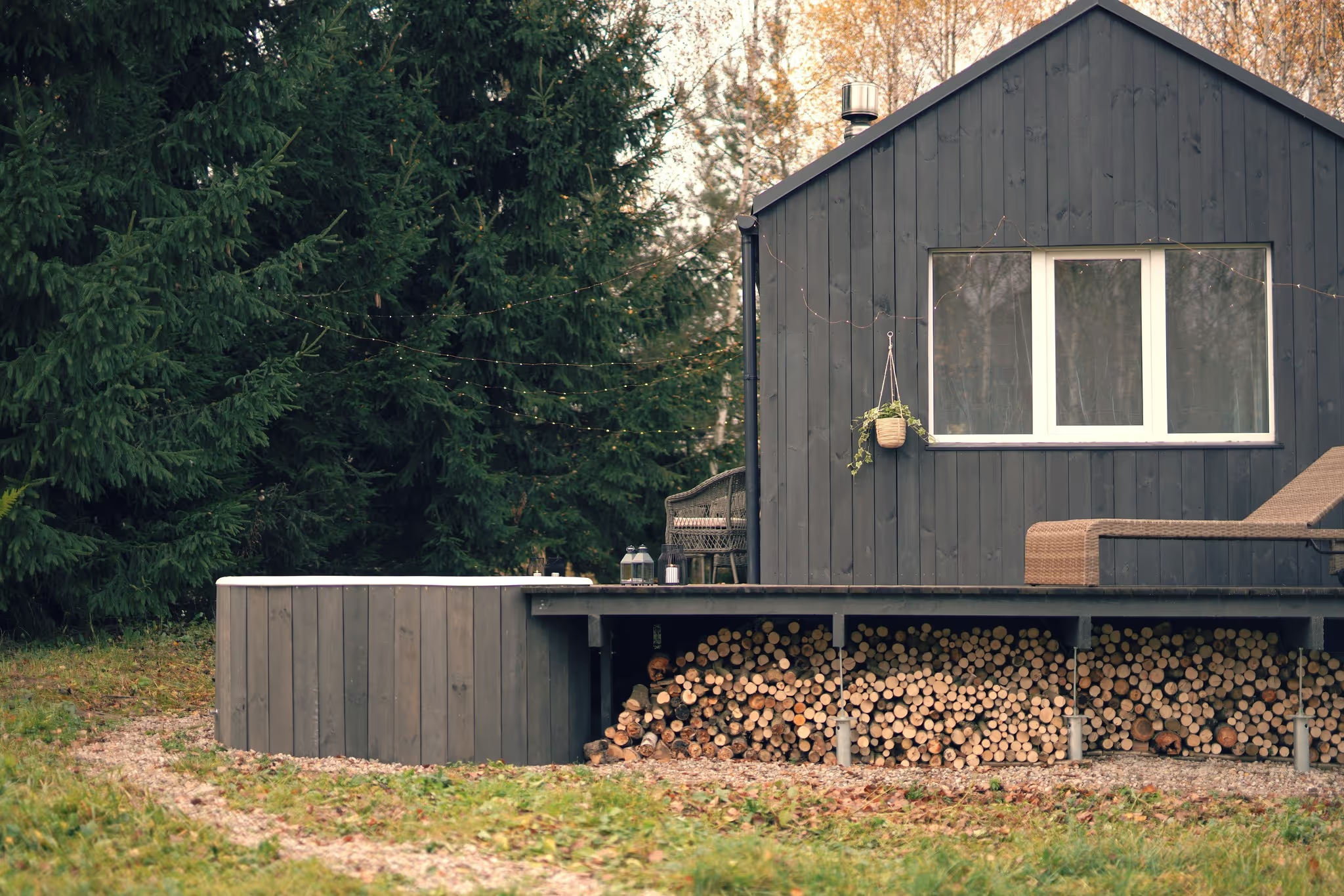
Lake, pond, river, ice hole, bubbling hot tubs, steam. Do your batteries recharge as quickly in water as ours do, and does the idea of an afternoon in a whirlpool send happiness hormones racing?
Like forests, water in its many forms is a staple of vacations in Lithuania. For such a small country (five times smaller than Poland), there are nearly 6,000 lakes, 1,000 large man-made reservoirs, and over 30,000 rivers and streams. The areas north and west of Vilnius are especially rich in water, which is why the map of Lithuanian spots on Slowhop is densest there.
Those are the surface waters. The other must-do is bathing in natural mineral springs—brine with a mineral content of about 5,600 mg/L. A warm brine bath is a great winter alternative for those who’d rather skip the ice plunge. Try the spa towns of Druskininkai or Birštonas.
Slowhop’s take: Near Klaipėda, you can bathe in midair—round tents suspended in trees with hot tubs alongside! Or try an upgraded Mongolian yurt—the tub here replaces a bathtub, so soak to your heart’s content without a second thought.
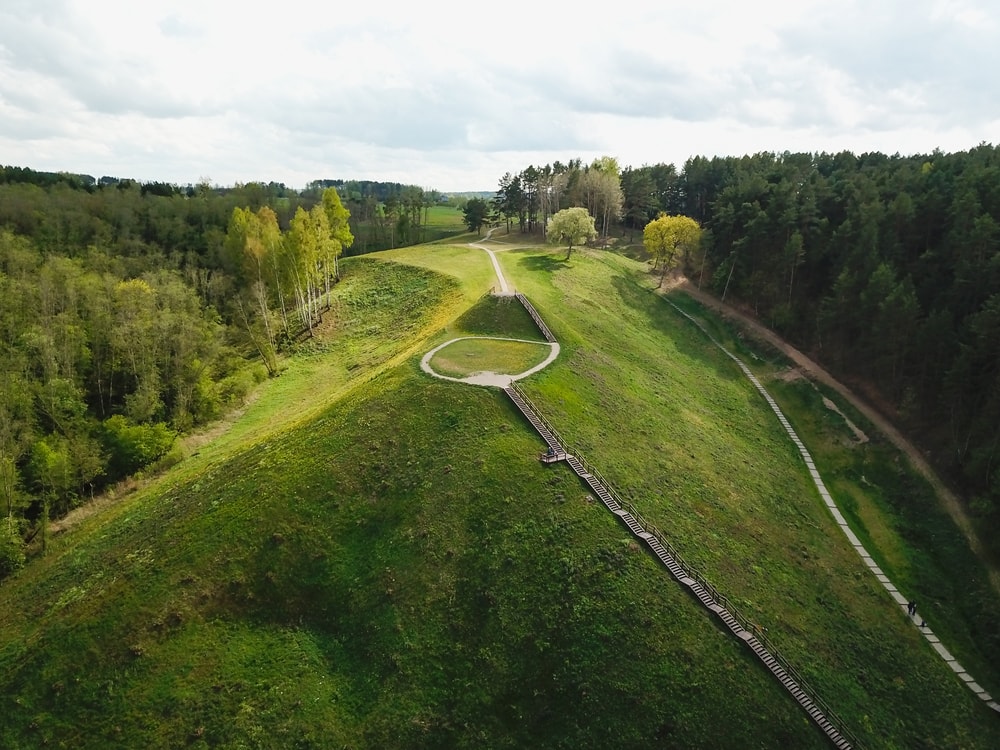
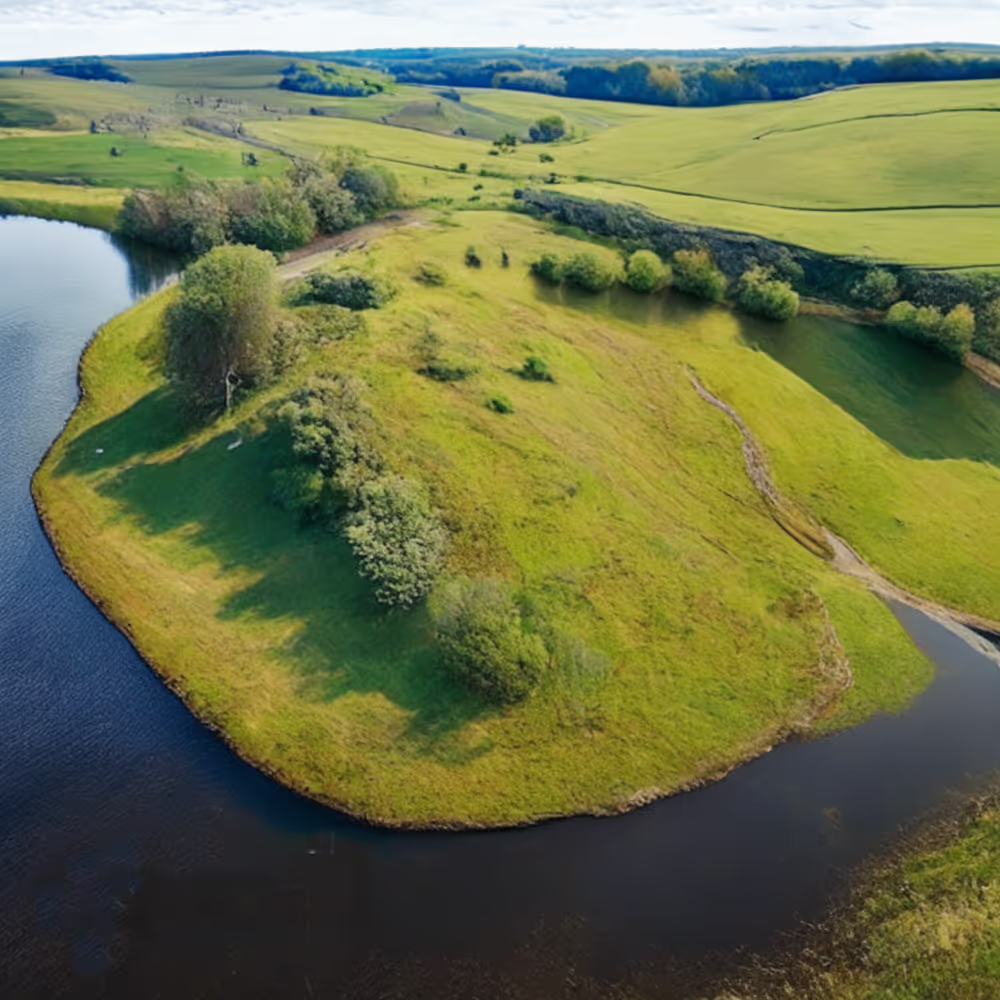
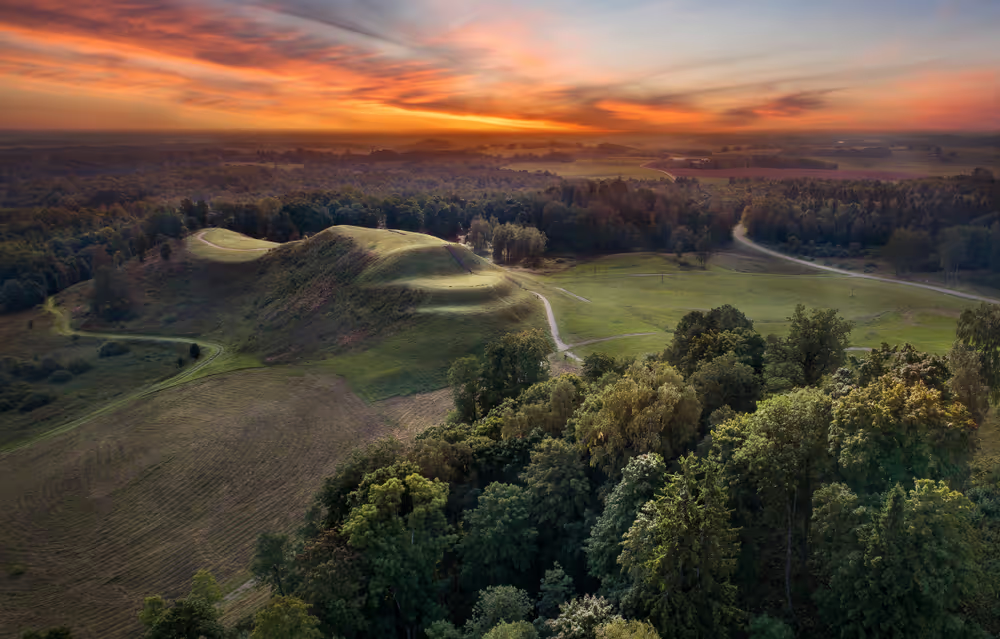
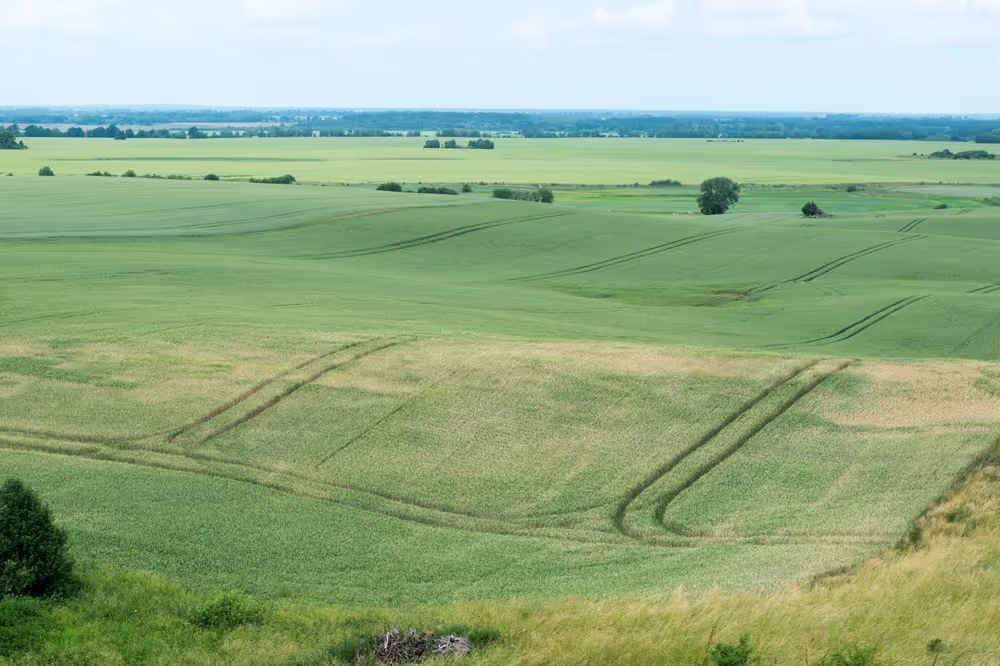
In a nutshell, Lithuania is a gently rolling plain, ideal for walking or cycling. You won’t find a single hill over 300 meters above sea level, and real mountains are out of the question. What you will see, though, are prehistoric hillfort mounds—leftover earthworks from pagan temples, defensive structures, and burials before Lithuania’s Christianization.
Almost any spot you visit will have one or more of these mounds nearby. Many have stairs leading to the top for panoramic views. Some are quite large; others modest, but knowing they were built in the Bronze and Iron Ages makes their survival to this day remarkable. Around a thousand have been preserved nationwide—the highest density in the world by area.
Slowhop’s take: Ask your host to recommend a nearby hillfort. In southern Lithuania, Liškiava and Merkinė offer stunning views of the Nemunas River; in Samogitia, head to Šatrija or Medvėgalis; in central Lithuania, Pypliai near Kaunas and the “Lithuanian Troy” reserve in Kernavė—five beautiful mounds in one site—are unmissable.
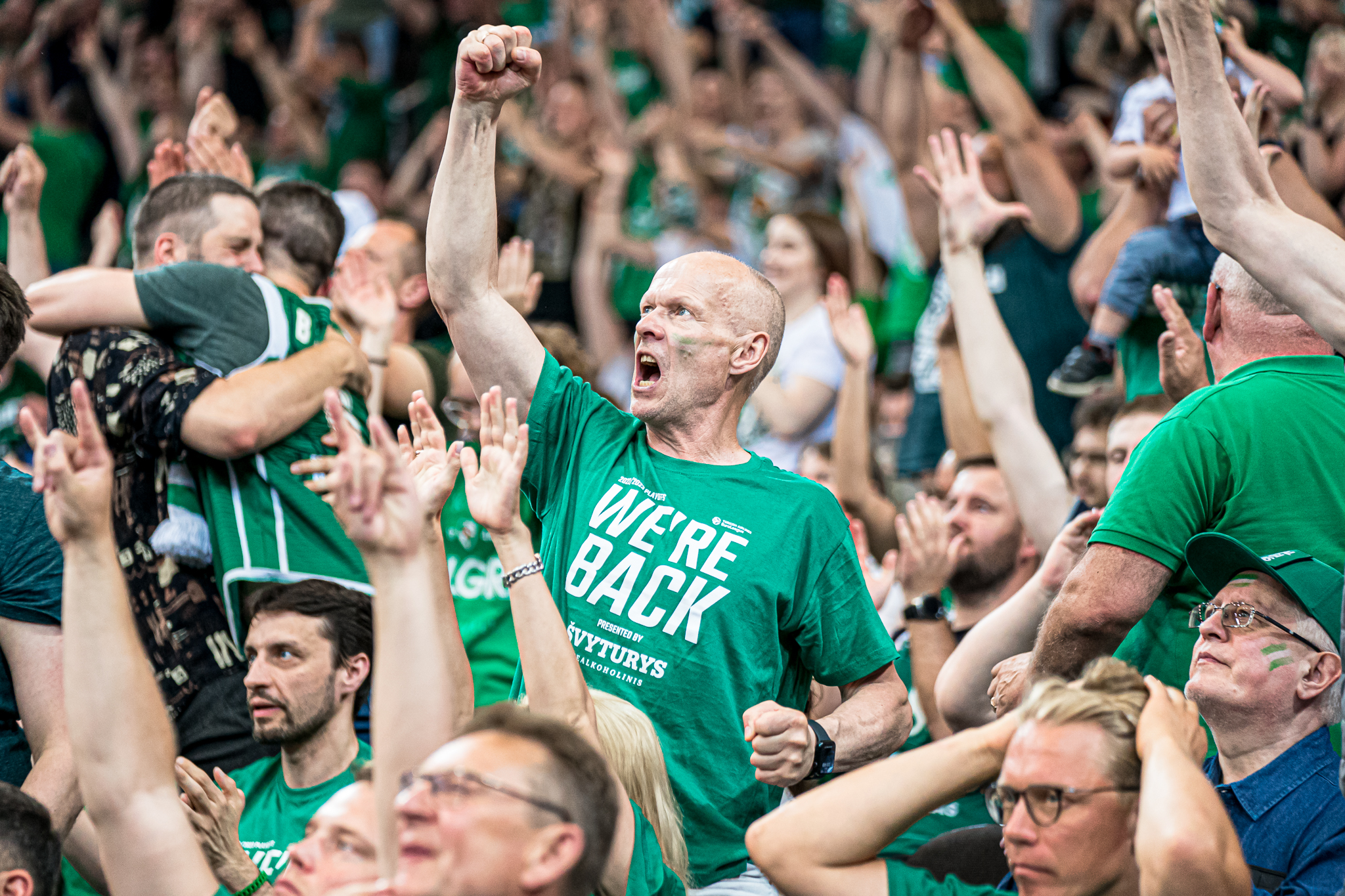
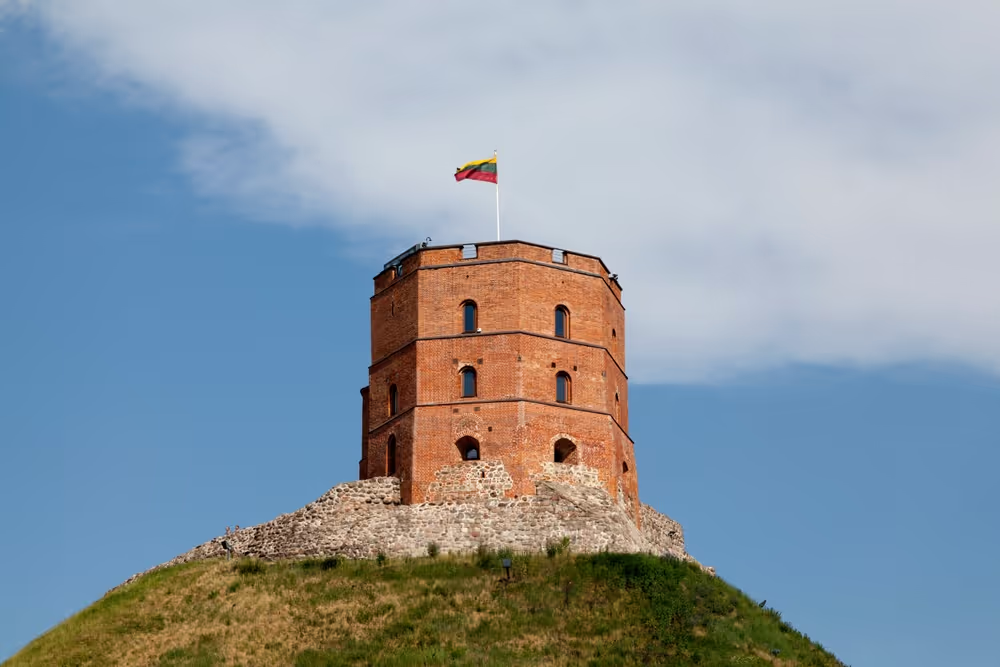
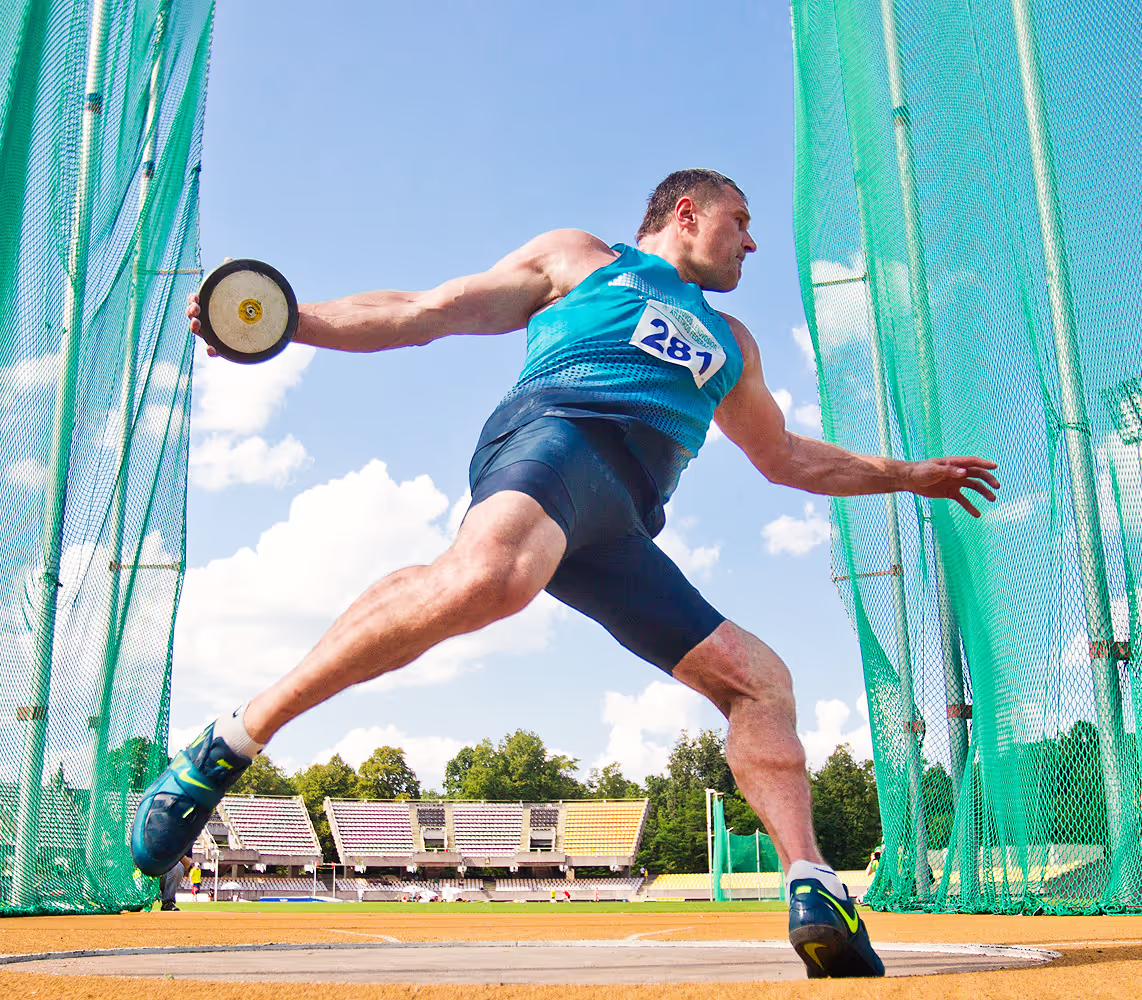
Lithuania may be small, but it has the soul of a mighty warrior. Just look at its city symbols: the Iron Wolf for Vilnius, and the Forest Bull for Kaunas. Lithuanians are proud to have been the first Soviet republic that the USSR couldn’t break. Other points of pride include the Battle of Grunwald (known in Lithuanian as Žalgiris), beating Team USA in basketball at the 2004 Olympics, and joining the EU that same year.
Surrounded on three sides by Slavic cultures, Lithuania has held onto its Baltic roots. Contrary to popular belief in Poland, the Lithuanian language has more in common with Latin and Sanskrit—direct descendants of Proto-Indo-European—than with its immediate neighbors. But don’t worry about a total language barrier: in eastern and southern Lithuania you’ll often find people who understand Polish; in the west and north, English gets you by.
Slowhop’s take: To feel more at home in Lithuania, remember it’s perfectly normal to address new acquaintances by their first names: Asta, Marius, Algis. It doesn’t automatically mean switching to informal speech, but it does help skip the typical social distance.
Photos: Žalgiris club fans | Lithuanian discus thrower Virgilijus Alekna
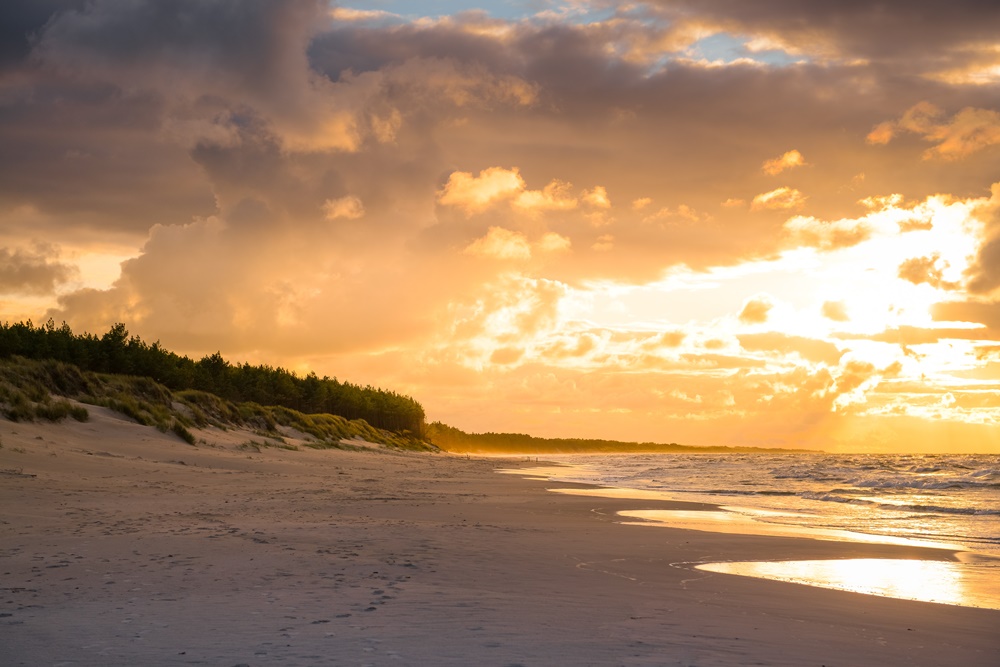
It’s a long June weekend, and once again bumper-to-bumper traffic heads for the Polish coast—hours baking in the heat before you can enjoy a sliver of hot sand, cold water, salty air, pine trees, and the nearby sunshade neighbors who managed to snag their spot first.
If you’d like to try something different—with the same cold water, salty air, and beautiful pines, but with far better views all around—consider the Baltic Sea from Lithuania’s side. Yes, it’s farther, but trust us, the trip is worth it.
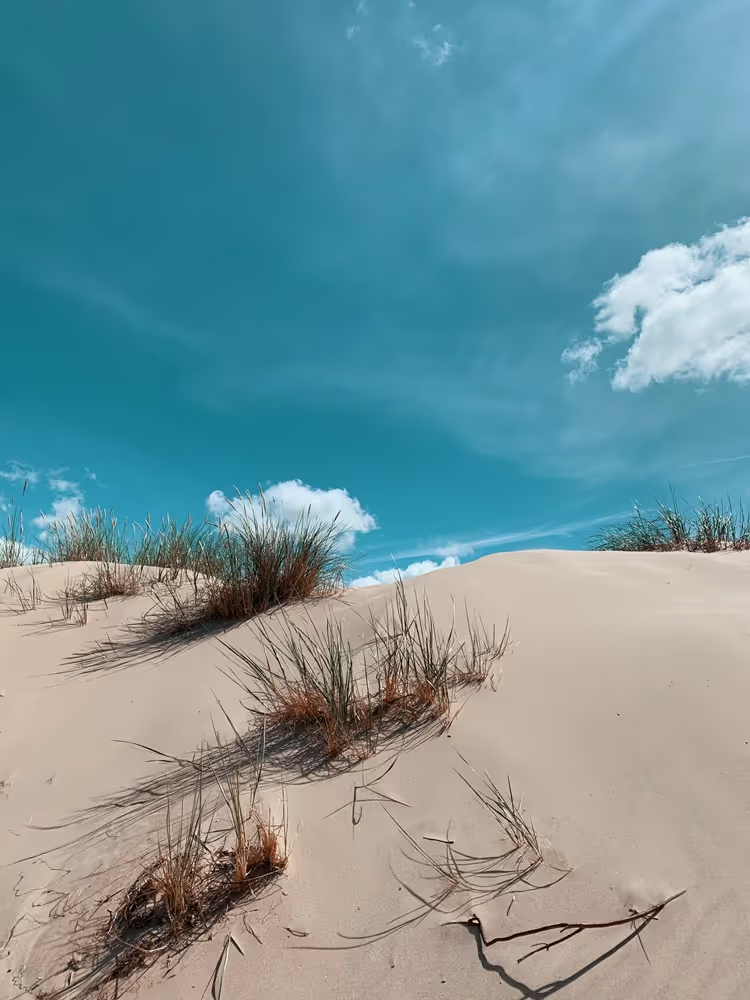
In short, Lithuania’s coastline means fewer stalls, less junk and billboards, more breathing room, a stronger sense of aesthetics, and unbelievably beautiful migrating dunes (a UNESCO site).
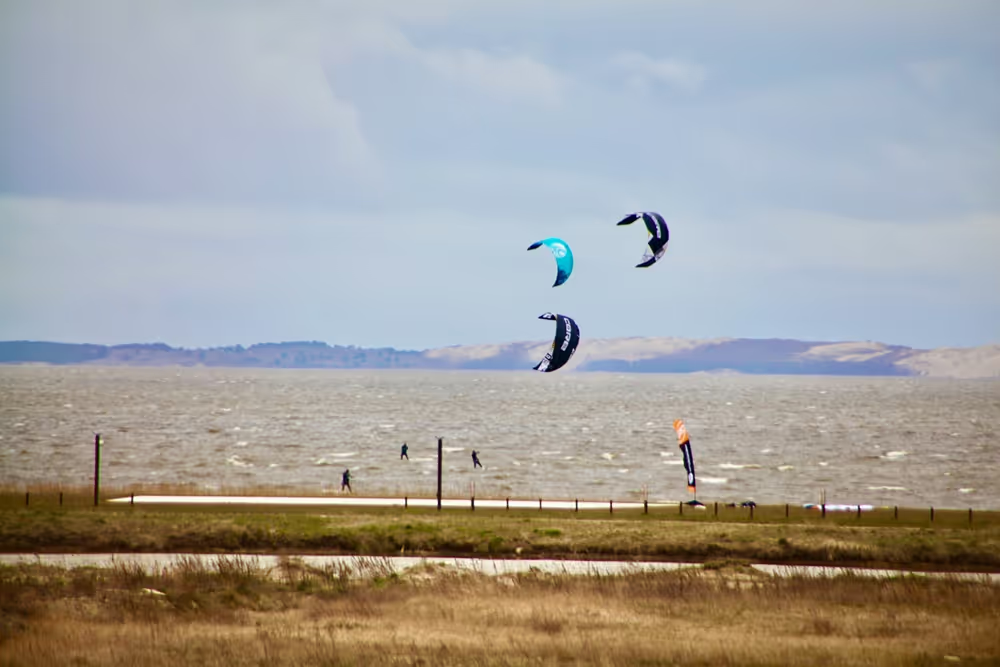
Slowhop’s take: A trip to the Lithuanian coast can include exploring Klaipėda by bike, a ferry ride along the Curonian Spit, local fish festivals, or some SUP, windsurfing, or kitesurfing.
Lithuanians don't live on cepelinai alone...
All food stays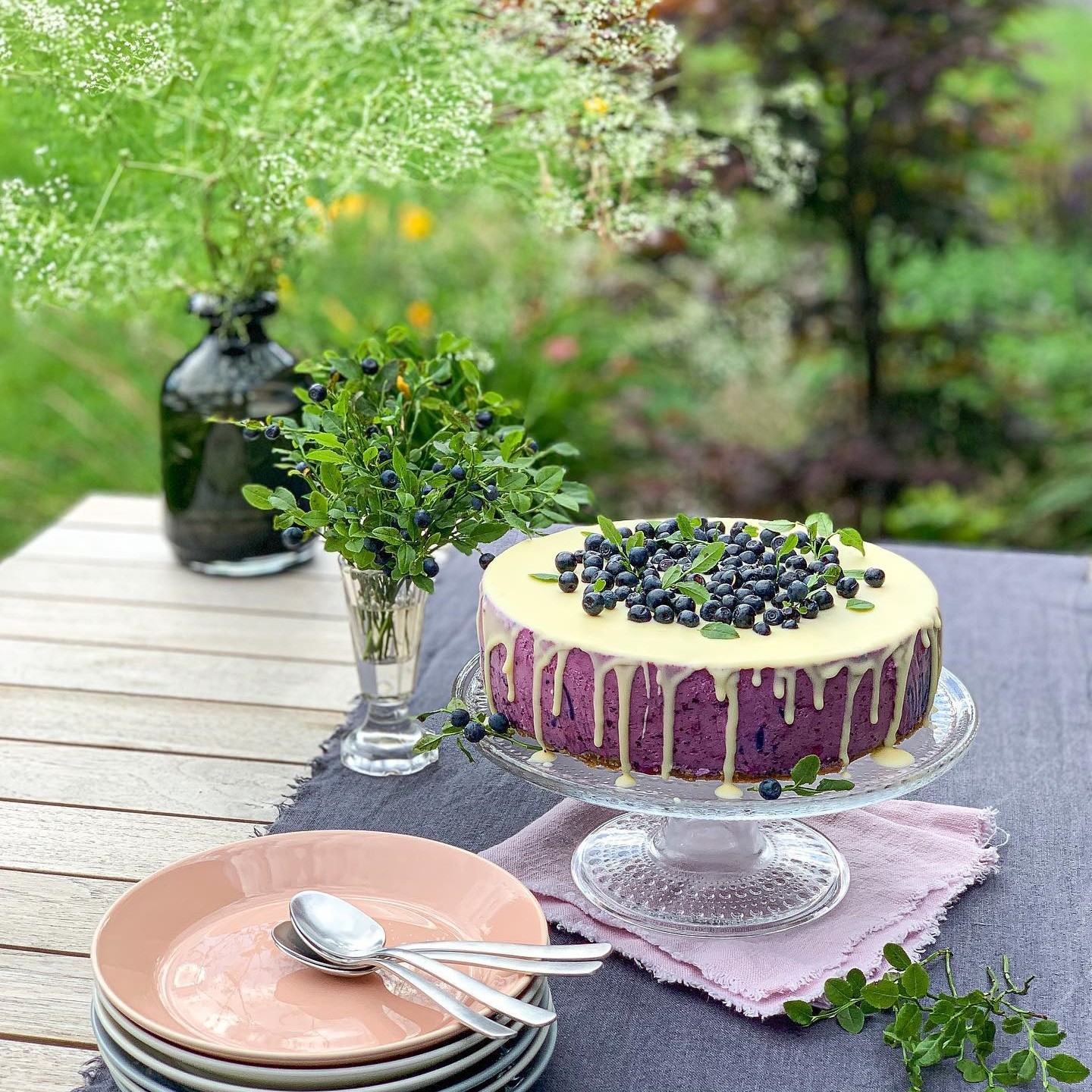
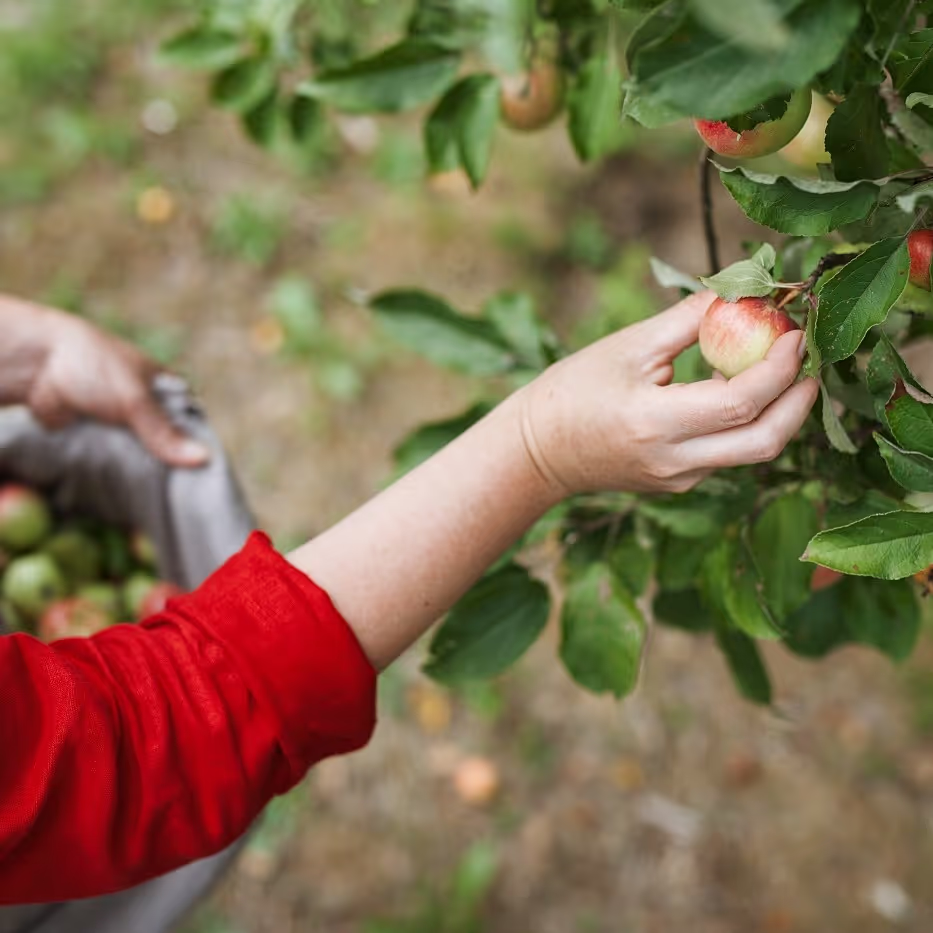
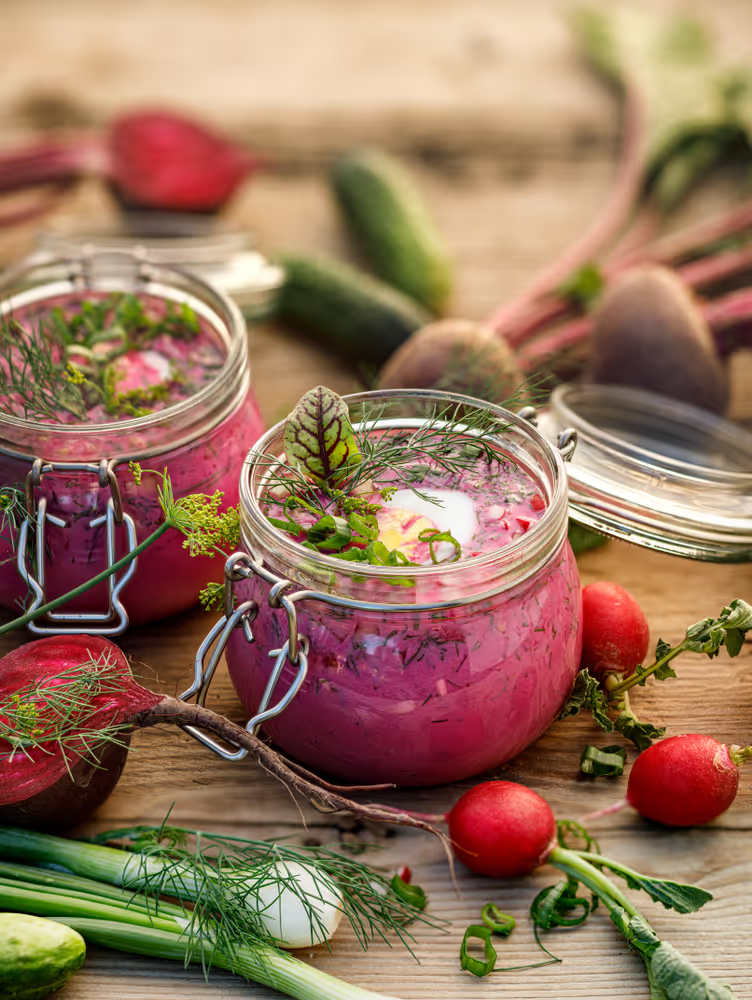
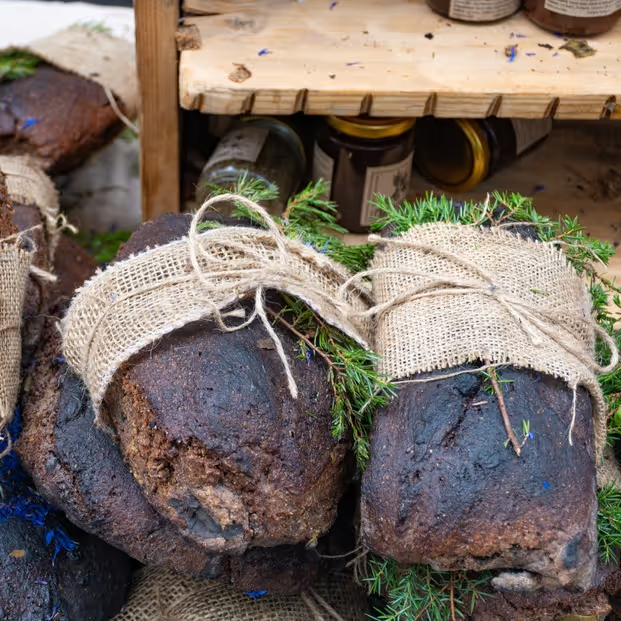
Ask about Lithuanian cuisine and you’ll hear “spit cakes and potato dumplings (cepelinai).” The more experienced will add that local liqueurs, beer, and bread are worth tasting—and if you’re adventurous, boiled pig’s ears with peas. True foodies will mention traditional apple cheese (once only at grandma’s stand, now in supermarkets), hard cheese Džiugas, kindziuk (Skilandis) smoked sausage, pink cold beet soup, and sweet little cheese curds.
Yes, Lithuanians still love all these treats, and they’re not hard to find—except for spit cakes and potato dumplings, which you’ll only see in select restaurants as they’re time-consuming to make.
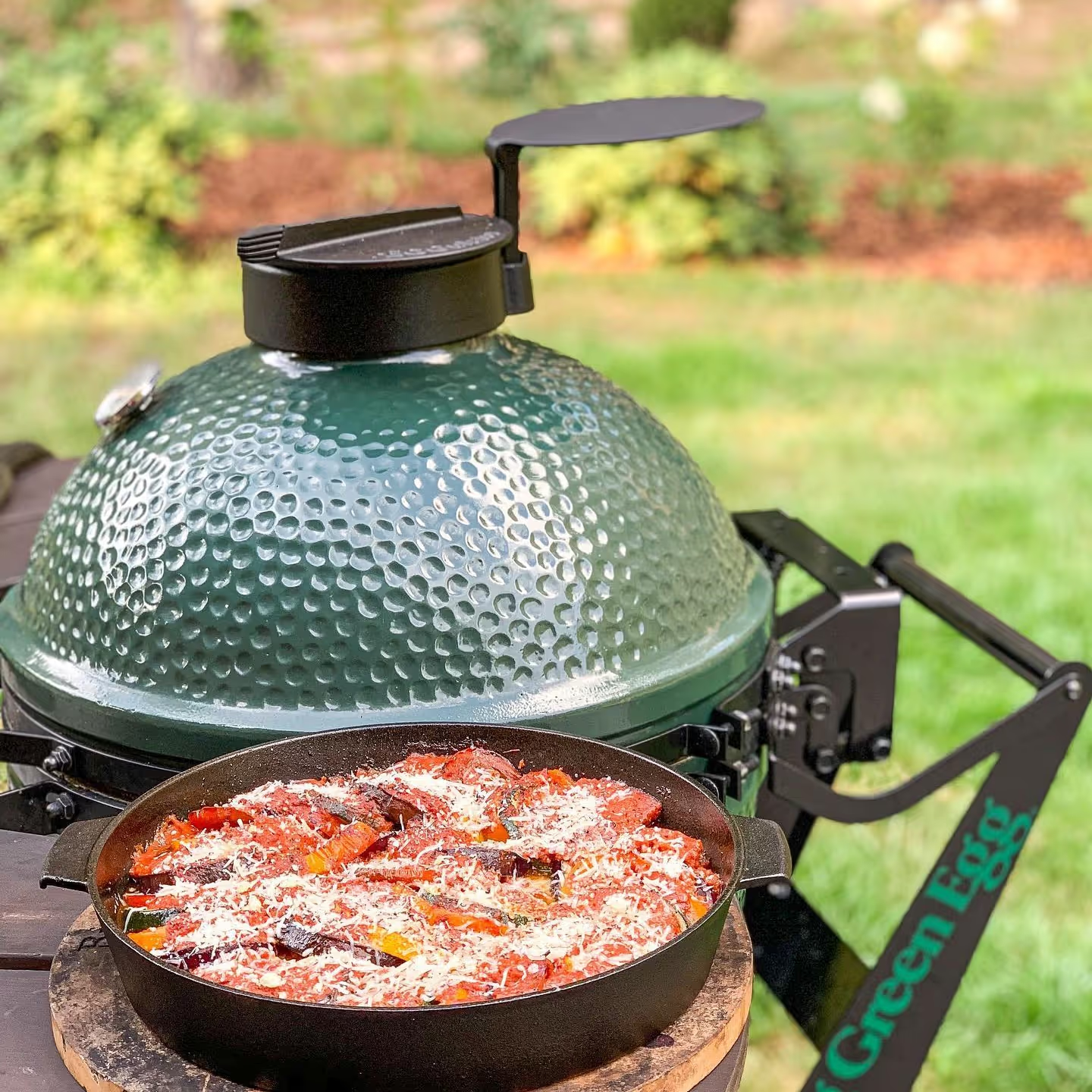
But many Lithuanians, especially those returning from abroad, are embracing healthier, seasonal, and—thankfully—creative cooking. Rather than copying Middle Eastern or Italian dishes, they adapt them: mozzarella on pizza becomes local caraway cheese, shakshuka gets chanterelles, lasagna bakes in zucchini sheets...
Slowhop’s take: If you visit Kurorto namas, you’ll meet seasonal cooking champ Renata. At Palaima, you’ll find Swiss, Lithuanian, and French twists. With Greta, home-smoked cheeses await. Many hosts offer homemade herbal teas and neighbor’s honey. And don’t miss small markets (turgus) for sea buckthorn syrup, cured meats, and colorful cherry tomatoes.
- Lithuania is a small country where you’ll find space to connect with yourself and loved ones: in forests, on the beach, or by the sea.
- You can get there by car, camper, bus (regular Flixbus routes), or train (Warsaw – Białystok – Kaunas – Vilnius).
- Bring your bike: every region is too vast to walk and too scenic to drive end to end.
- To break the ice, learn three basic words: Hi – Laba diena [LAH-ba dee-EH-na], Thanks – Ačiū [AH-choo], and Bye – Iki [EE-kee].
- Outside the local markets, you can pay with a Polish bank card everywhere. Calls in Lithuania cost the same as in the EU. Free Wi-Fi is available in every café.
- Explore back roads, support local farmers and artists – and the green power of this country will be with you ;)
Photos: Sunny Nights campsite
Want more slow getaways in Warmia?