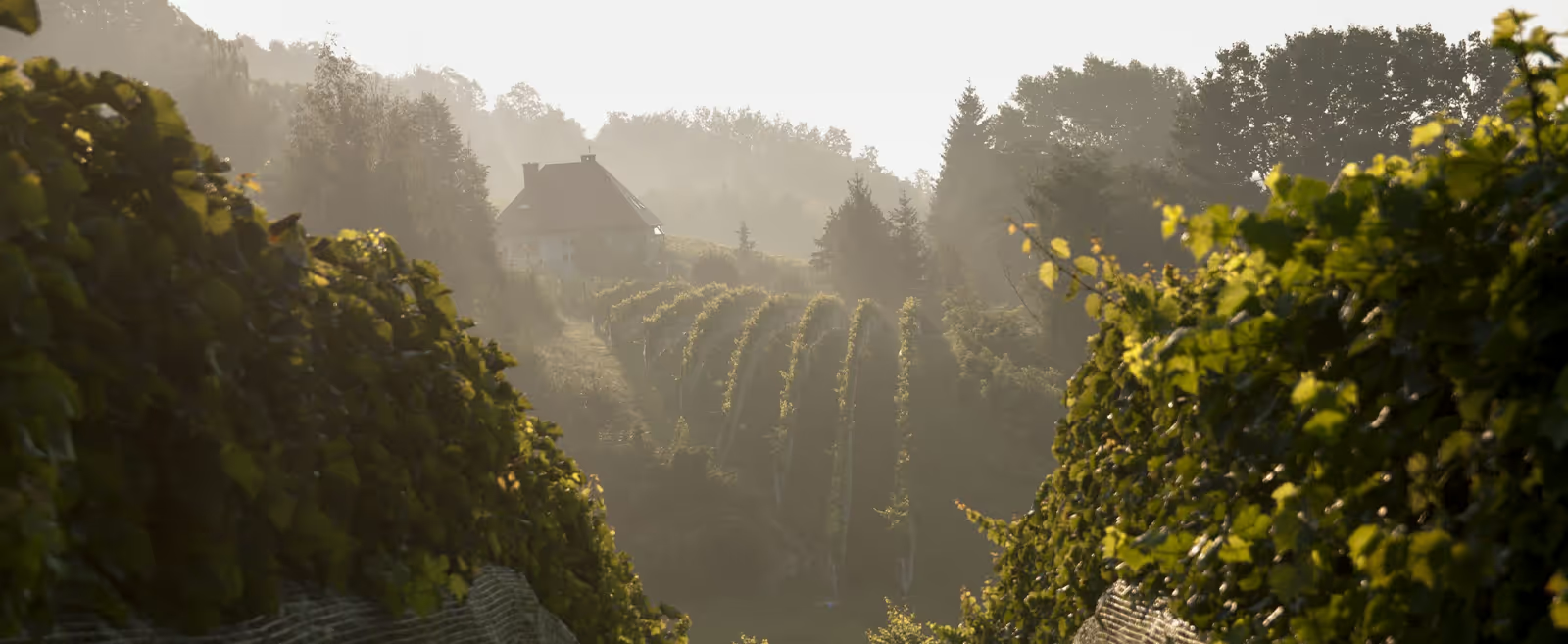
Uncorked: 6 Vineyards in Poland Worth the Trip
Polish wine enthusiasts are on the move. To visit every vineyard in Poland, you'd need almost two years of daily travels. Why go to Tuscany when you have your own at home? With over 600 vineyards spread across 1,000 hectares, this isn’t small time. On the map, Subcarpathia (Podkarpacie) and Lesser Poland (Małopolska) lead the way, but Lubusz and Lower Silesia aren’t far behind. Smaller plantings pop up across the country—on the rolling fields of Roztocze, in remote Podlasie, and even in central Poland.
The rise of Polish winemaking has fueled wine tourism—the fastest-growing branch of travel worldwide. New trails, maps, and festivals are dedicated to growing and tasting local wines. This isn’t just a fad: the number of vineyards has steadily climbed from just 20 in 2010. Poland’s first bottled wine hit the market in 2009 from a Lower Silesian estate that’s still operating today. Now, you can taste classic varieties alongside experimental orange wines, sparklers, and other wine innovations.
If 2009 was the turning point for Poland’s wine industry, 2024 will go down in history for the launch of the Polish Wine Tourism Cluster. This national association of wine businesses—now 26 vineyards covering 160 hectares—works together to promote Polish winemaking, wine, and wine tourism across the country.
They say a good wine is whatever tastes good to you. Vineyard cultivation and winemaking are driven by passion, not just expertise. Among Poland’s 600 estates, you’ll find large-scale producers, small hobby vineyards (not to be confused with snails), and newcomers taking their first steps in viticulture. Some are family businesses that have grown into substantial estates. Many Polish winemakers handle every stage of production—from tending the vines to blending and labeling. And the labels themselves are works of art, often created by local illustrators and graphic designers. Vineyards invite you to impressive tastings and dinners among the vines, serving regional treats and sharing stories. Ready for the full experience? Check it out below.
Here are six top wine destinations—EnoSpots—across Poland where you can dive into wine tourism firsthand.
A Wine Tourist: Who Are They?
Learn moreCan you be a wine tourist without drinking wine? Absolutely. Wine tourism encompasses all activities related to grape growing and winemaking. Travel, workshops, tastings, vineyard tours, lazy afternoons under the vines, and active wine adventures—all of it. If it’s connected to wine, directly or indirectly, it’s part of wine tourism. Tasting is just one of many ways to experience it.
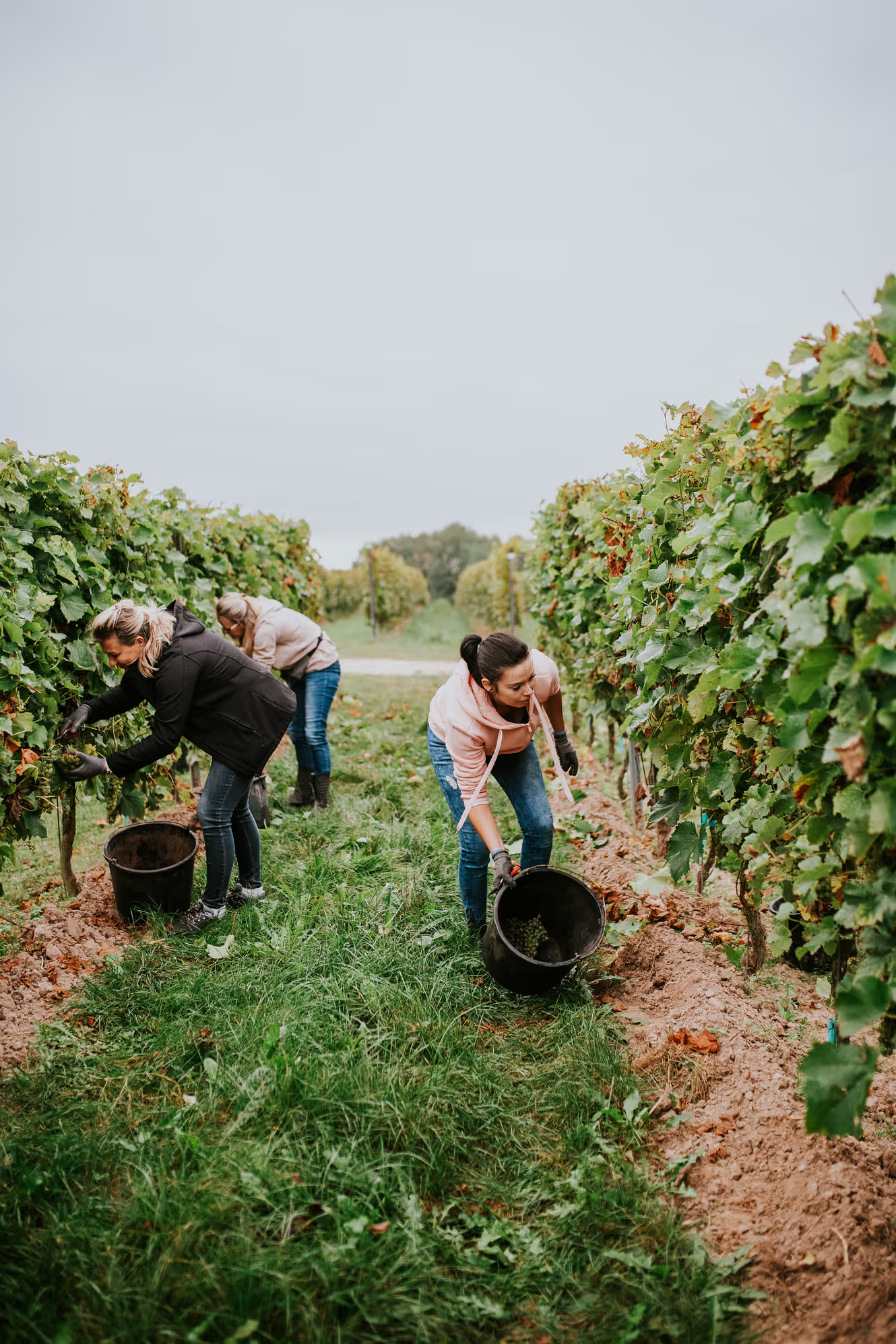
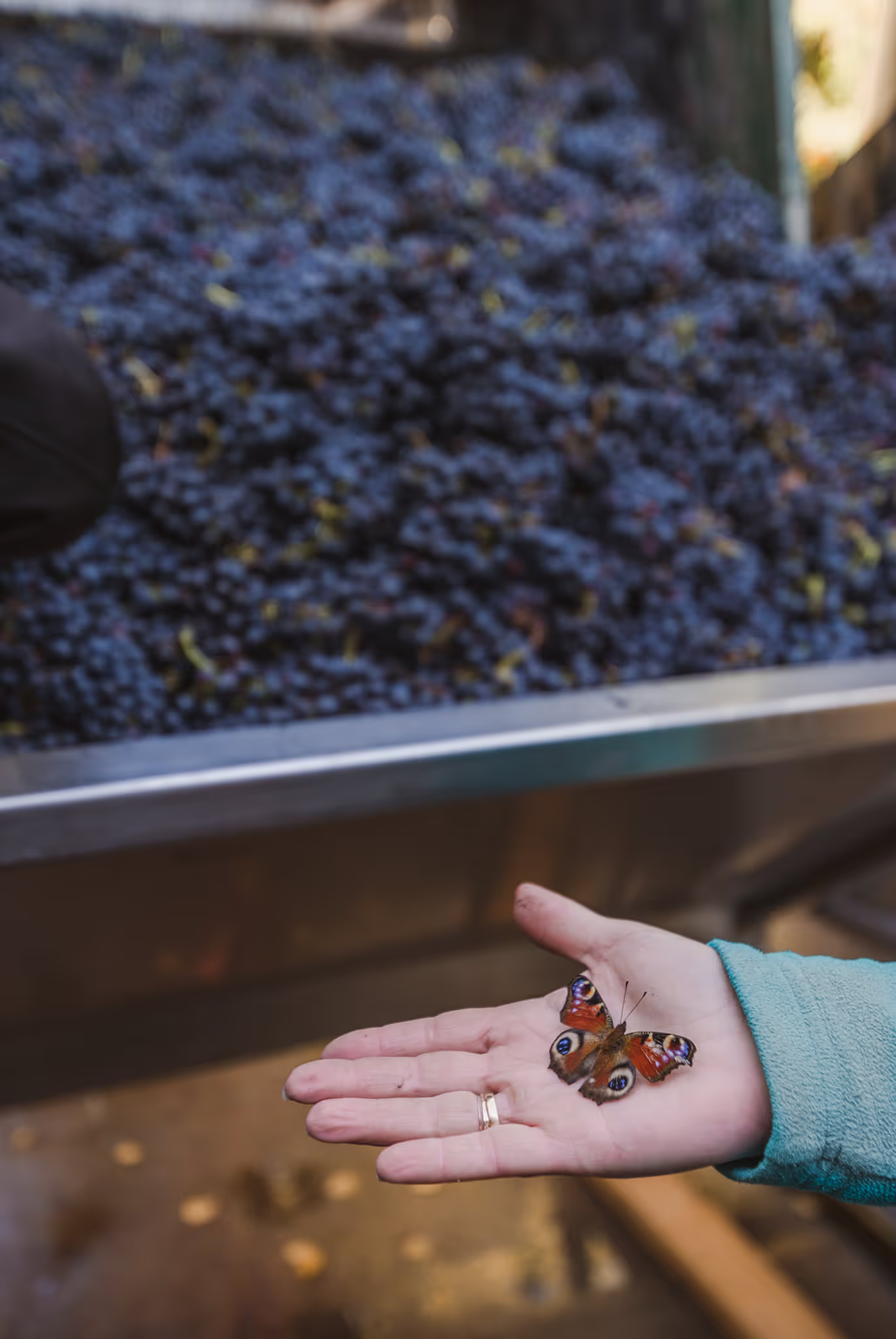
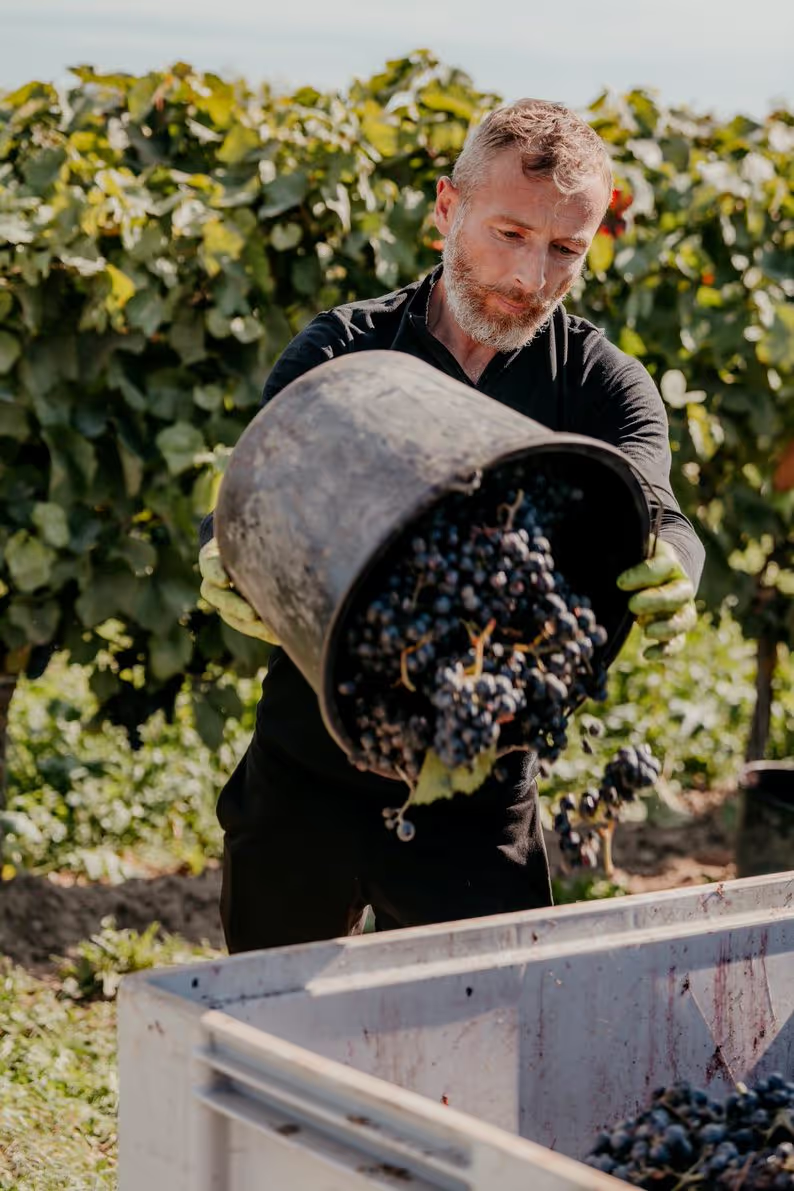
Photo sources: 1, 3, 4 Turnau Vineyard; 2 Widokowa Vineyard.
Turnau Vineyard
Find places to stay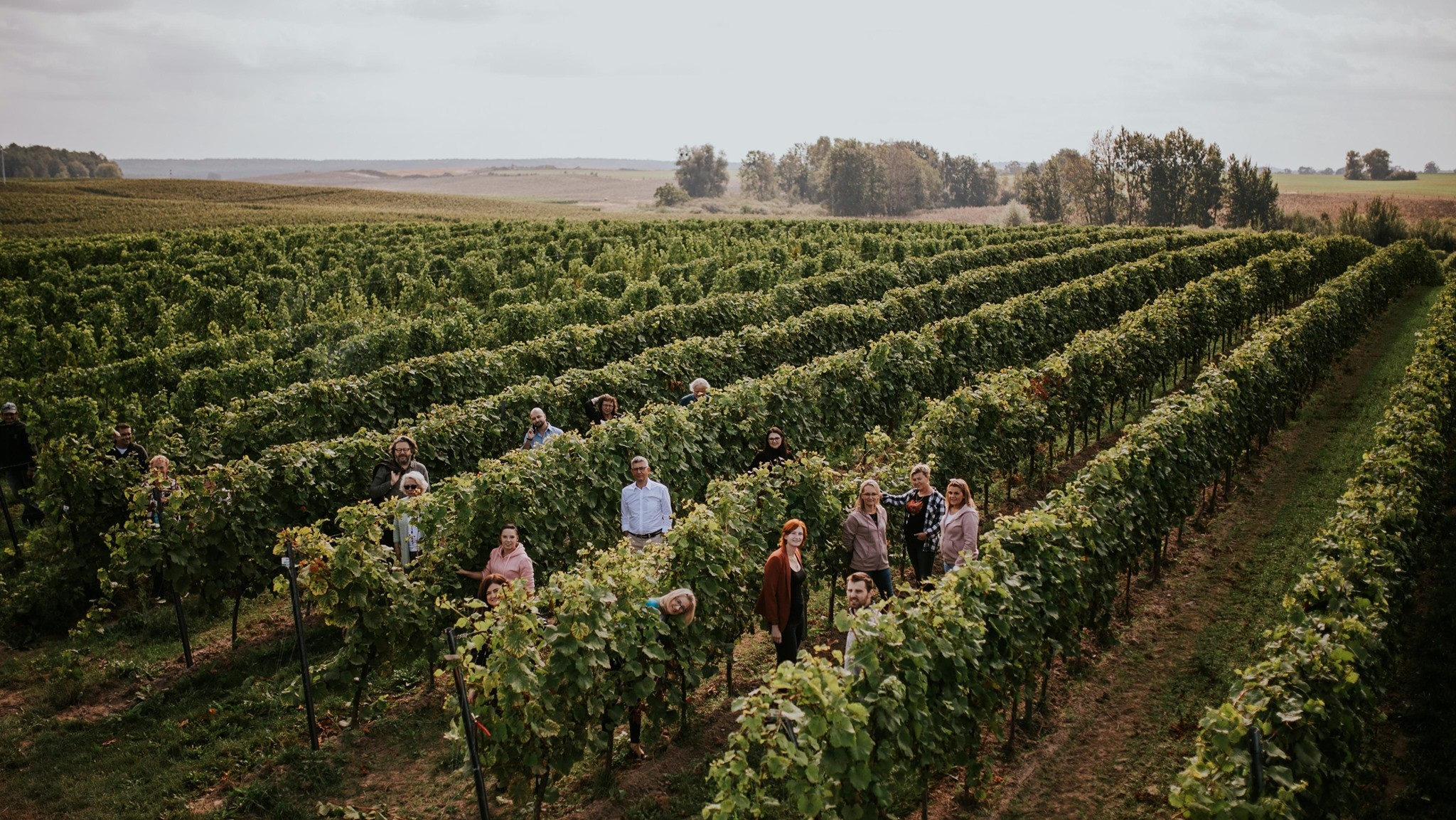
Would you believe it if we said that vines in Italy were listening to Mozart? Well, listen to this: in 2019, someone tested how music affects grape growth and flavor. Vines exposed to classical music grew healthier, bigger, dodged pests better, and produced tastier grapes.
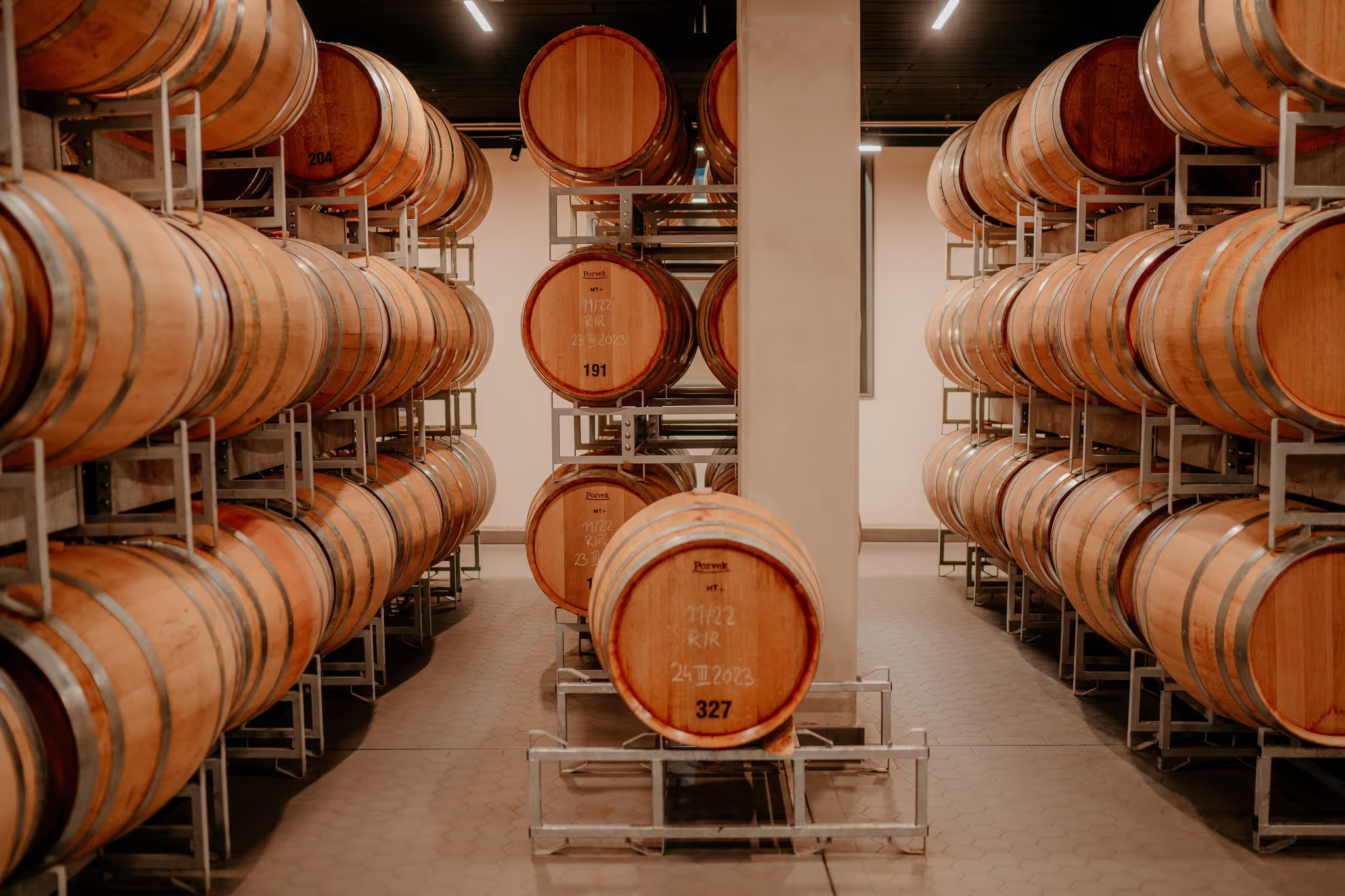
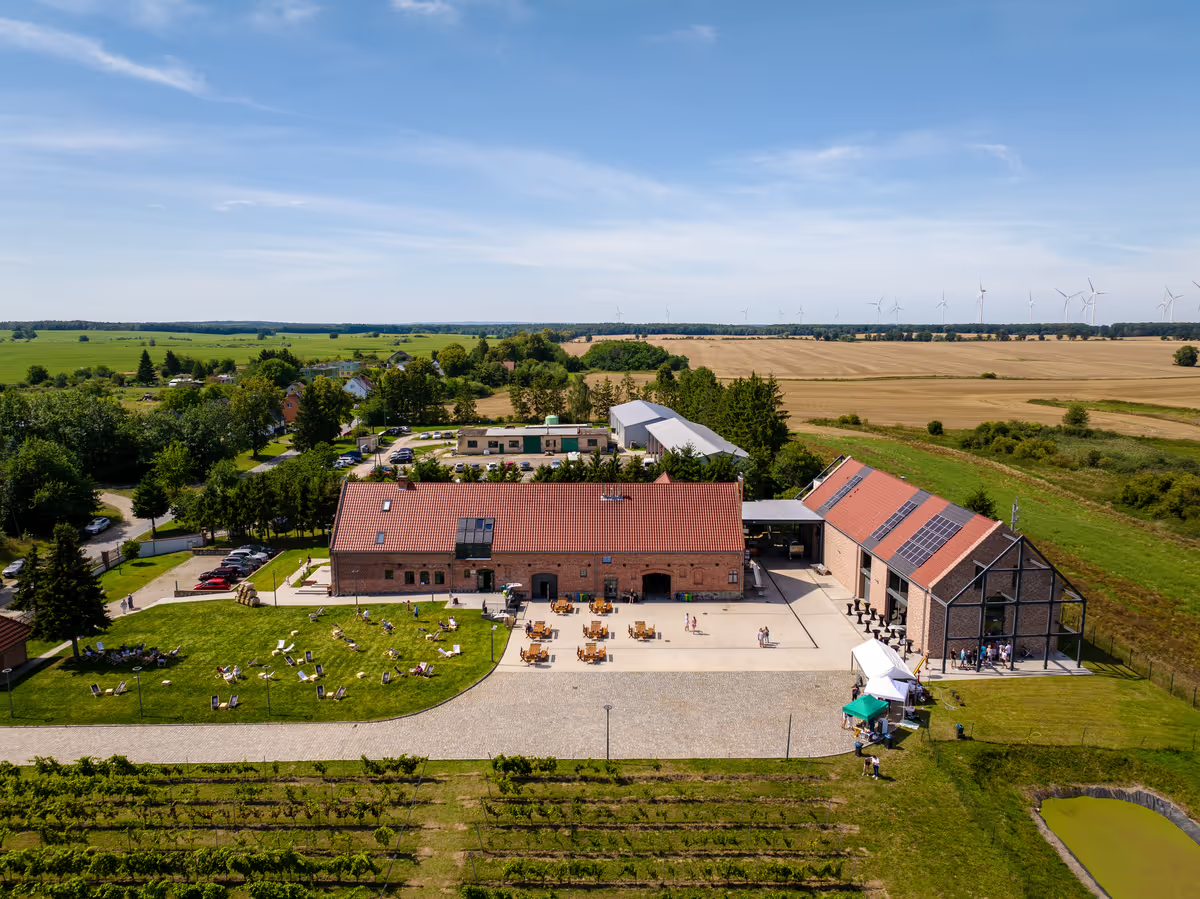
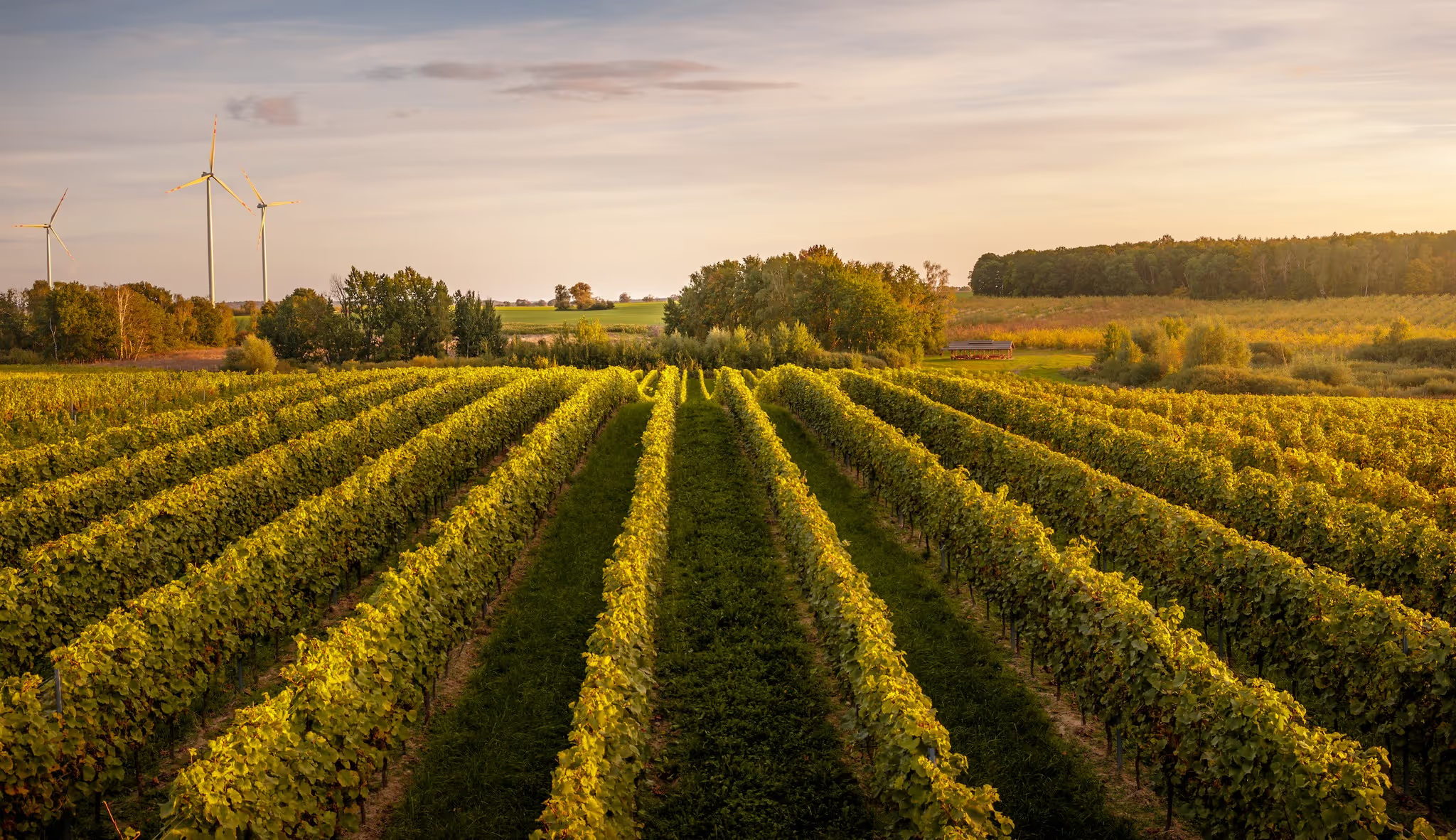
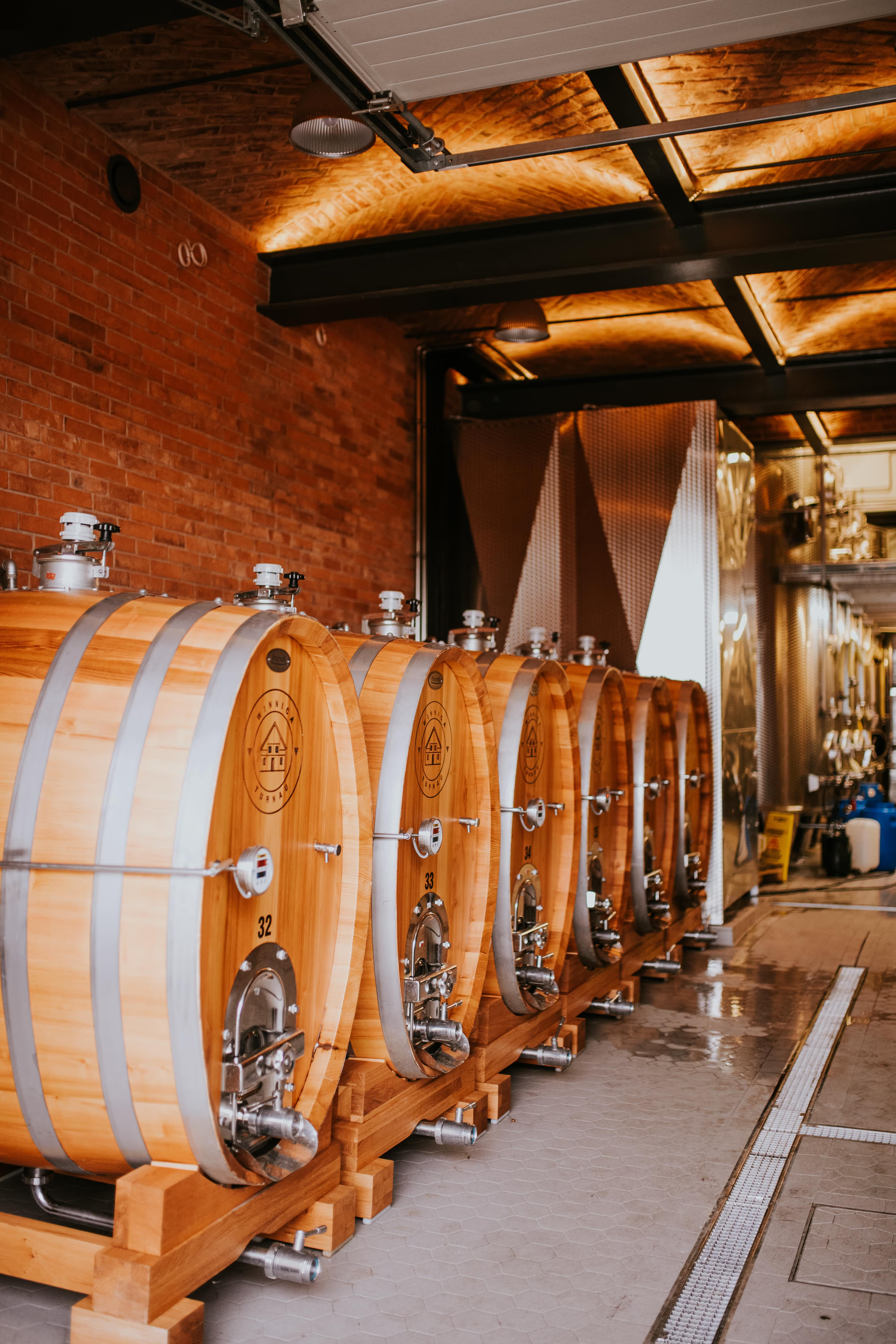
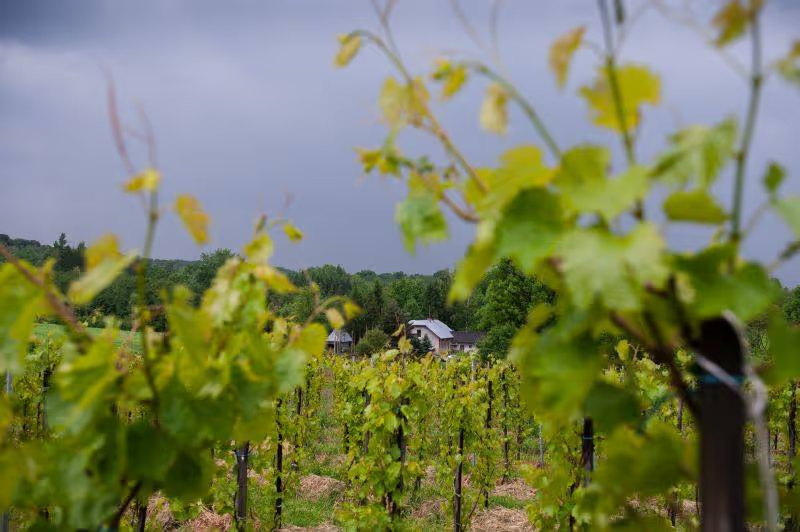
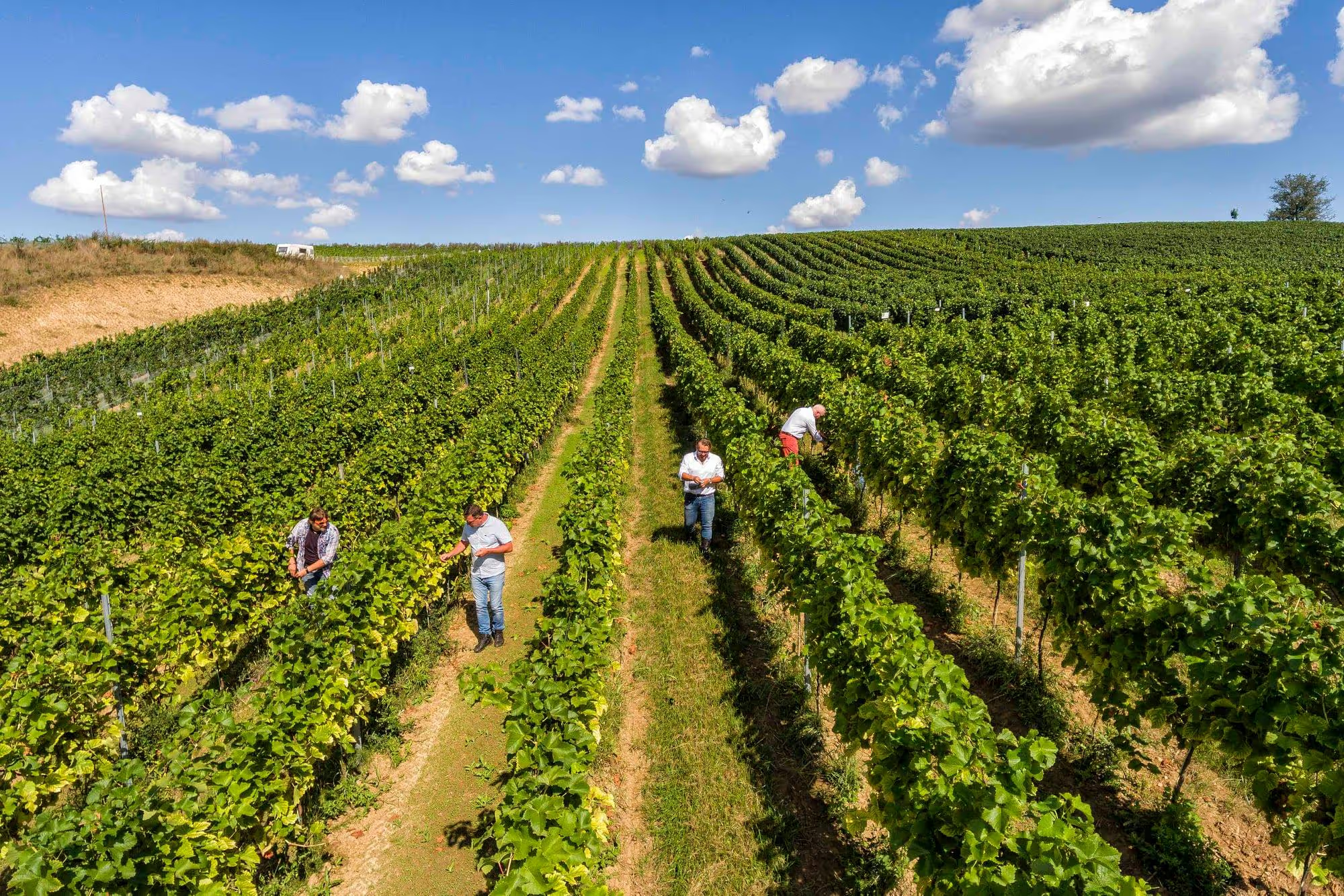
But wait—our Polish vines at Turnau Vineyard have their own story. Located in Baniewice, just 50 km from Szczecin, this 41-hectare estate is one of Poland’s largest vineyards. Since 2014, it’s proved you can successfully grow grapes even here, on Poland’s northern edge.
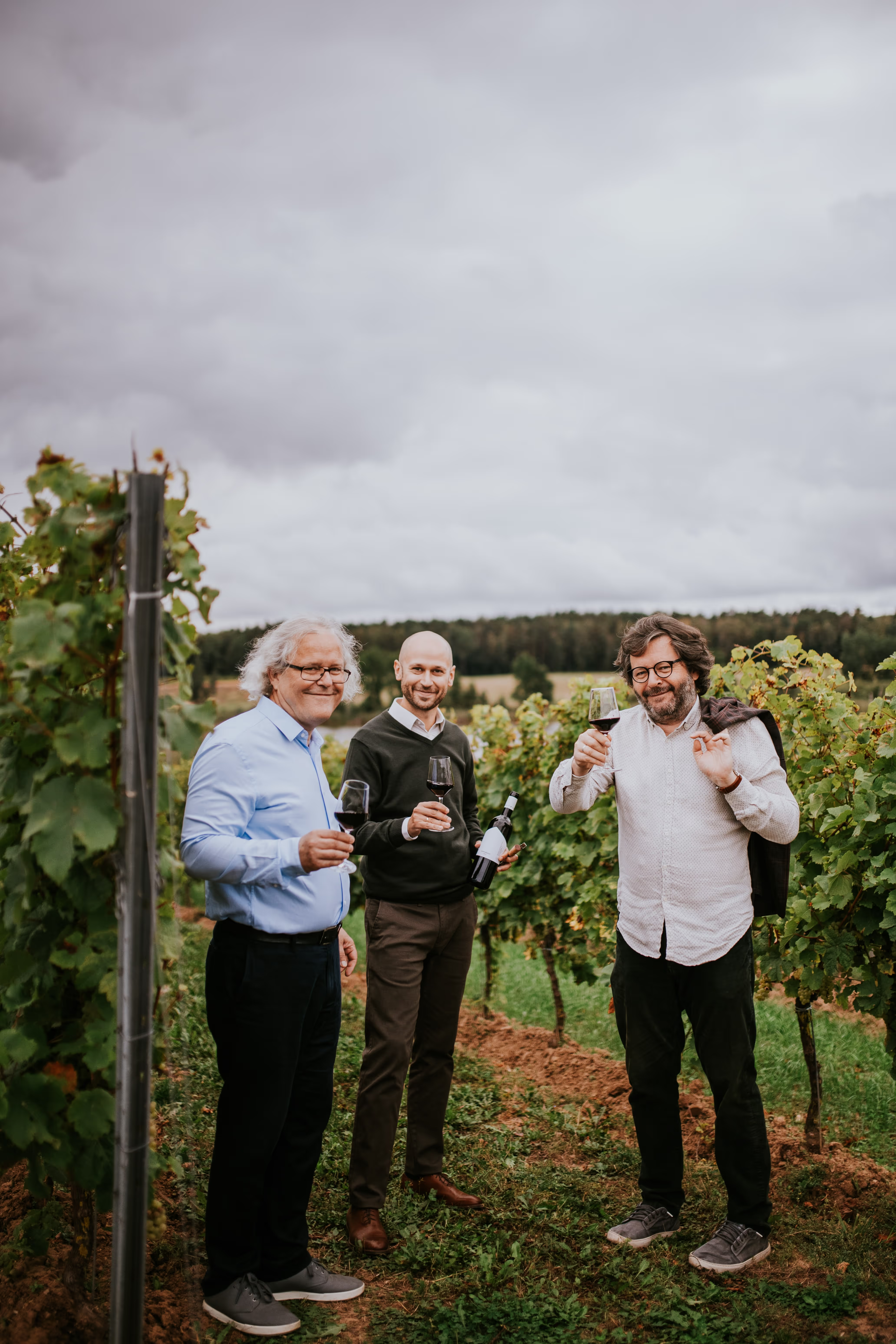
If you find yourself humming a Turnau melody, you’re in good company. This family venture started with cousins Grzegorz and Zbigniew Turnau and Jacek (Zbigniew’s son), along with acclaimed winemaker Frank Faust from Germany’s Rhine region. In 2017, another cousin, Stanisław, joined the team. Success, indeed.
What grows here? Everything from Solaris and Riesling to a unique rosé, elegant reds (including Pinot varieties and an amber-hued Ambre), and various sparkling wines. The vineyard often hosts concerts—sometimes open‐air affairs—plus other events for wine enthusiasts (check their website for the events calendar).
You can drop by for a spontaneous visit or book a three-hour tour with a tasting of four wines paired with regional cheeses. Tastings take place in the concert hall, often accompanied by live music.
Planning a trip north? Here are some places to stay: recommended stays nearby.
Chronów Vineyard
More stays nearby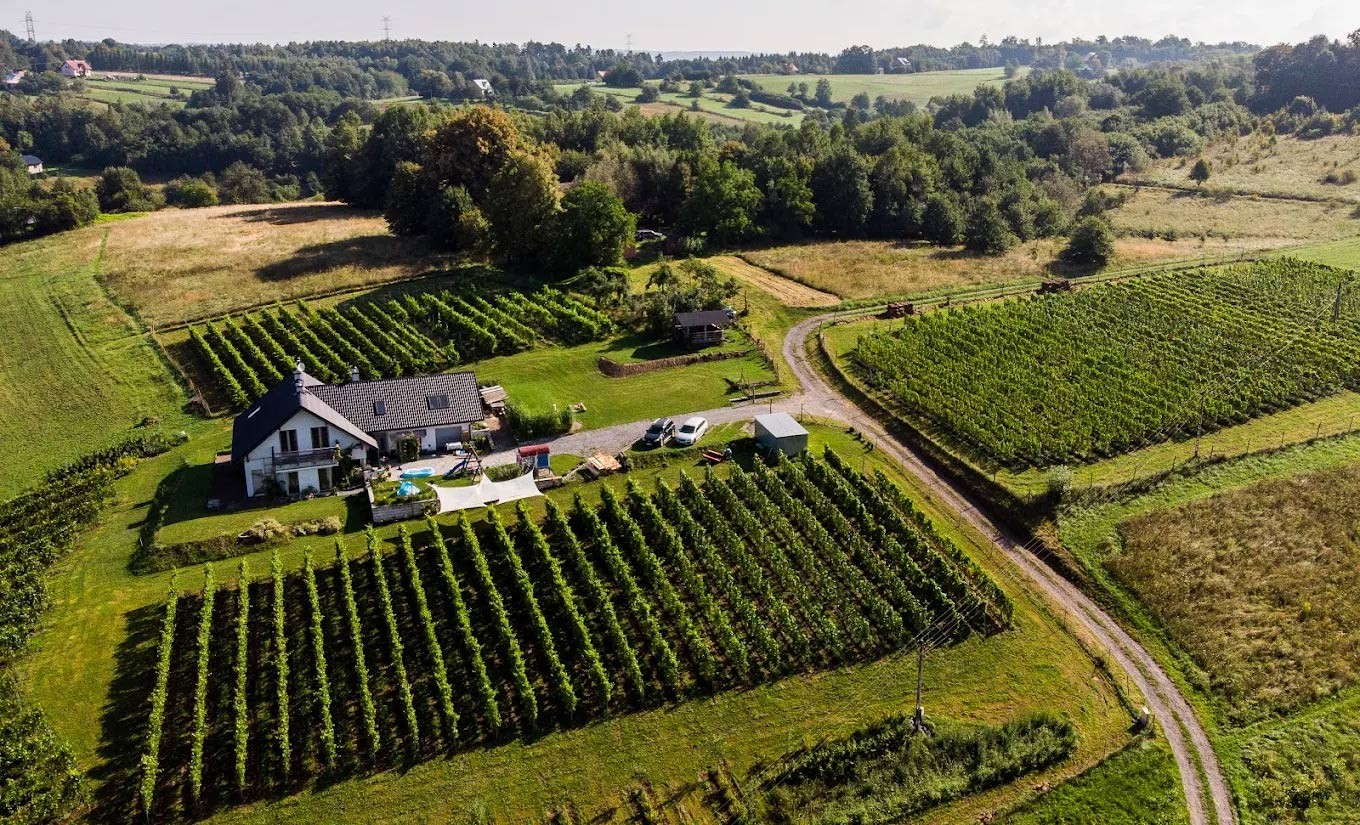
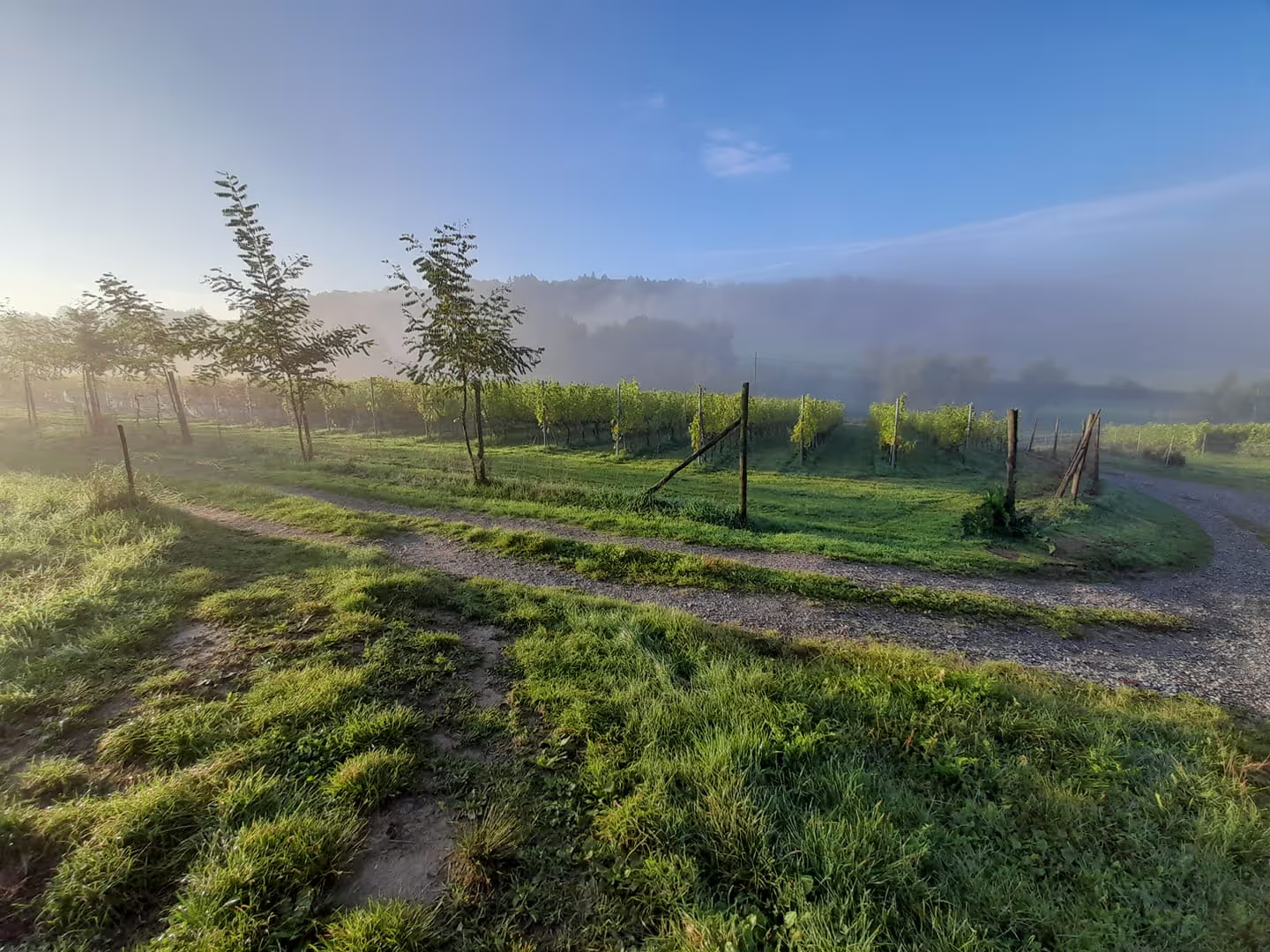
Let’s take a quick hop south to Lesser Poland. Since 2012, Chronów Vineyard has been thriving on the slopes of the Island Beskids, just 50 km from Kraków. If you’ve ever thought, “Maybe I should leave the city and plant vines?”—you’ve come to the right place. Ania and Michał swapped urban life for gentle hills and began growing grapes across 1.5 hectares in multiple varieties.
Their white grapes include Seyval Blanc, Solaris, Hibernal, and Jutrzenka, while red varieties like Rondo, Regent, Maréchal Foch, and Léon Millot stand up to Poland’s unpredictable weather. In total, 17 varieties—now that’s a wine family.
Ania and Michał keep things natural: no chemical additives, no artificial enhancers. All fermentation and aging happen in stainless steel or glass tanks—pure and simple, just as nature intended.
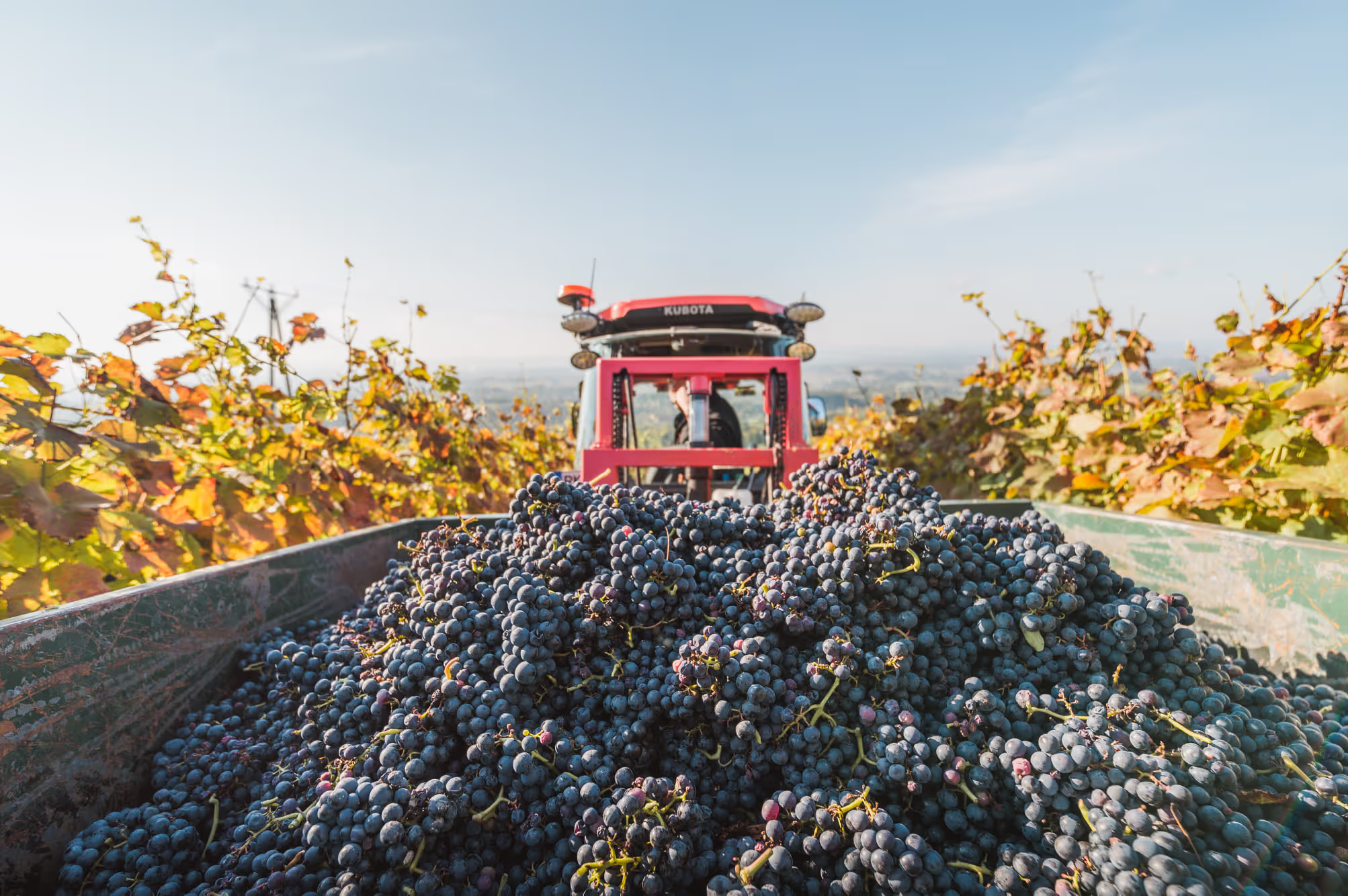
Want to see their progress? Join vineyard walks and tastings paired with traditional dishes from the Wiśnicz region. In season, you can even help with the harvest and grape pressing. The hosts are happy to share their wine-growing knowledge—who knows, you might catch the wine bug.
There are two guest apartments right on site. For other options nearby, check out nearby stays in Lesser Poland.
Feeling adventurous? Chronów Vineyard is part of the Lesser Poland Wine Trail—a wine lover’s pilgrimage of nearly 60 vineyards. You can explore it all by bike, with 22 scenic routes perfect for summer.
Widokowa Vineyard
Nearby stays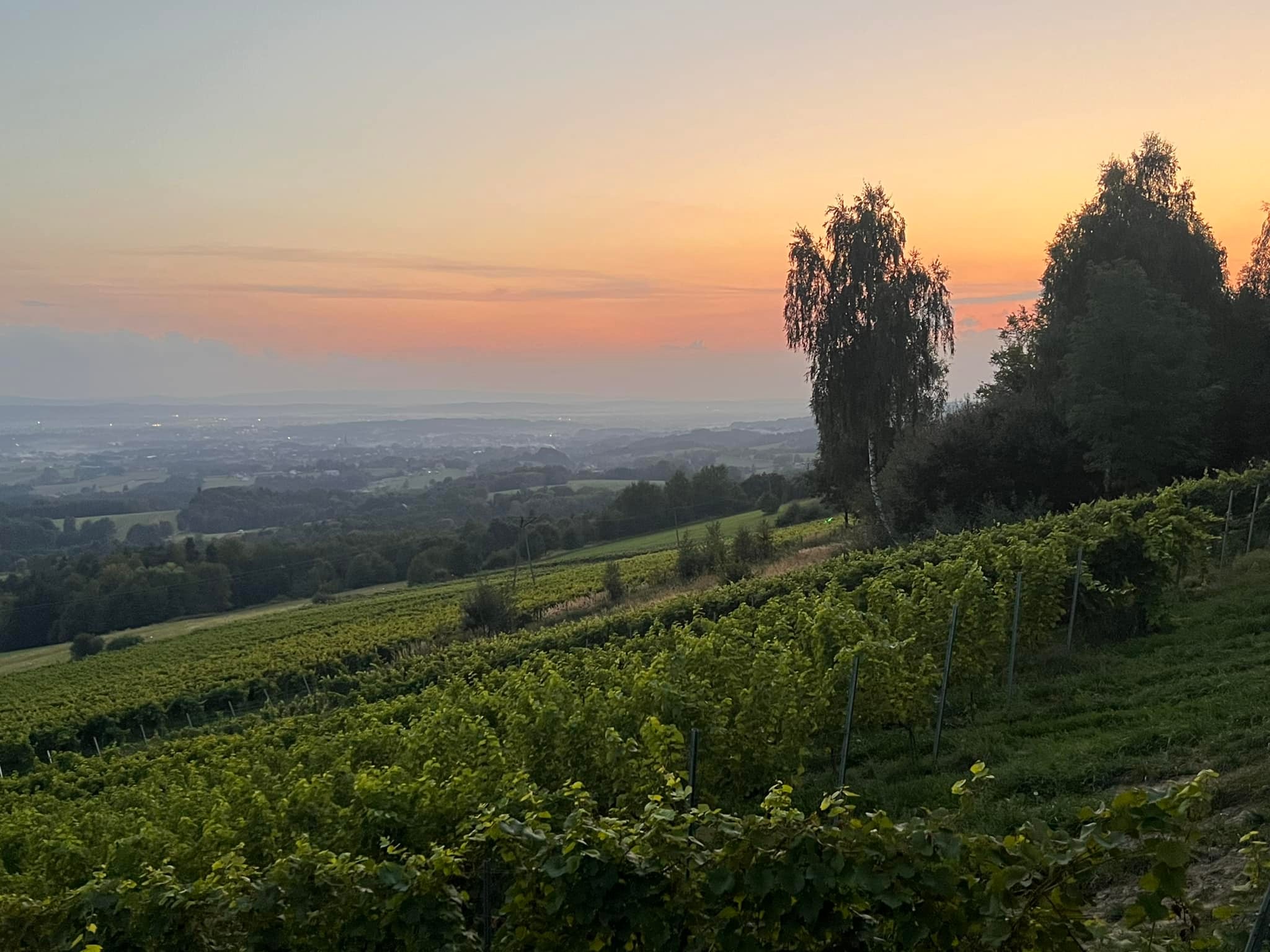
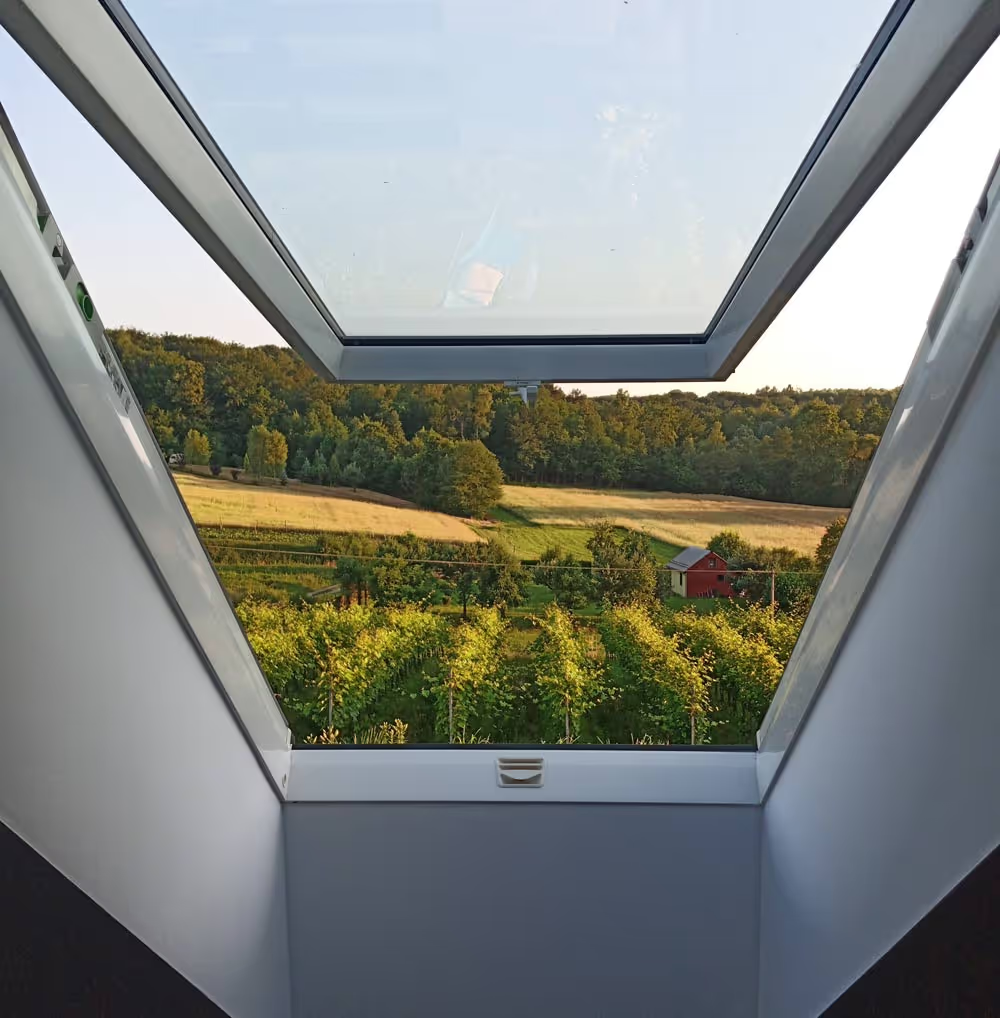
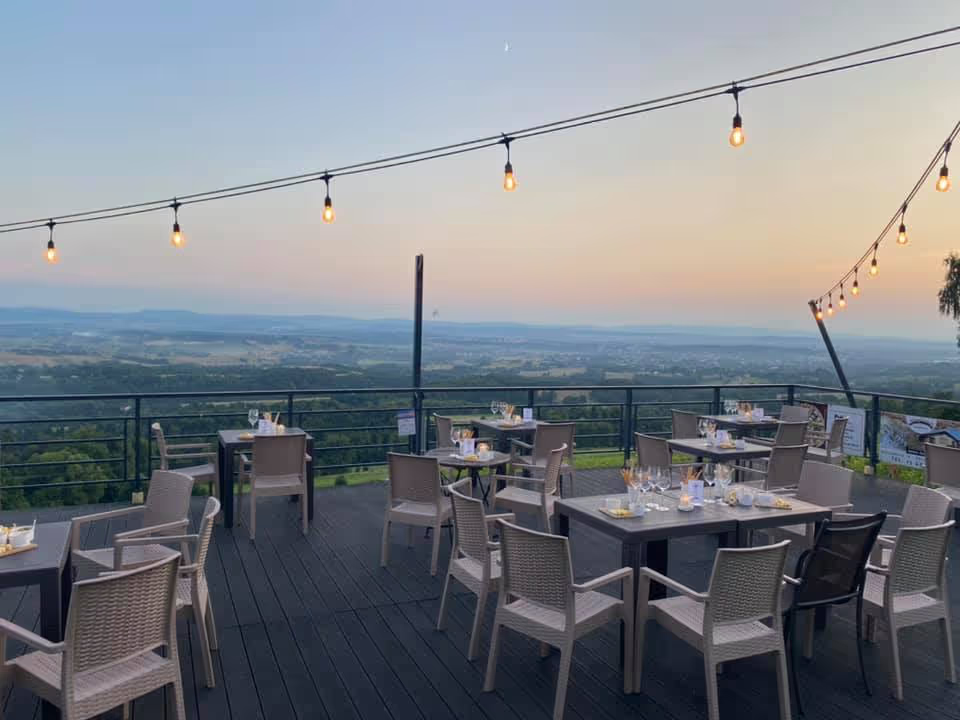
Buckle up for Subcarpathia! Imagine a panorama stretching over 100 km, from the Bieszczady ridges to the Gorlice hills—and on clear days, even the Tatra peaks. Perched at 470 meters, Widokowa Vineyard draws fans of great wine and sweeping views. Tuscany, who?
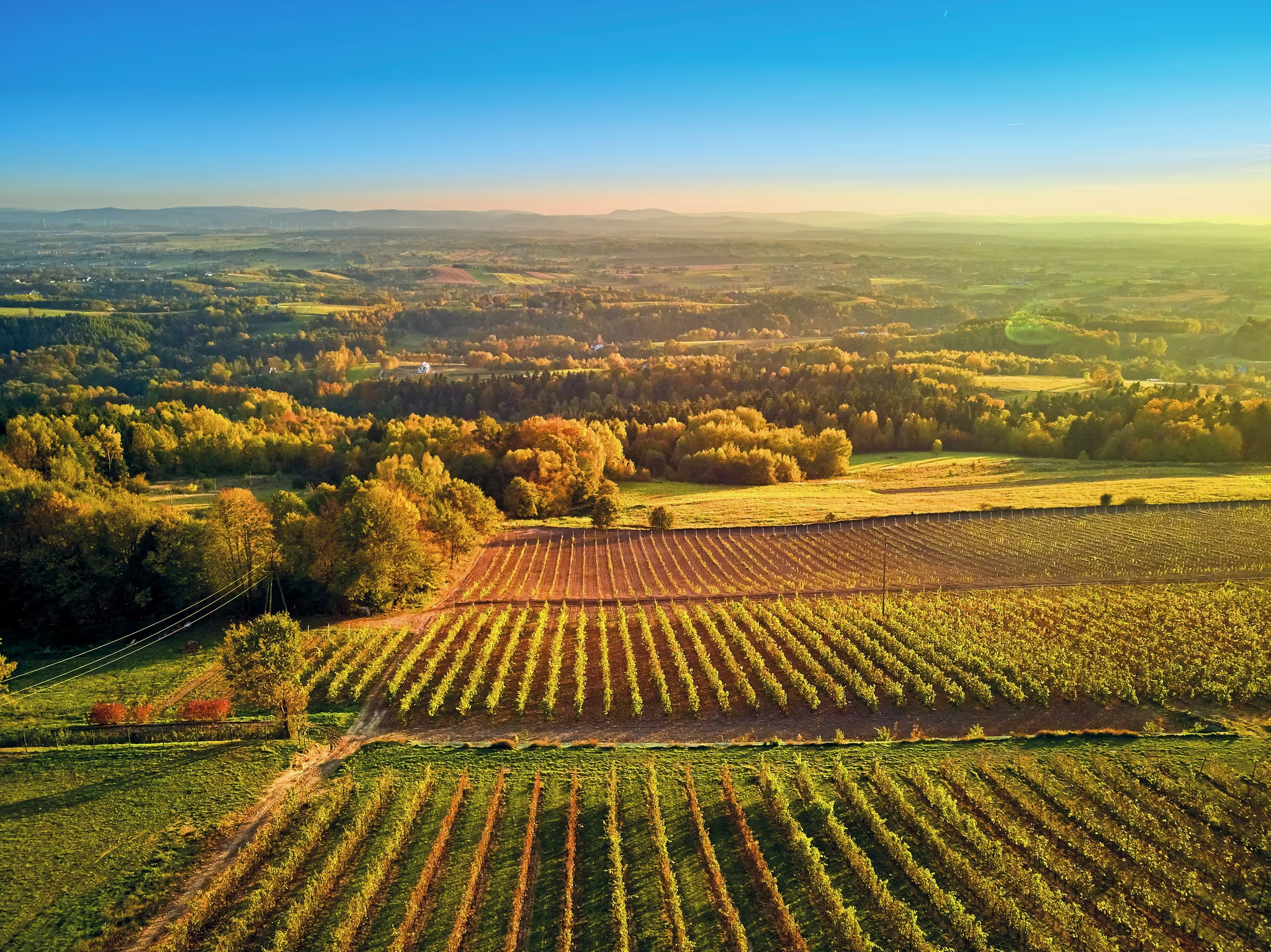
It all started with a single test vine. With prime sunlight, ideal slopes, and top-notch soil, those roots have spread over 4 hectares in just a decade. Each vine yields one bottle of wine. You’ll find crisp whites, fruity rosé, bold reds, and joyful bubbles—perfect for summer. From elegant dry Cuvee and barrel-aged Chardonnay to aromatic Muscater, semi-sweet Solaris, and a refined rose, every bottle is crafted with care.
In 2019, Widokowa won gold and silver at the Galicja Vitis International Wine Competition for its Sejblaj and Solaris—proof of quality.
No reservation needed—you can drop in any time, even with your dog. Enjoy the view from the terrace or cozy up in the indoor lounge. If you have a ten-person group, book a tasting with local snacks and a vineyard story. In season, join evening sessions under the Perseid meteor shower. And if you arrive in a campervan, there’s a spot for you too.
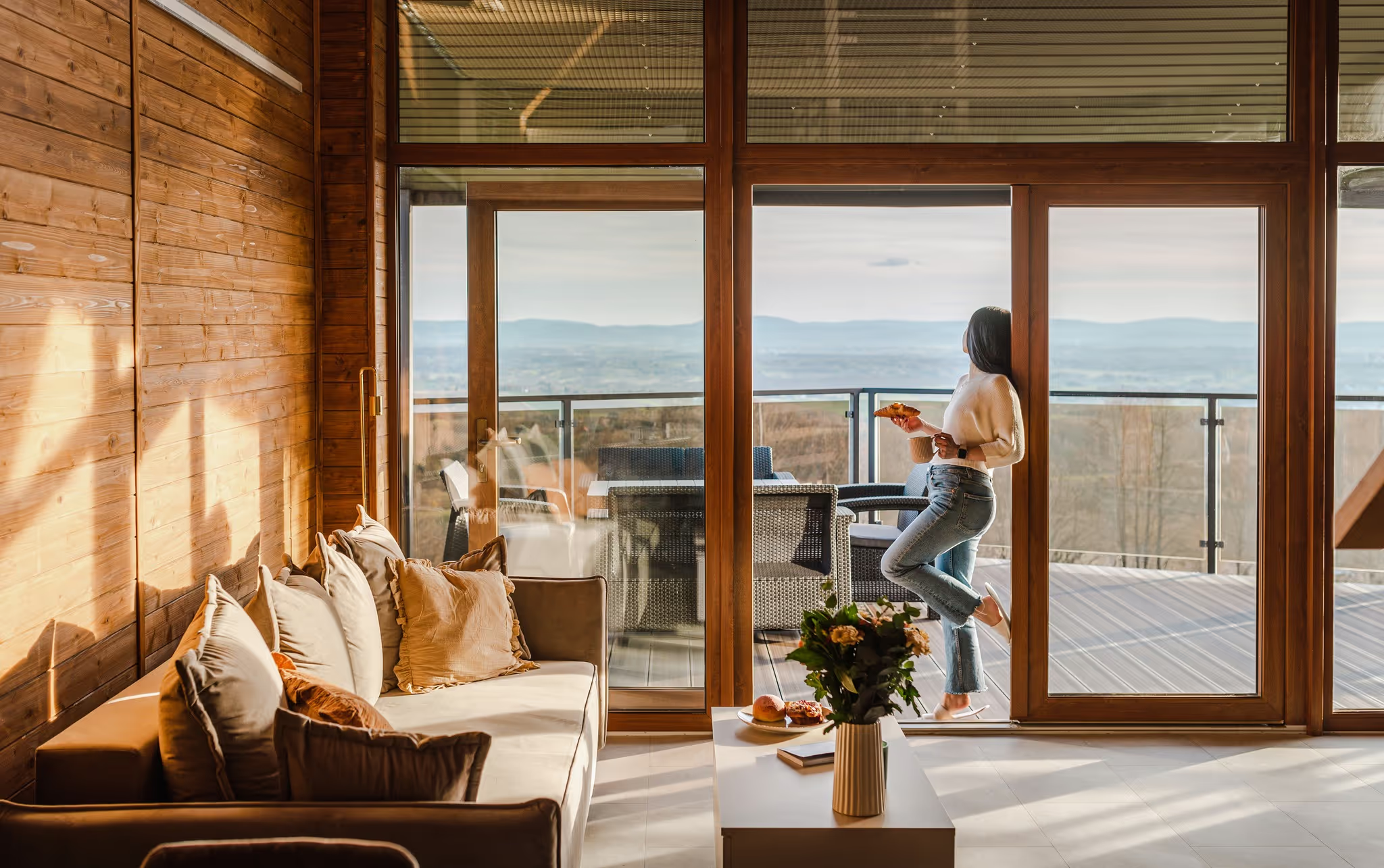
Three scenic lodges—called the “View Houses”—are available on site, and you’ll also find other stays in Subcarpathia.
Sandomierz Vineyard
Nearby stays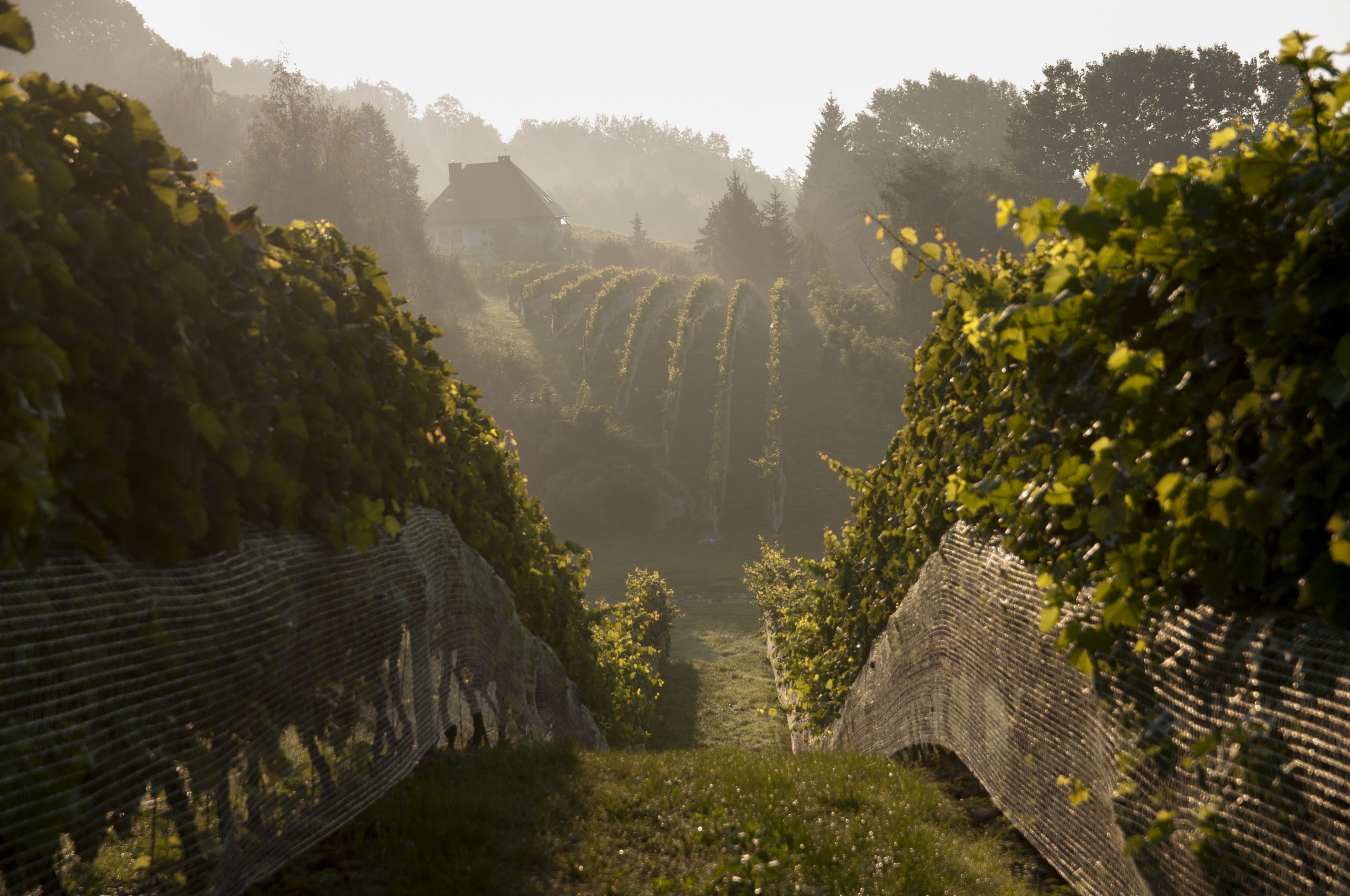
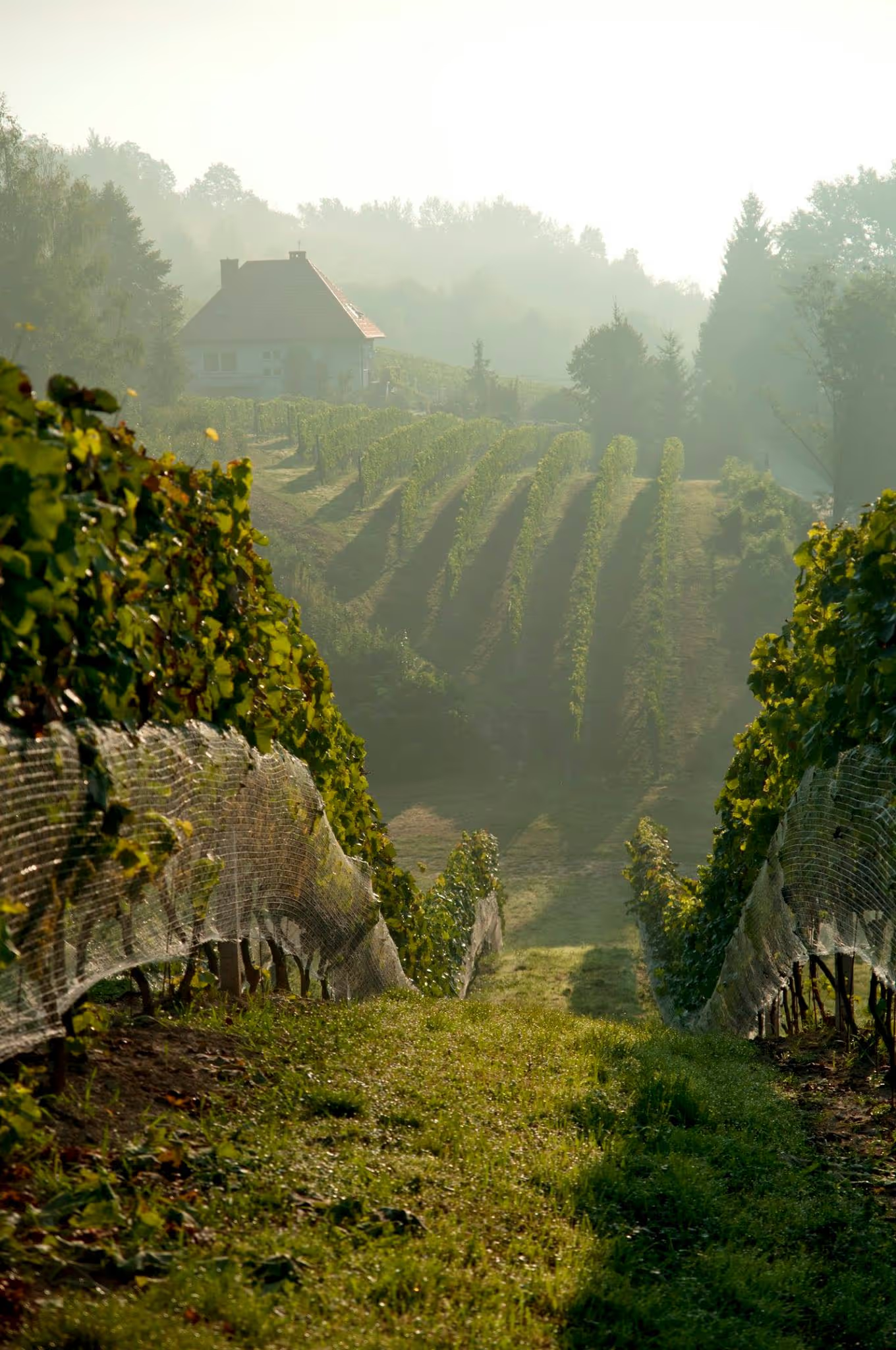
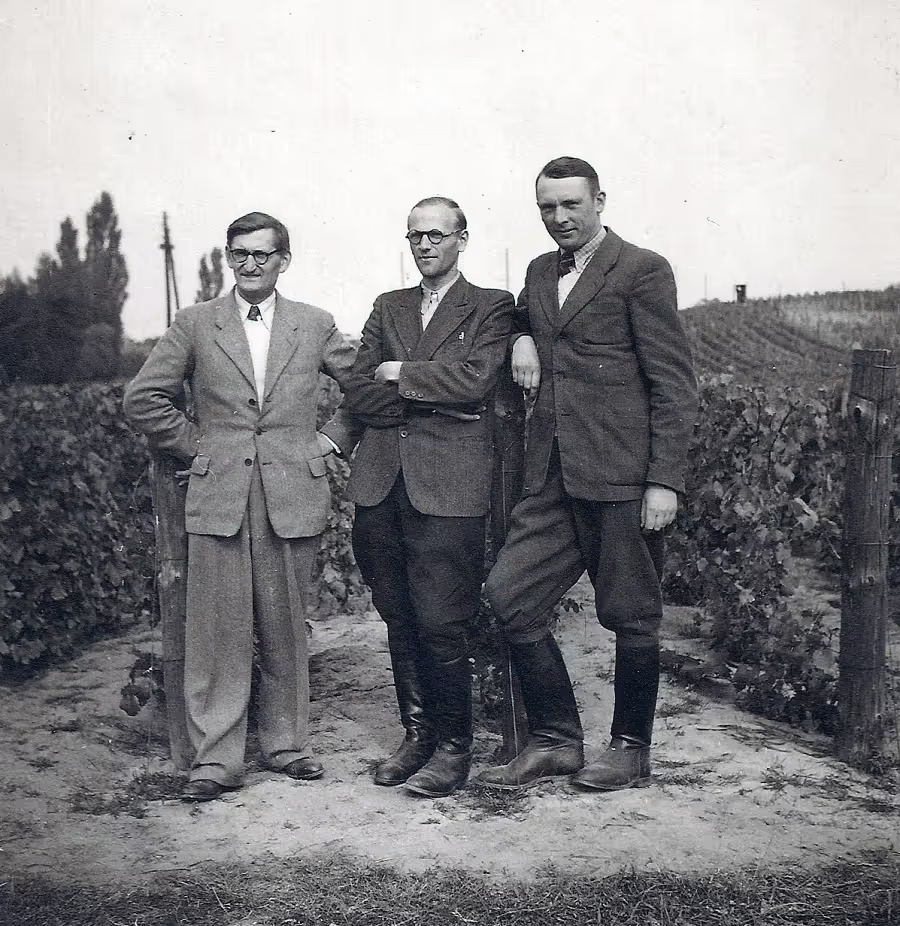
This vineyard carries a family tradition that dates back to 1937, when great-grandfather Marceli Borkowski planted vines on three hectares along the Opatówka River. Today, Marceli and Monika Borkowski continue the legacy on the fertile loess soils of the Sandomierz Upland.
The vines overlook an old landslide, a relic of historic sand and sandstone mining that actually helps the grapes—its sandy ground retains heat and ripens the fruit. Here you’ll taste light, fruity wines like Muscaris, Pet Nat, and pink Zweigelt, alongside more complex styles: dry Riesling, elegant Regent, and classic Chardonnay. Around November 11th each year, the vineyard produces a special festive wine for St. Martin’s Day.
There’s also a pond, loungers for travelers, and parking with campervan facilities if you’d like to stay among the vines.
Drop in for a cellar tour, learn about winemaking, and taste wines paired with local cheeses. In summer, small groups can arrive without booking. If you can’t taste right away, the on-site shop lets you stock up for later.
Three guest apartments are available in a 1918 house on the property. For more options, see stays in Świętokrzyskie.
Płochocki Vineyard
Find accommodations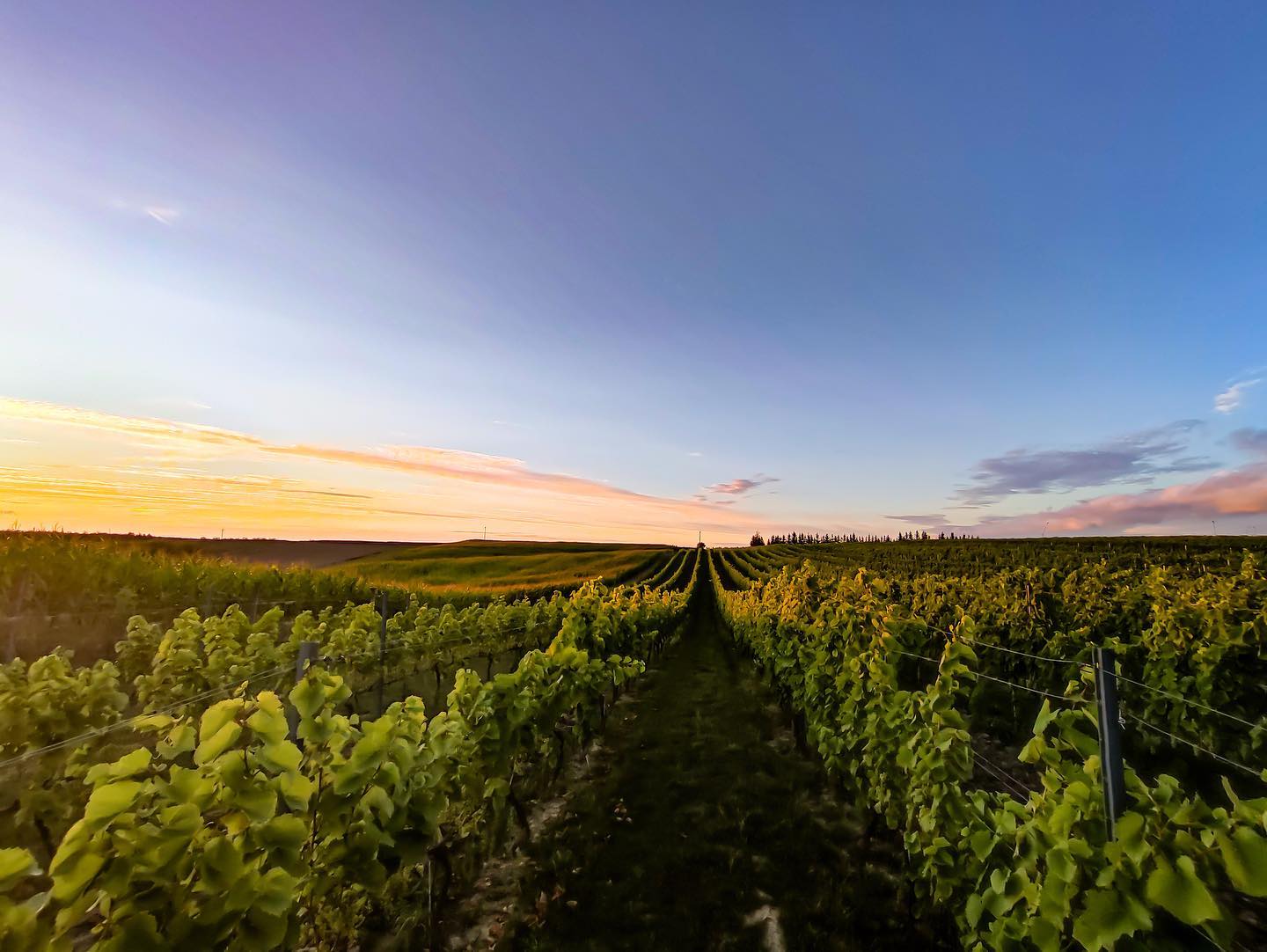
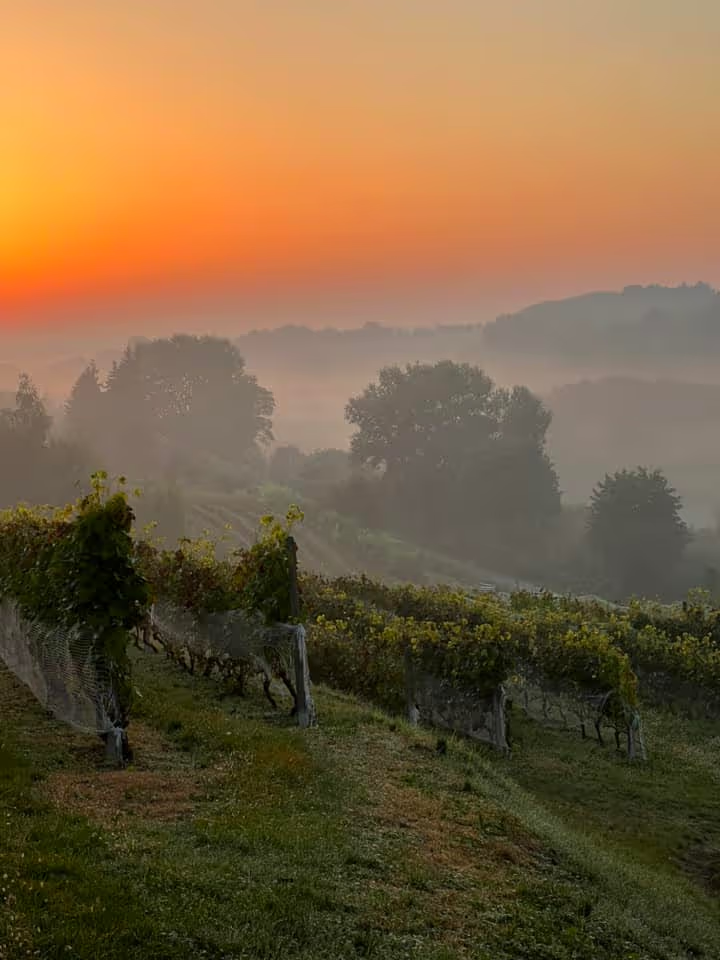
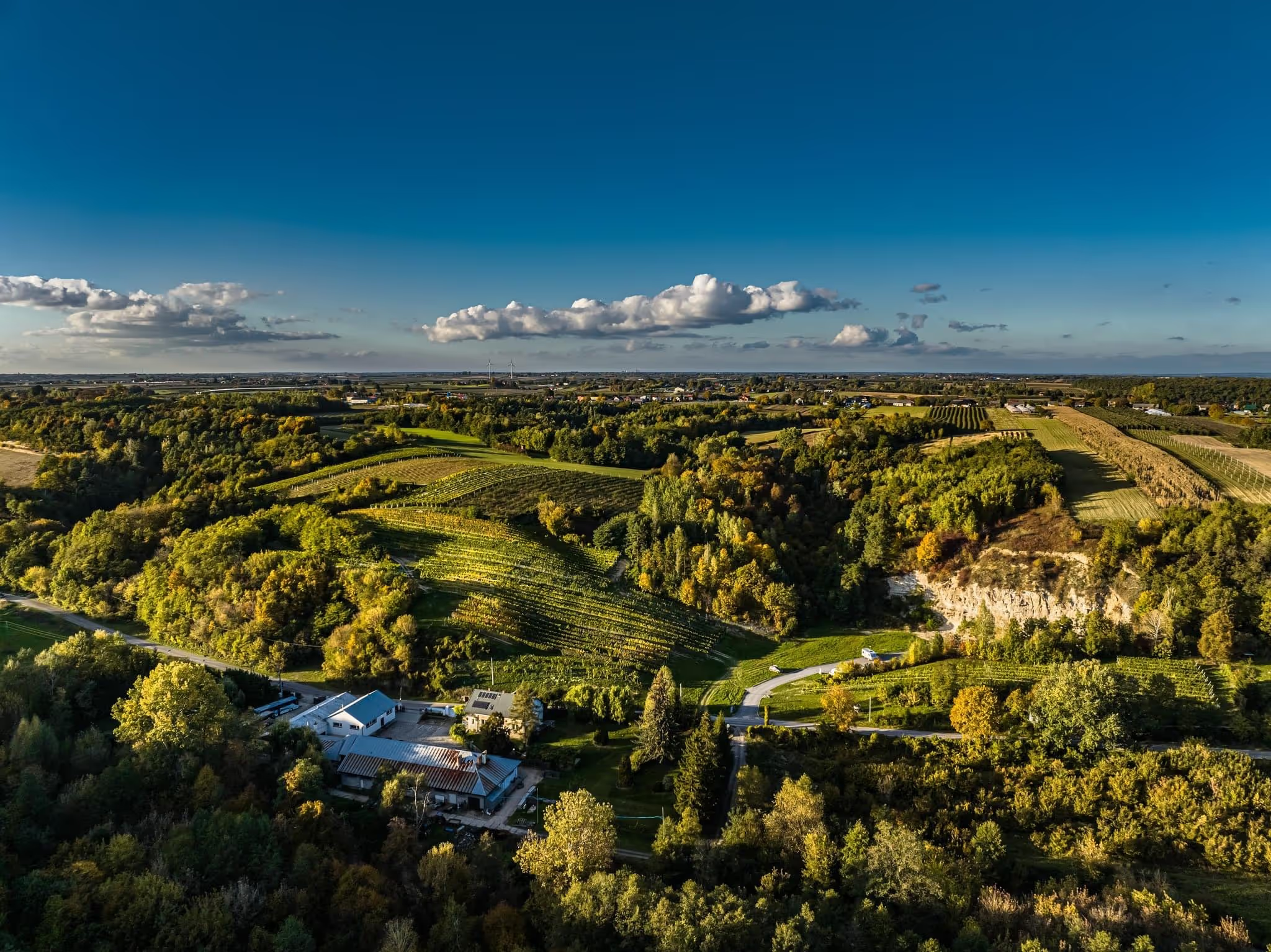
Staying in the Sandomierz area, just west of town, discover the Płochocki Vineyard—the dream realized by Basia and Marcin, who traded city life in Warsaw for seven hectares of vines in Daromin in 2013. Their south-facing slopes host 20 grape varieties: Riesling, Pinot Noir, Chardonnay, Zweigelt, Traminer, Muscat, St. Laurent, Sauvignon Blanc, and hardy hybrids like Hibernal, Solaris, Johaniter, and Muscaris. The result: whites, rosés, reds, and even an amber-hued wine aged in a traditional Georgian qvevri buried underground.
Wine experiences here start with an educational vineyard walk—covering everything from the harvest to fermentation and bottling. Then it’s time to relax (you, not the wine) and taste in any order you like. Tours and tastings run on Saturdays—be sure to book ahead.
When you’re not sipping, lie back and watch the vines sway, or hop on a bike for a cardio tour of the area. From May to August, they offer four double rooms with terraces and a four-person apartment. For other places to stay, see more options nearby.
Niemcza Vineyard
Nearby stays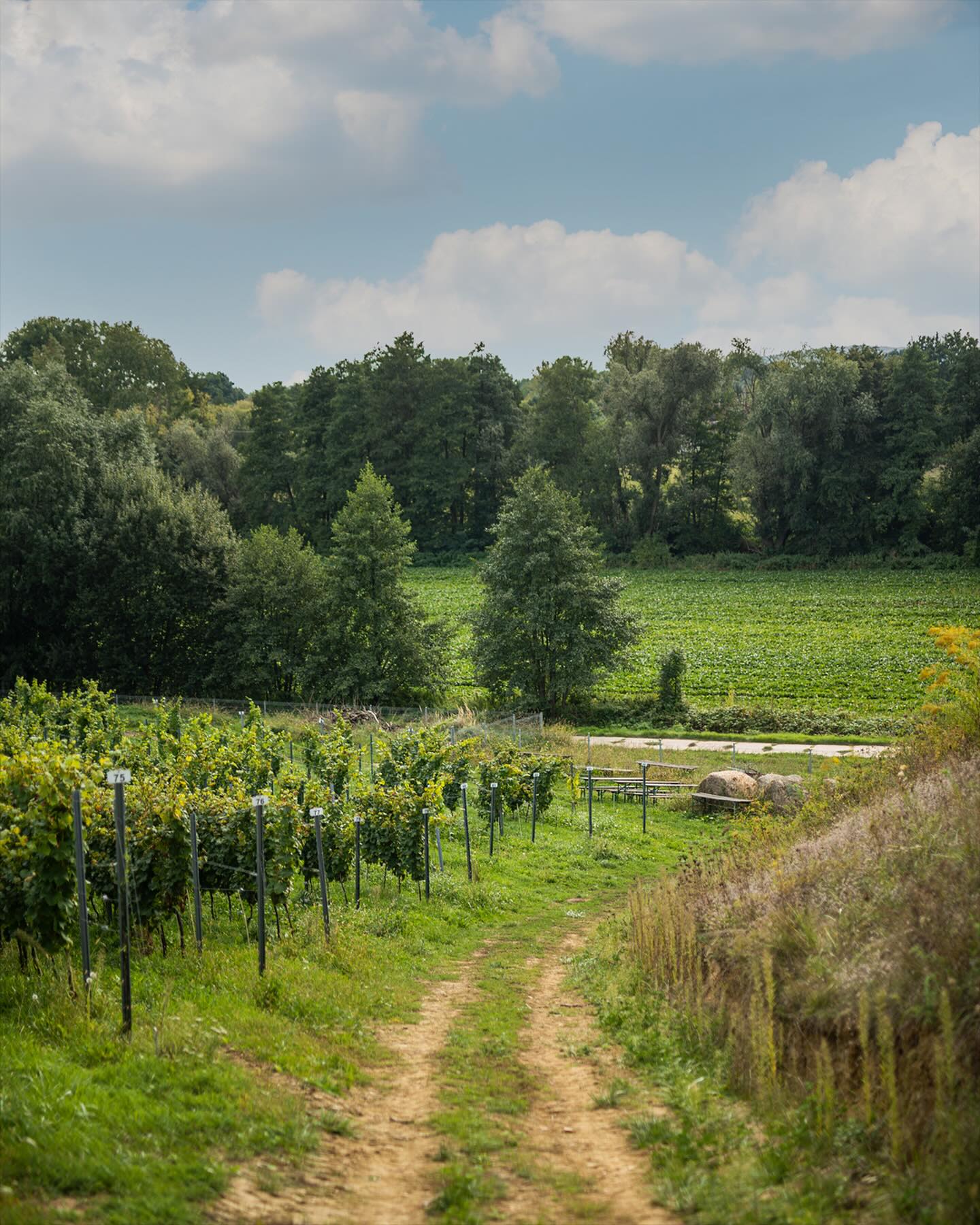
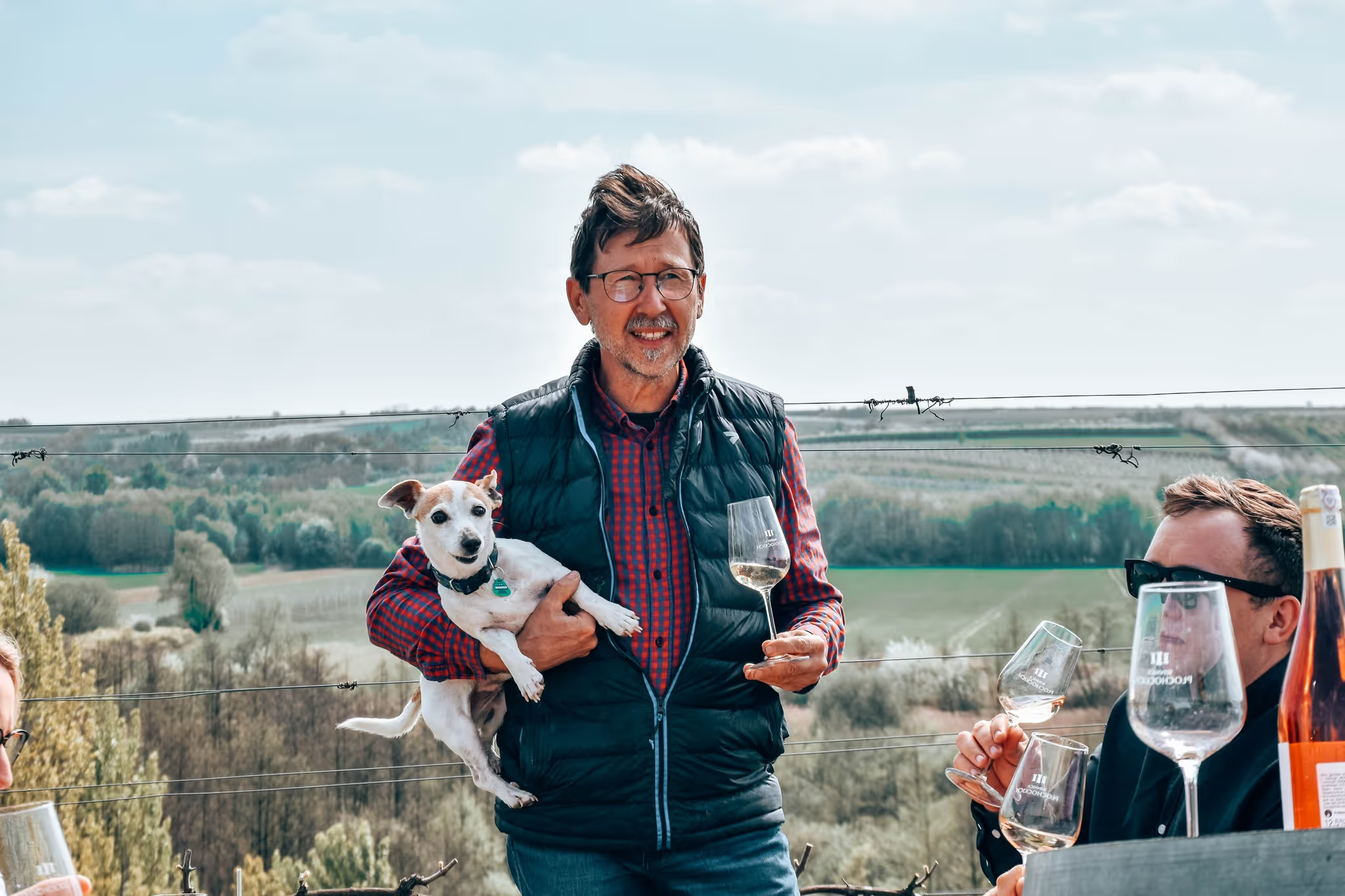
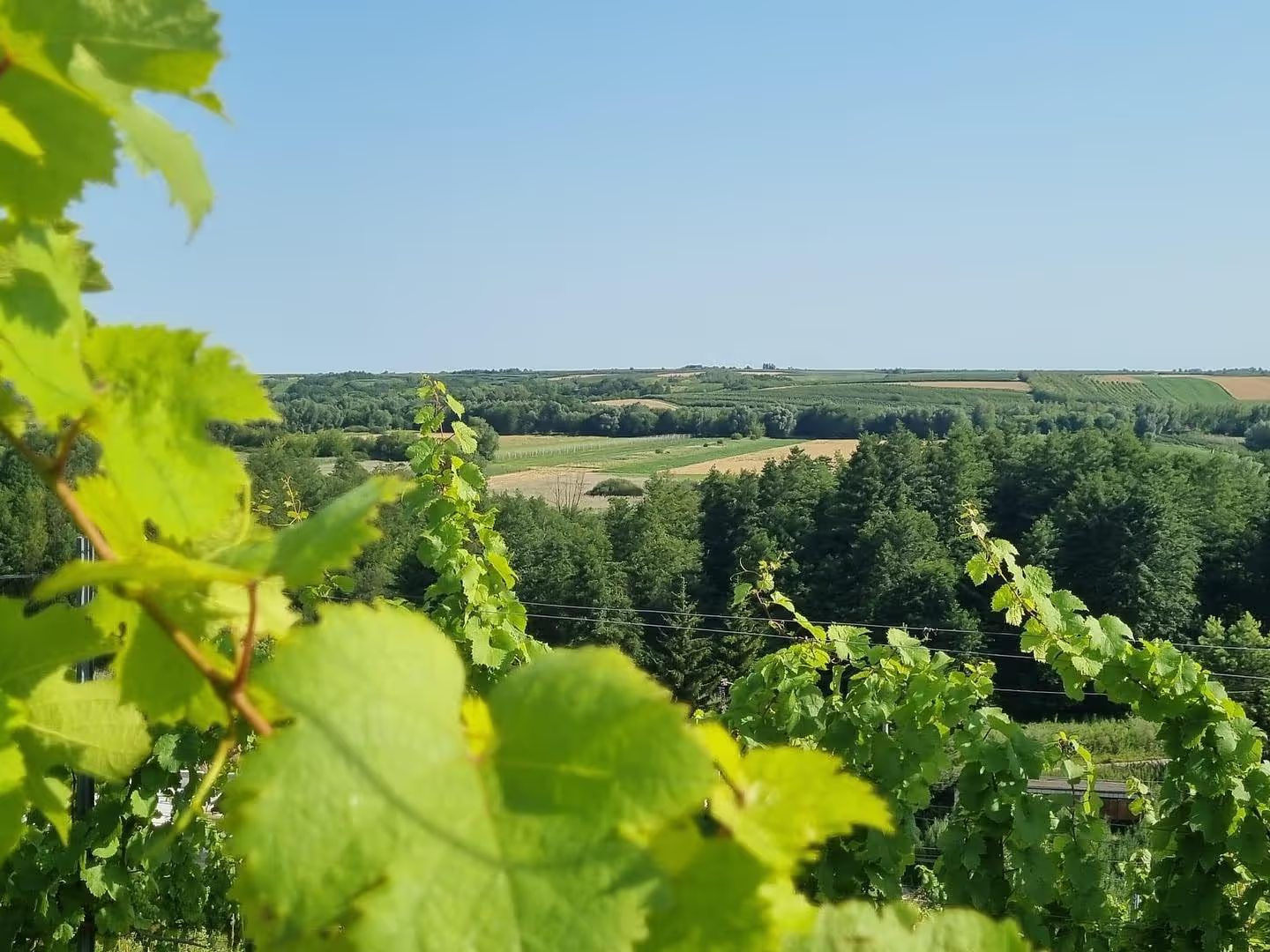
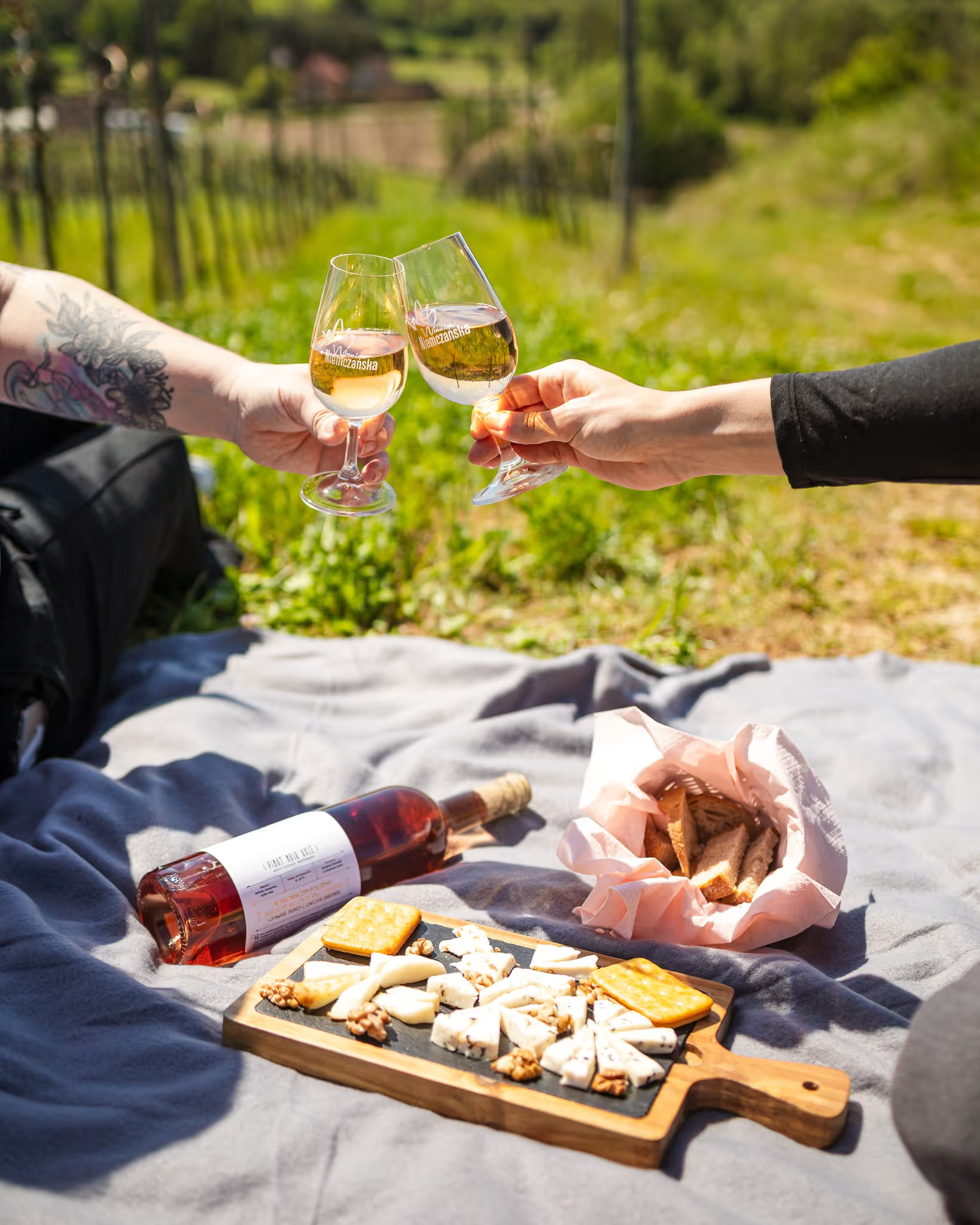
Welcome to Lower Silesia, on the slopes of the Niemcza-Strzelin Hills overlooking the Ślęza River. Five hectares of vines arranged in neat rows feel surprisingly Italian—until you check your GPS. Chardonnay, Riesling, Solaris, and Muscaris thrive here, alongside lively Pet Nat, elegant Musiak, and bold Pinot varieties. A standout is the amber-tinted Cuvée Orange 2022, fermented in Georgian qvevri.
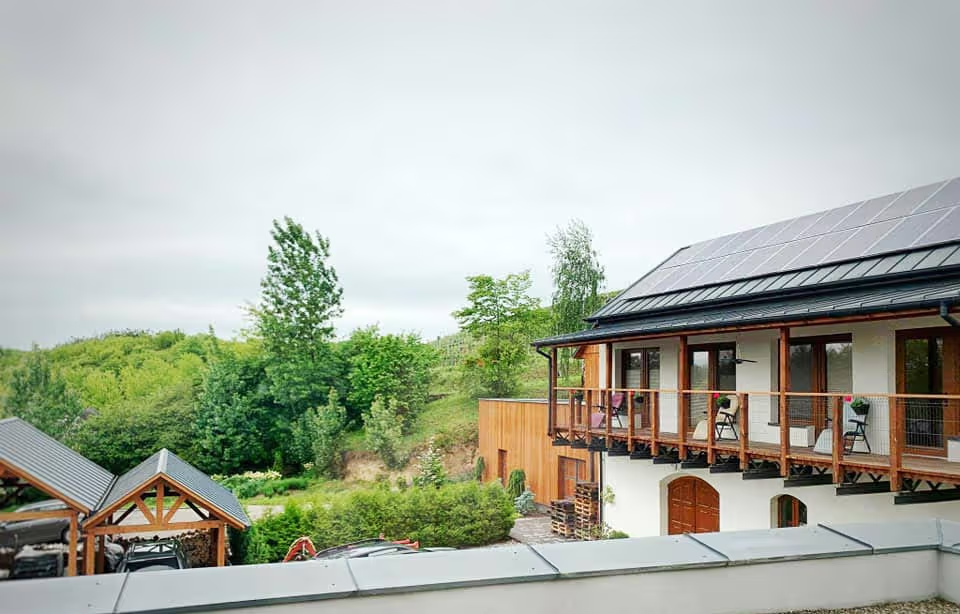
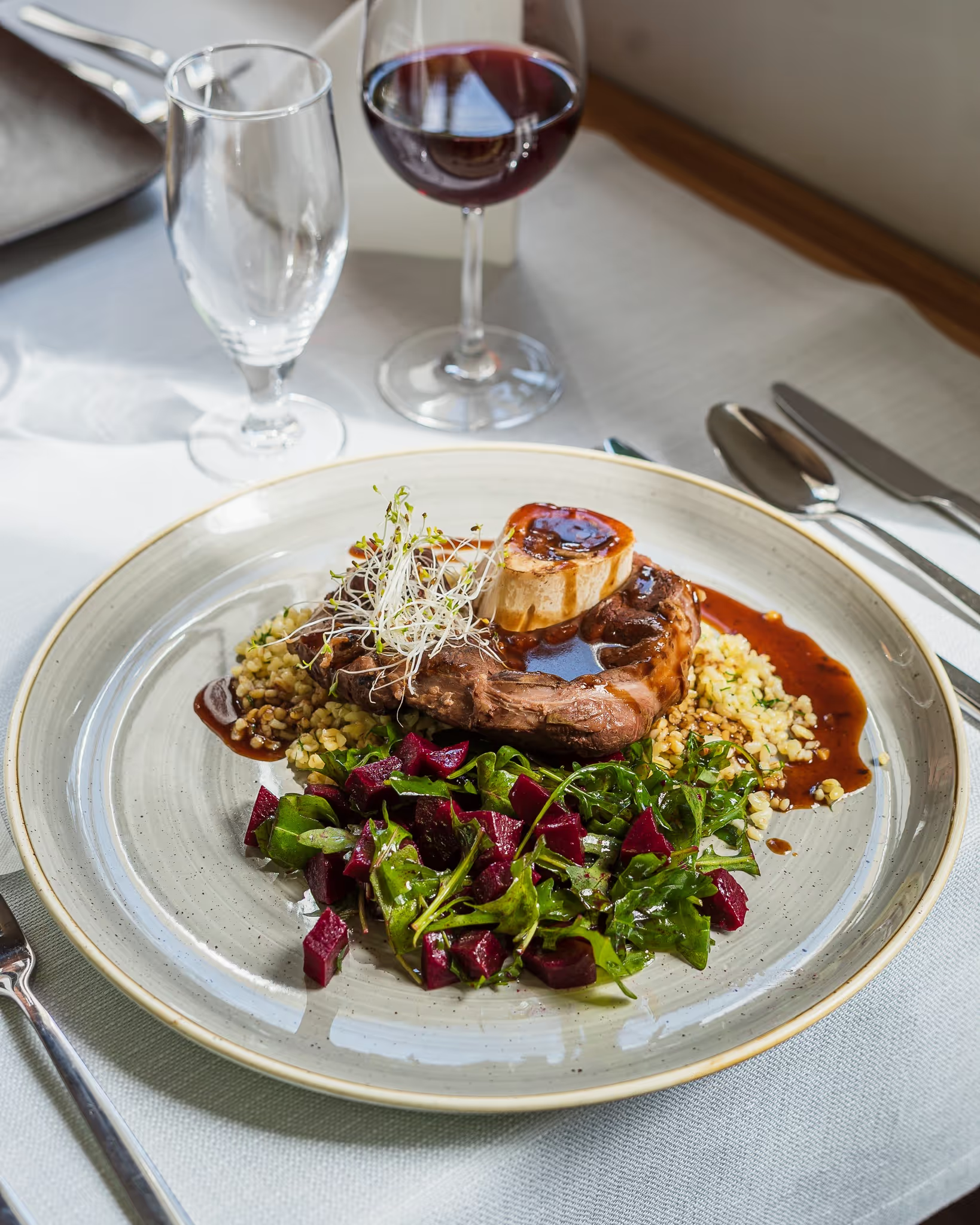
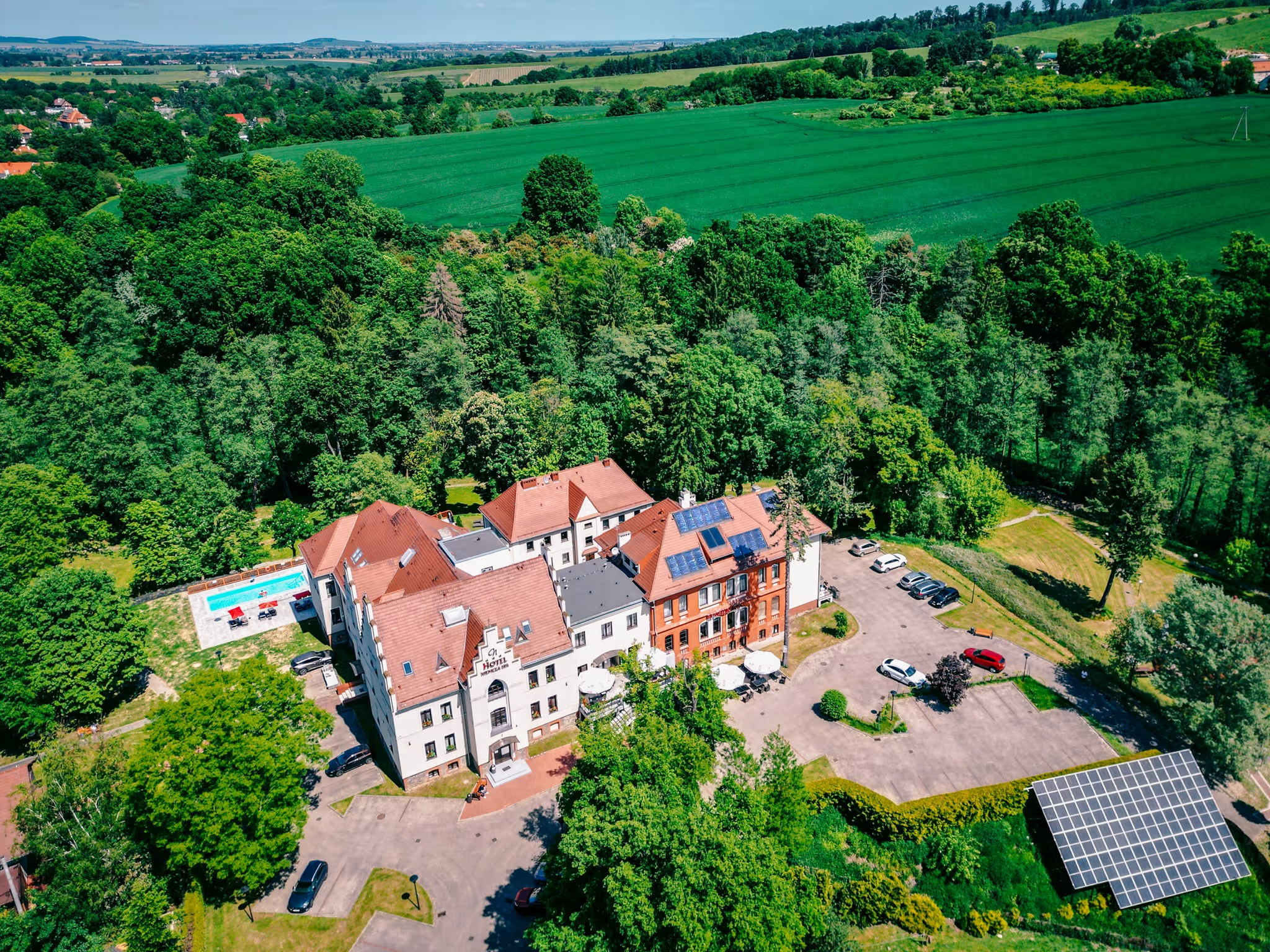
Next door is Hotel Niemcza, offering pools, a spa, and a restaurant with fine cuisine—so your wine tour comes with all the comforts. Weekends through September bring vineyard tours every Saturday at 2 PM, with tastings from noon to 6 PM.
If you crave more exploration, check out the Lower Silesia Beer and Wine Trail—29 wineries and 11 breweries across the region. Plenty to do. For accommodations, see recommended stays.
Polish Wine Tourism Cluster
Learn more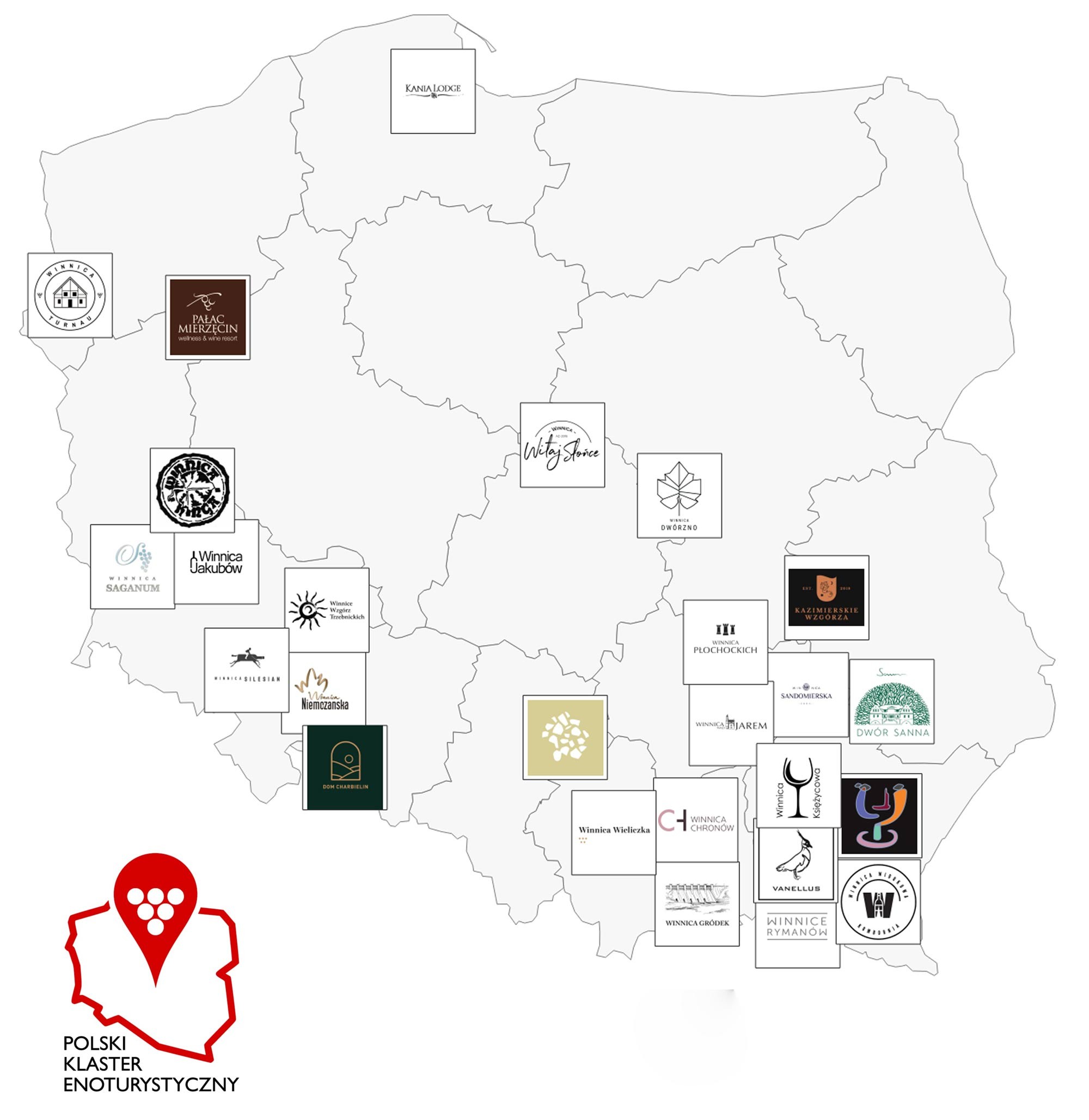
Promoting wine and winemaking in Poland—along with education, development, and best practices in wine tourism—is the core mission of the Polish Wine Tourism Cluster. One of its first initiatives, the EnoPassionate Club, brings together Poland’s wine community. Club members get access to a network of vetted wine destinations, an events calendar, trip suggestions, and educational content. They can also earn points and collect wine-tourism achievements to redeem for discounts and rewards.
Looking for more getaways for wine lovers?