Exploring Lithuania: How to plan a slow escape to Druskininkai
Doctors advised me to go abroad for treatment, but I want to spend my summer in Druskininkai. Doctors have their policies, and I have mine. If only they knew the borderlands—the trees, the air, the people, our cuisine, and customs—they would surely change their policy. We’ll see whose policy wins— theirs or mine? Józef Piłsudski. Letters, 1924.
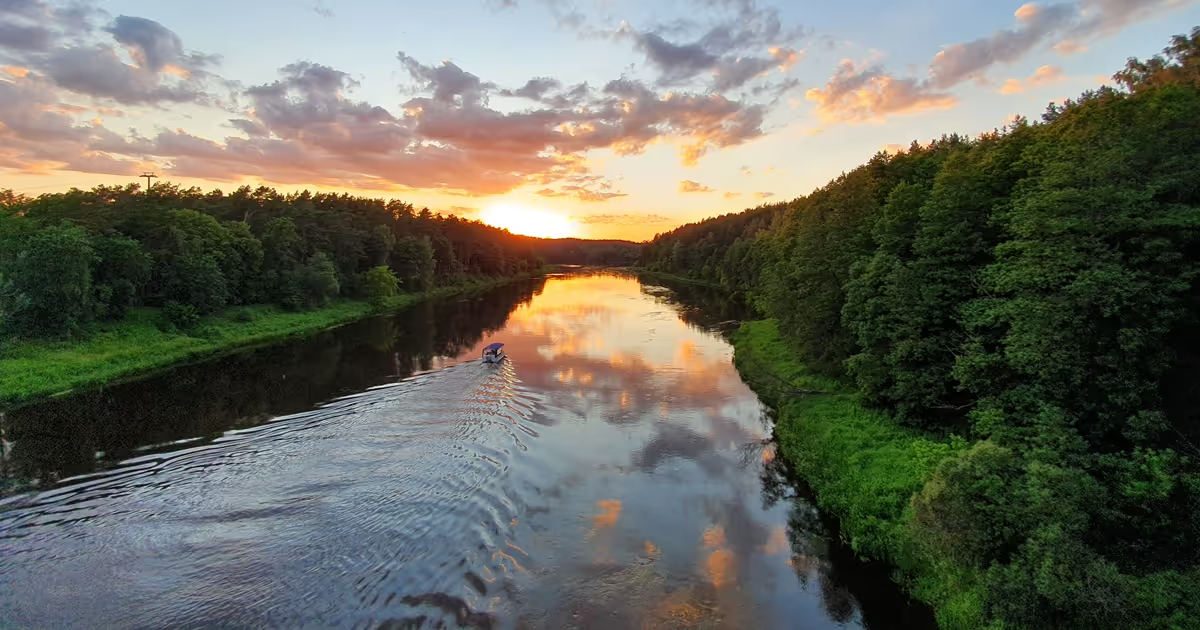
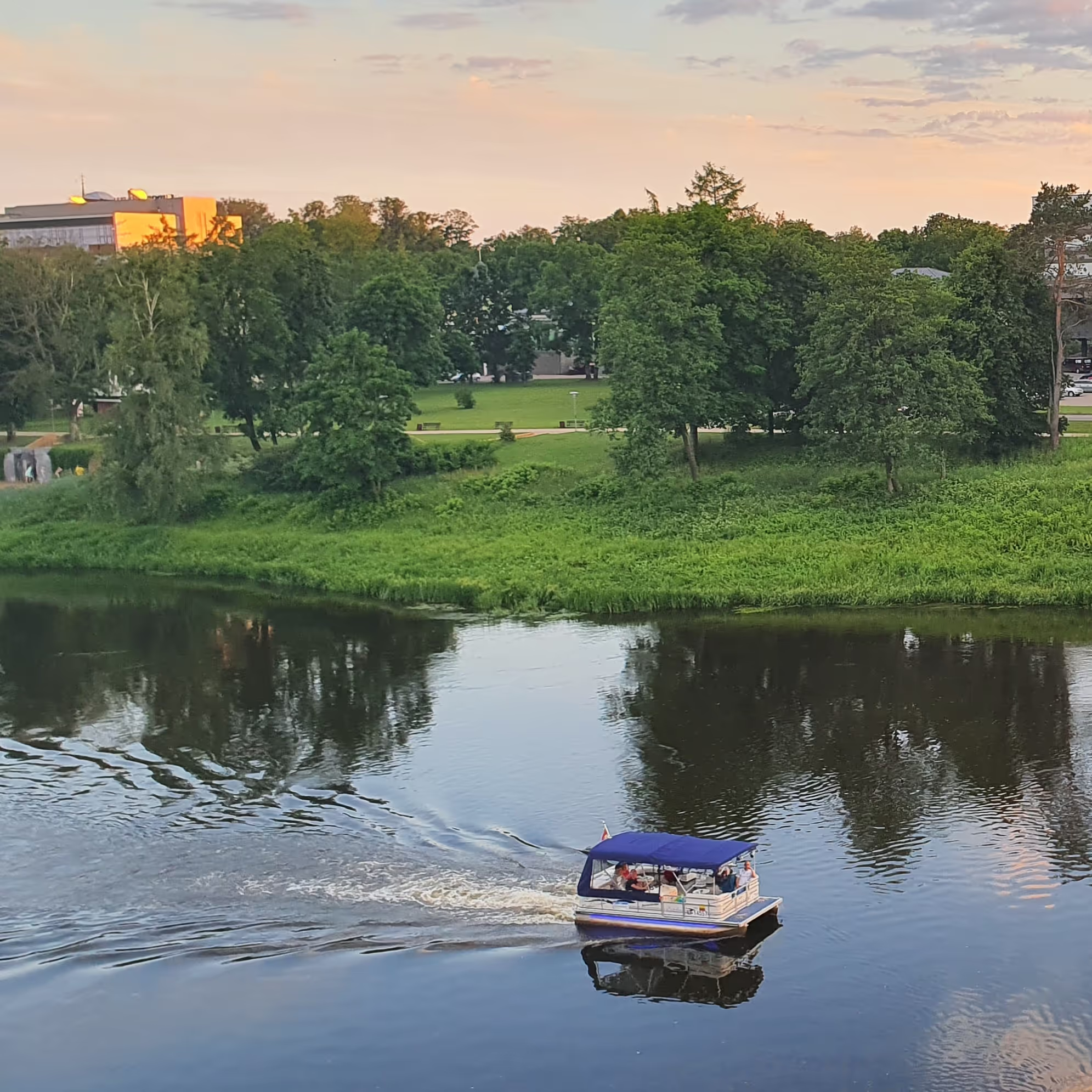
Druskininkai on the Nemunas River. The town’s name comes from Lithuanian (druska = salt, druskininkai = salt harvesters), yet it still sounds nostalgic to Polish ears. No wonder— a century ago, the Marshal wrote his romantic pieces here and spent equally romantic summers, and writer Eliza Orzeszkowa sought health and inspiration here. The guest list also includes: Ignacy Kraszewski, composer Stanisław Moniuszko, actor Juliusz Osterwa, singer Hanka Ordonówna...
In the last two decades, the town has poured billions into infrastructure. Today, Poles once again flock to Druskininkai for a weekend at the water park or to ski on the year-round slope. Despite modernization, the spa town has somehow preserved the charming atmosphere of an interwar Polish town— abundant greenery and the lazy bliss of a sunny day.
How can you avoid the tourist crowds and enjoy Druskininkai the slow way? Here are a few tips.
It doesn’t get any closer
Slow stays in Druskininkai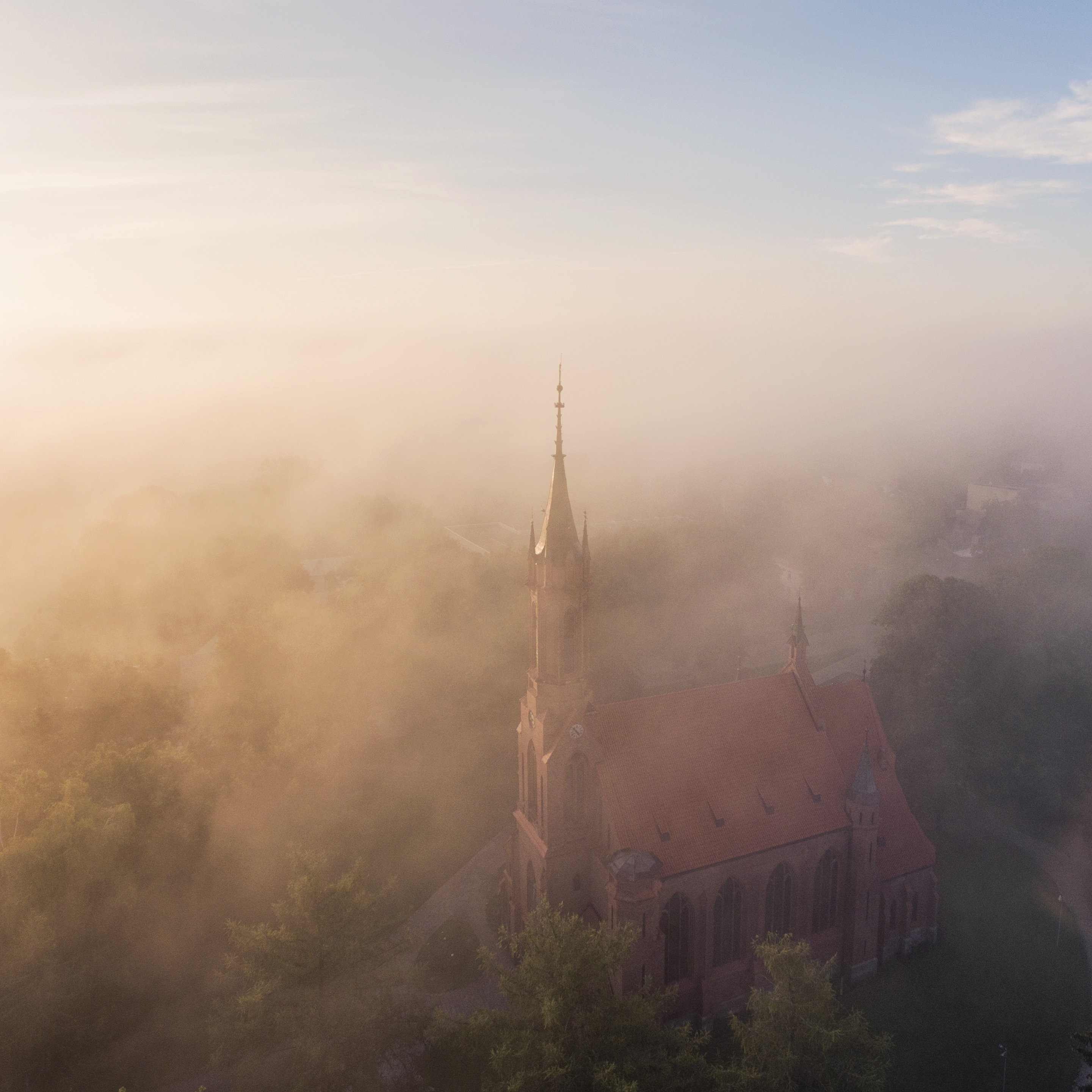
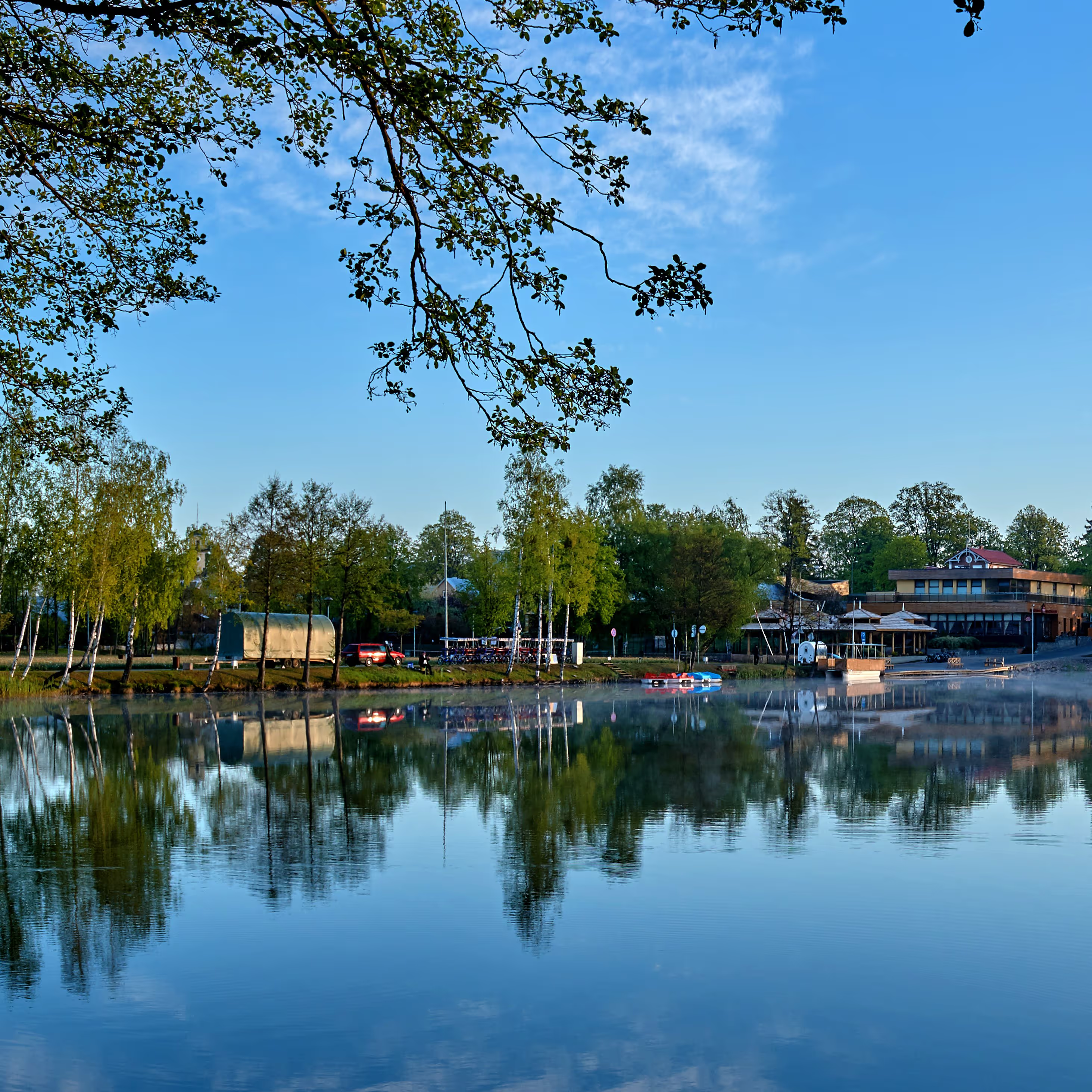
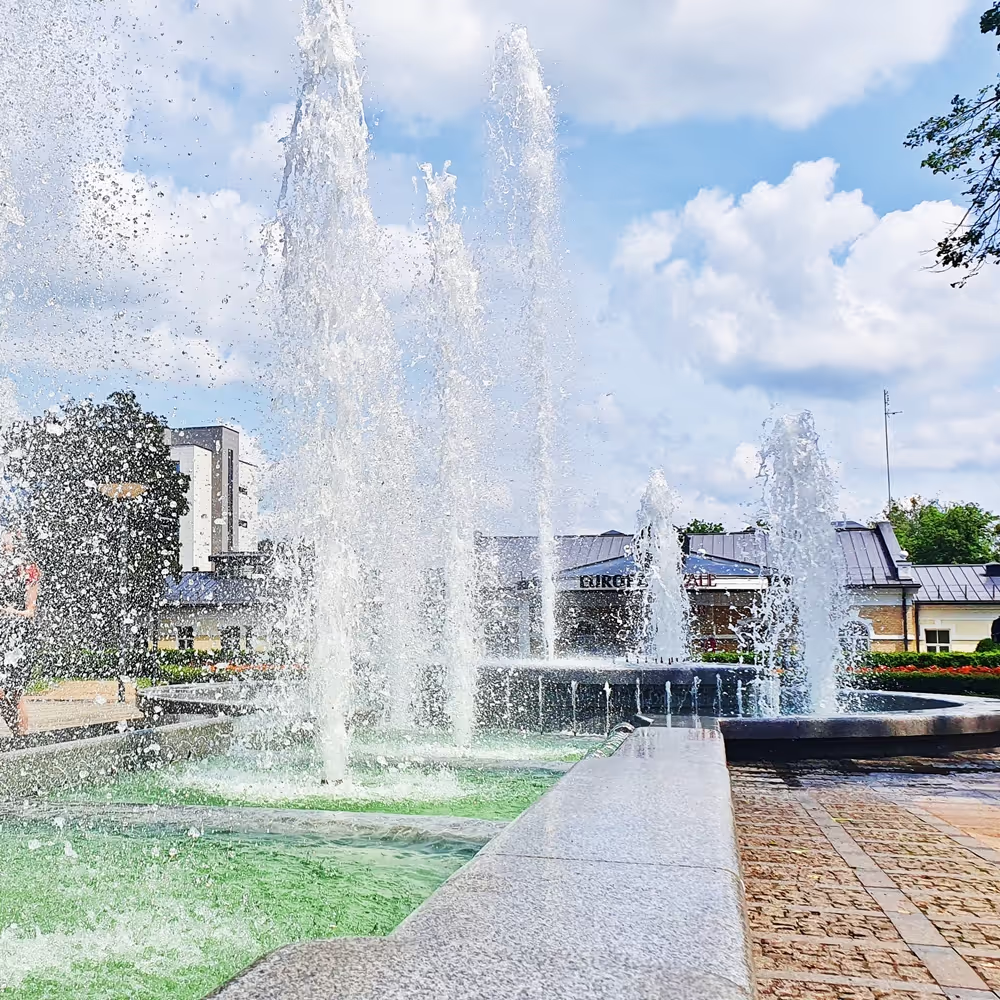
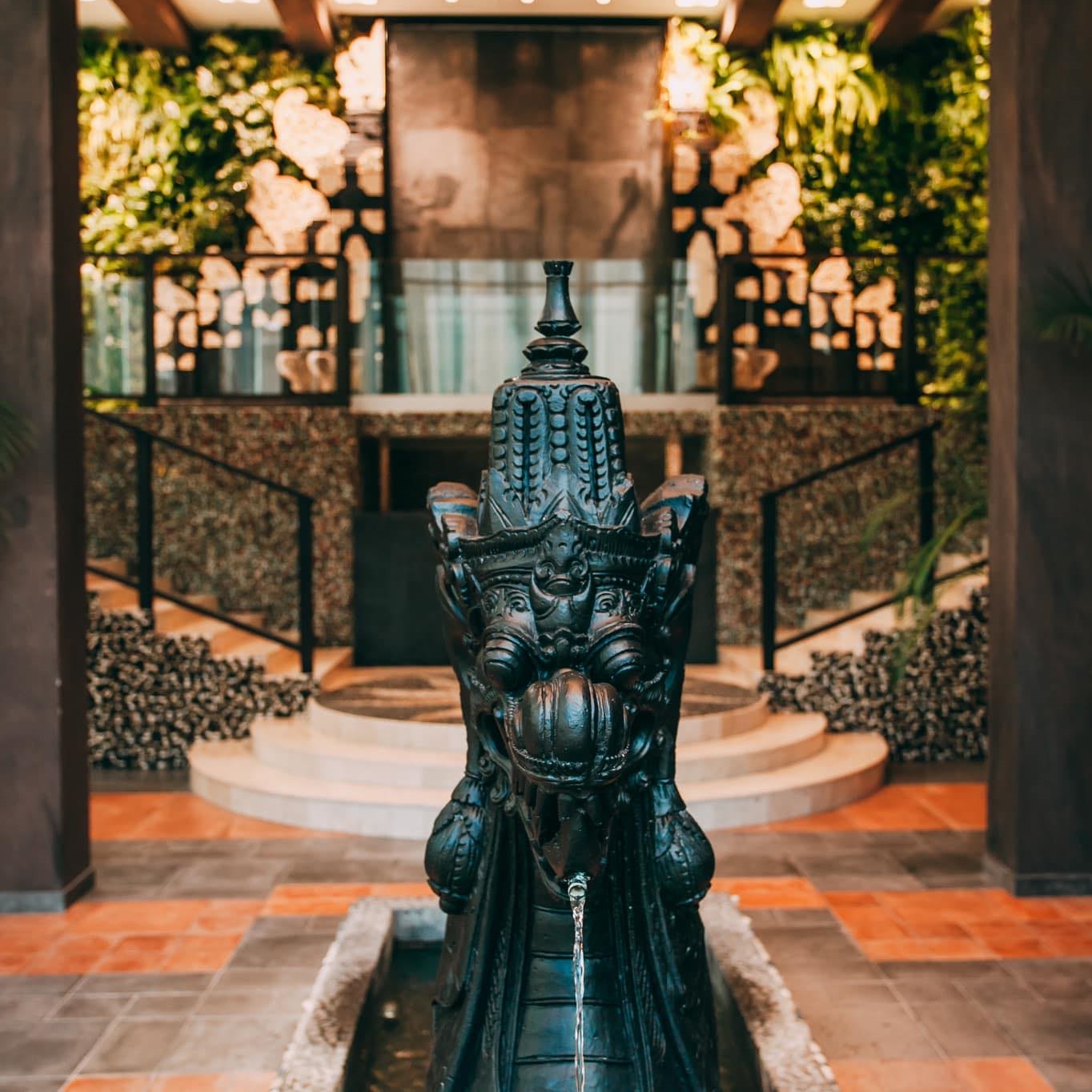
Everything you need for a perfect stay in Druskininkai is within about a ten-minute walk. Your morning flat white. Fresh eggs from the local market. A selfie by the fountain. A bike rental by the lake. A sip of mineral water at the Nemunas springs... You don’t have to rush — it’s all right here.
If you’d rather avoid the buzz of the queue at the popular pizzeria or the cable car line, you don’t have to stay in the town center. Just a bit further out, there’s an old street with guest rooms, large terraces, and free parking. Under the shade of lindens and chestnuts, it’s quiet and peaceful.
Slowhop’s tip:
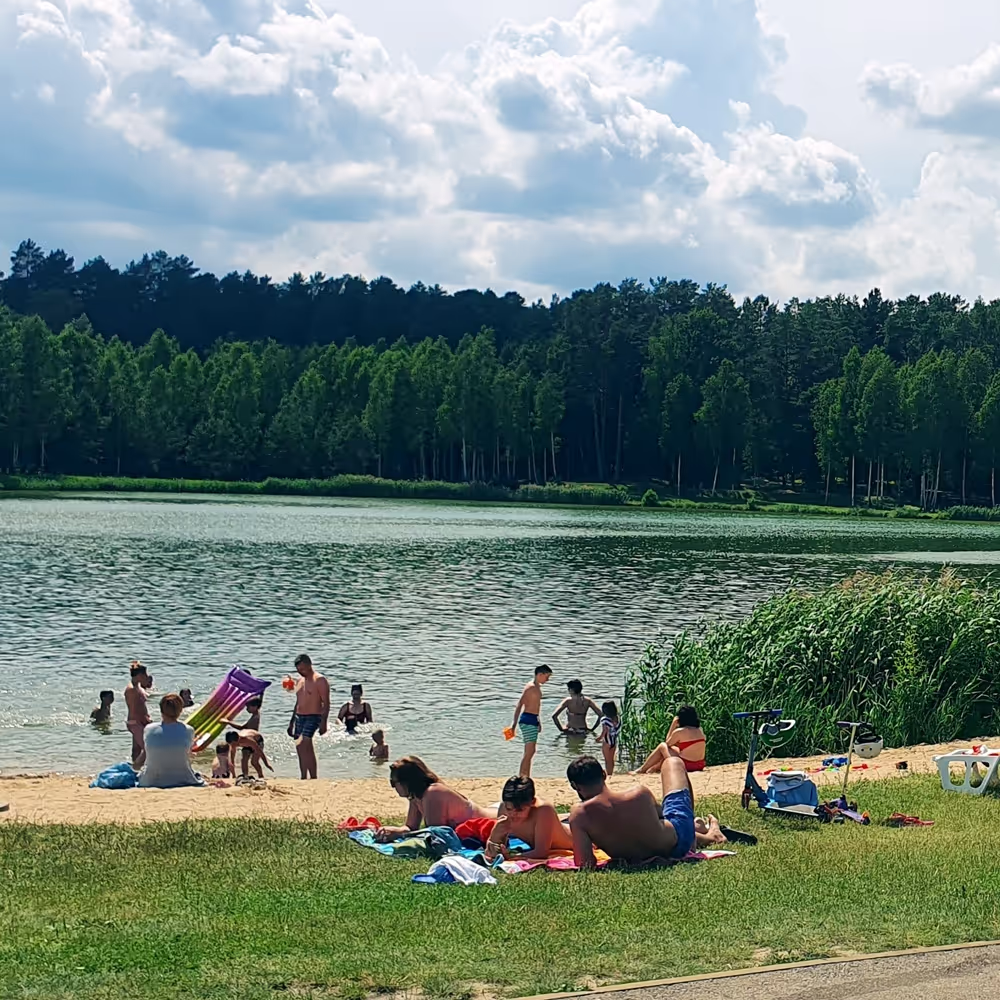
For a leisurely holiday, pick the neighbourhood of single-family houses on the left bank of the Nemunas. It’s a tranquil area right by the new bridge, within walking distance of the center (the furthest lodging is just 1,000 meters from the water park). If you’re not big on walking, bikes and other two-wheelers are available to rent in season. You’ll reach any attraction in three to five minutes, gaining a few extra moments in your day. Good slow-stay options include the right bank of the Nemunas (near Love Island) and the Ilgis Lake shore.
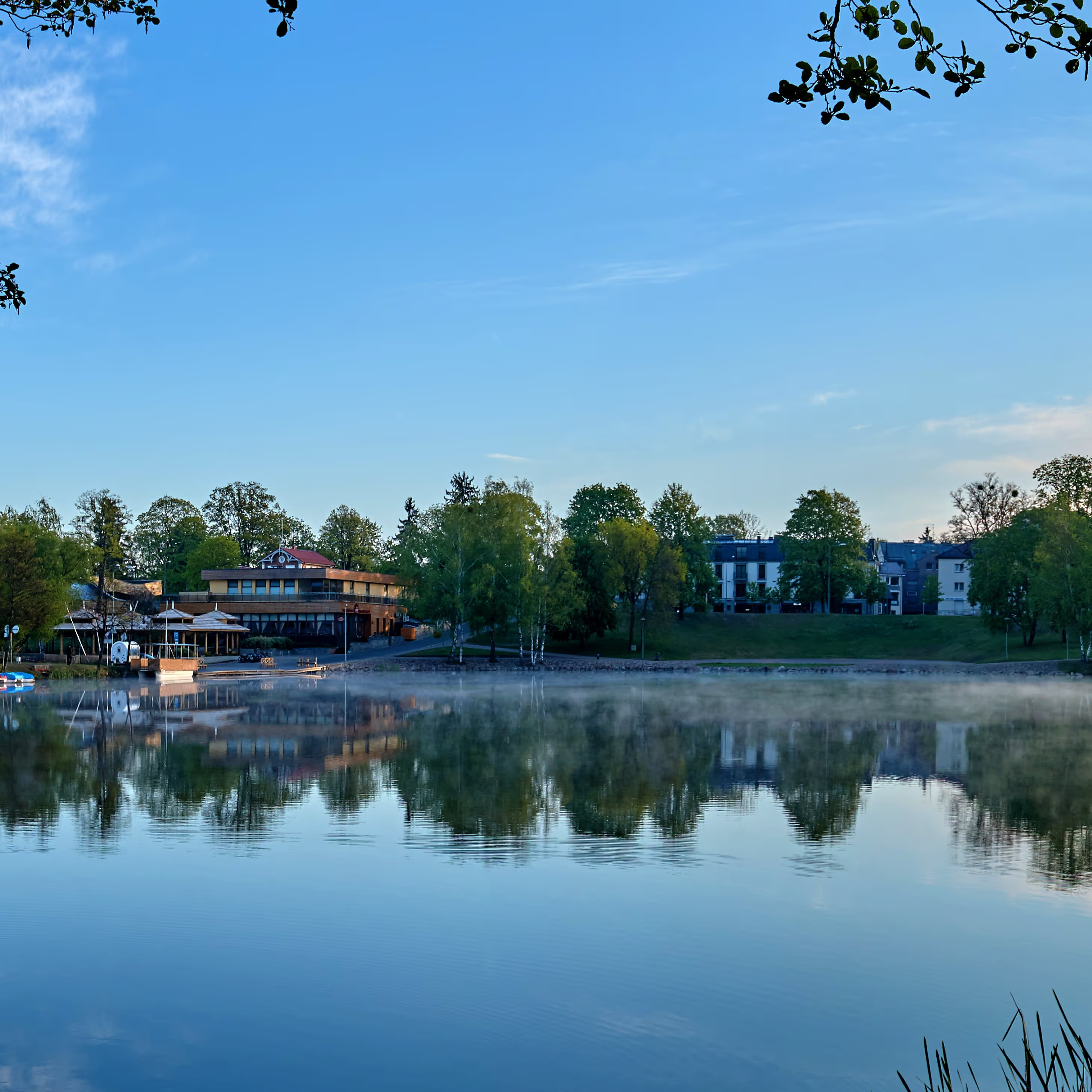
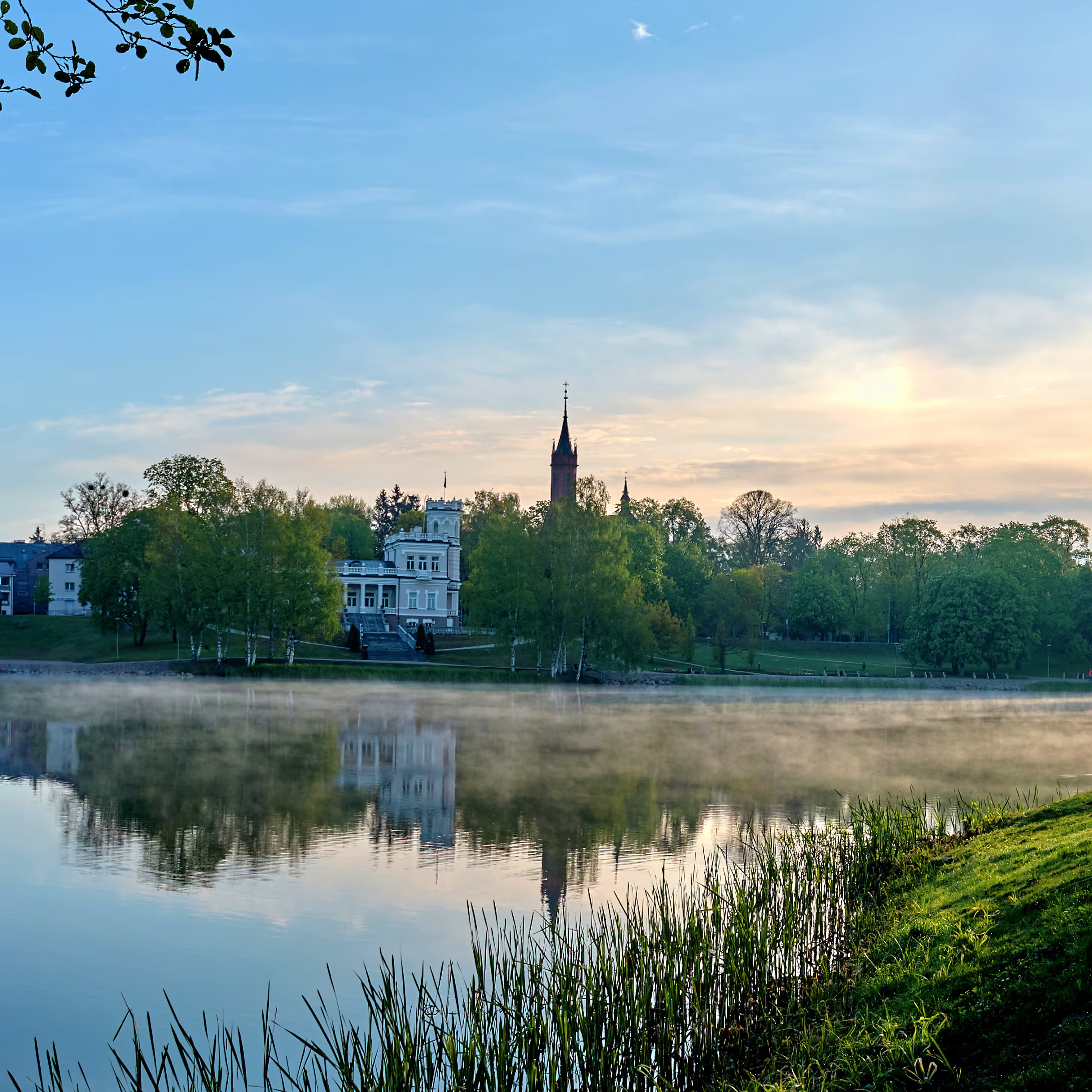
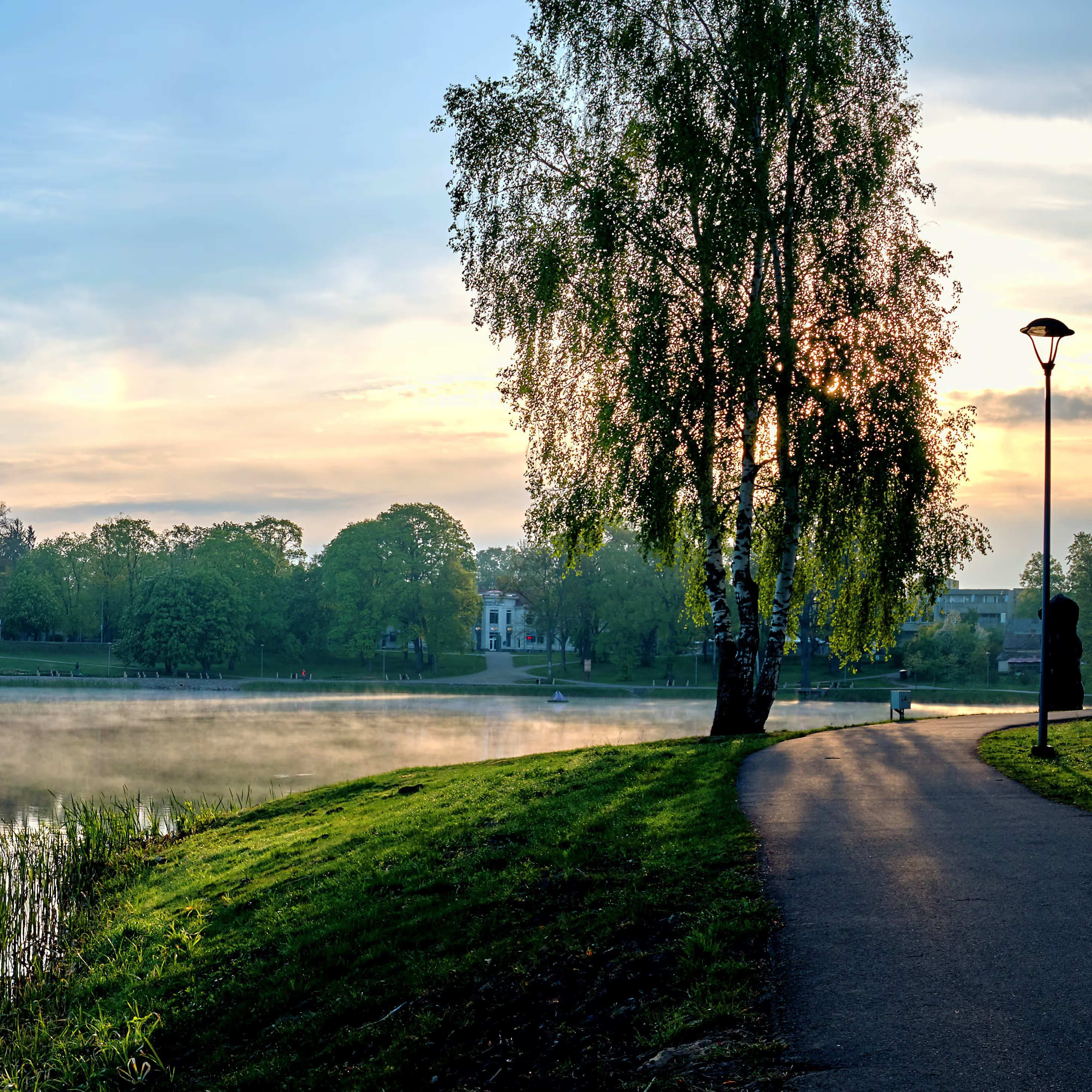
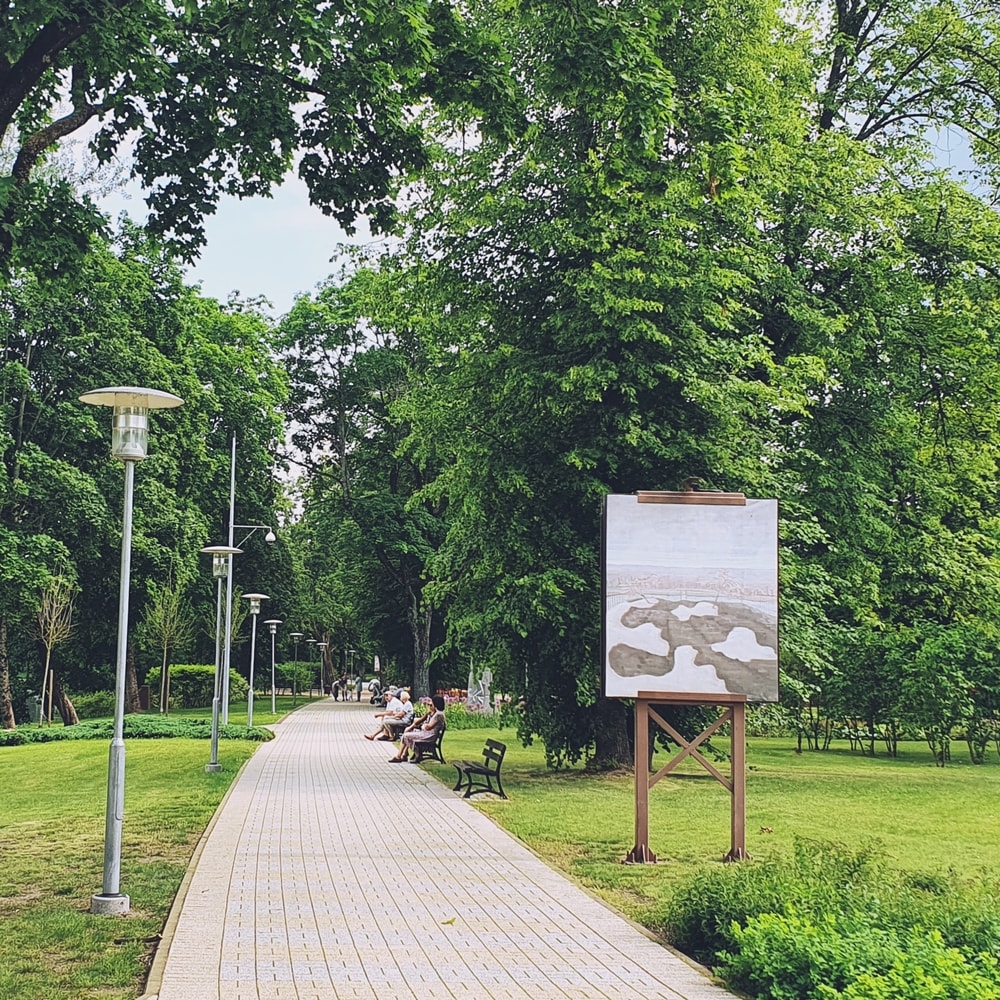
For city dwellers used to hustle, the first 48 hours in Druskininkai can feel challenging. Cars move at sloth speed. Sidewalks are empty, and the few passersby seem sleepy. But from our experience, it only takes a few days to realize this is the right pace of life! The constant rush quickly feels strange and foreign. And that’s the start of Druskininkai’s magic.
There’s no fenced-off spa park here. The nine wellness centres, cafes, and attractions aren’t lined up along one main promenade; they’re scattered throughout the town. Forest and well-tended meadow gardens spill into almost every open space. It makes the whole town feel like a resort.
Slowhop’s tip:
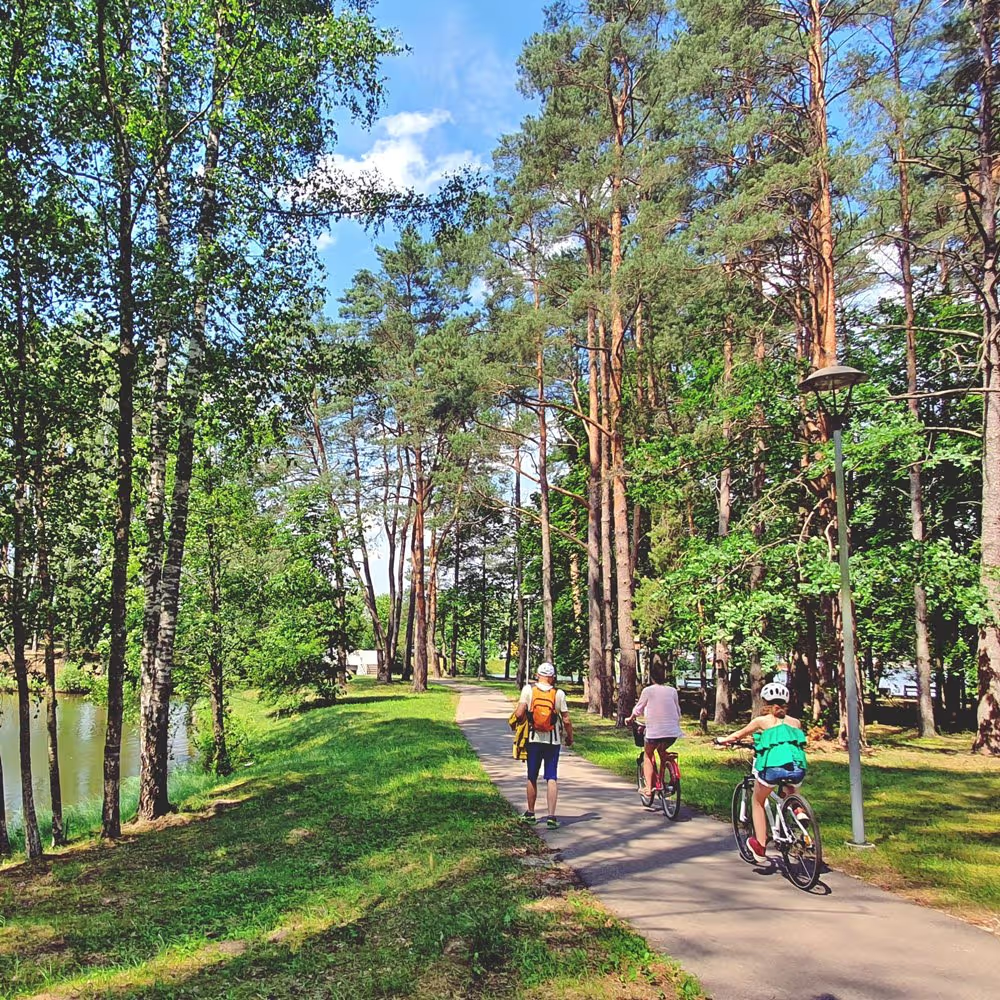
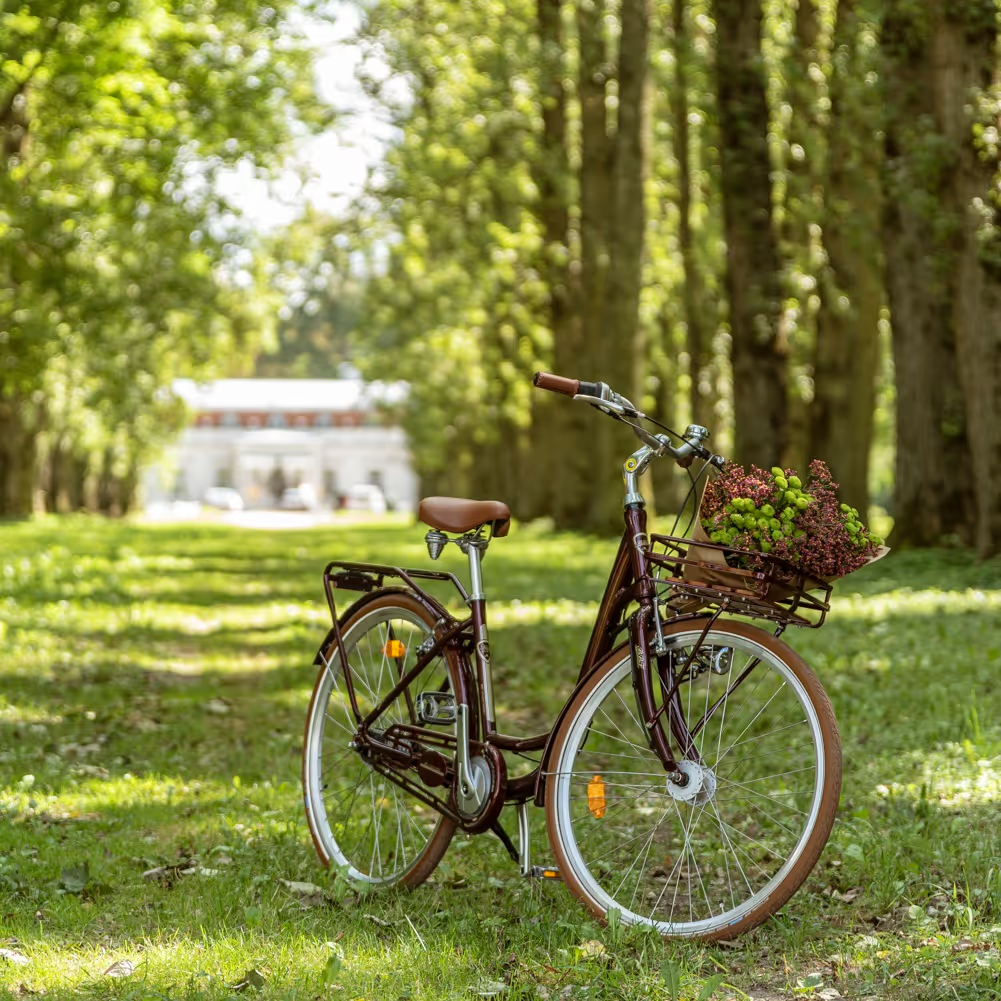
The optimal way to get around Druskininkai is by bike. It’s perfect for trips that are too far to walk but too close to drive. You can cycle almost anywhere without a map — the town is crisscrossed by unmarked paths. Streets and sidewalks are bike-friendly too. We recommend routes around the two central lakes, Druskonis and Vijunelis. Another pleasant ride runs through the forest by the old and new bridges over the Nemunas. You might get a bit lost, but you’ll spot something interesting: a stretch of pre-war cobblestone or a row of wooden houses painted in sunny yellow (the region’s favourite colour).
Actually, neither. The best months to visit Druskininkai are June and September. But we know you can’t always choose, so we’ve prepared some pointers.
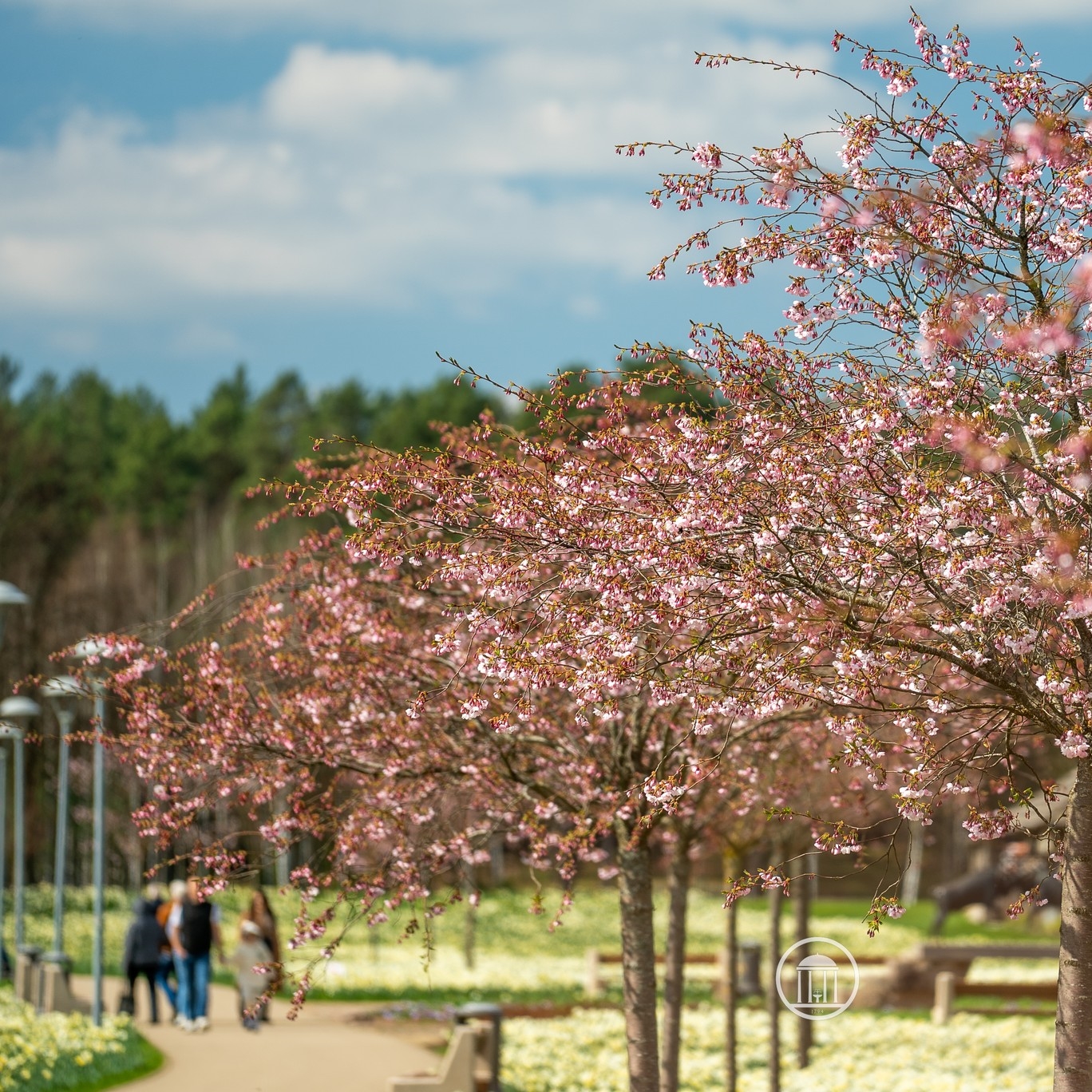
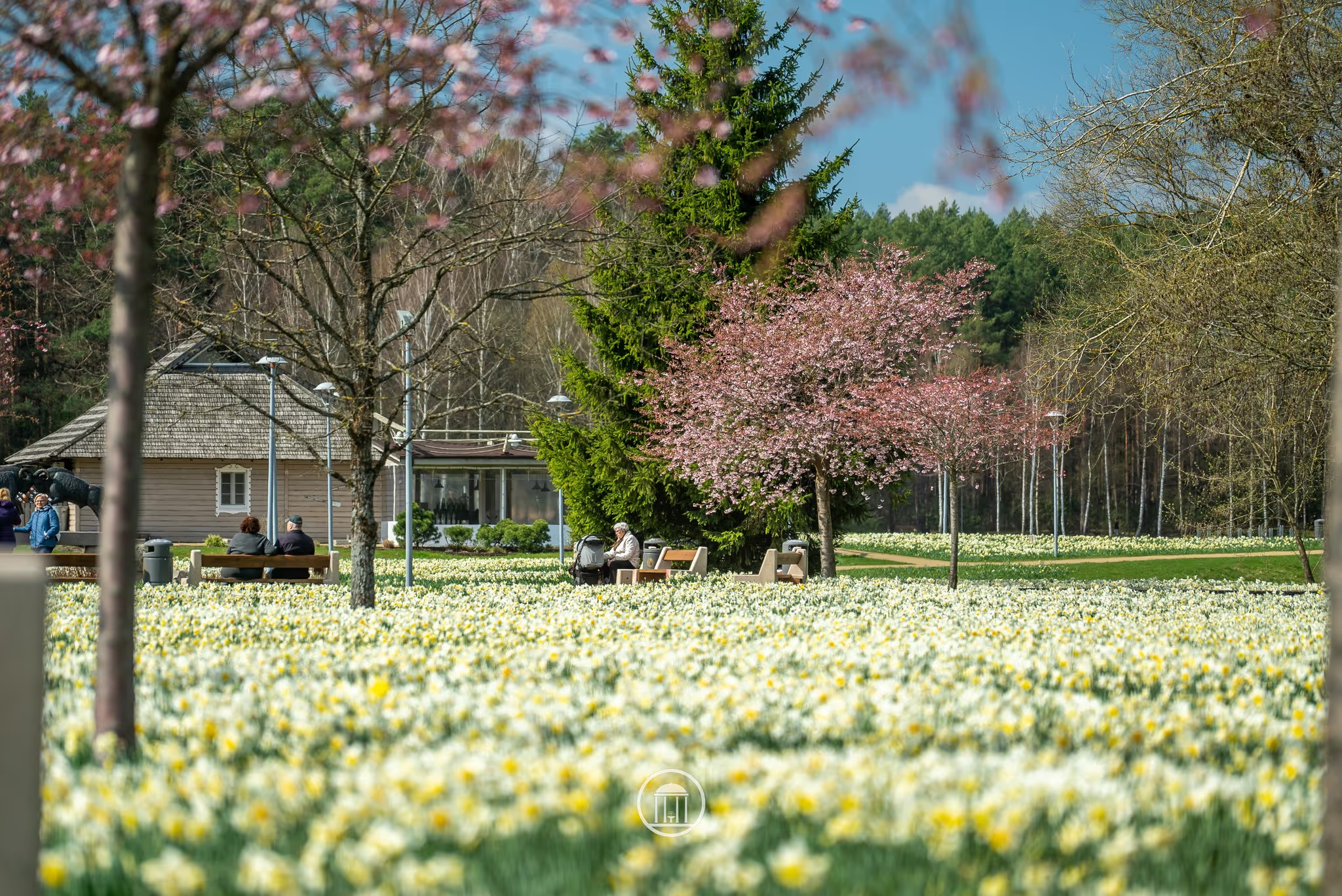
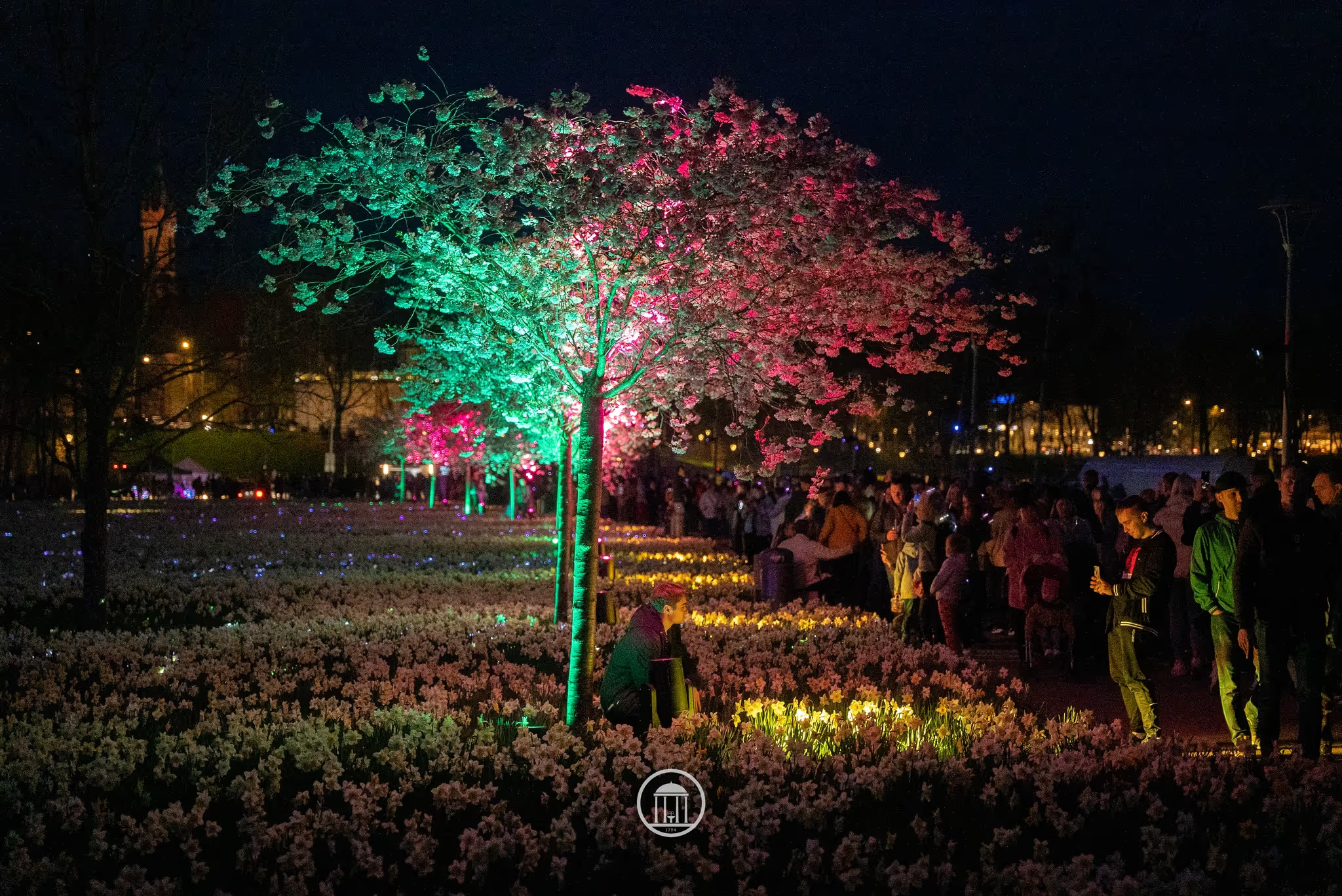
Spring starts about two weeks later here than in Warsaw. You’ll know it’s arrived when the daffodils bloom. In mid-April, half a million bulbs turn the shores of Lake Vijunelis into a swaying sea of delicate white petals. Soft pink from Japanese cherry trees accompanies them. It’s hard to resist lying down among the flowers for a photo, but we trust you’ll hold back.
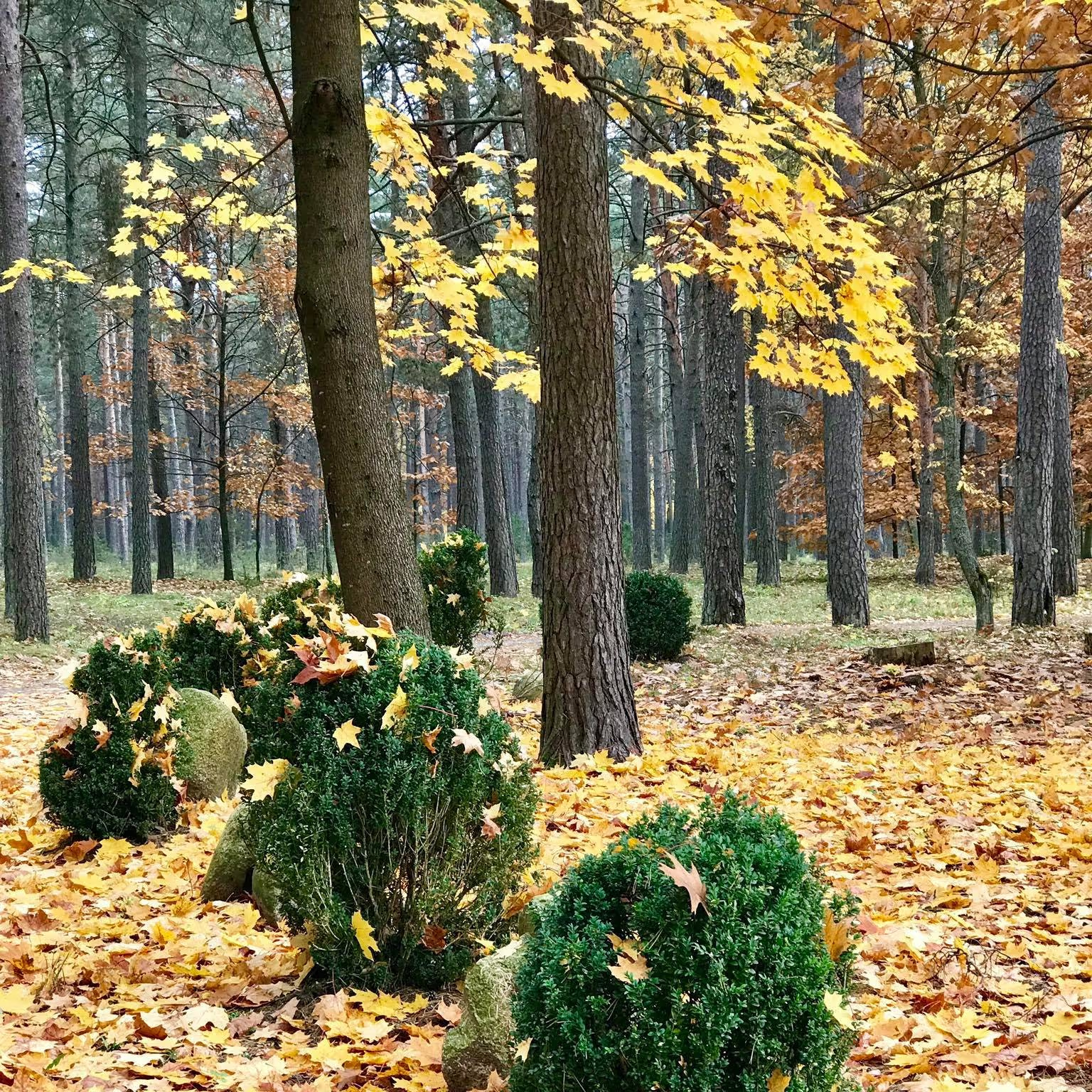
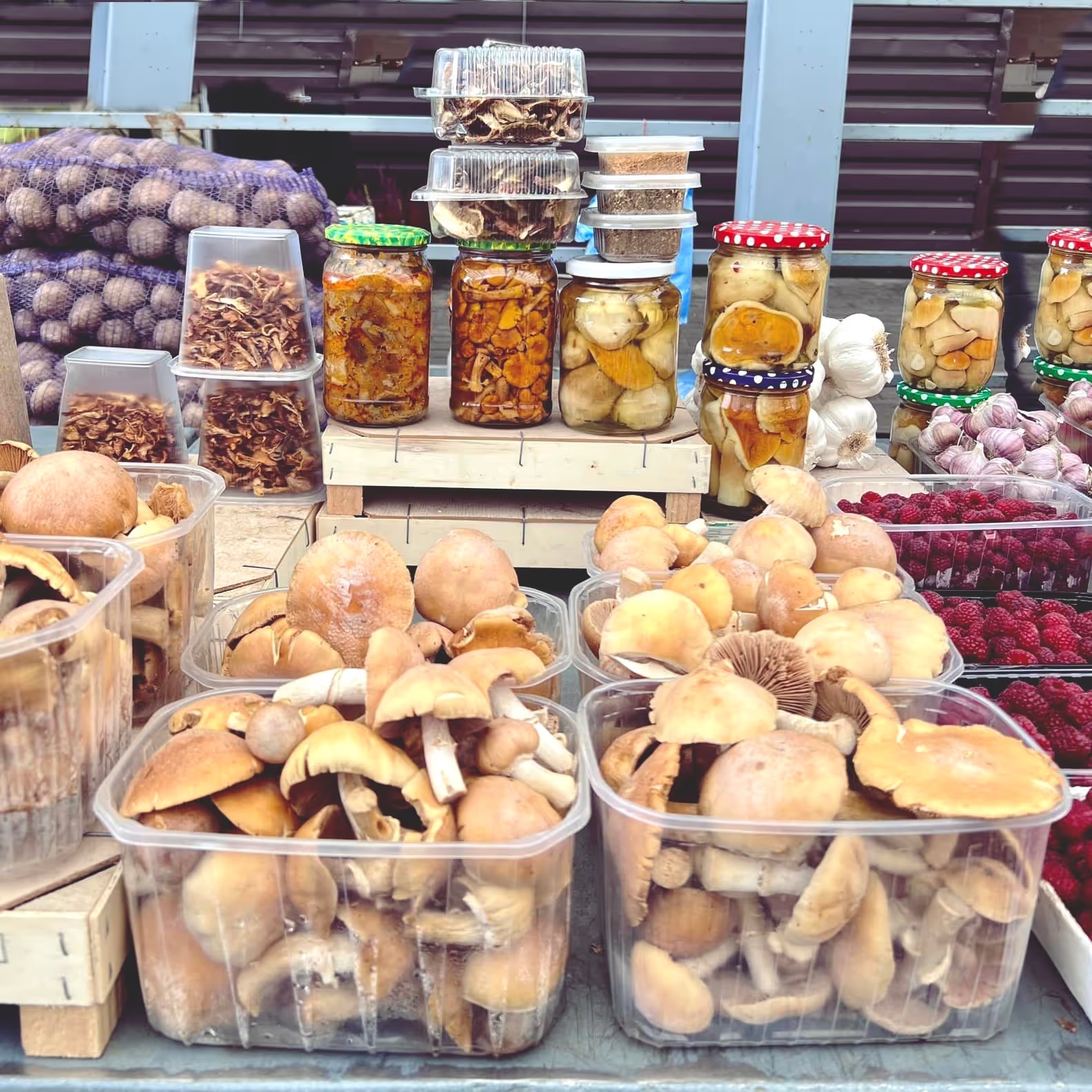
You’ll also bring home beautiful photos in autumn. The trees’ colours delight the eye until late October. On forest trails and market stalls, you’ll find wild blueberries, sea buckthorn juice, and bog-picked cranberries. Southern Lithuania is also rich in mushrooms. If you don’t need a guidebook to identify the edible ones, feel free to wander the woods. Plus, autumn is the best time (and often the most budget-friendly) for hot brine baths, massages, and mindfulness. Combine them with the spa’s unhurried atmosphere for a dream anti-stress therapy.
Slowhop’s tip:
What about summer? We left out the busy season on purpose—everyone who’s been here knows: summer in Druskininkai is divine all the time. Weekends book out months in advance, the cable car line snakes around the corner, and laughter and shrieks mix as people speed down the water park slides. It’s hot and festive. If you’d like to see an equally enchanting but much calmer side of Druskininkai, go just before or after the peak season.
Photos: druskininkai.lt, Sezoninė virtuvė
If you’ve already experienced Druskininkai, you probably have the usual highlights in mind: the water park, the cable car, the covered ski slope, the Lenin Park in Grūtas... You might also have visited the monastery in Liškiava or the Čiurlionis Museum. If you’ve ticked those off and want to know what else is out there, here are three less obvious suggestions.
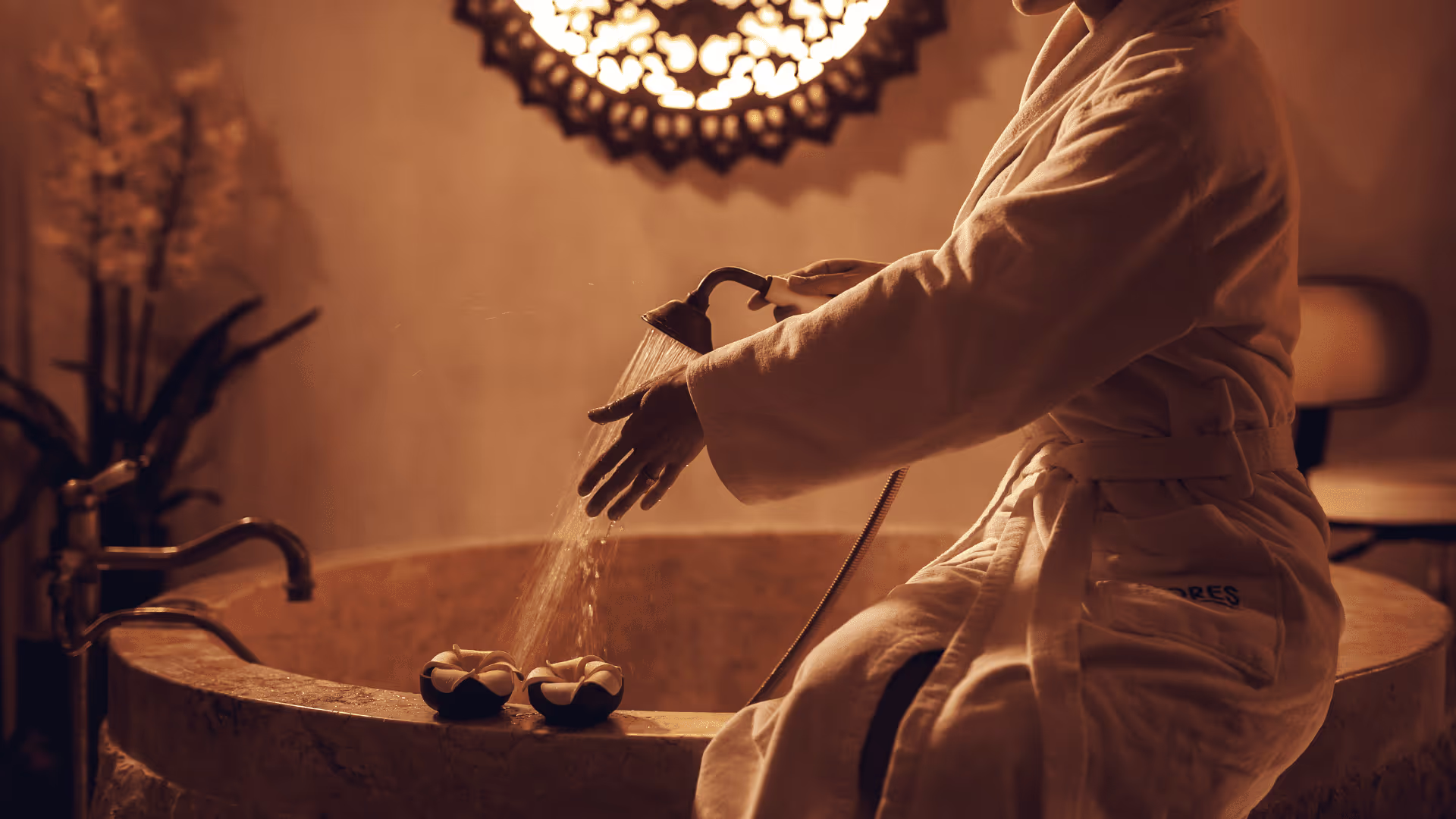
1. A sanitas per aqua ritual in nine steps. Does a spa bring to mind tubs, electric currents, and retirees? Then you need to clear your cache! Druskininkai’s AQUA Centre has created a new spa concept. With interiors that radiate calm, discreet staff, and nine natural treatments combined into a single ritual, this is modern spa therapy.
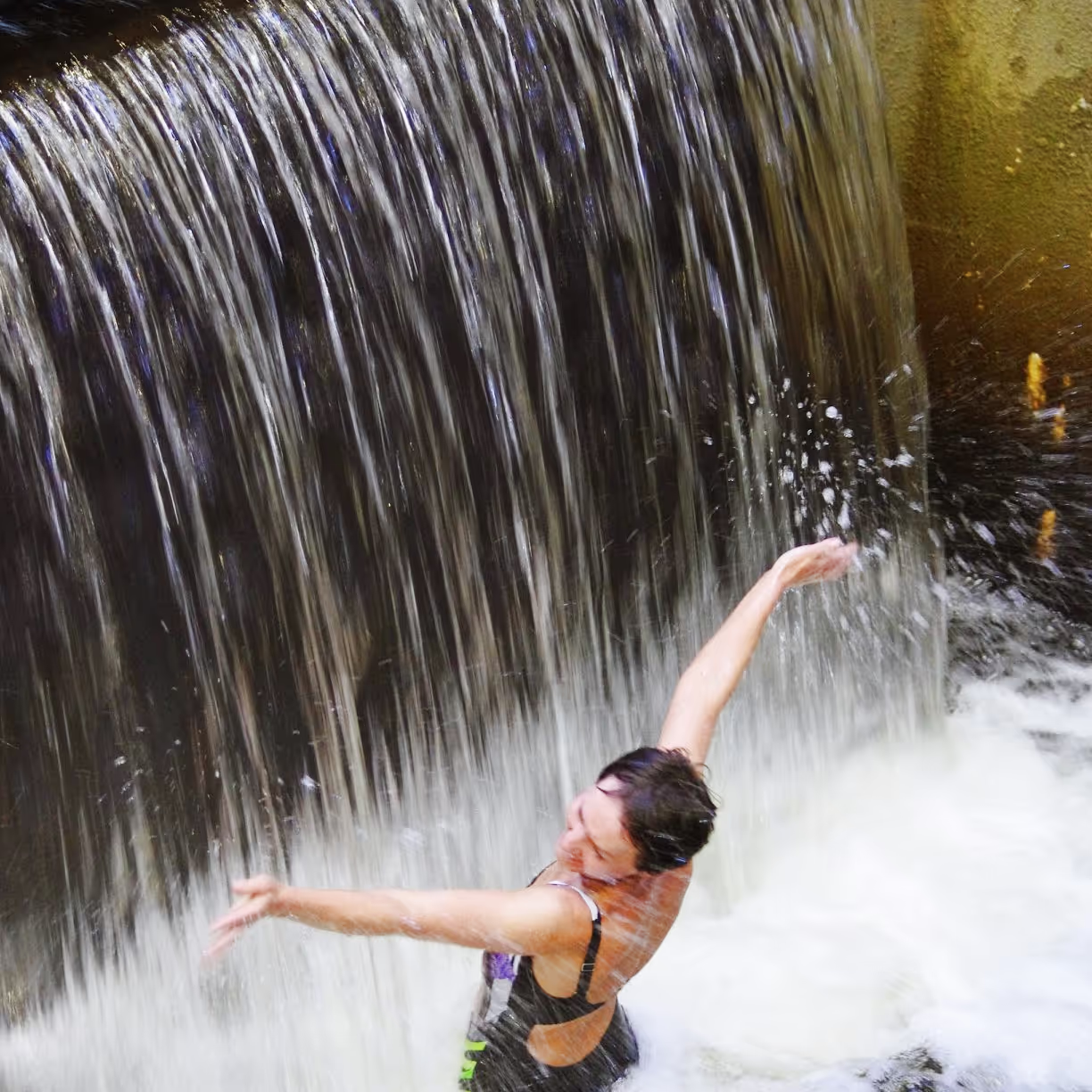
2. Waterfall bathing. In the early 20th century, Polish spas (including Druskininkai) took a big leap forward. They returned to holistic treatments using nature: sun, water, and movement. Exposed skin was subjected to air therapy. To experience the original natural spa from a century ago, step into the therapeutic cascade in Dineika Park.
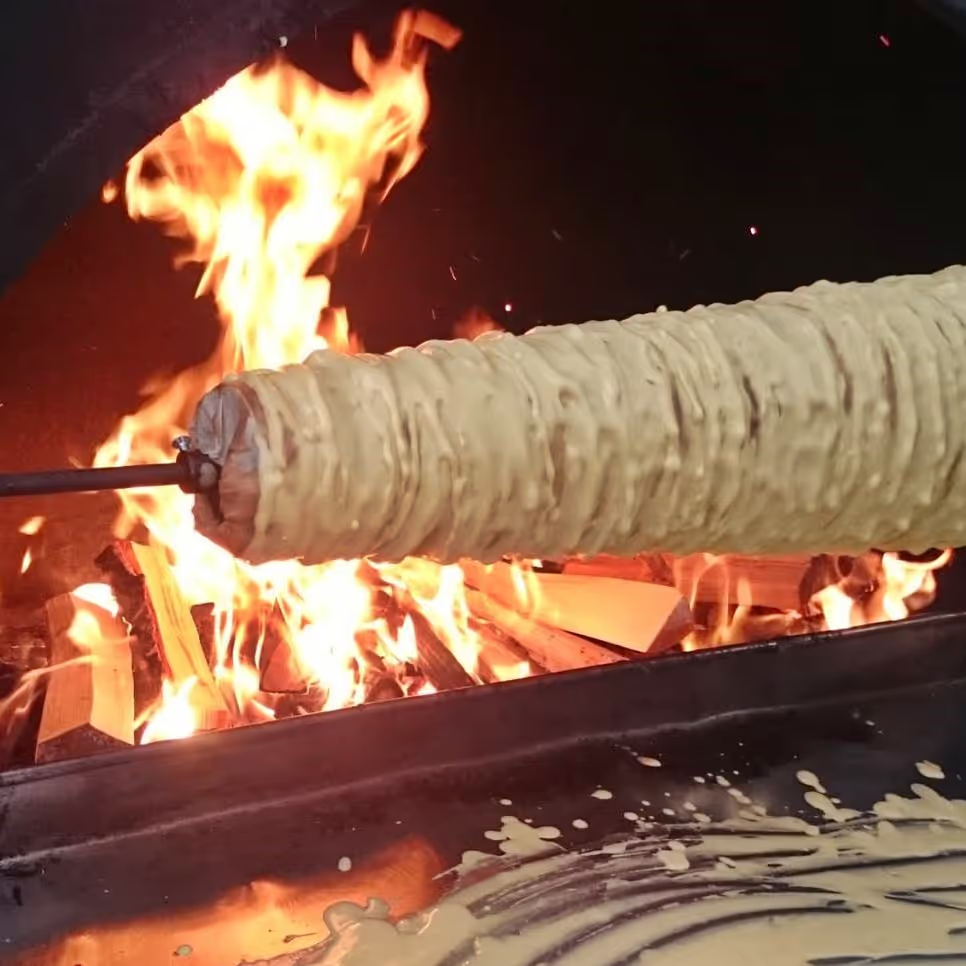
3. Cepelinai and šakotis. Romnesa is a restaurant that’s easy to miss, tucked away off the main drag. It’s worth a visit to watch šakotis (the traditional spit cake) baked over an open fire or to join a cepelinai cooking workshop. You can also just sit down and taste one of the best cepelinai in town, along with freshly baked šakotis.
Slowhop’s tip:
Tourists will keep lining up at the popular spots, but that doesn’t mean there’s nothing worth seeing beyond them. Play the explorer and share your discoveries with others.
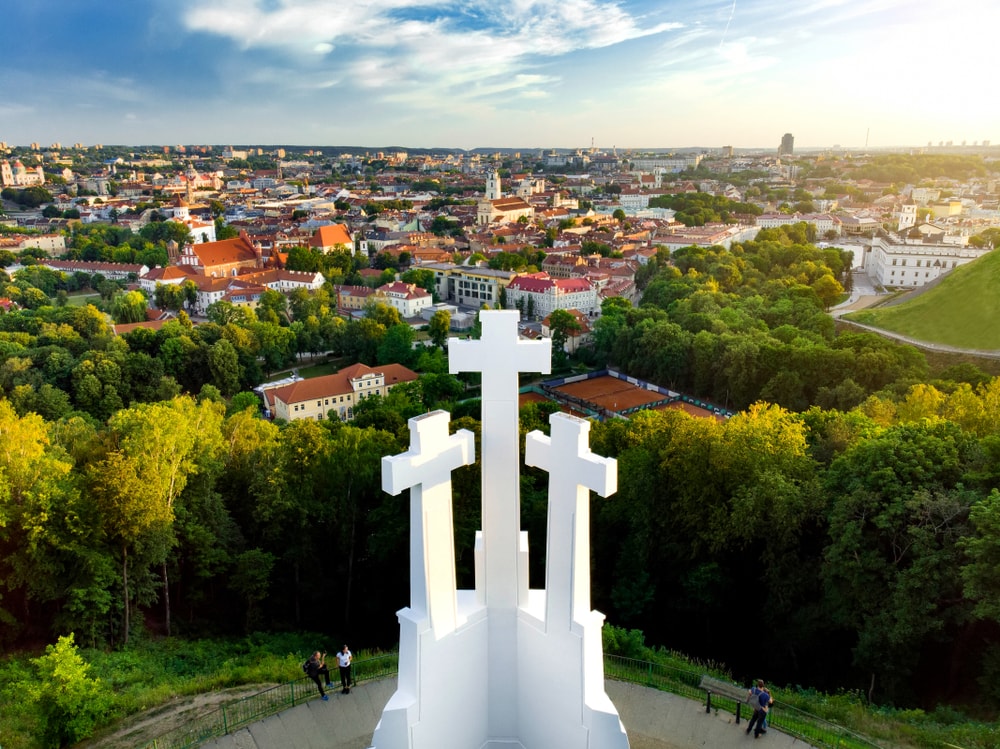
If the Baltic countries were Italy, Druskininkai would be in Calabria. Not because of the air temperature, but because it’s Lithuania’s southernmost tip. It’s a perfect starting point for your own via Baltica journey—through Lithuania, Latvia, and Estonia, then a ferry from Tallinn to Helsinki, all the way to Lapland—the land of the northern lights. Along the way, expect forests, lakes, and tasteful architecture.
You can travel by car, bike, or camper—each works well. The whole trip covers about 1,800 kilometres, split by the Gulf of Finland into two equal legs: Druskininkai to Tallinn (900 km), and Helsinki to the Arctic Circle (around 900 km).
Slowhop’s tip:
To avoid the beaten path, check out our Slowhop spots in Lithuania. And in this article, you’ll find pointers on where to head.
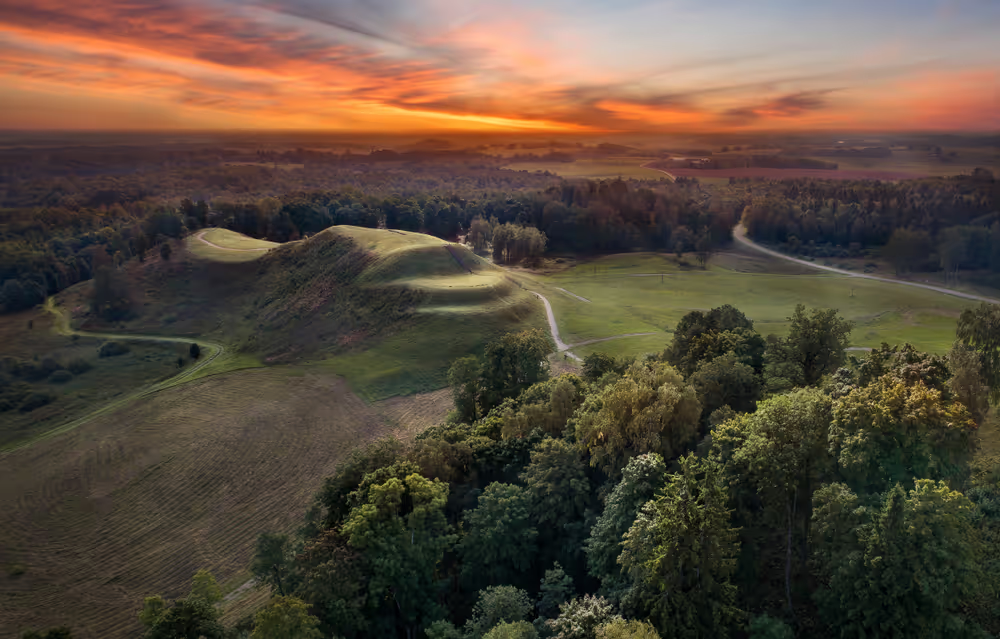
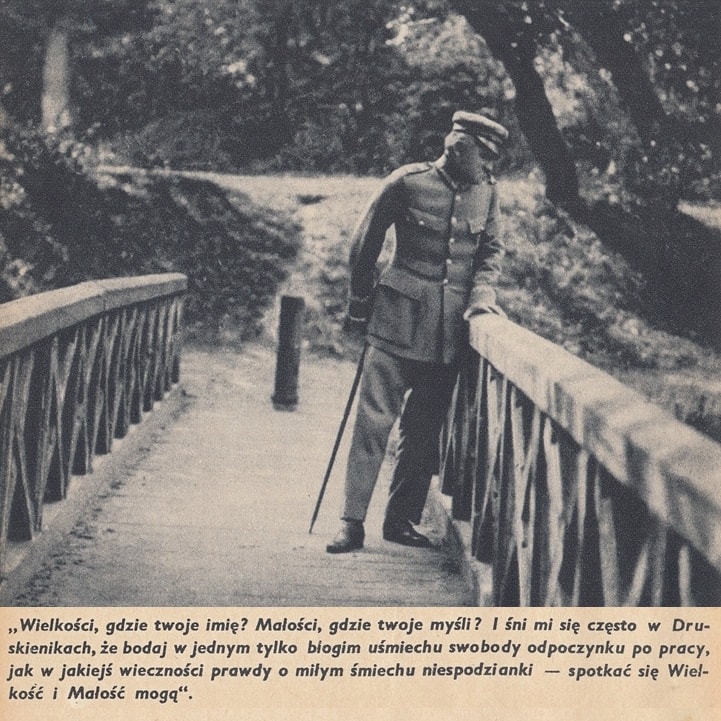
If you’re wondering what romantic passages Piłsudski wrote in Druskininkai, here’s a quote from the town archives.
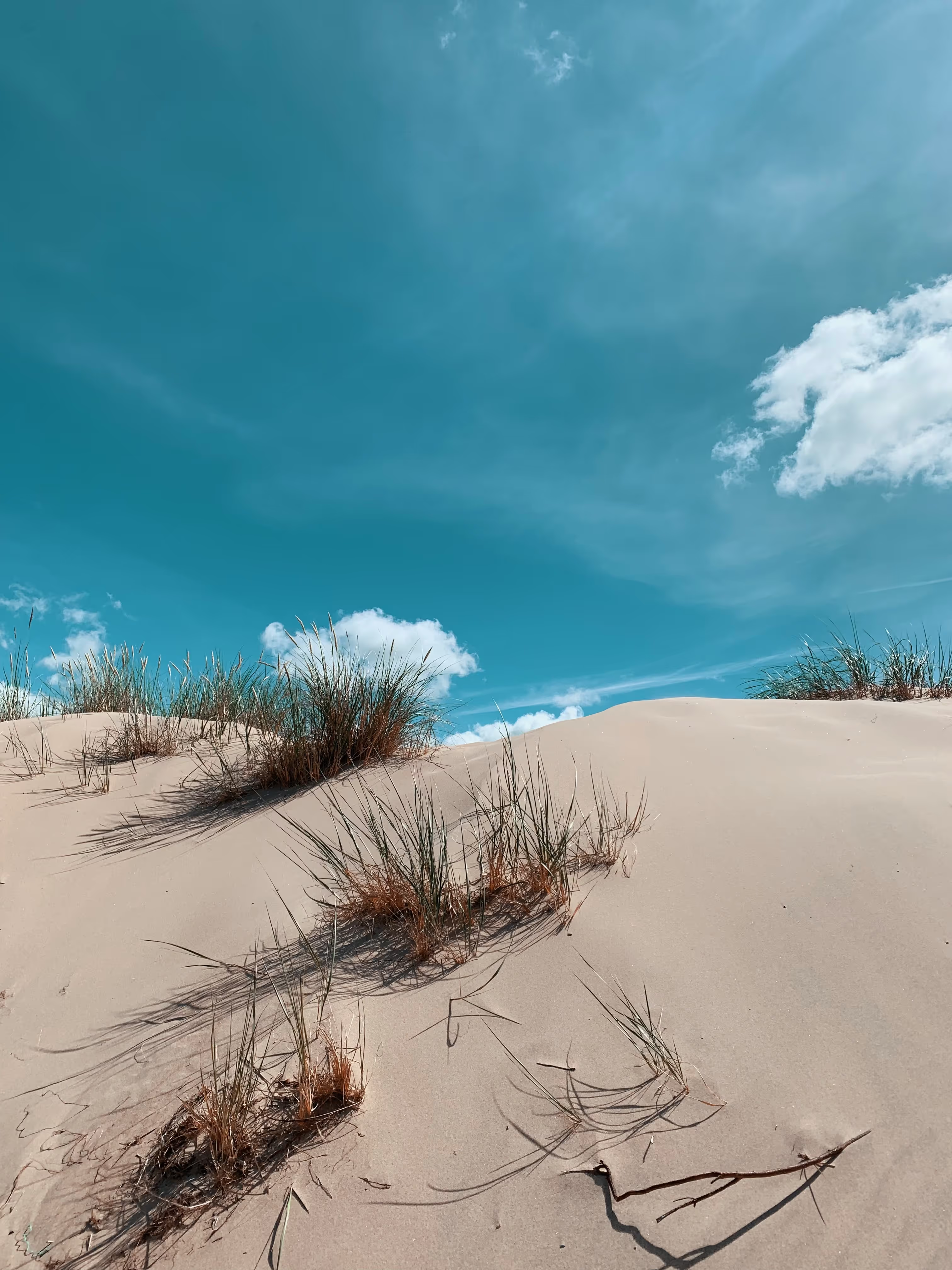
When the Great Creator sculpted the Nemunas valley, He followed a stern line, molding the land with a firm hand. He richly sprinkled it with sand so pale it bordered on white, dusted it with moss that seemed silvery with the earth’s age and His own existence. […] But when the Creator— the Sculptor— approached the riverbank, wearied by His austere work and letting His hands rest, He sent a blissful smile of freedom and repose toward the earth. Grateful, the land shook off the dust from its chest, smoothing its plane. The little Rotnica sprang forth joyfully, hastening towards the river as if to outpace itself […]. From underground sprang springs of various tastes, and colourful greenery with unexpected, spire-like trees, like Gothic arches, replaced the gray moss. Thus Druskininkai became the Creator’s surprise in rest, when He smiled. Józef Piłsudski, “The Golden Book of Druskininkai”
Curious about more slow trips abroad?