People have lived in this land of fertile fields and game-filled forests ever since the glaciers pulled back, but it was the Slavs who really took to it. In the 10th century Mieszko I, the first ruler of Poland, destroyed the old tribal strongholds and built new ones at Gniezno, Giecz, Poznań and Ostrów Lednicki. His baptism in 966 marks the beginning of the Polish state.
Centuries of trade, growing towns and peaceful coexistence between Poles, Germans, Jews, Armenians, Scots and Greeks were followed by wars and partition. For 125 years Greater Poland was under Prussian rule, and people here defended their identity through language, culture and what they called organic work: patient economic and educational self-improvement rather than armed revolt.
Independence did not come until 1919, won by the Greater Poland Uprising. Travelling the region today is a kind of time machine, and one of the best ways to understand Polish history.
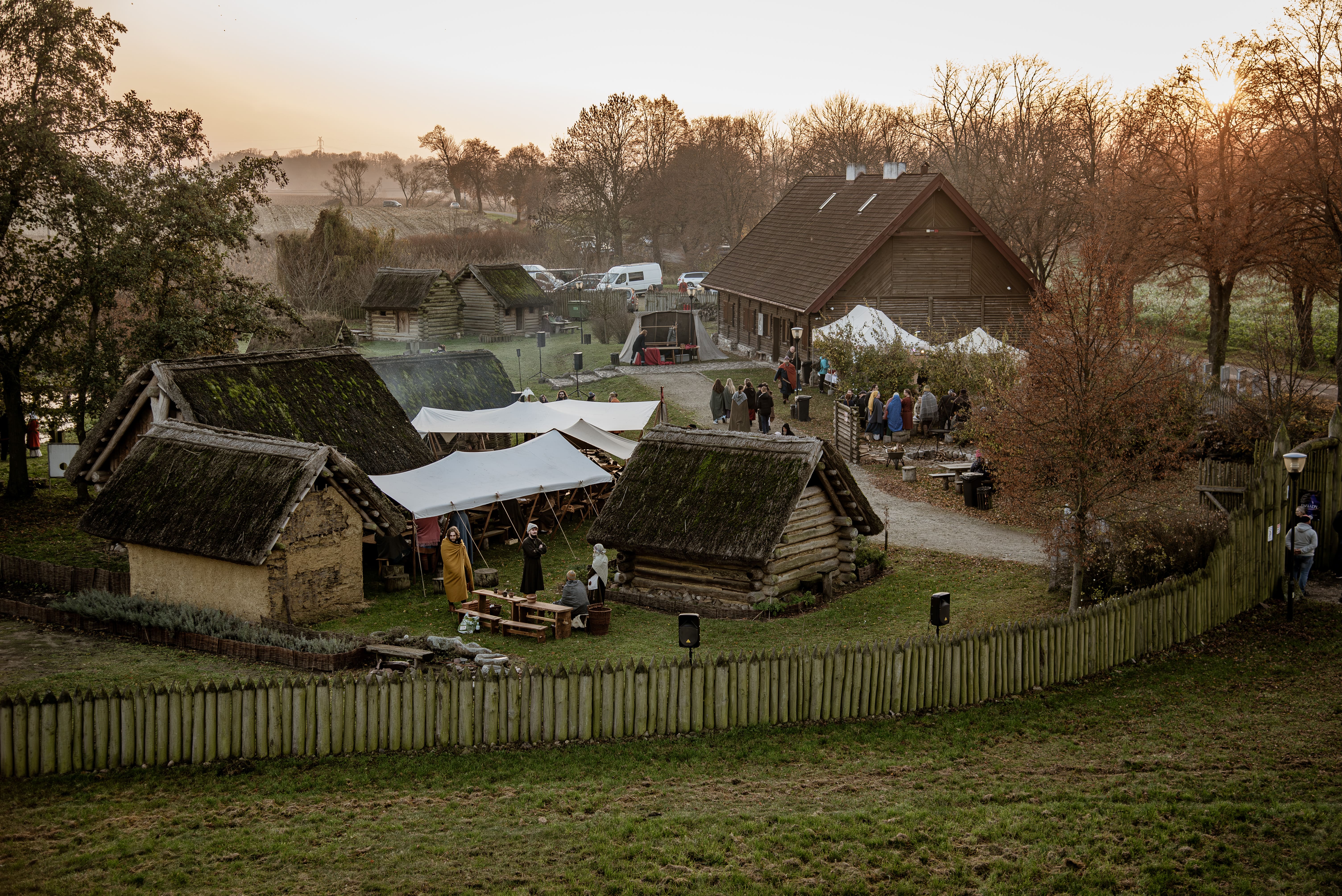
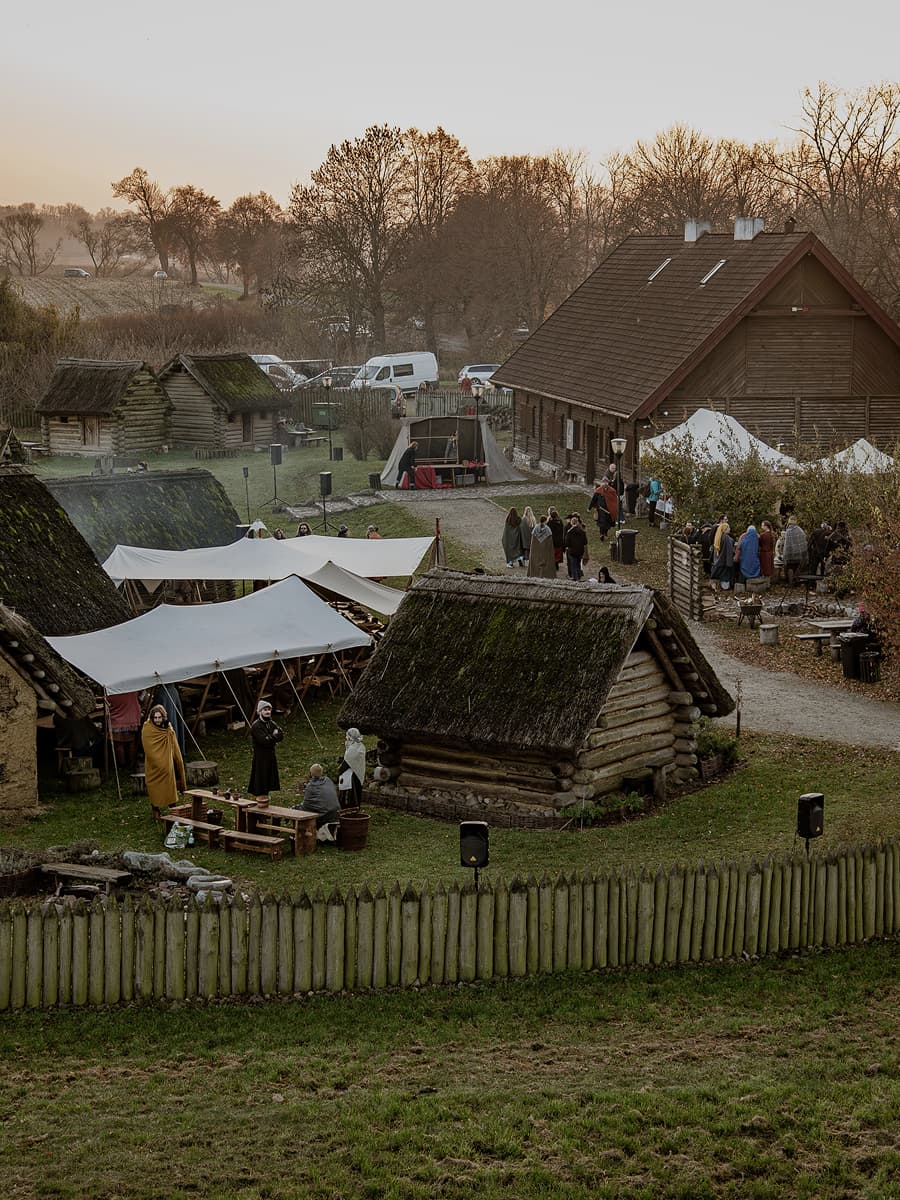
A quiet, sleepy village now, but in Mieszko's day one of the most important strongholds in the country. You can see why at the Early Piast Stronghold Archaeological Reserve , where an outdoor game walks you back into the period. It is worth coming in November for a striking reconstruction of Dziady, the old Slavic feast for the dead.
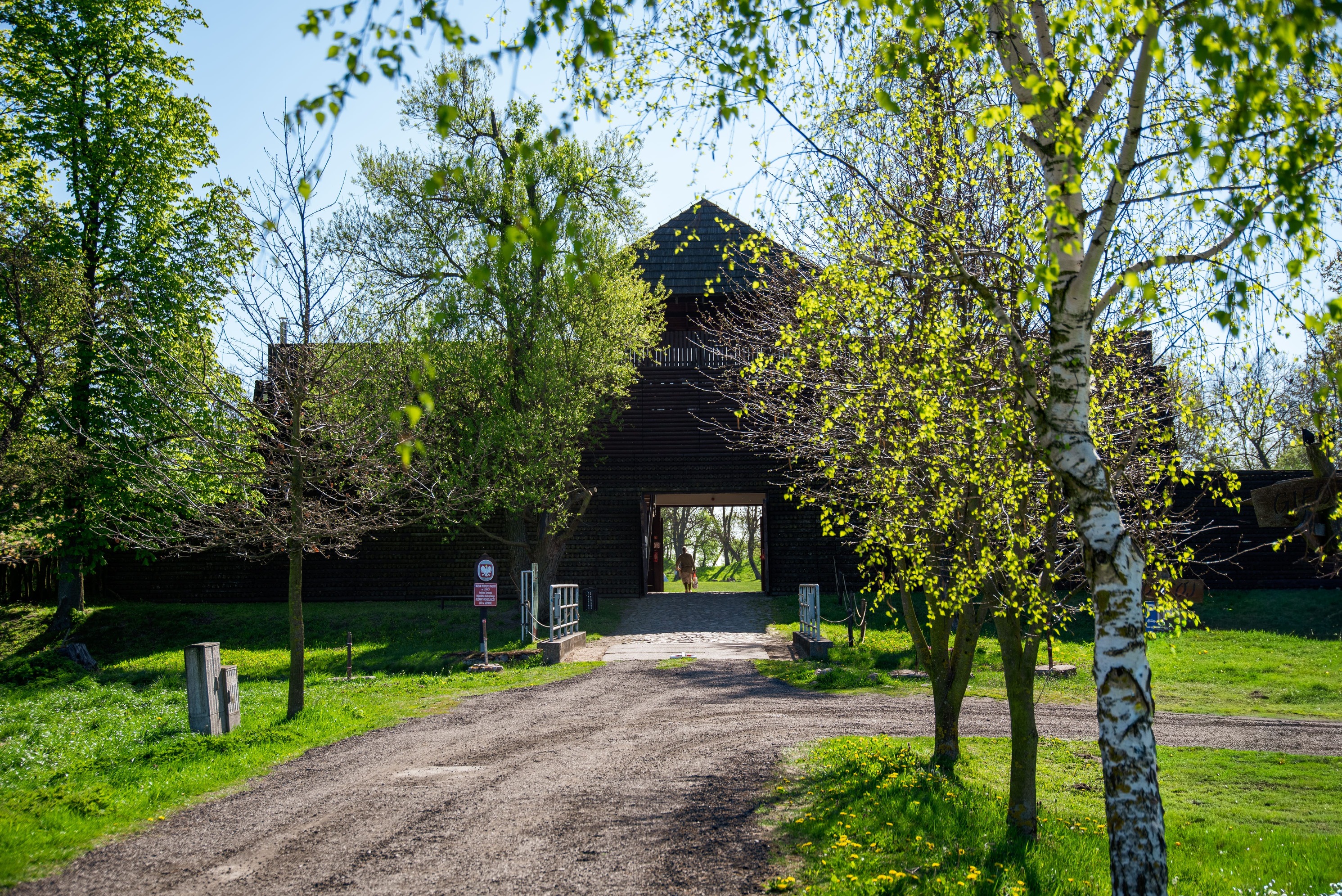
The high earth rampart around the old Piast stronghold is still standing. Come in mid-August and you will find brave men in camps, cooking over fires and gathering their strength for the Grzybowo Warriors' Tournament.
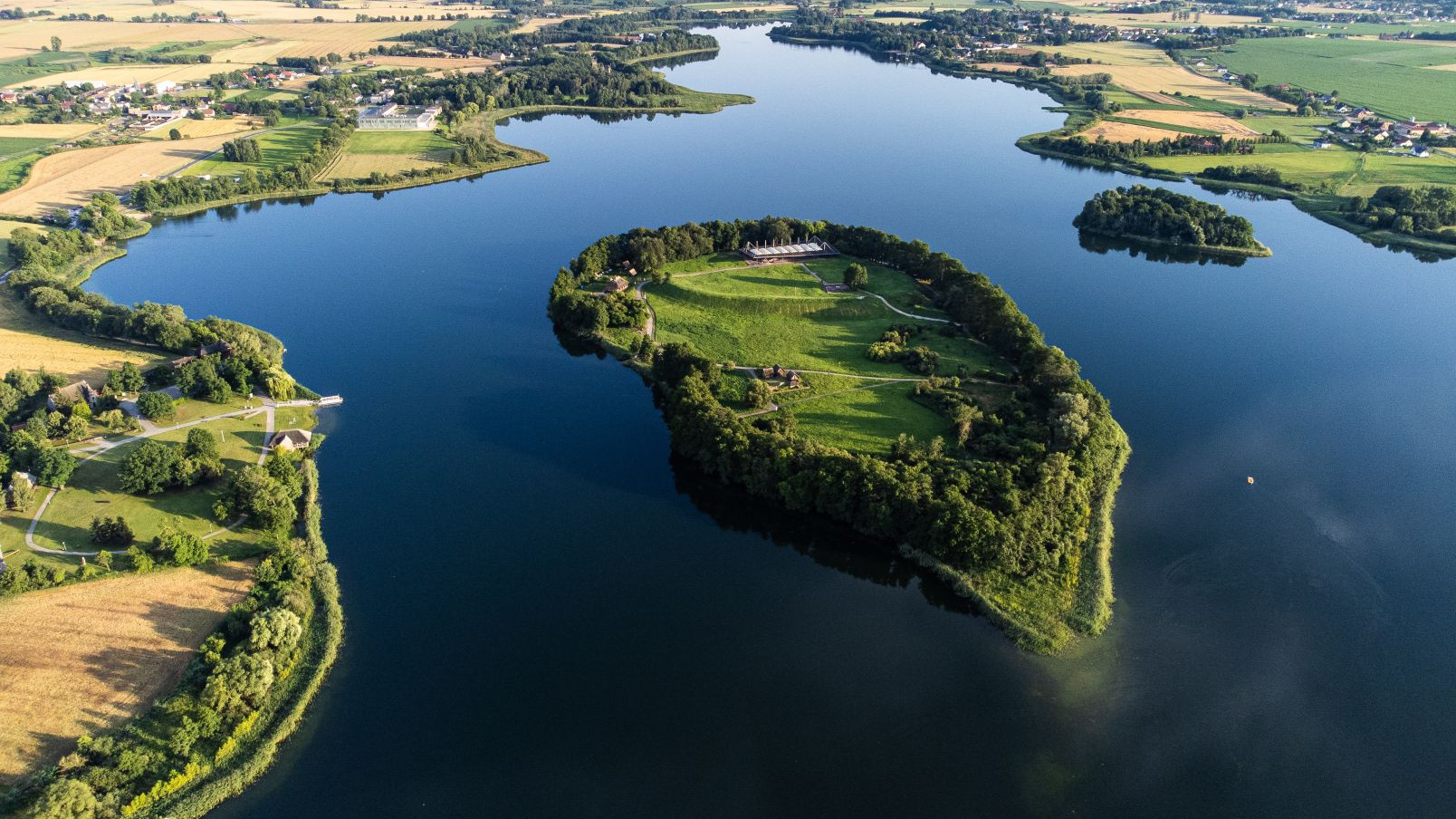
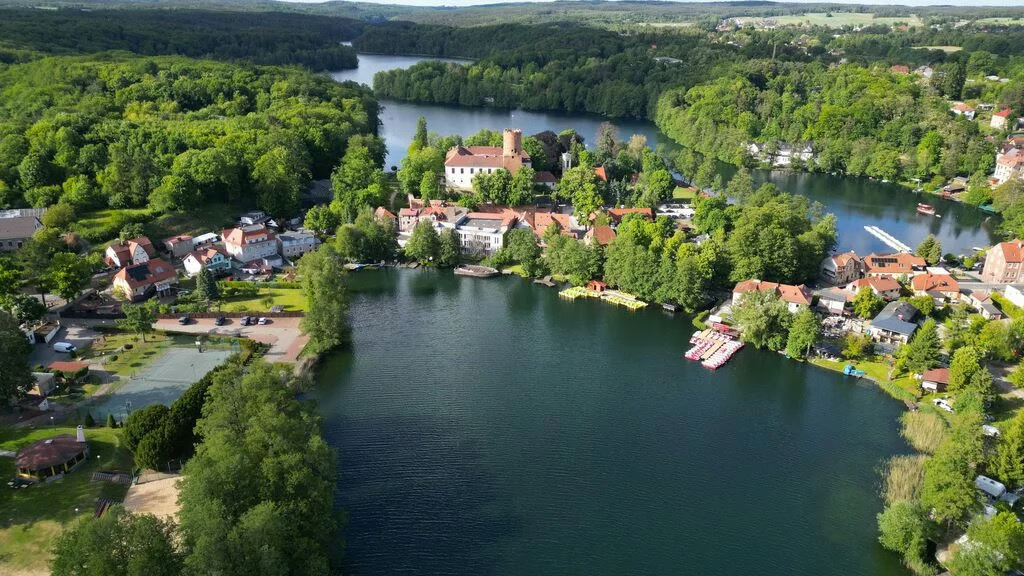
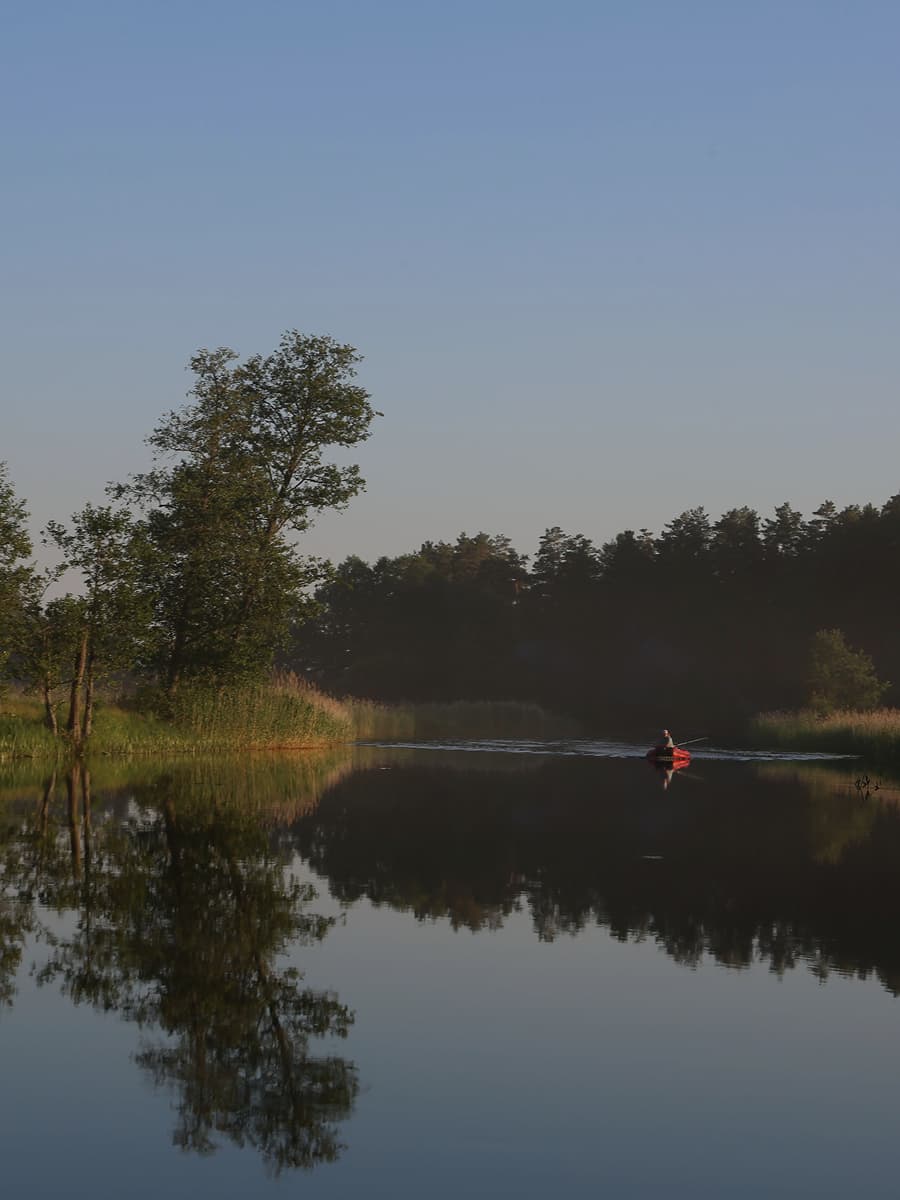
Also called the Island of Rulers, it sits in Lake Lednica. Many historians believe this is where Mieszko I was baptised in 966. You reach it on a small ferry, which is a pleasure in itself, and it only gets better: royal treasures have been recovered from the lake bed, including silver earrings, rings, coins and some formidable axes and swords. It is one of the largest collections of its kind in Europe and you can see it at the Museum of the First Piasts at Lednica. The island itself is understated: a perfectly mown lawn and the remains of a medieval palace.
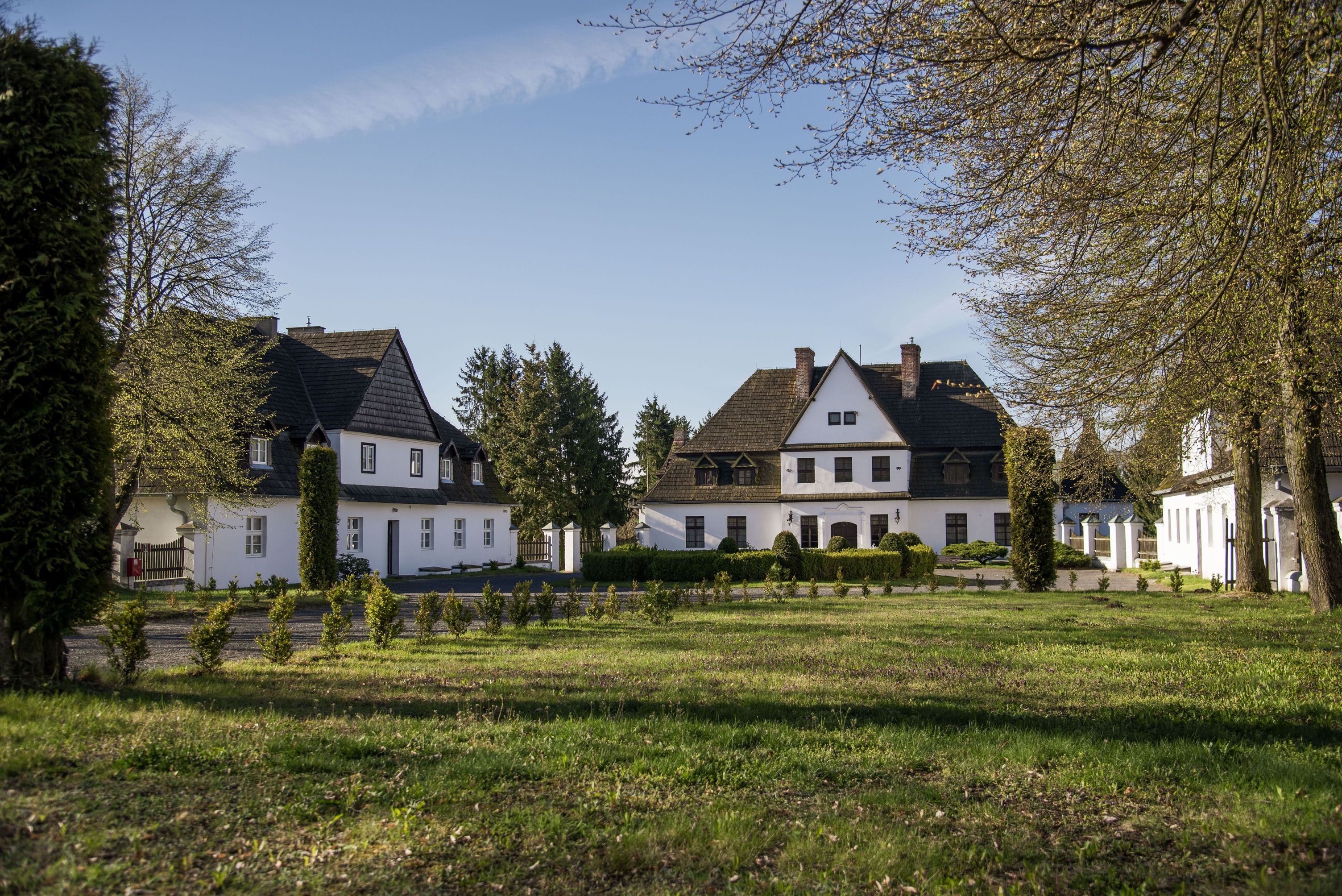
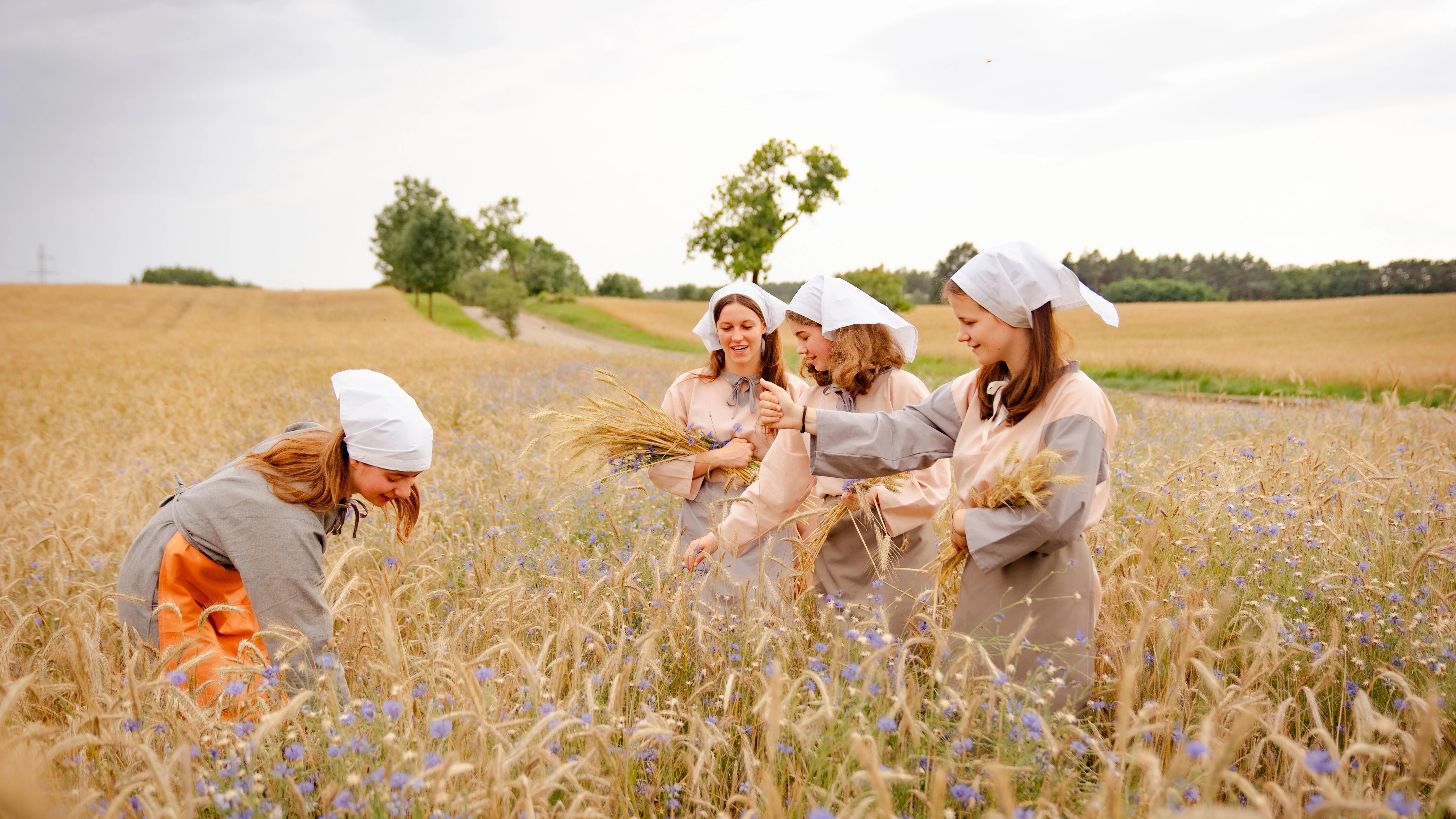
A little further along Lake Lednica you can travel to a 19th-century village instead. The Greater Poland Ethnographic Park in Dziekanowice has wooden cottages, windmills, gentry manor houses, a church and an inn, gardens, orchards and fields. The best part is the live reenactments, when the whole open-air museum wakes up: a potter, a blacksmith and a wheelwright at work, women busy about the houses, folk songs to listen to and a village market to spend far too much at.
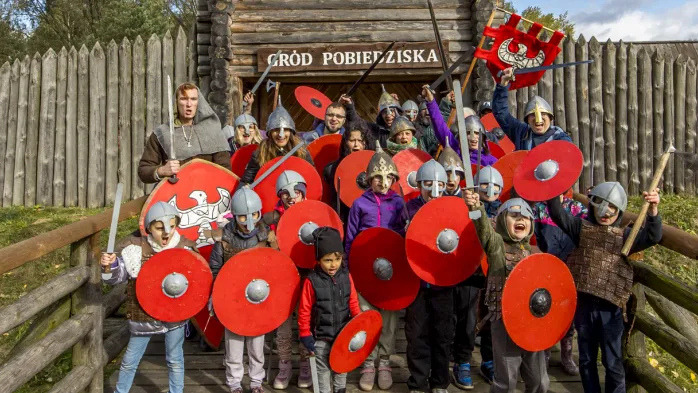
If you do not have time to cover the tens of kilometres of the Piast Trail, every one of its landmarks is gathered here, at the Piast Trail Miniature Park. Next door, the Gród Pobiedziska theme park hands you straight back to the Middle Ages, warriors and all.
Murowana Goślina is a small town north of Poznań whose outskirts turn into an enormous open-air theatre every summer. Residents act out the key scenes of Polish history, staged after famous paintings: Mieszko's baptism, the triumphs of the winged hussars, the return of independence, the Solidarity years. 1000 years in 90 minutes. "The Eagle and the Cross" is one of the largest historical productions in this part of Europe.
It began when Tomasz Łęcki became mayor and, on a study trip for local officials, saw the Puy du Fou show in France telling the story of the War in the Vendée. He came home and told his staff they would not be putting on "yet another town festival" for Murowana Goślina. They would build a theatrical spectacle together with the residents.
They started with small scenes in the market square. Ten years on, every season fills the stands with people from all over Poland and abroad who come specifically to see it. Nearly 400 volunteers begin rehearsing months in advance, and between the pyrotechnics and the projection work the effect is extraordinary.
Book tickets a looong way in advance at Park Dzieje.