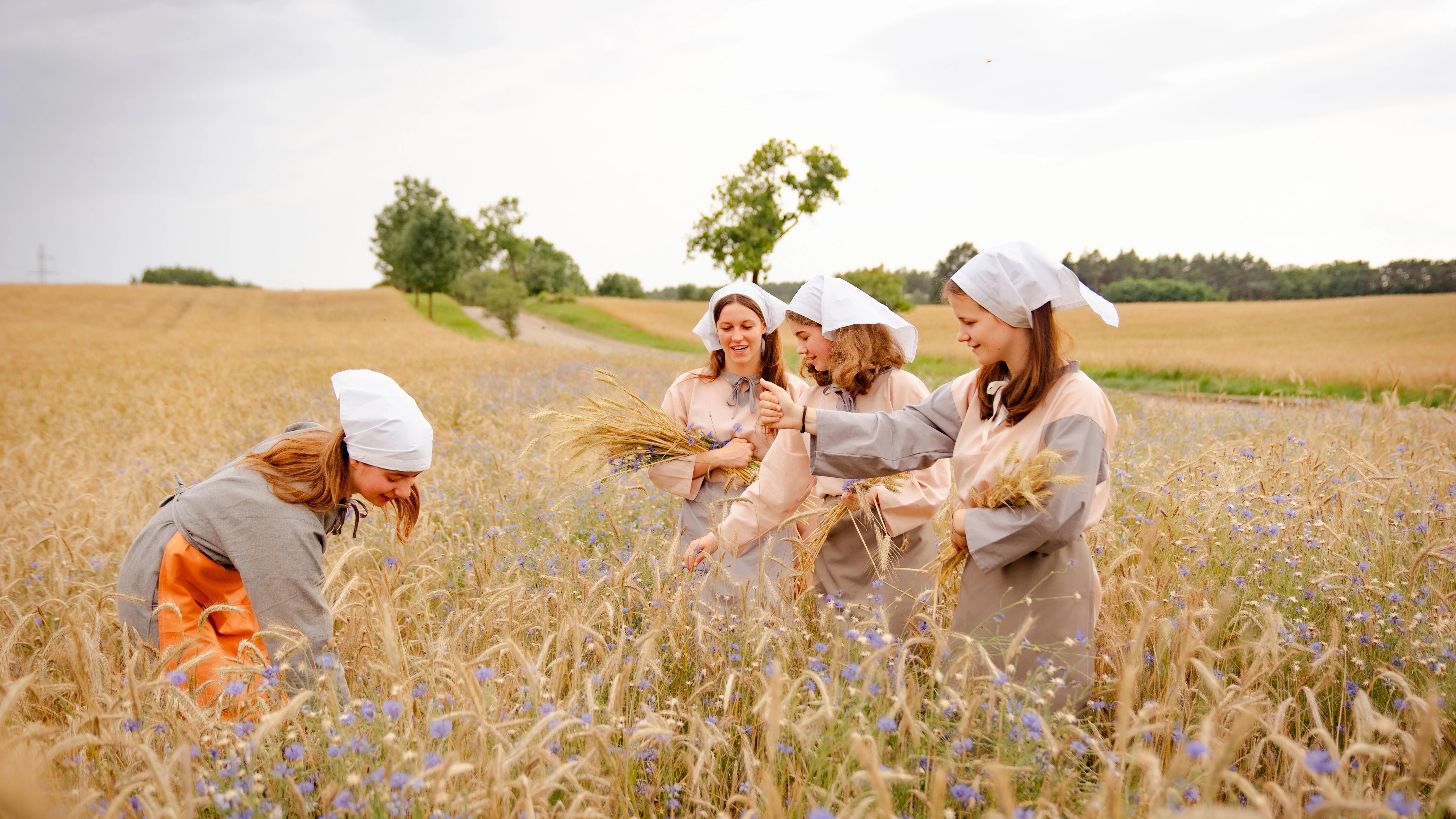
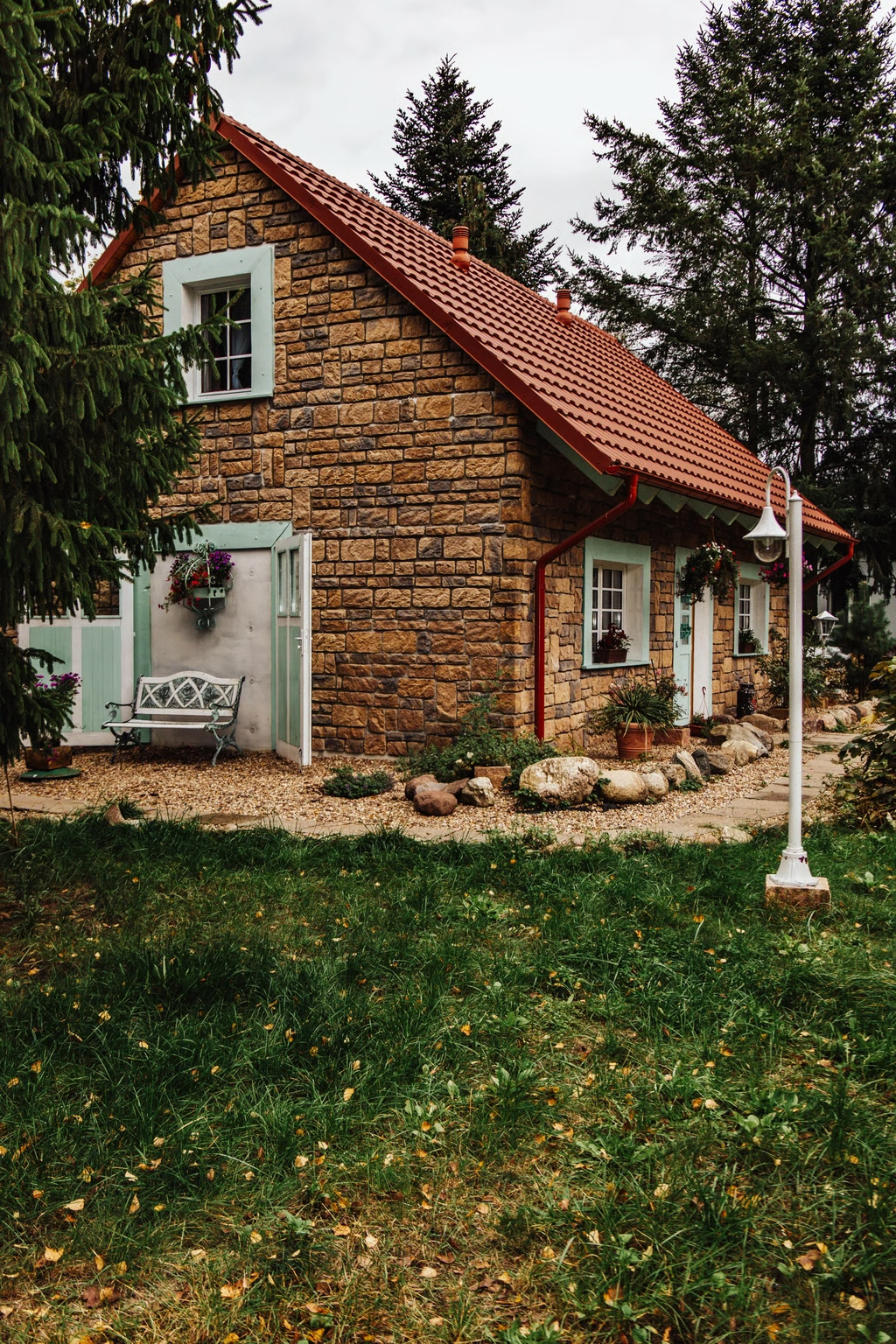
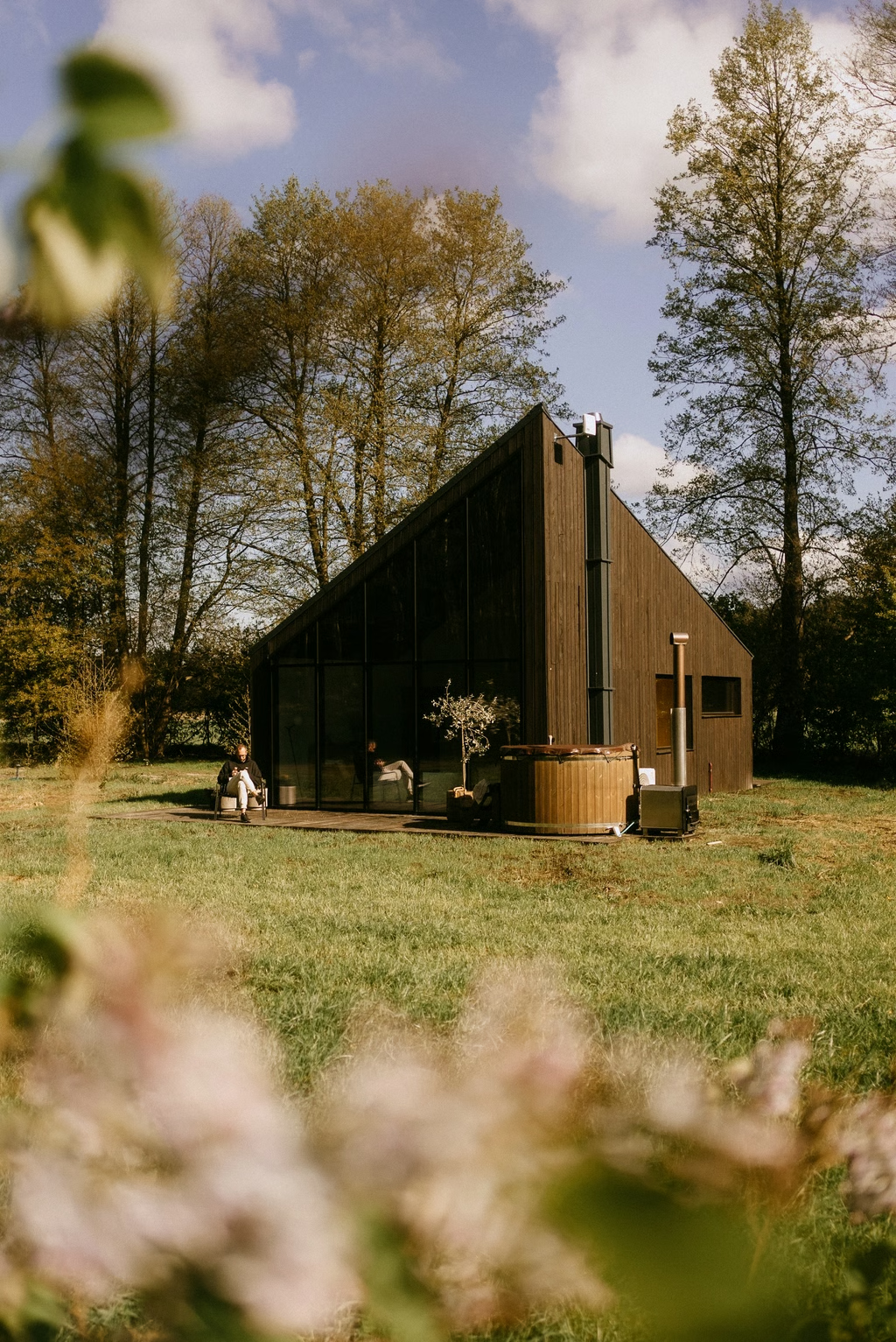
It is no secret that western Poland would take a potato over any delicacy in the world. Nobody here calls them by the standard Polish name, though. Plenty of local food vocabulary was borrowed from German over the centuries, but not this word either. What people love around Poznań are PYRY.
The name supposedly comes from Peru, where the tubers first travelled to Europe from. People in Poznań started out calling them perki, which is affectionate, then settled on something blunter: pyry.
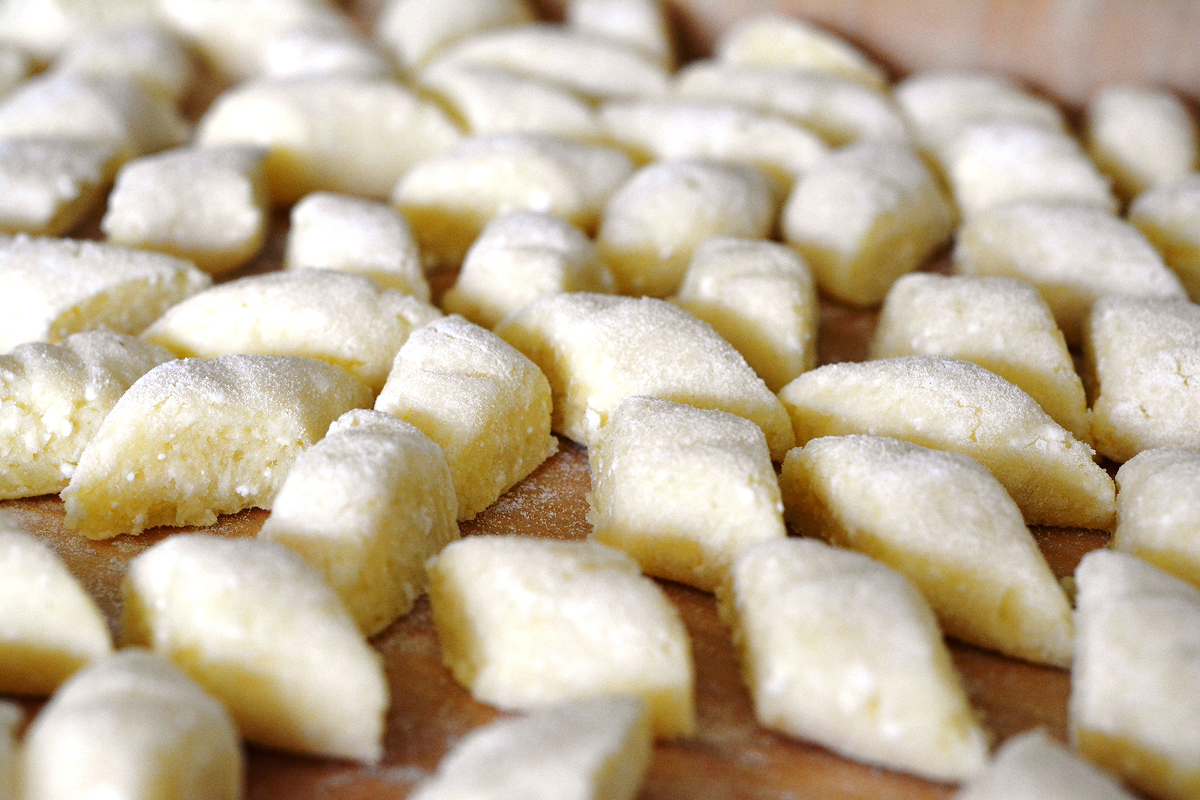
Greater Poland, the region around Poznań in the west of the country, is where you will eat pyry z gzikiem — potatoes boiled in their skins with a sauce of curd cheese, soured cream, onion and herbs; plyndze — potato pancakes with sugar; szagówki — potato dumplings cut on the diagonal, which is what the name means; szare kluchy — grated potato thickened with flour; and potato crêpes, potato cheesecake, even potato ice cream.
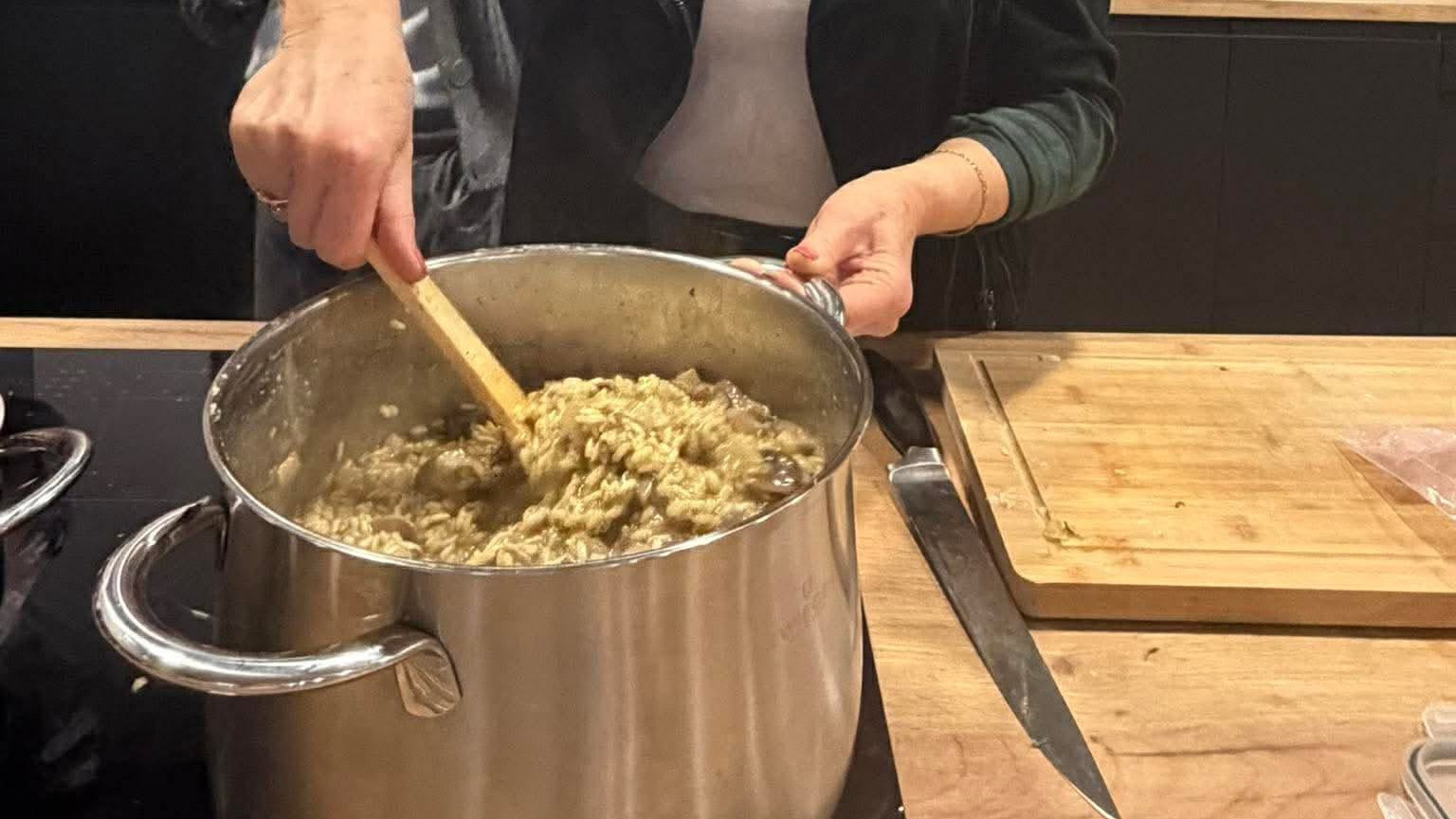
Western Poland has always had a reputation for thrift and a little more prosperity than the rest of the country, and you can taste it. Even the poorest peasant soups here feel more substantial: ślepe ryby, literally "blind fish", made with potatoes and no fish at all, and parzybroda, a cabbage soup whose name means "chin-scalder". Dumplings called pyzy — here, steamed and made with yeast dough — come with a generous spoonful of fat and crackling.
In the manor houses and palaces of the region, tables once groaned under roasts, cured meats and fish. It is quite likely that this local appetite for hospitality and excess inspired the famous banquet scene in Pan Tadeusz, Poland's national epic. Adam Mickiewicz, the country's answer to Shakespeare, first had the idea for the poem during a short stay at the manor in Śmiełów, south of Poznań. And the black soup served to Jacek Soplica after the woman he loves turns him down is czernina, a sweet-and-sour duck blood soup from this very region, and the traditional way of telling a suitor no.
What is certain is that 125 years of Prussian rule, when this part of Poland did not appear on any map, left its mark on the menu. Roast duck, a Polish classic, is served here with German-style red cabbage. Ajntopy, from the German Eintopf, are popular too: everything in one pot.
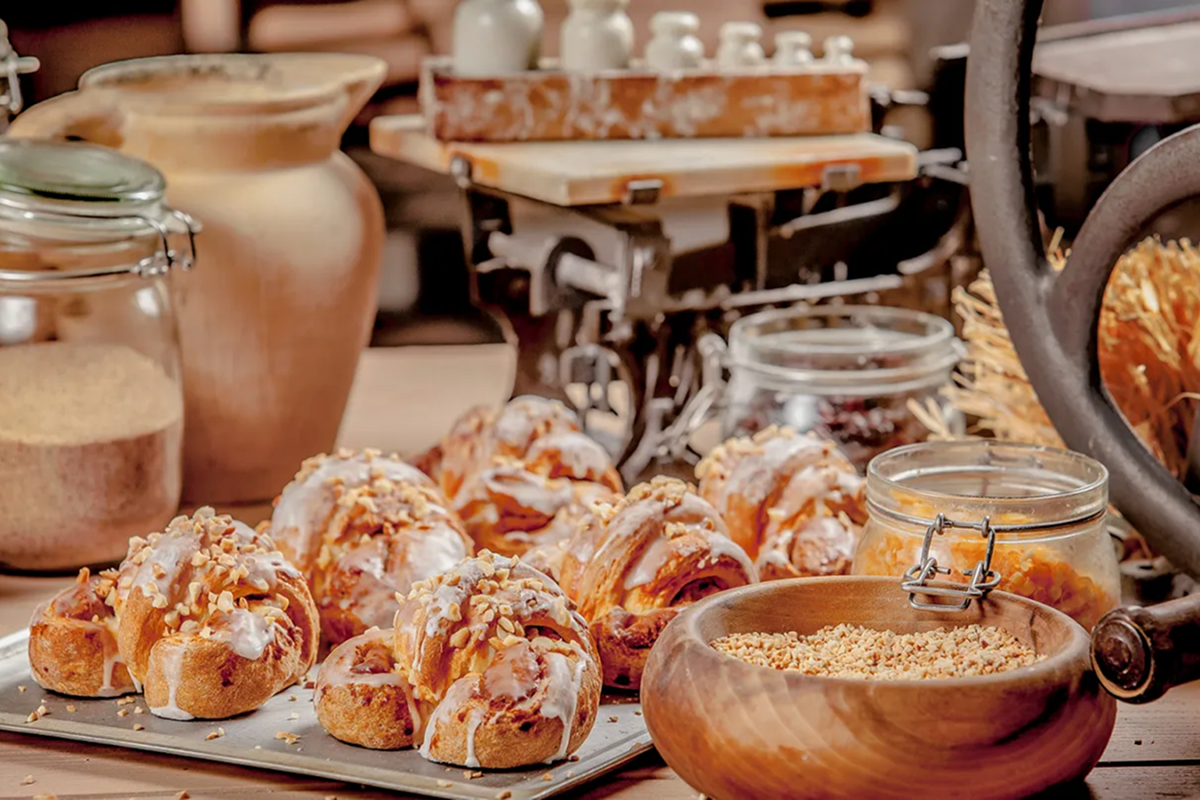
People here have a serious sweet tooth. Cake before lunch is entirely acceptable, and even the smallest town has a bakery or a café. With your morning coffee, order a szneka z glancem, a glazed yeast bun. With the afternoon one, a brzdąc, the local answer to tiramisu.
The most famous sweet thing in these parts is, of course, the rogal świętomarciński, the St Martin's croissant, filled with white poppy seed, almonds, nuts, orange peel and raisins. Every year on 11 November the city gets through around 600 tonnes of them. The rest of the year you will only find the real thing in certified bakeries. Not just anyone is allowed to make one.

Vines were being grown on Ostrów Tumski, the cathedral island in the middle of Poznań, as far back as the Middle Ages. Back then it was the abbeys that made the wine.
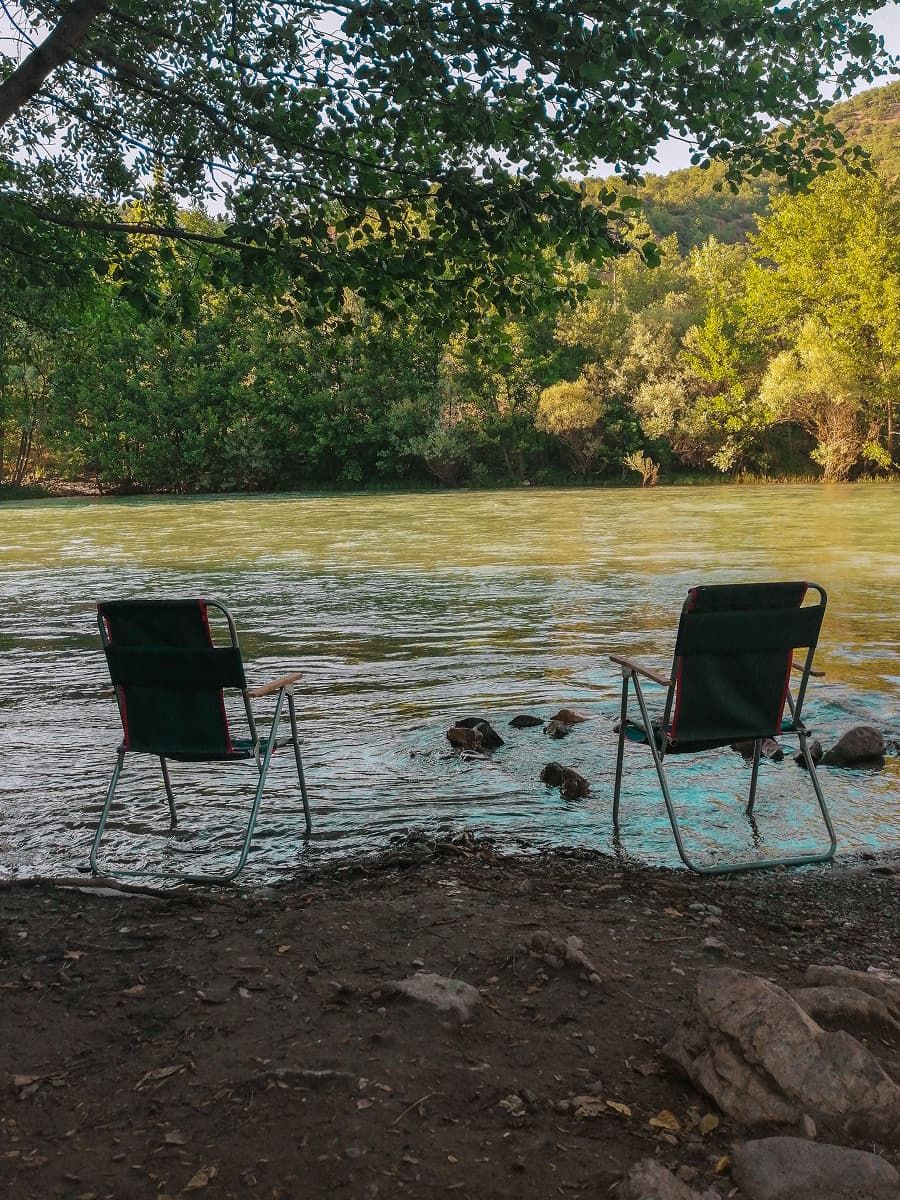
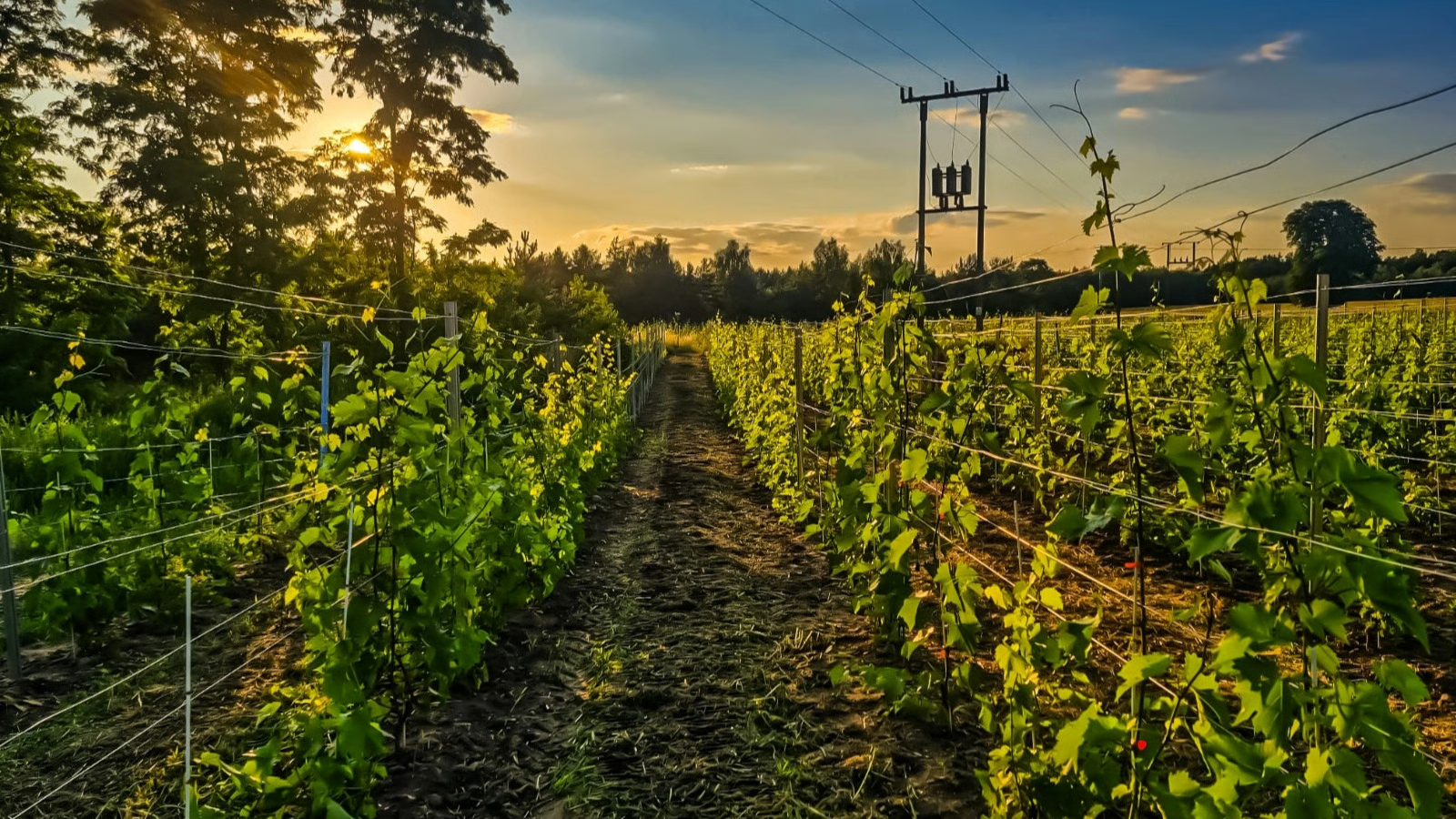
Bacchus returned ten centuries later. The region is now full of very good family vineyards and has plenty to offer anyone who plans a trip around wine. The estates sit by lakes or beside the river, and most offer more than a tasting: small gatherings and workshops too.
Stop by Stara Szkoła in Karczewek, or find many more along the Lubusz Wine and Honey Trail and the Greater Poland Vineyard Trail.
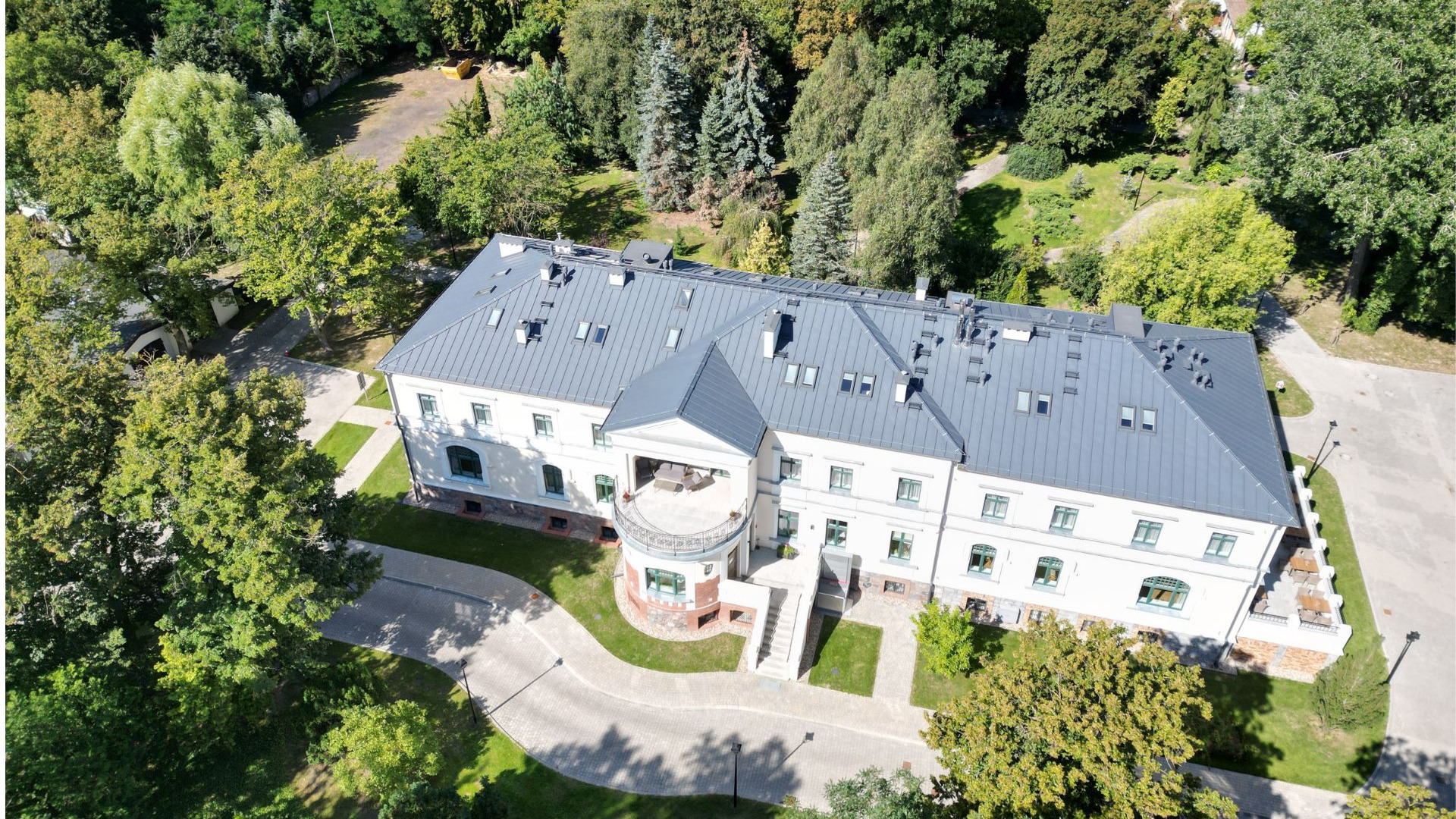
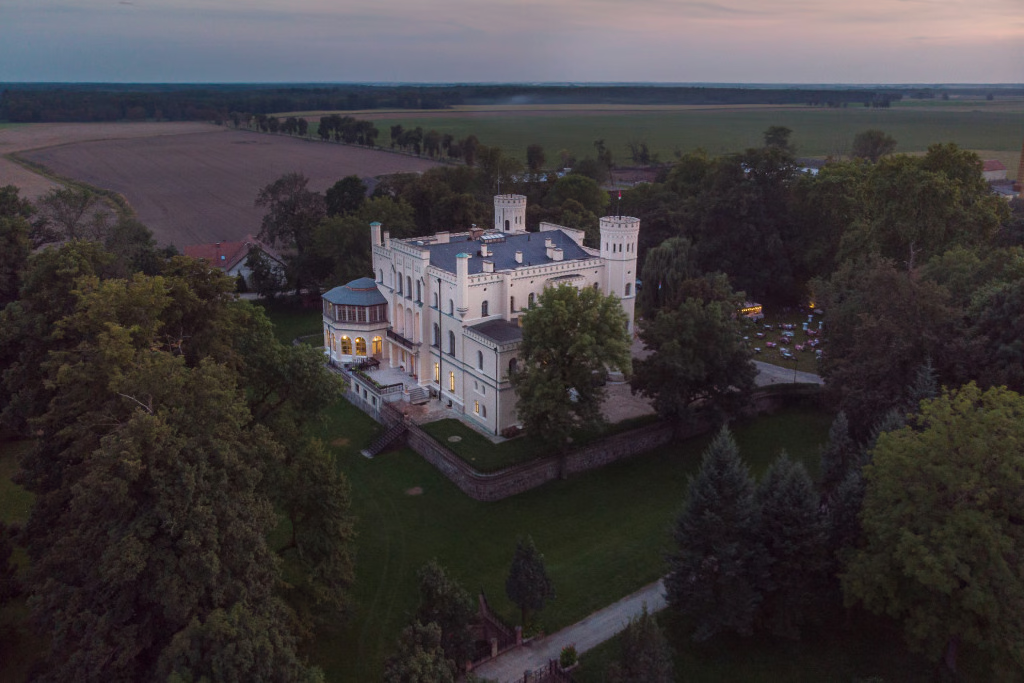
Surrounded by a grand old park, Dwór Skrzynki is a hotel and an excellent restaurant, and also home to the Instytut Skrzynki, which works on the food and cultural heritage of the region. This is where the idea for the Poznań County Food Trail came from: more than 80 restaurants, bakeries and patisseries that cook with local produce, keep family recipes going and care about how things taste.
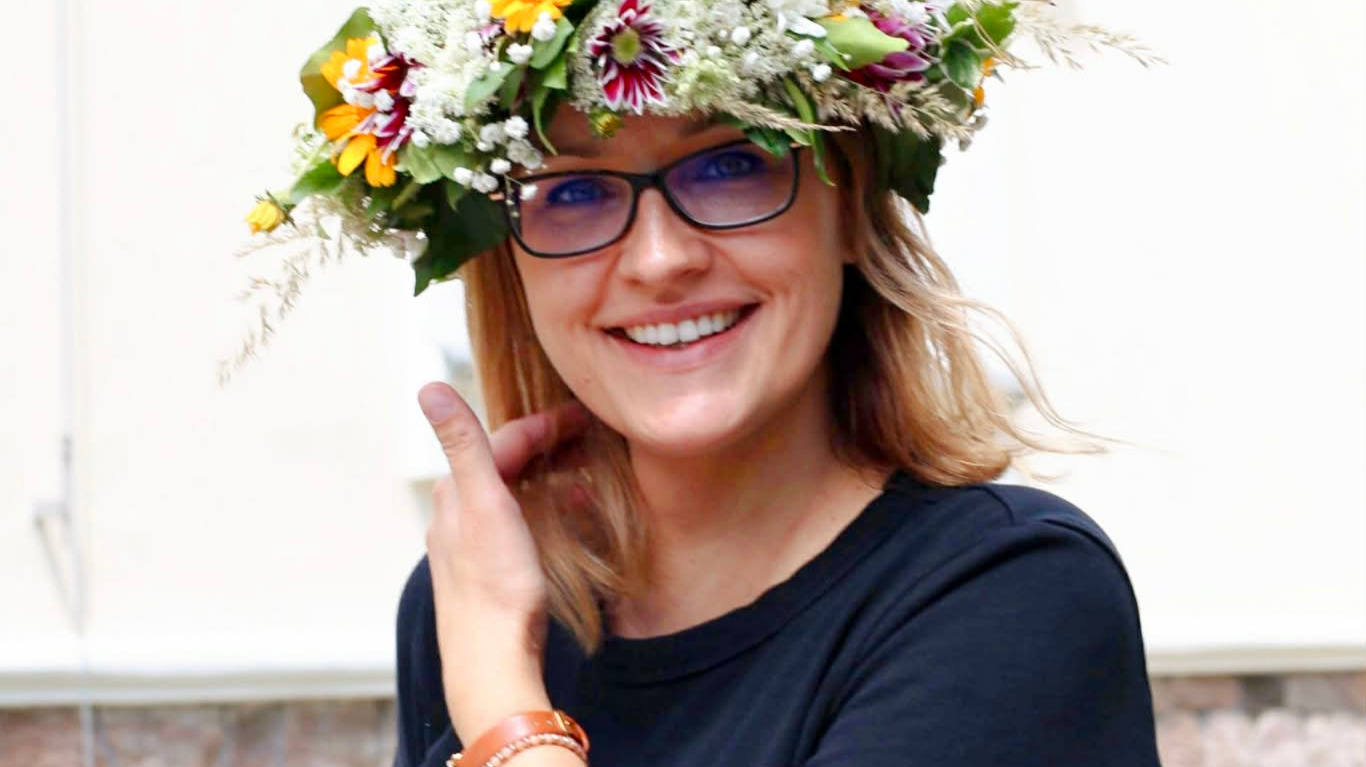
Liliana Kubiak of the Instytut Skrzynki, who coordinates the trail, recommends: