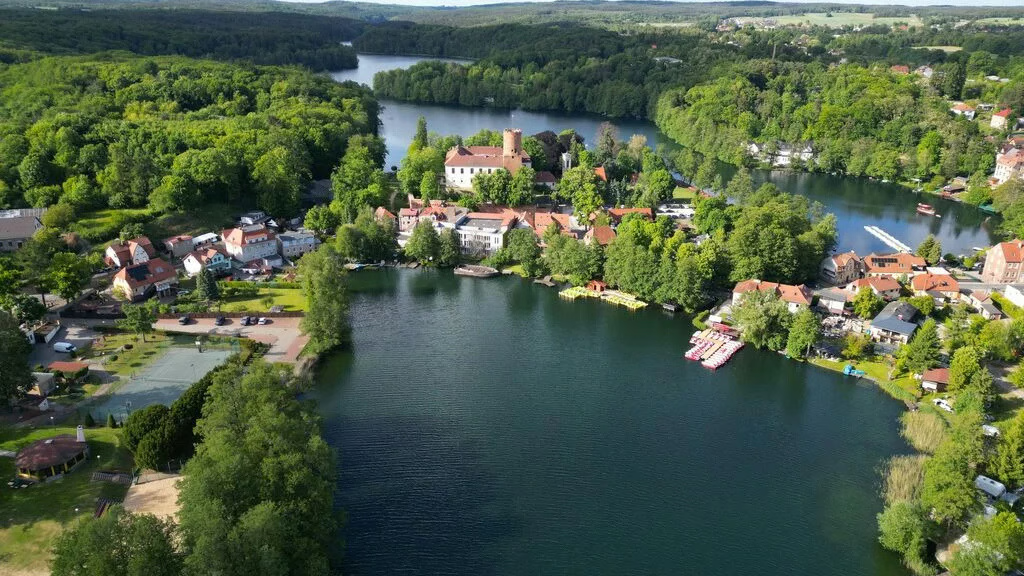
When you picture a holiday by the water, western Poland is probably not the first place that comes to mind. Yet Greater Poland and the neighbouring Lubusz Lake District have a surprising amount to offer anyone who paddles, sails or fishes.
There are clean beaches with lifeguards, and there are wild little bays deep in the forest with nobody else in them. You can do your sightseeing from the water and paddleboard out to the island of Ostrów Lednicki, dive in the crystal-clear Niesłysz, drift down the Warta on a raft, work your arms in a kayak on rivers calm and wild, and generally catch the wind on any of the several hundred lakes around here.
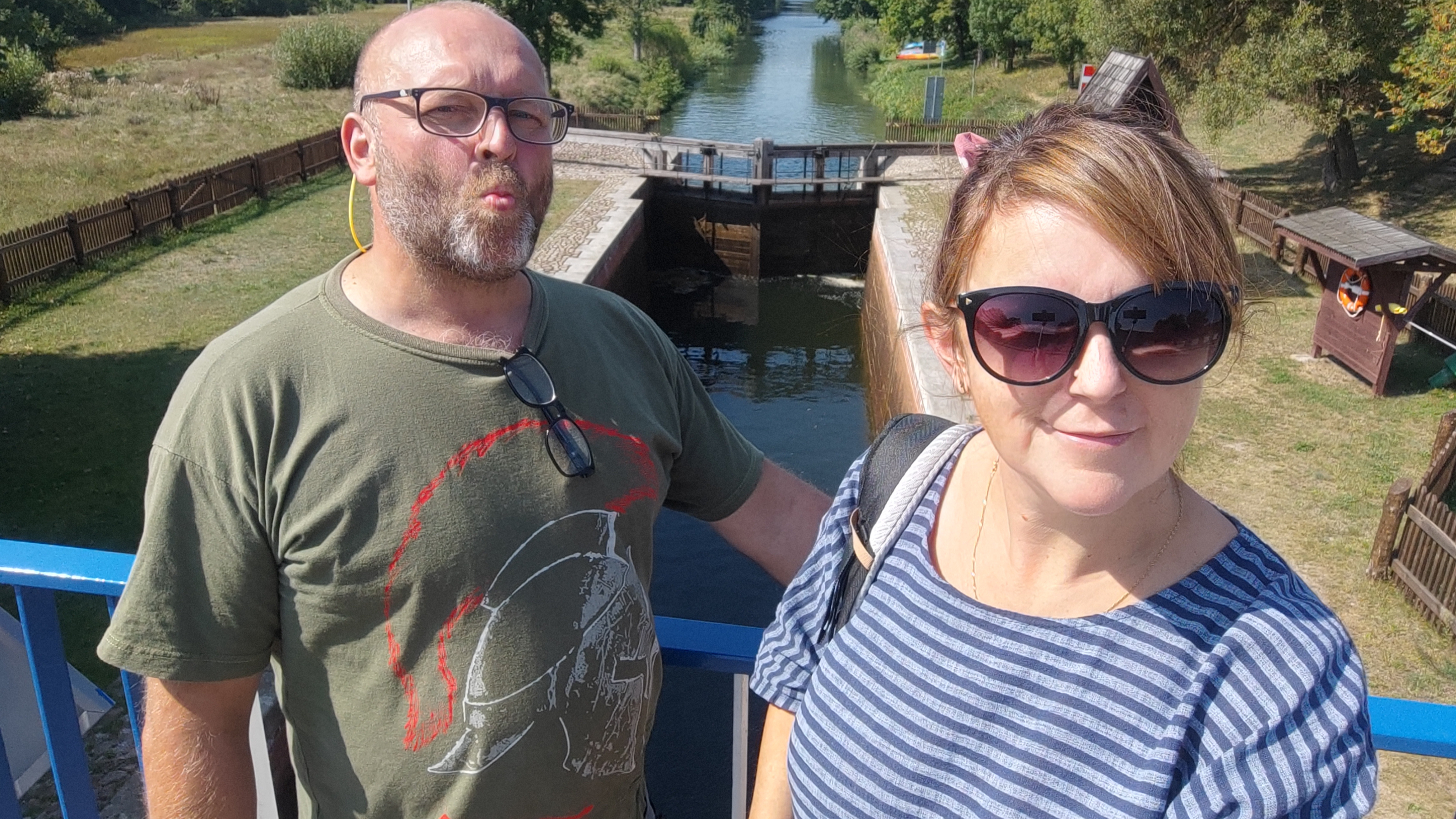
Do you and Rafał like paddling against the current?
Iwona Spychała: We do, ideally at the end of a busy day. We take a kayak, paddle a few kilometres upstream, then let the current carry us home. It clears your head like nothing else.
Paddling after work seems to be your latest hit as well.
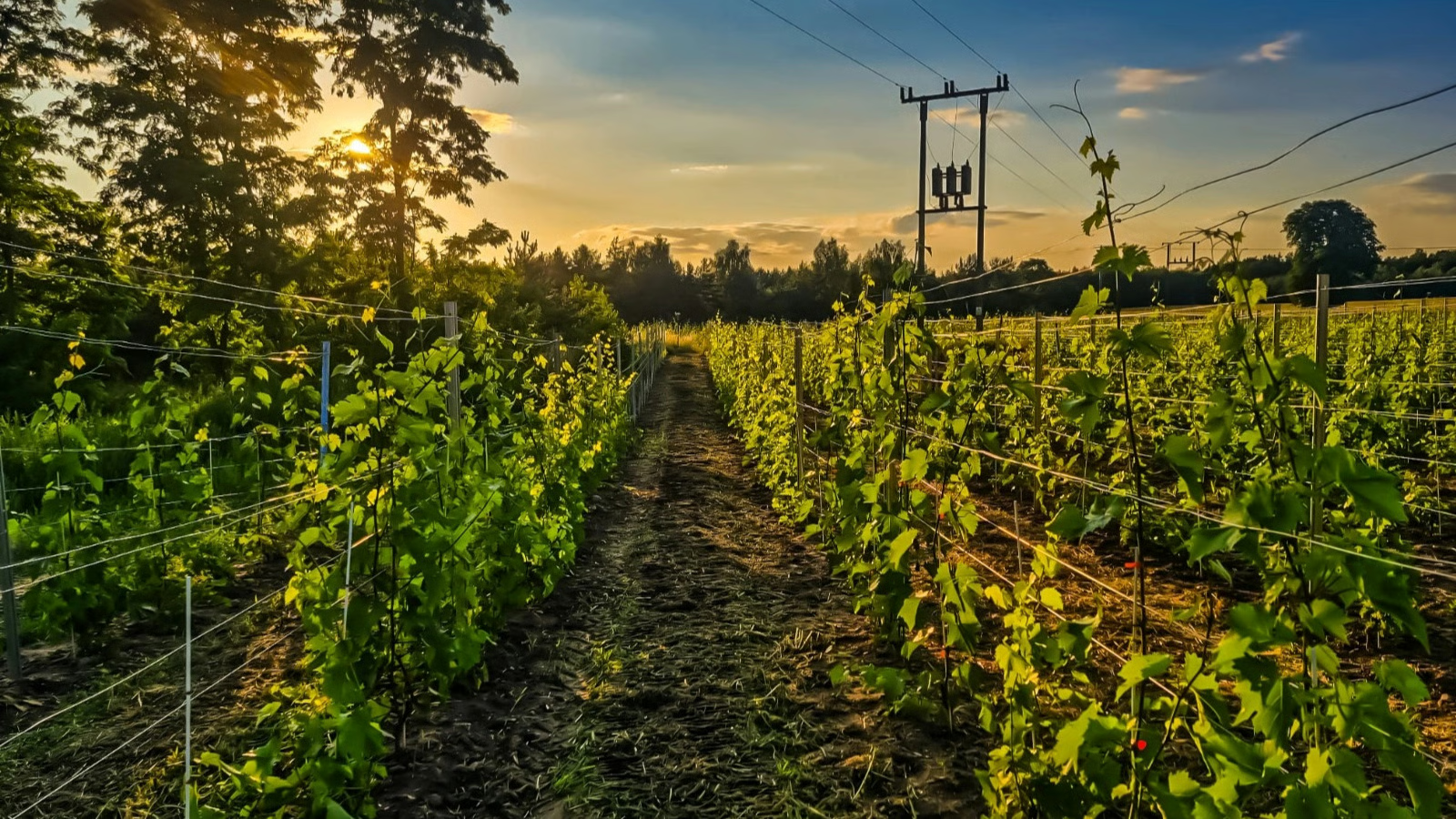
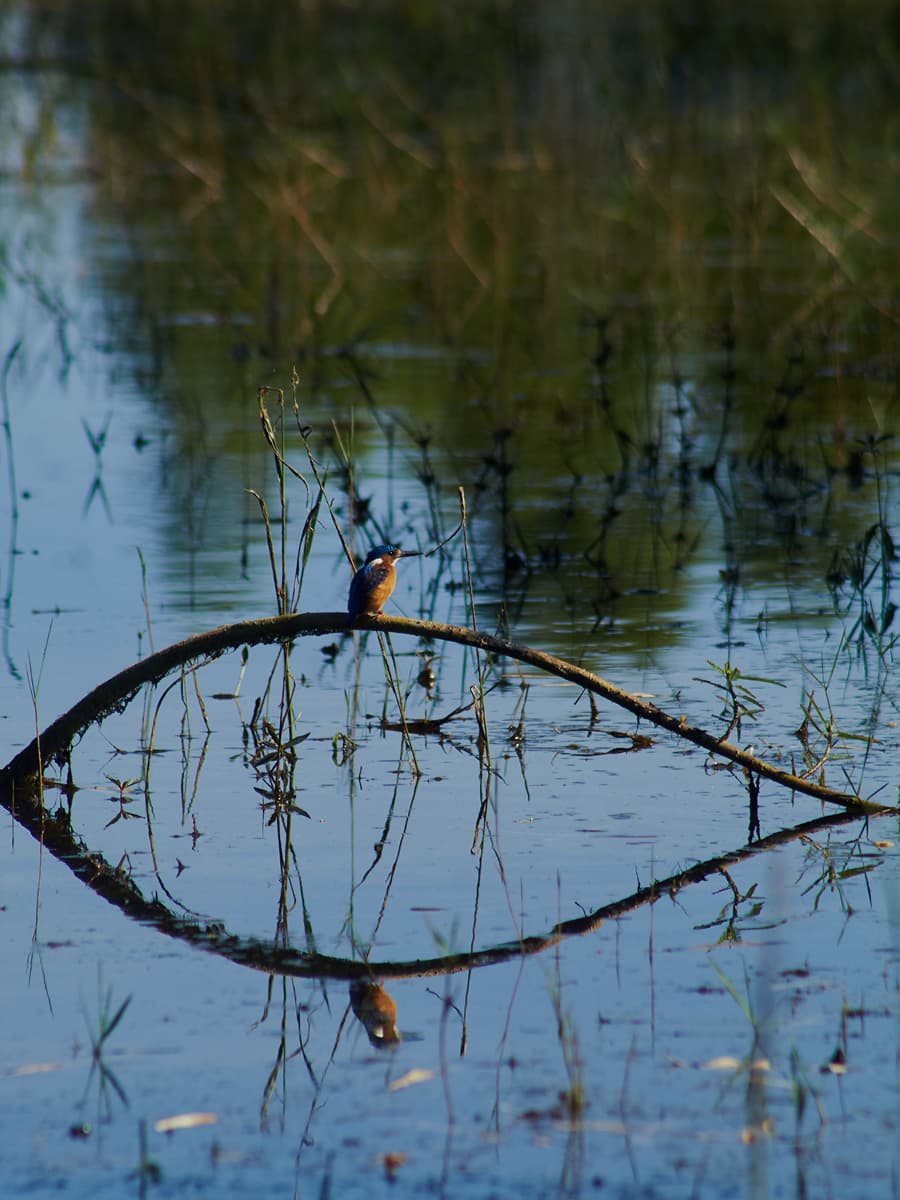
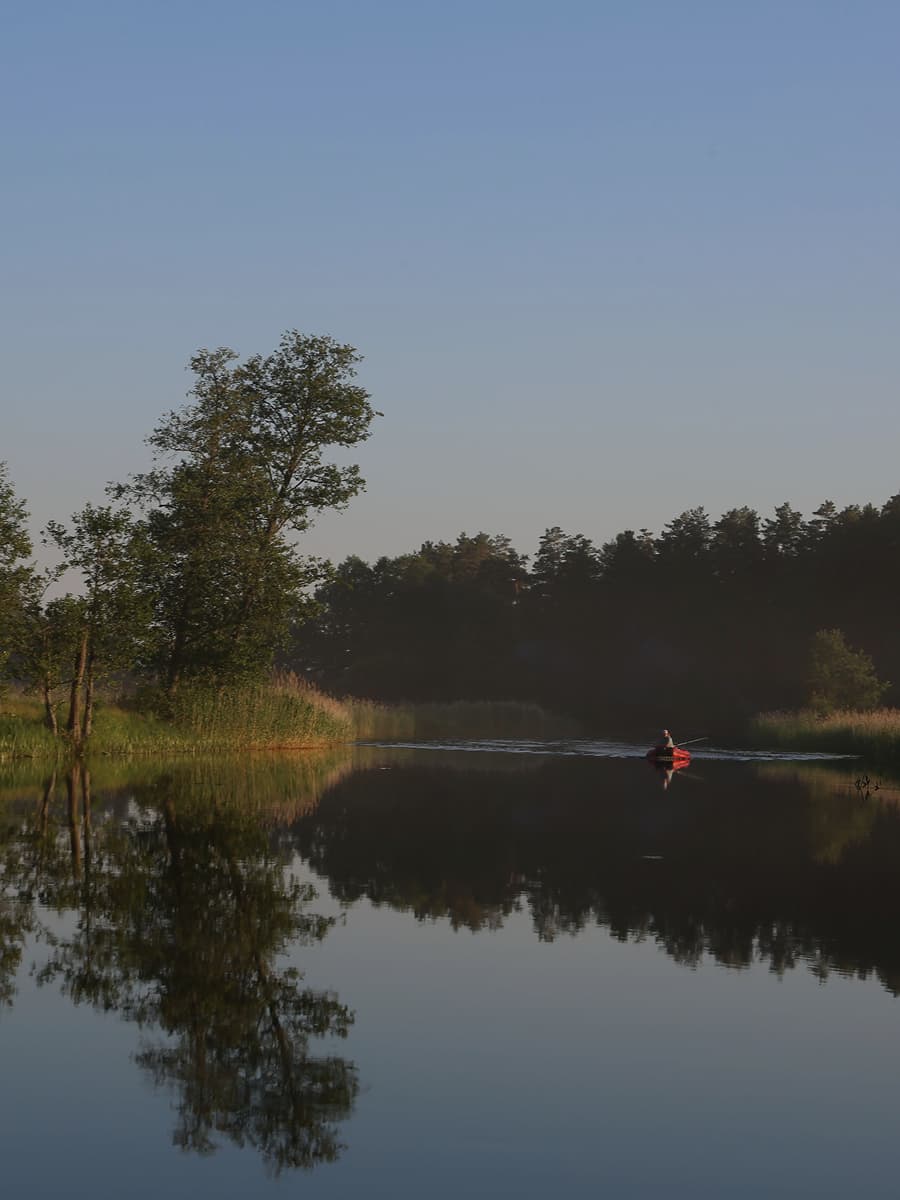
We call them Thursday Paddles into the Sunset. Why wait for the weekend when you can come up for air on a Thursday? Instead of scrolling on the sofa, you drive over, move a paddle around and watch the evening light on the Warta. Then you warm up by the fire. This year we are adding Thursday Sunrises. We set off an hour before dawn. It is extraordinary: the birds start up their concert and the world slowly emerges from the mist. Not a bad way to begin a day.
Nothing seems to stop you. You run trips in autumn and winter too.
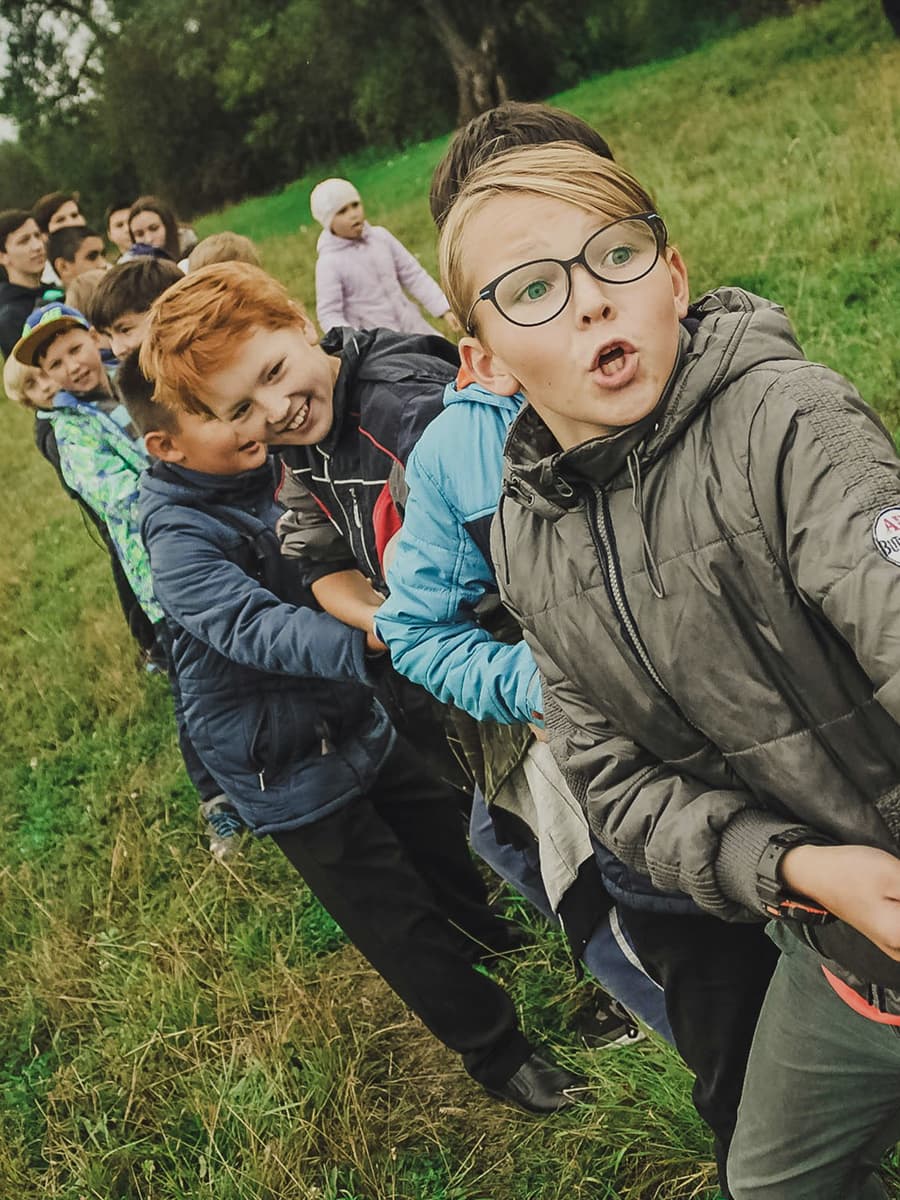
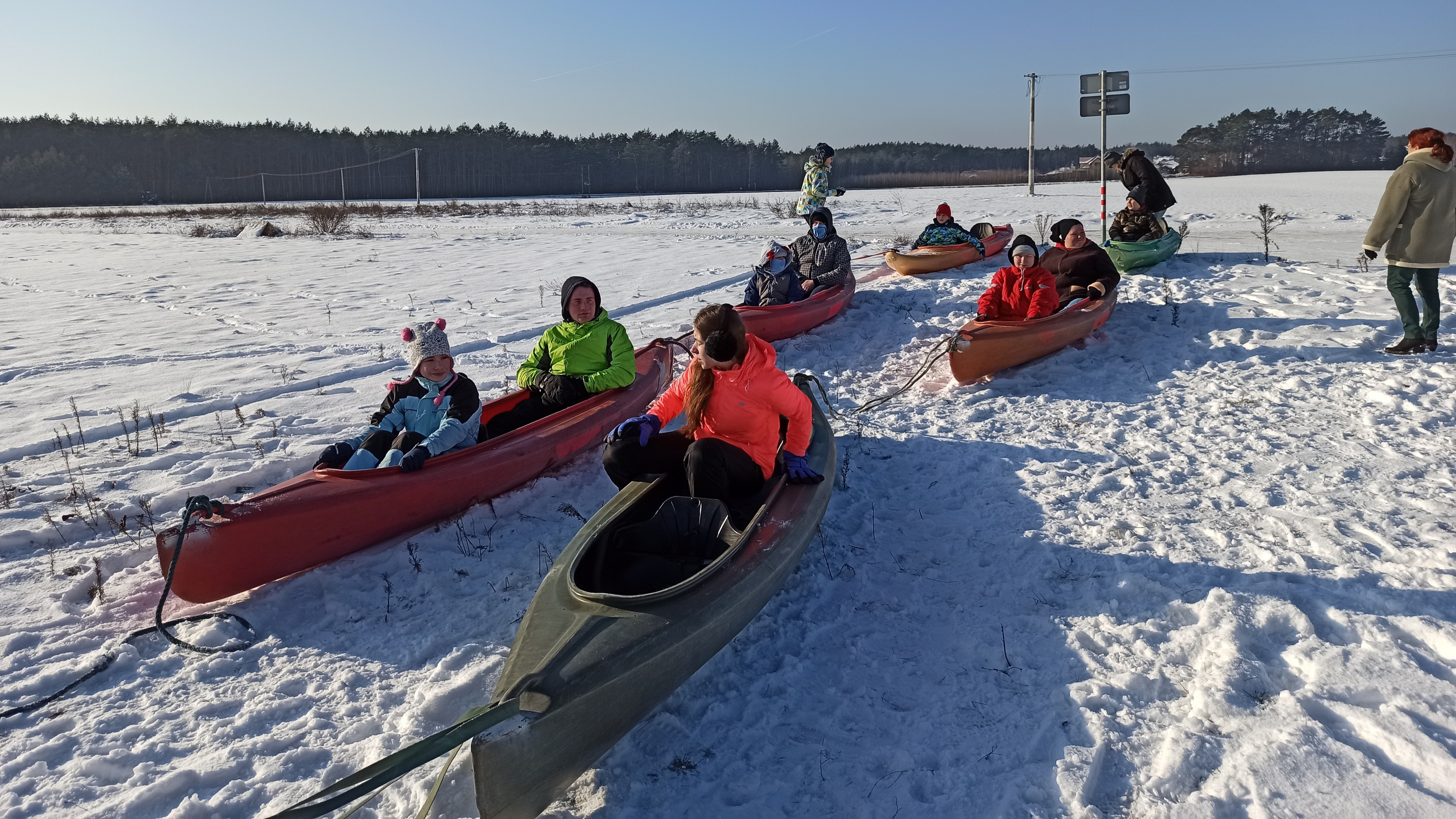
For more than twenty years we have been running what we call Kowal's Flinta. It was Rafał Kowalczuk's idea, and everyone calls him Kowal. The Flinta is a river you can only paddle comfortably at the turn of February and March. It meanders and it is full of obstacles, so the whole game is to get down it without putting a foot in freezing water. We go as a group and we learn to work as a team, which is worth a great deal at a time when so many people are lonely.
What makes a paddling trip work?
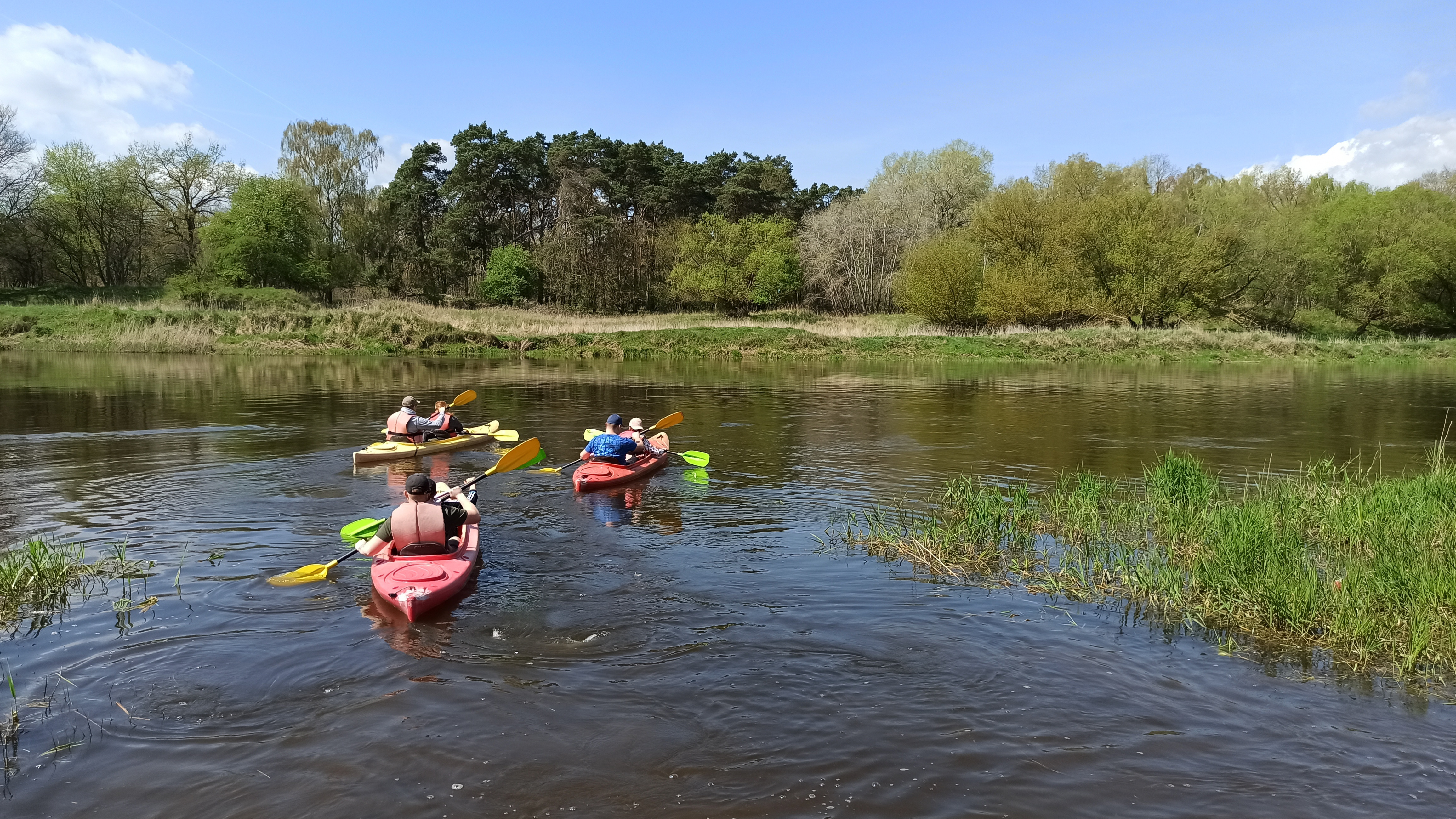
Safety, and good company in the boat. If someone is going to be hard work, take a single kayak and go on your own. The Wełna is an excellent way to test a partner: demanding, fairly fast, with fallen trees across it. Either you find a rhythm together, or you go in.
And if someone just wants to float? No adrenaline?
Then the Warta. Wide, calm, forgiving. We recommend it to beginners and to families with children. Put the little ones on a raft, give them a stick with a string and a corn puff for the fish, and off you go. Starting a trip right below the cathedral in Poznań is a remarkable thing. You can hear the noise of the city thinning out into complete quiet, civilisation turning into wilderness.
What do you do when you are not sitting in a kayak?
I inherited restless hands from my mother and my grandmother. They always have to be doing something. A couple of years ago I bought a pyrography pen on offer at a supermarket.
Sounds like an essential piece of household equipment. What is it?
A bit like a soldering iron, but for burning patterns into wood. I bought one and that was that. Your thoughts stop racing when you concentrate on work like that. I run pyrography workshops now, for adults and for children.
Your idea of a good slow day?
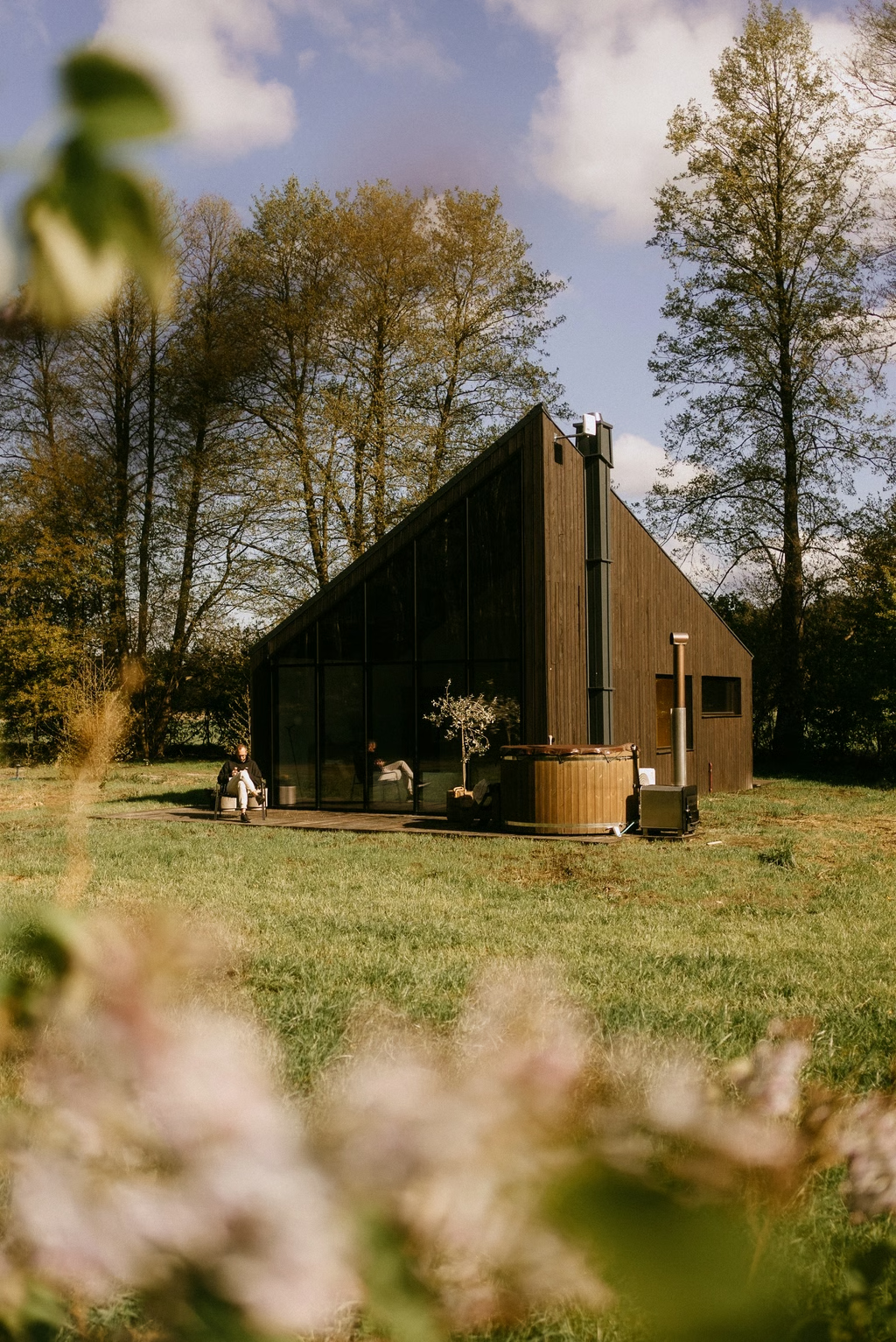
Arrive at the marina in the evening. Next morning, take your time over breakfast. Then load a bike onto a raft and drift down the Warta to Stobnica. Get on the bike there and ride back to Oborniki along a lovely forest cycle path. On the way you can eat very good fish at Przystanek Podniebienie (check they are open first). And end the day in our outdoor hot tub or the sauna.
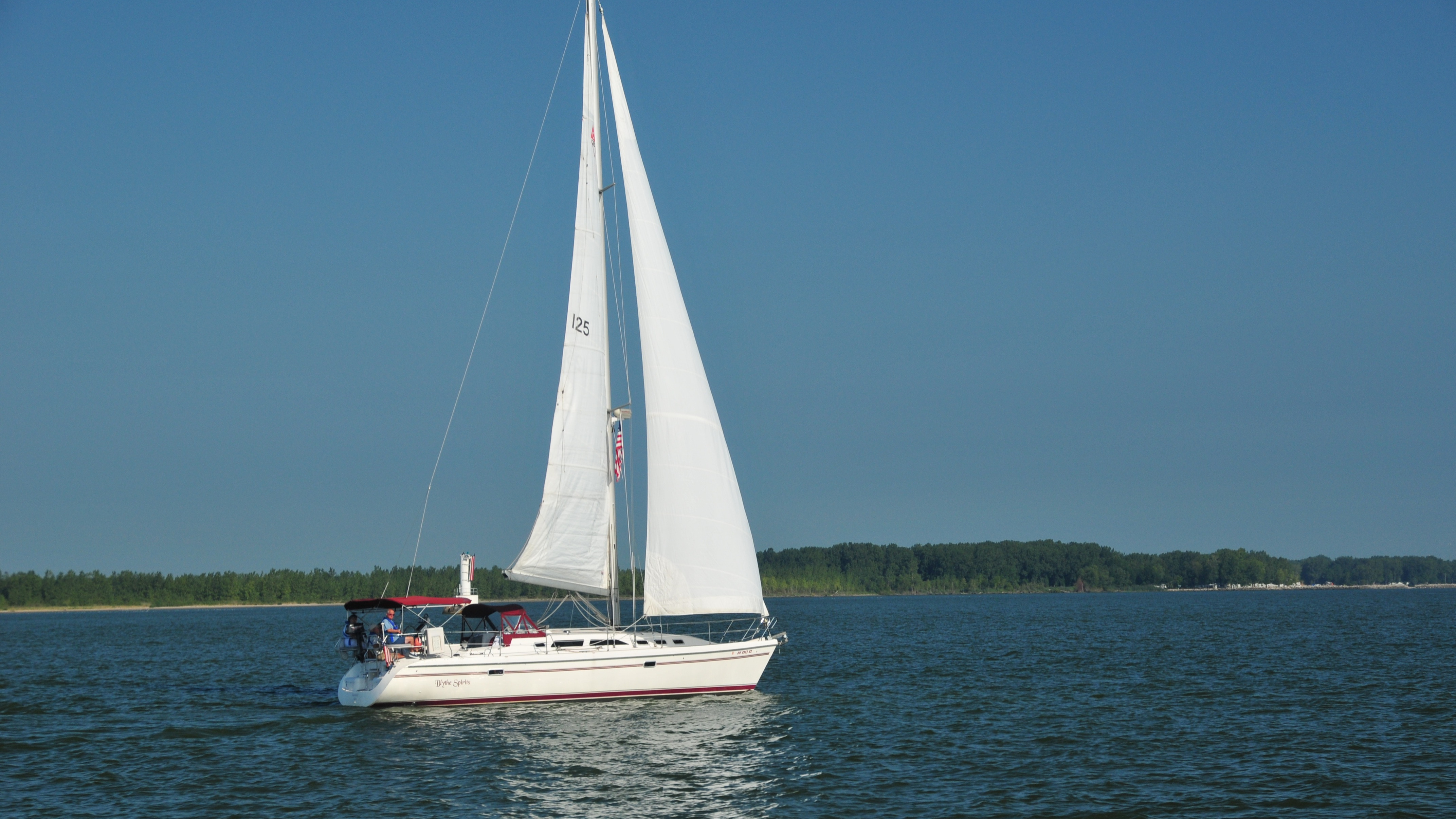
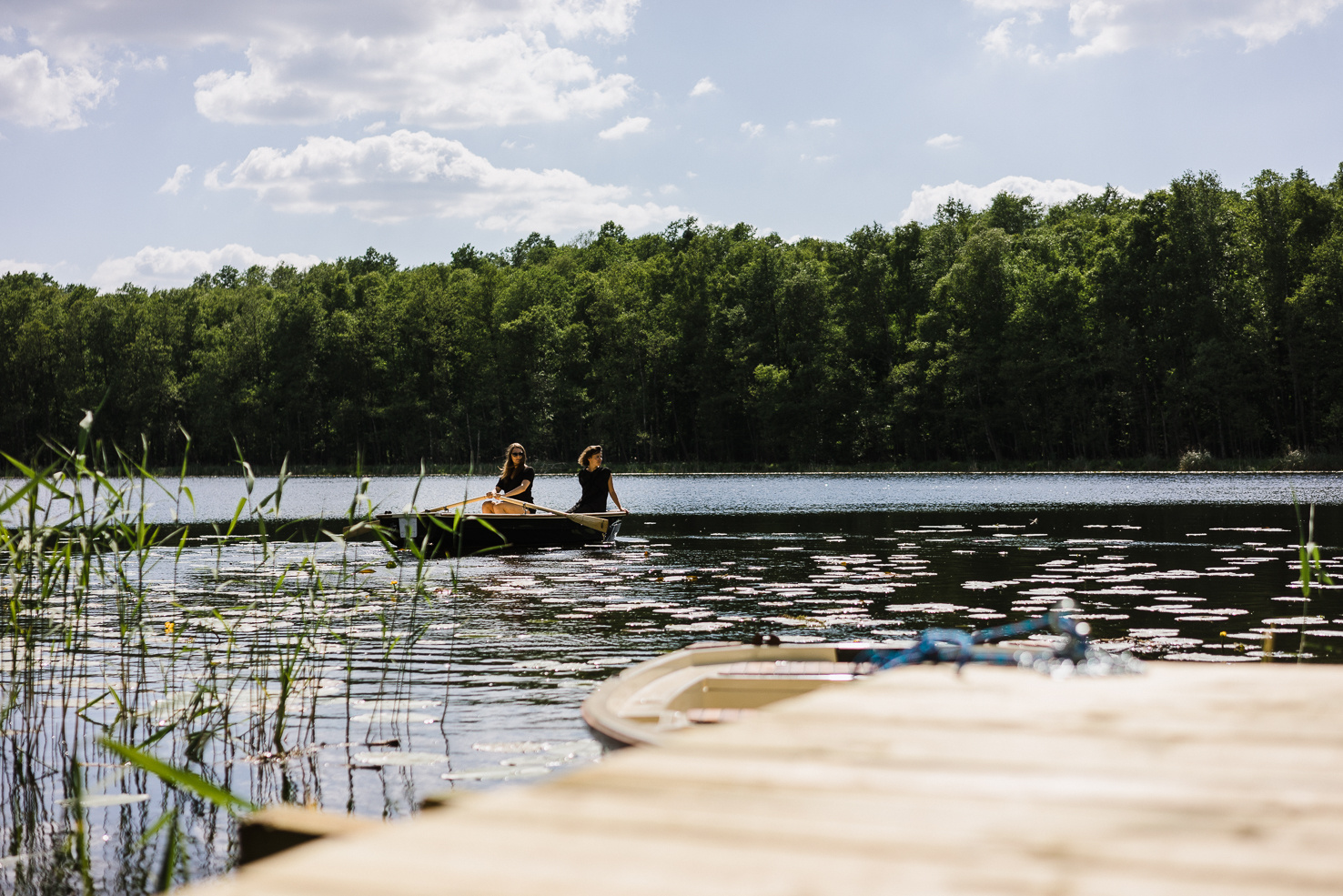
690 kilometres (about 430 miles) of waterways across western Poland. You can rent a houseboat for a week or longer and move into a world of morning river mist and swims in very clear lakes.
You pass through canals, drift by sleepy towns and stop for fish or a drink at the marinas. There is no way to speed this up. The river sets the pace.