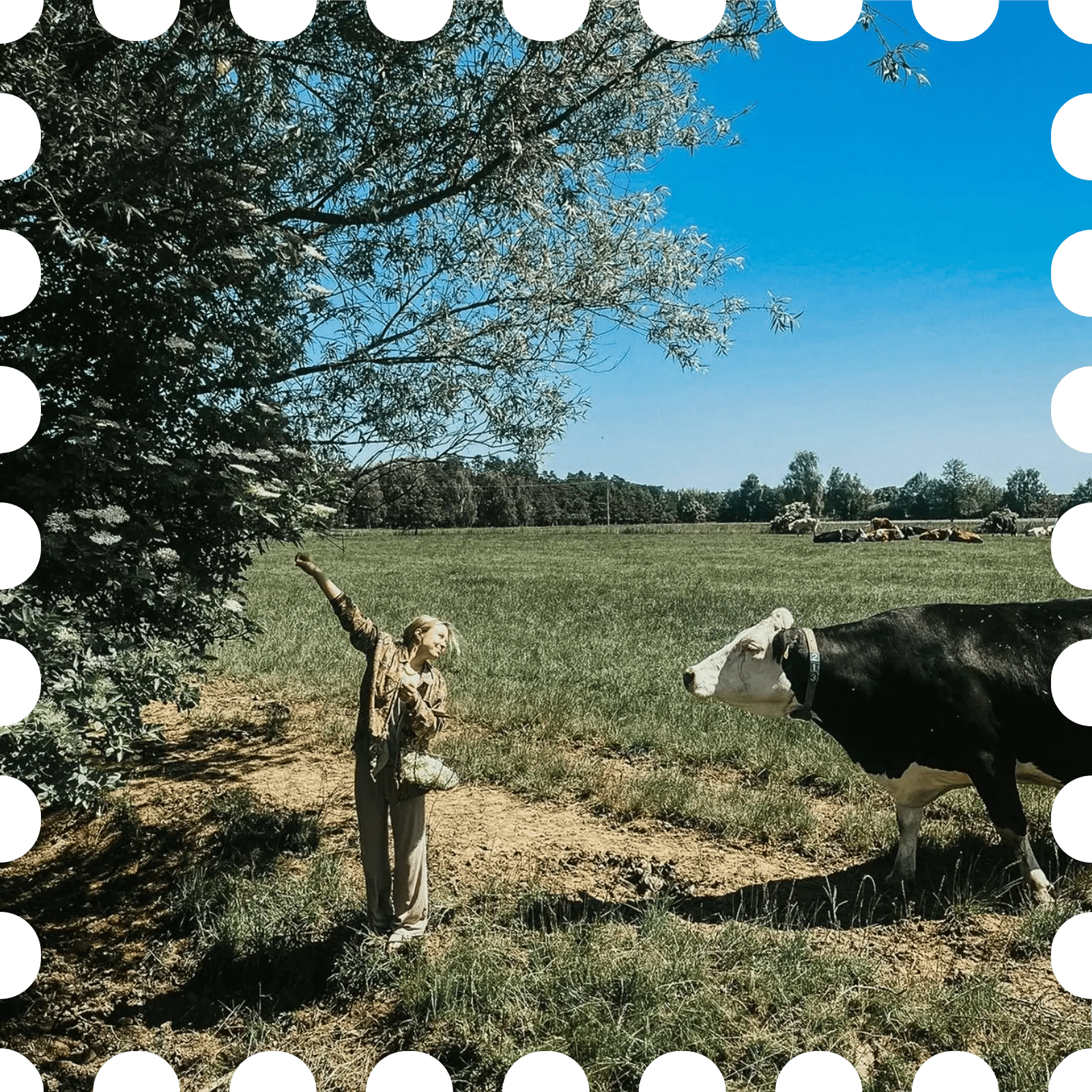
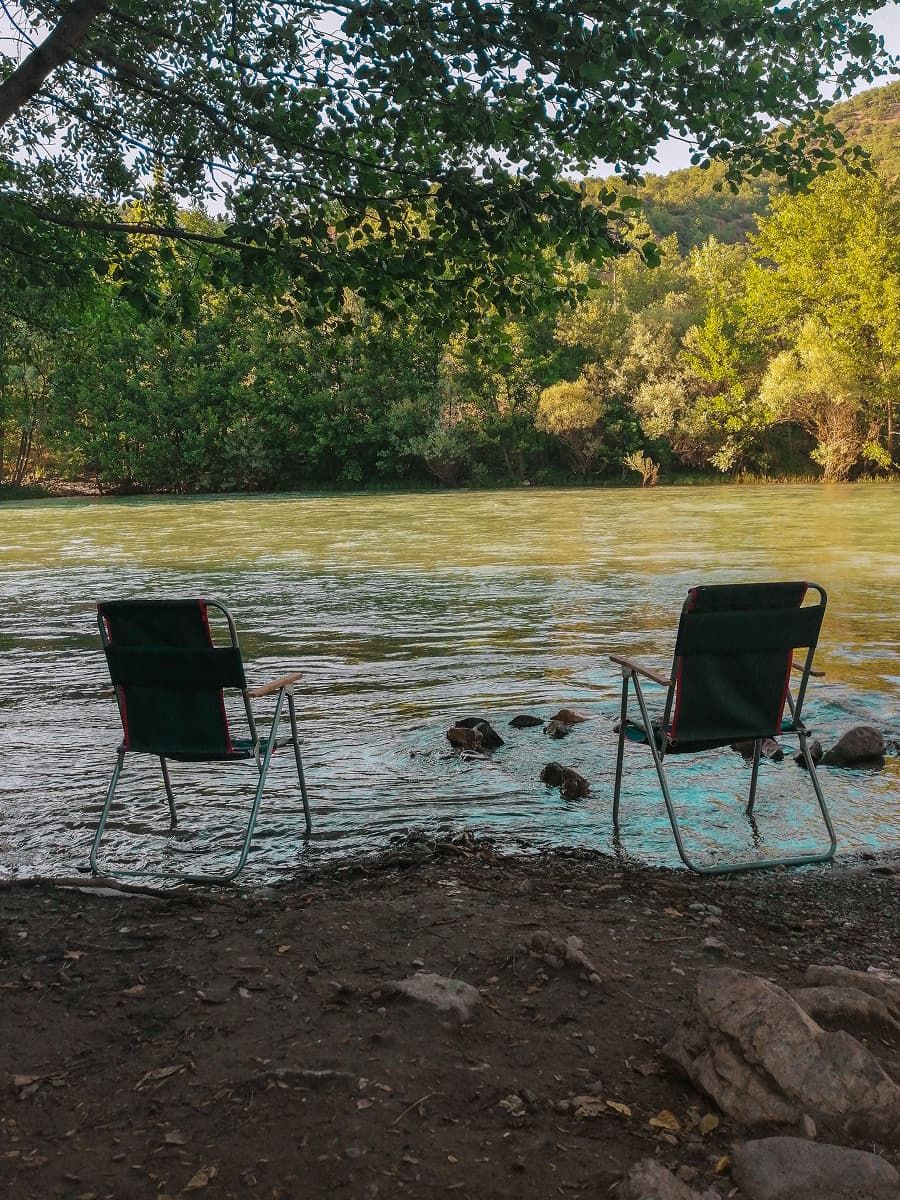
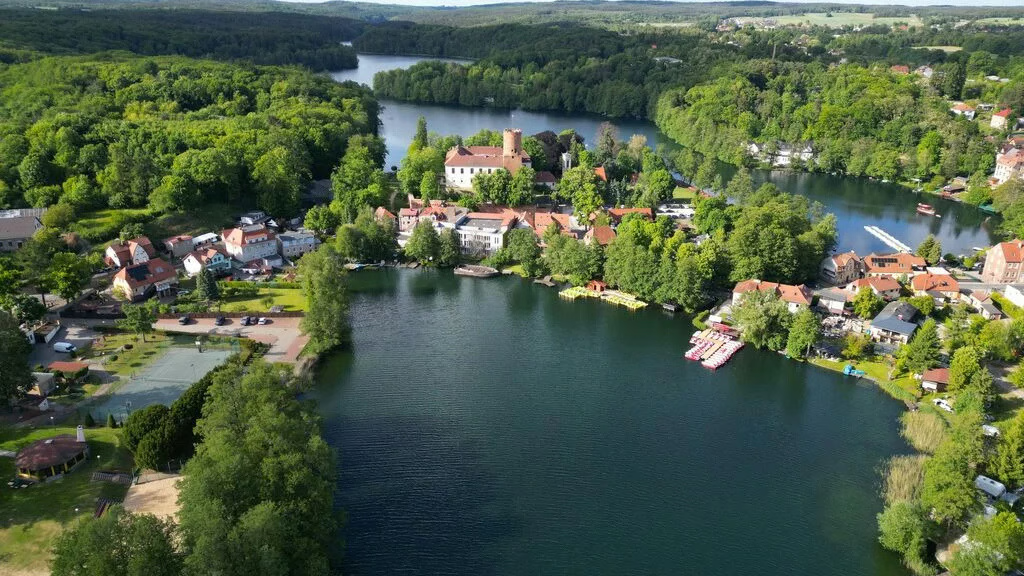
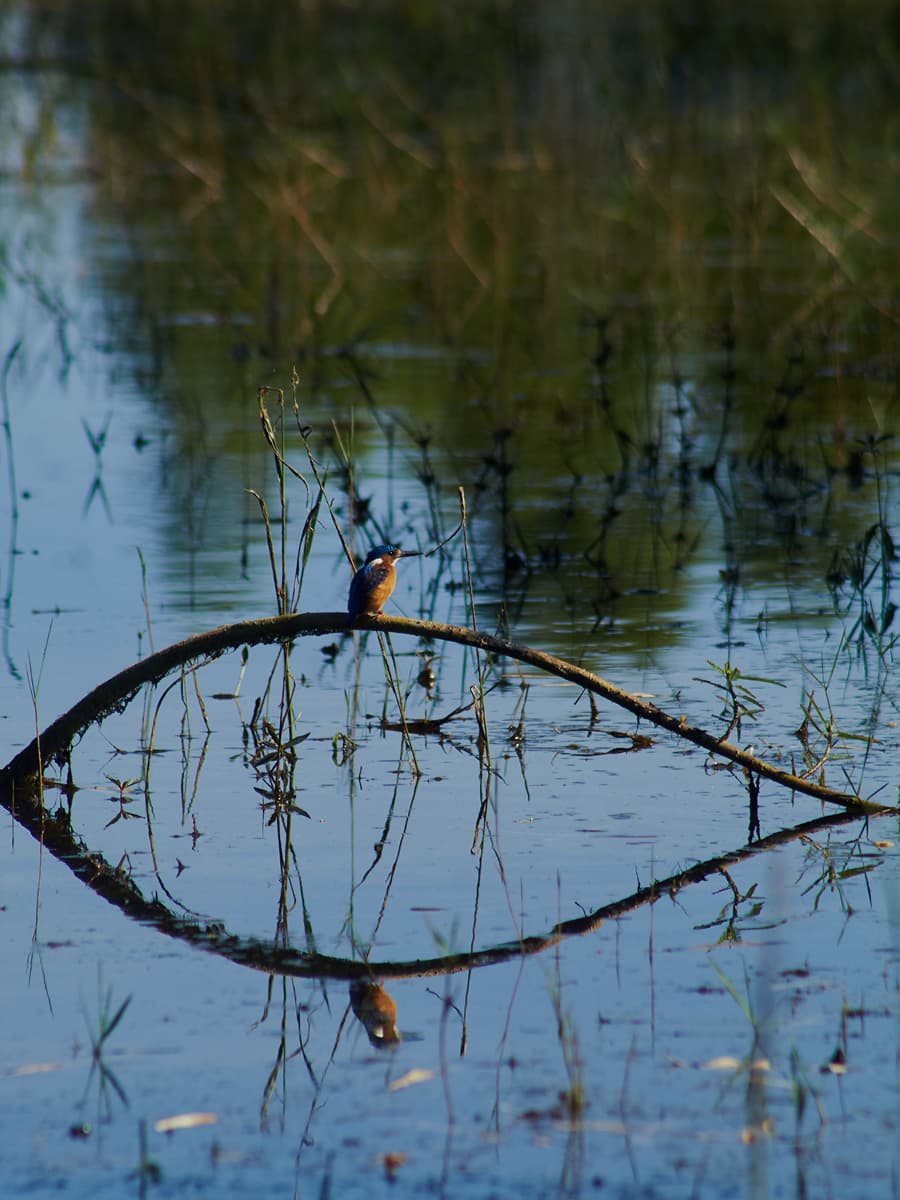
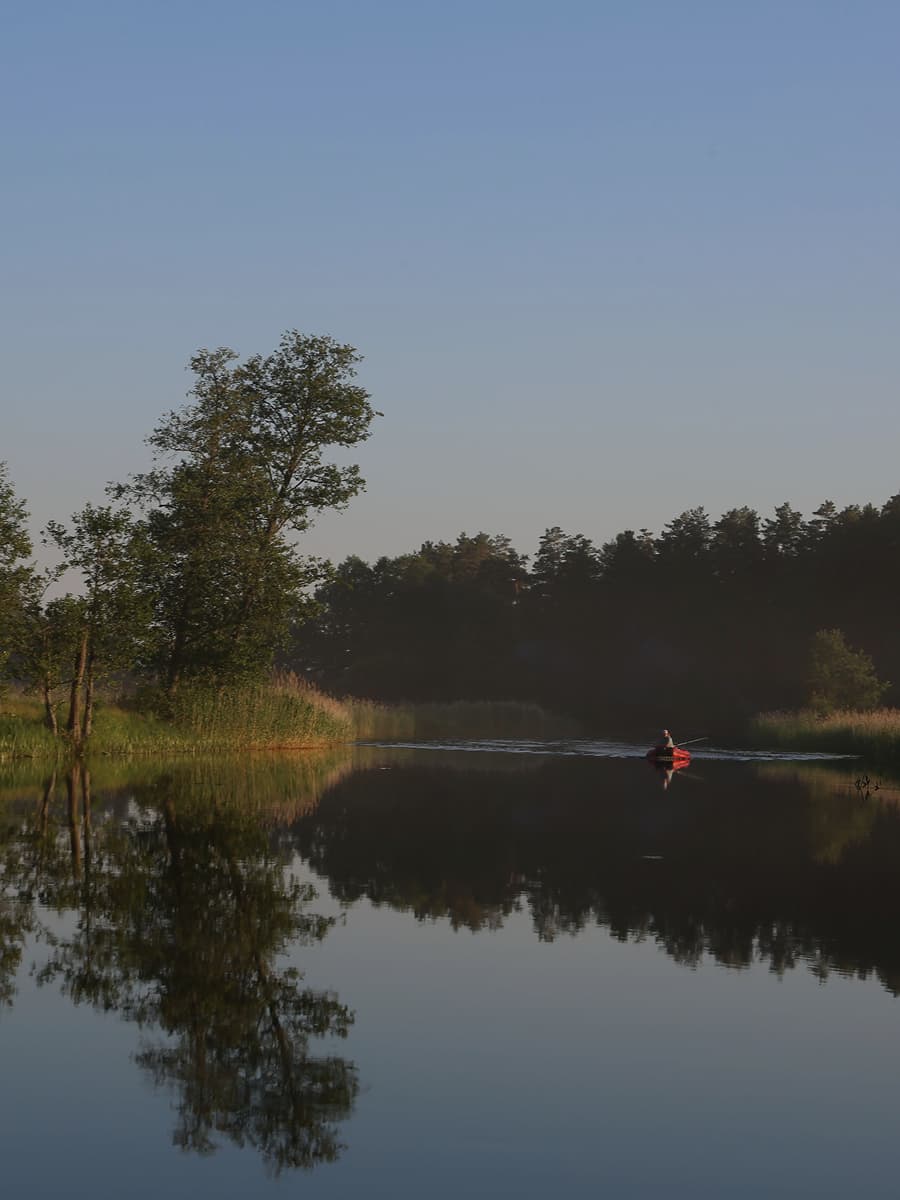
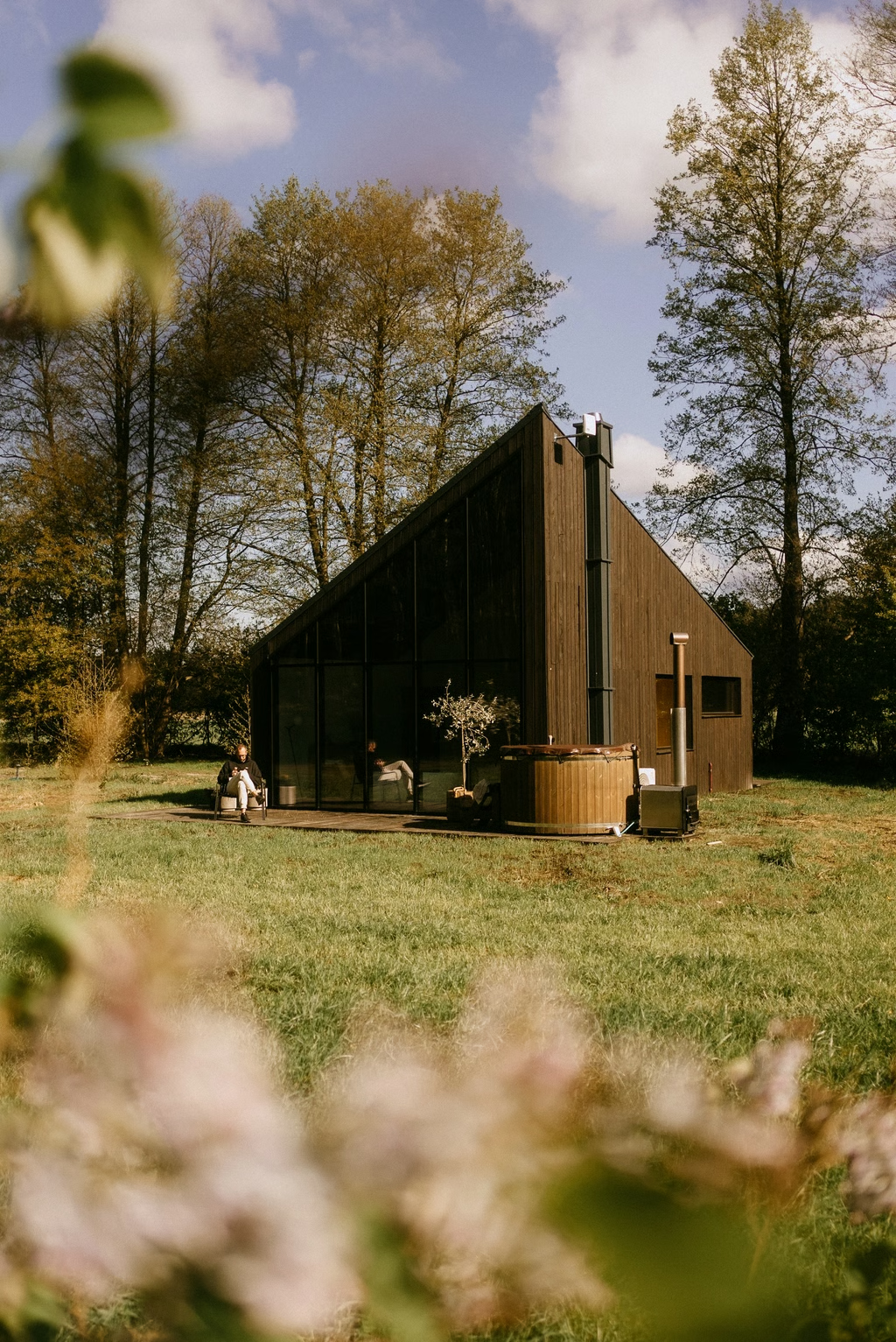
If you cannot decide between nature and culture, the area around Poznań settles the argument for you. To the west lies lake country, where everyone finds their own patch of quiet. Where the Warta meets the Oder, spring and autumn bring the calls of hundreds of migrating birds, and the forests to the north can be crossed on foot, by bike, on horseback or by kayak.
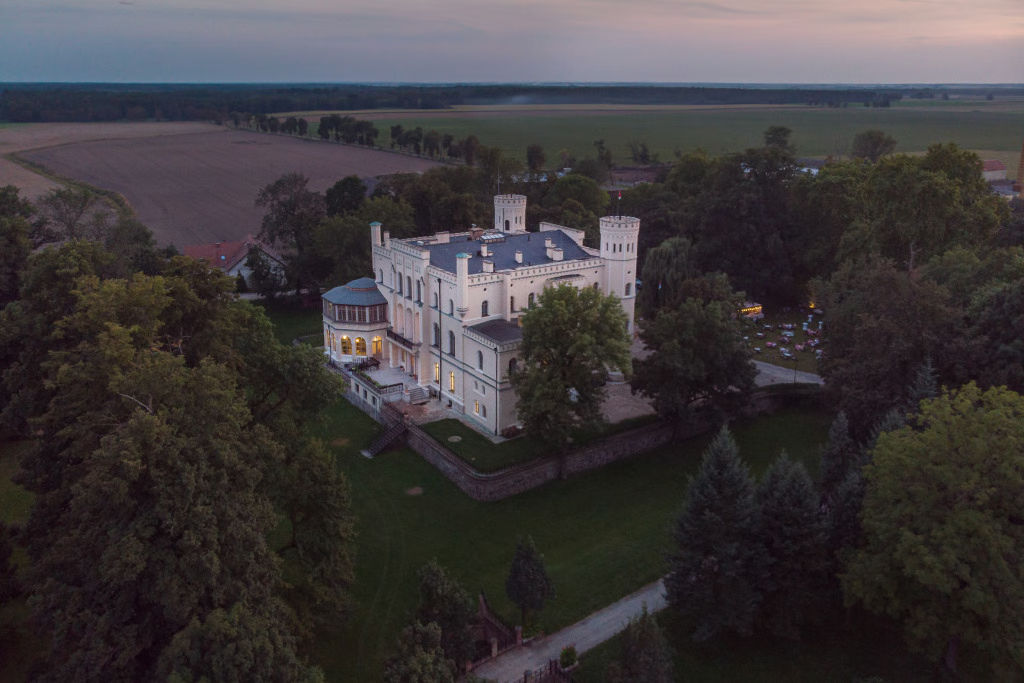
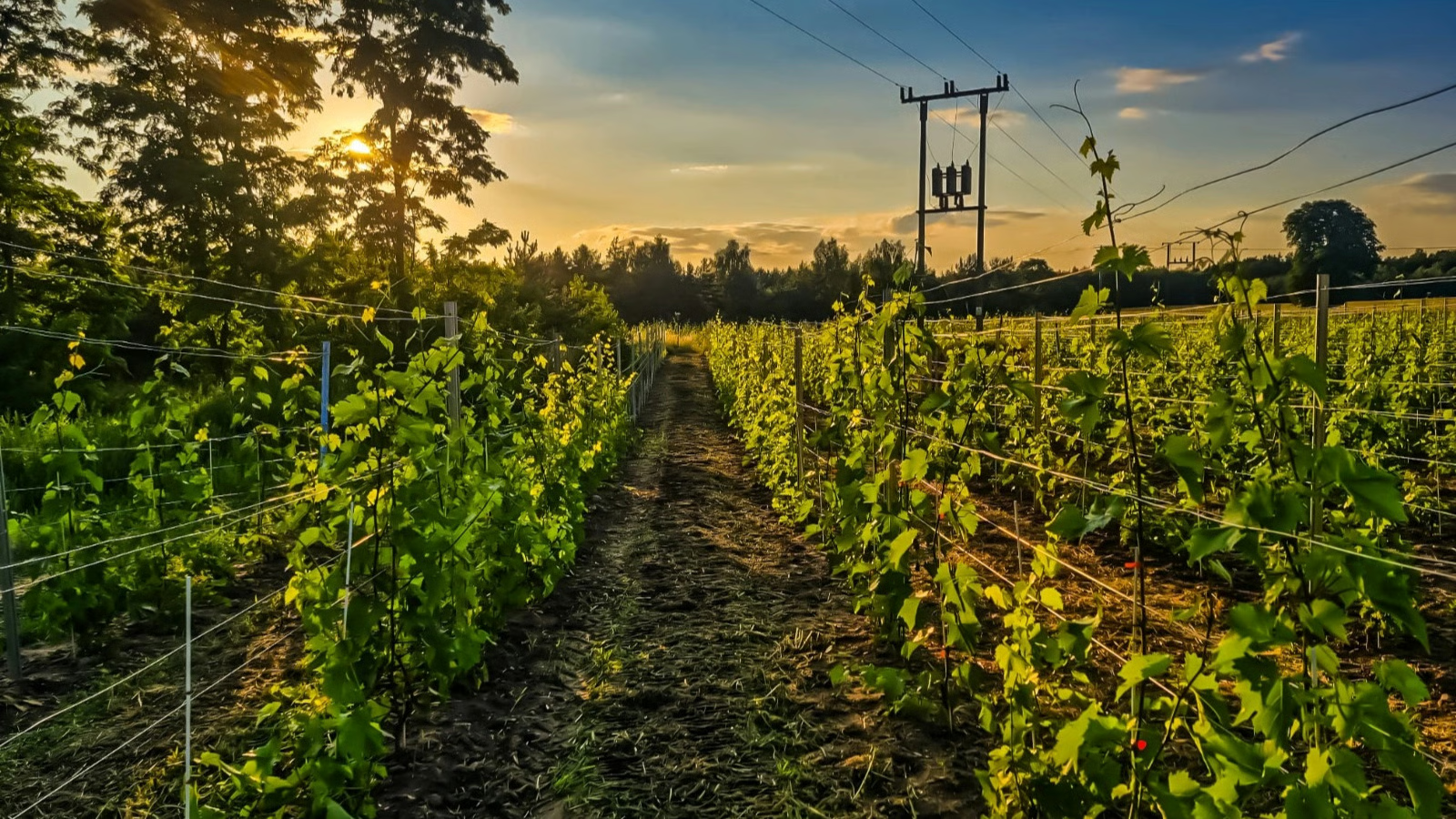
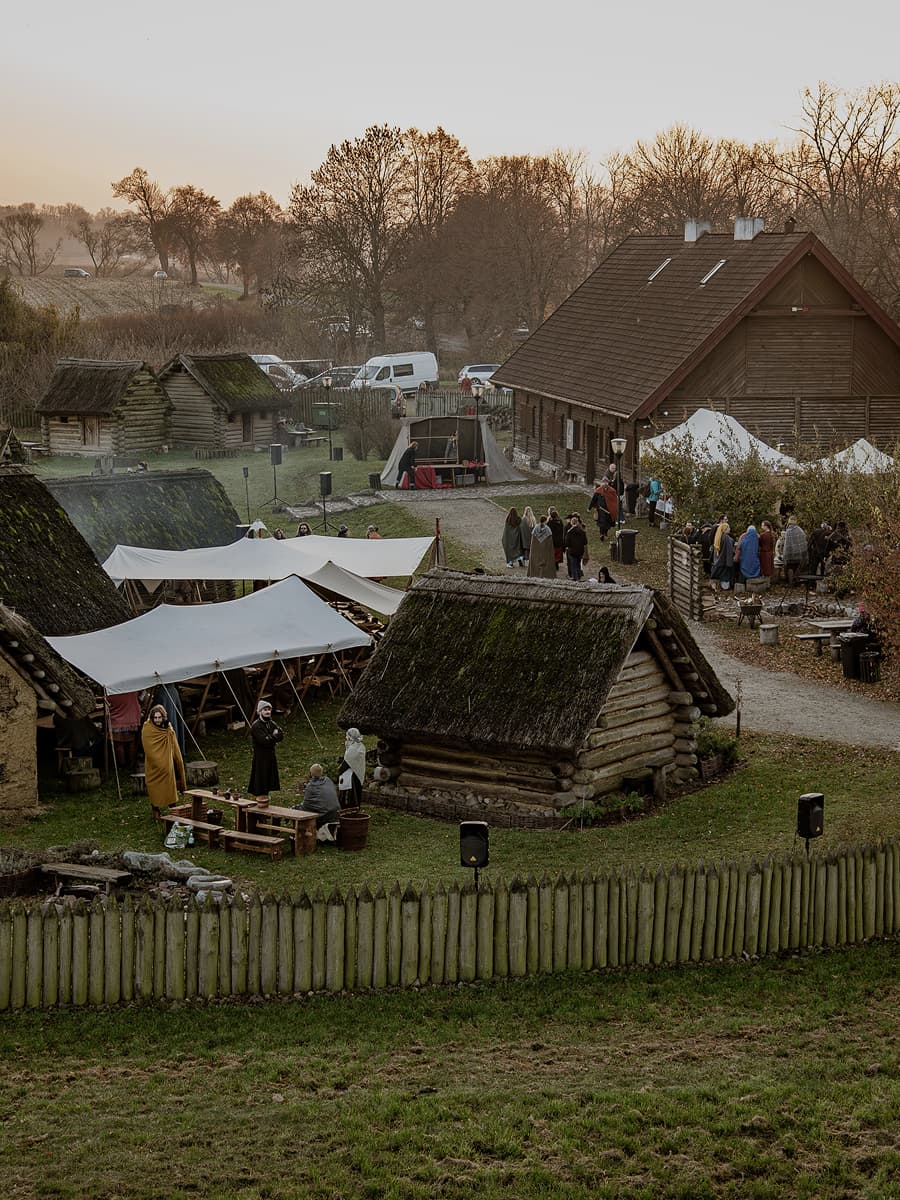
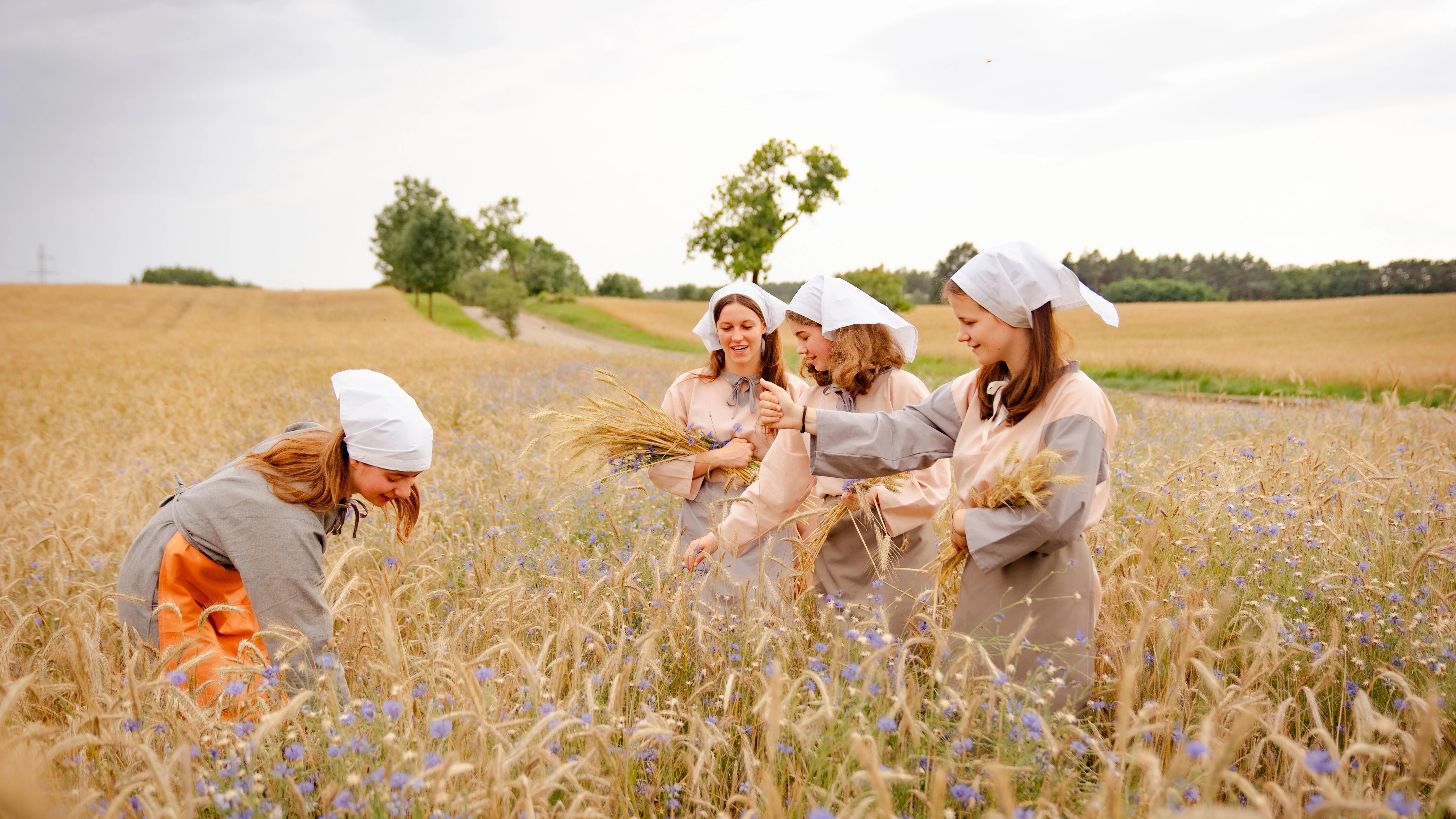
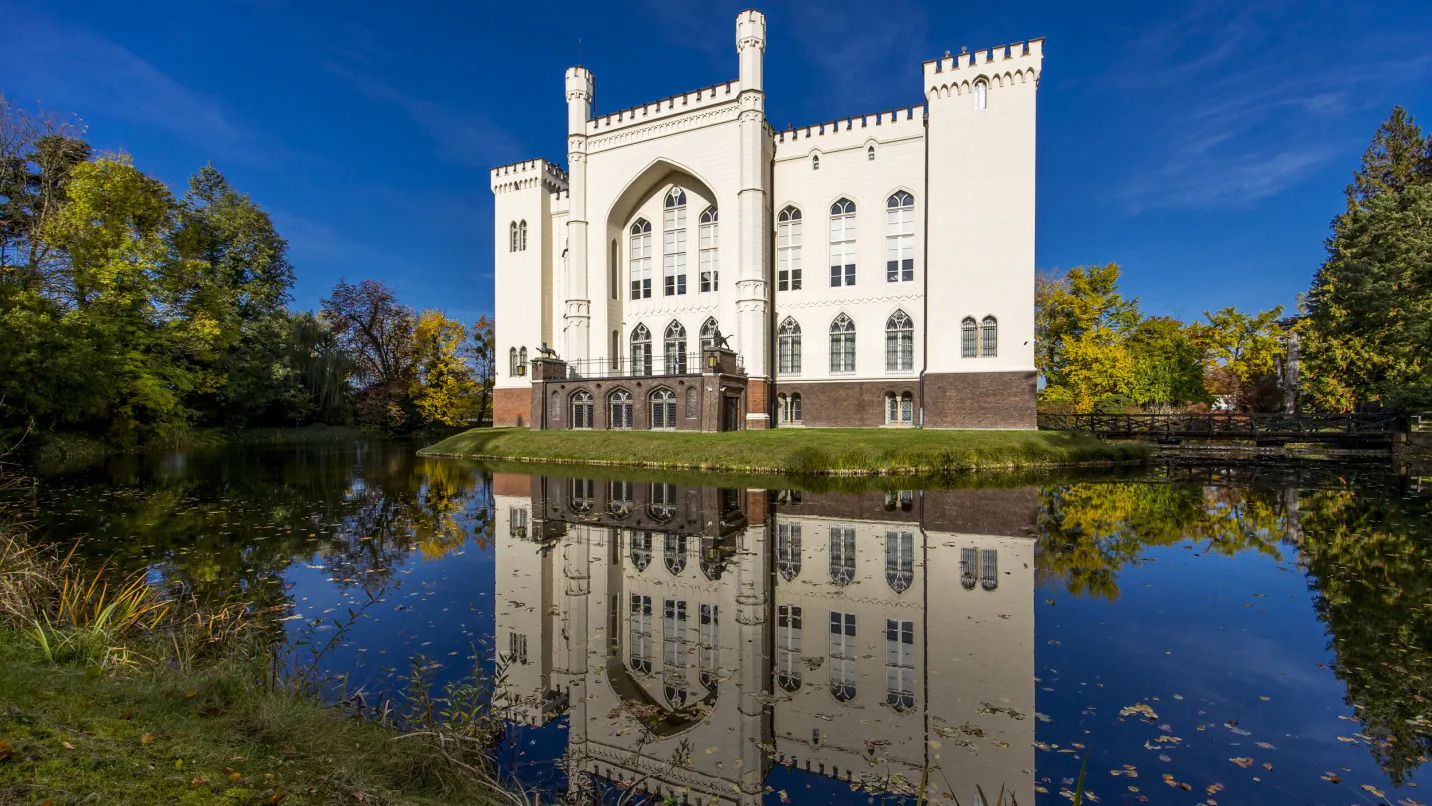
Head east and put your watch back a thousand years: Piast strongholds and Bronze Age burial mounds, with reenactments that bring the period back to life. The south of the region is moraine hills, manor houses, Cistercian abbeys and castles out of a fairy tale. And if you suddenly find yourself in a vineyard or a lavender field and think this looks like Tuscany, relax. You are still in Greater Poland and the Lubusz Lake District.
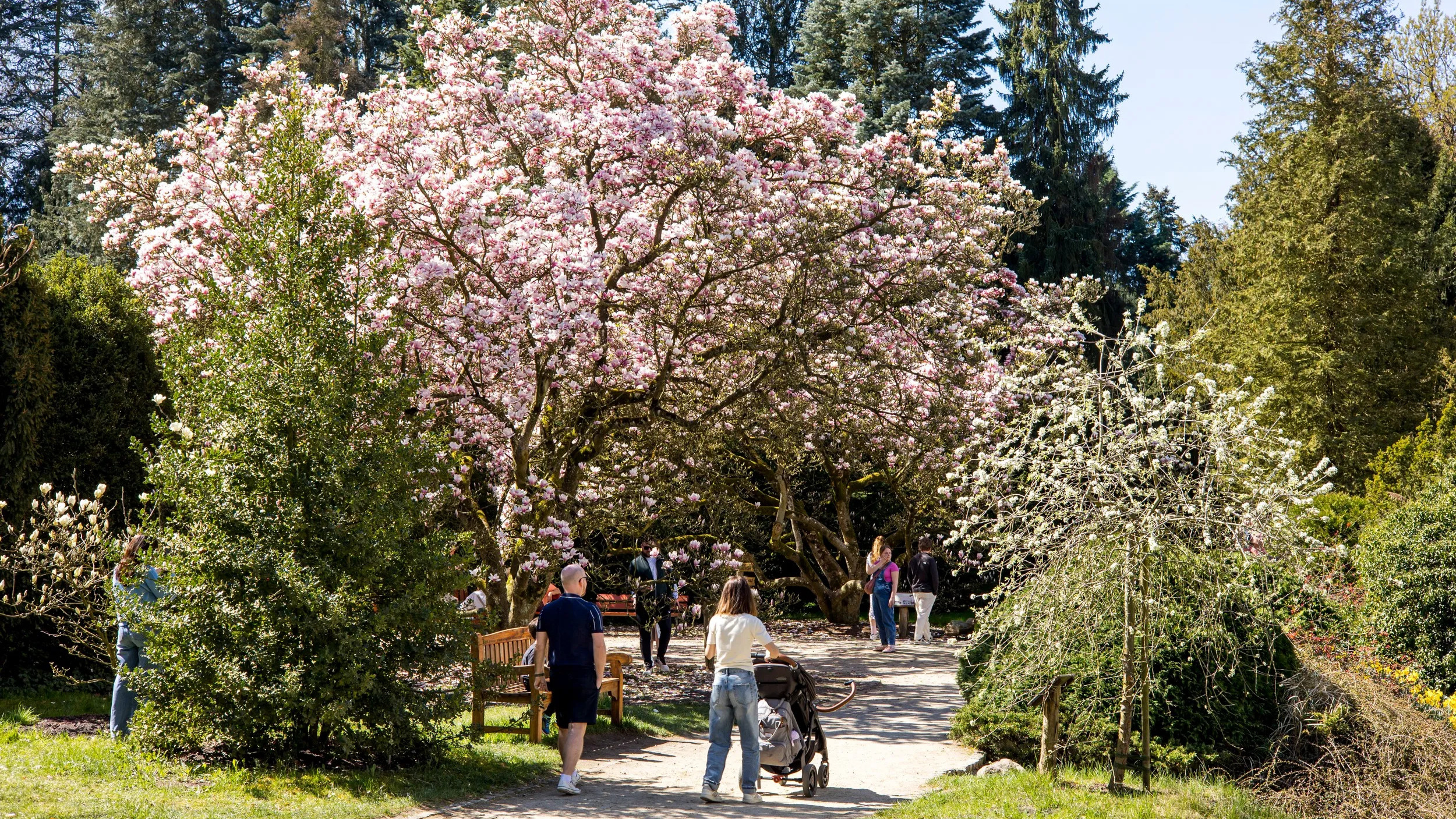
Every season is a good excuse to come here. Spring for the birds in Warta Mouth National Park, the carpets of lily of the valley on Wyspa Konwaliowa, the wood anemones in Promno Landscape Park and the rhododendrons and azaleas in flower at the Kórnik Arboretum.
Early summer brings the Lubusz Film Summer festival in Łagów, the historical spectacle "The Eagle and the Cross" at Park Dzieje, and the Grzybowo Warriors' Tournament.
In autumn, follow the Lubusz wine trail for the grape harvest, or head to Deli Park for the Pumpkin Festival. In winter, drop through a hole in the ice on one of the lakes of the Lubusz Lake District or the Zielonka Forest. If that sounds a little extreme, go out with a husky team in Bolechówko instead.
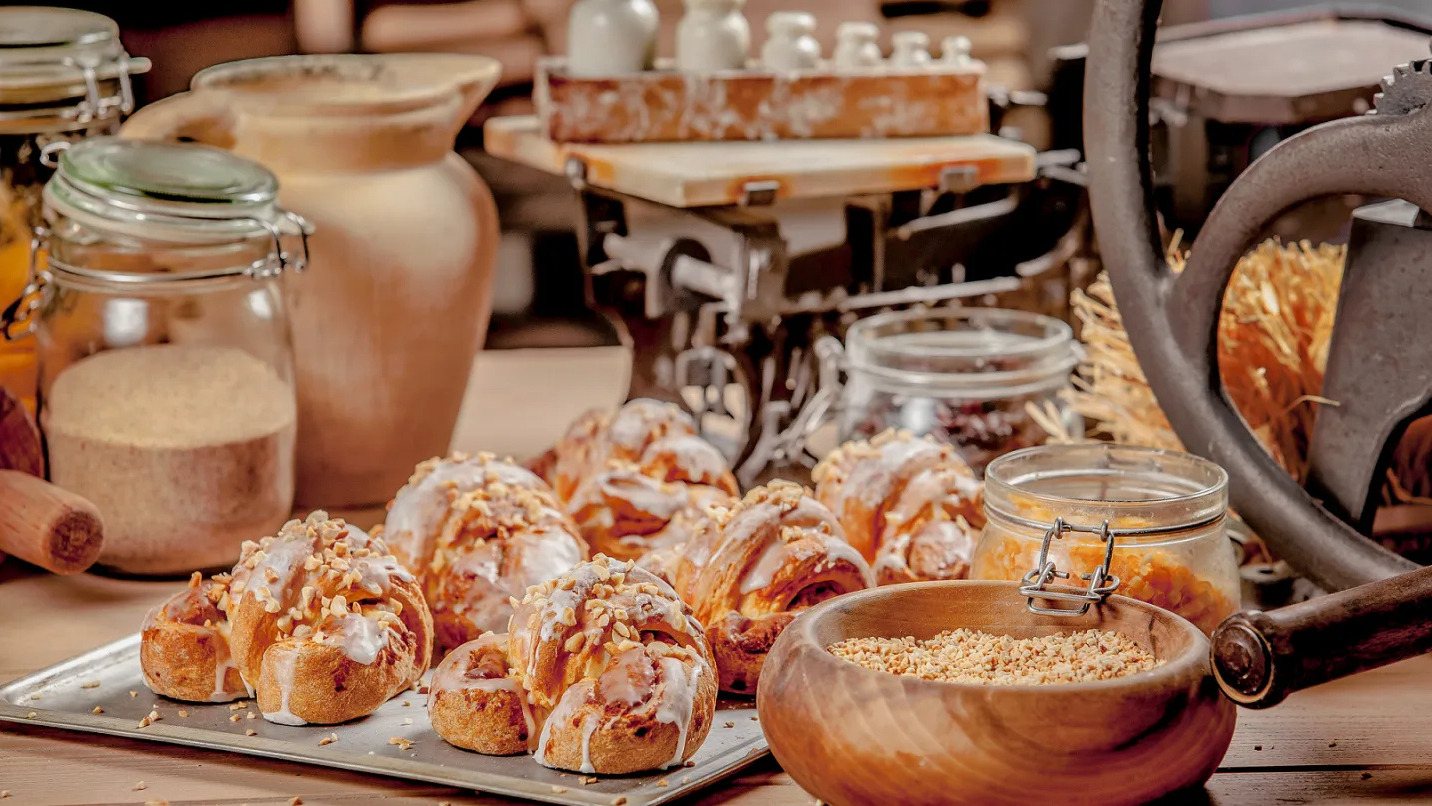
This is not a fridge-magnet sort of region. You are more likely to leave with a wicker basket from the Museum of Wickerwork and Hop Growing in Nowy Tomyśl, or a cloth hand-embroidered in snutka golińska, a traditional local stitch that looks like lace.
There are cups straight from the porcelain factory in Chodzież, or bunches of lavender from Lawendowy Ląd, where you will also hear about organic gardens and about the Cistercians, who were living in step with nature long before anyone had a word for it.
Anyone who likes vintage will find something in Czacz, a village that is essentially one enormous antiques market. And if you happen to pass Górsko, by car or by kayak, stop at the Sculptor's Homestead. Marian Murek keeps more than three hundred wooden birds there, along with reliefs of scenes from Pan Tadeusz, the Polish national epic.

You can fly into Poznań-Ławica international airport, or drive in on motorways and expressways from Wrocław (2 hours), Berlin (2.5 hours) or Warsaw (3.5 hours).
Poznań Główny railway station sits next to the bus station and is well connected to every major city in Poland and to many across Europe.
Everywhere we describe is in Greater Poland or the Lubusz Lake District, and in most cases within a two-hour drive of Poznań.
The region also has a long railway tradition, which means you can get from the city centre to a small town, or into the middle of the forest, on a modern regional train run by Koleje Wielkopolskie.