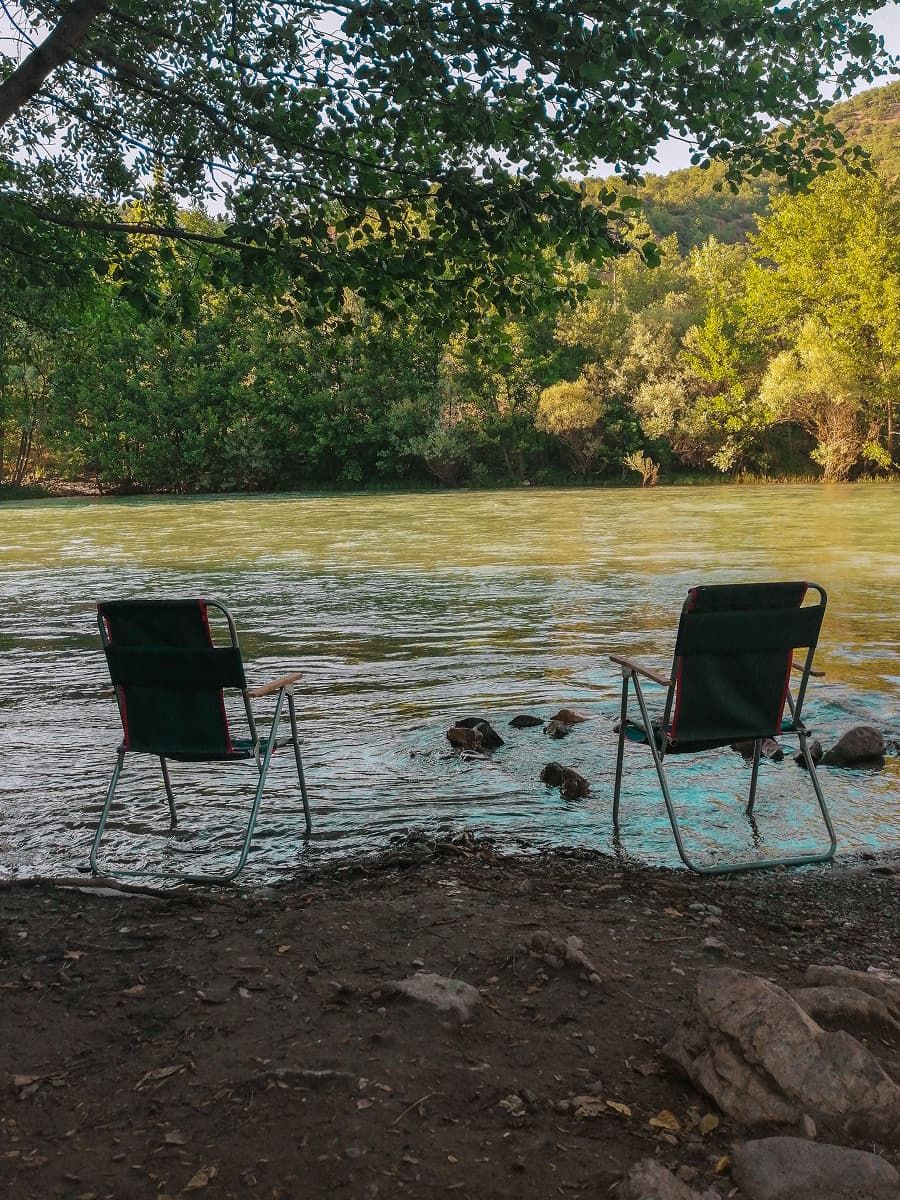
Does this ever happen to you? You are swaying gently in a hammock, the leaves are rustling, your book is lying face down on the grass. Somewhere between one nap and the next, a thought creeps in: what about coffee and cake at a bakery in some small town? One with a square, a few sleepy streets, a handful of old townhouses and just enough civilisation, which, admit it, you have suddenly started missing out here in the middle of nowhere.
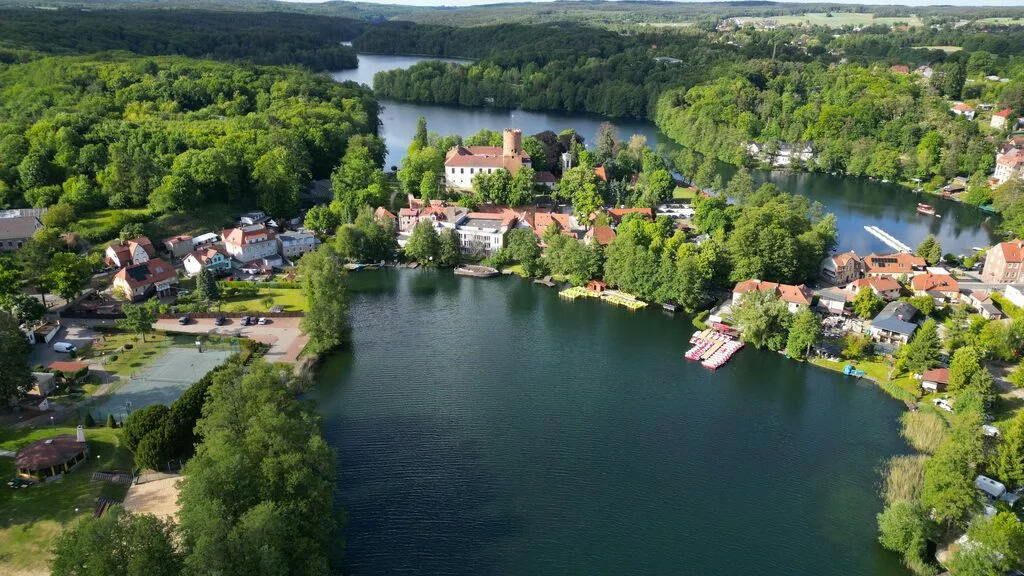
Greater Poland has plenty of them: Puszczykowo with its half-timbered summer villas, baroque Rydzyna, Łagów spread between two lakes, and many more you will come across by yourself, which is more fun anyway.
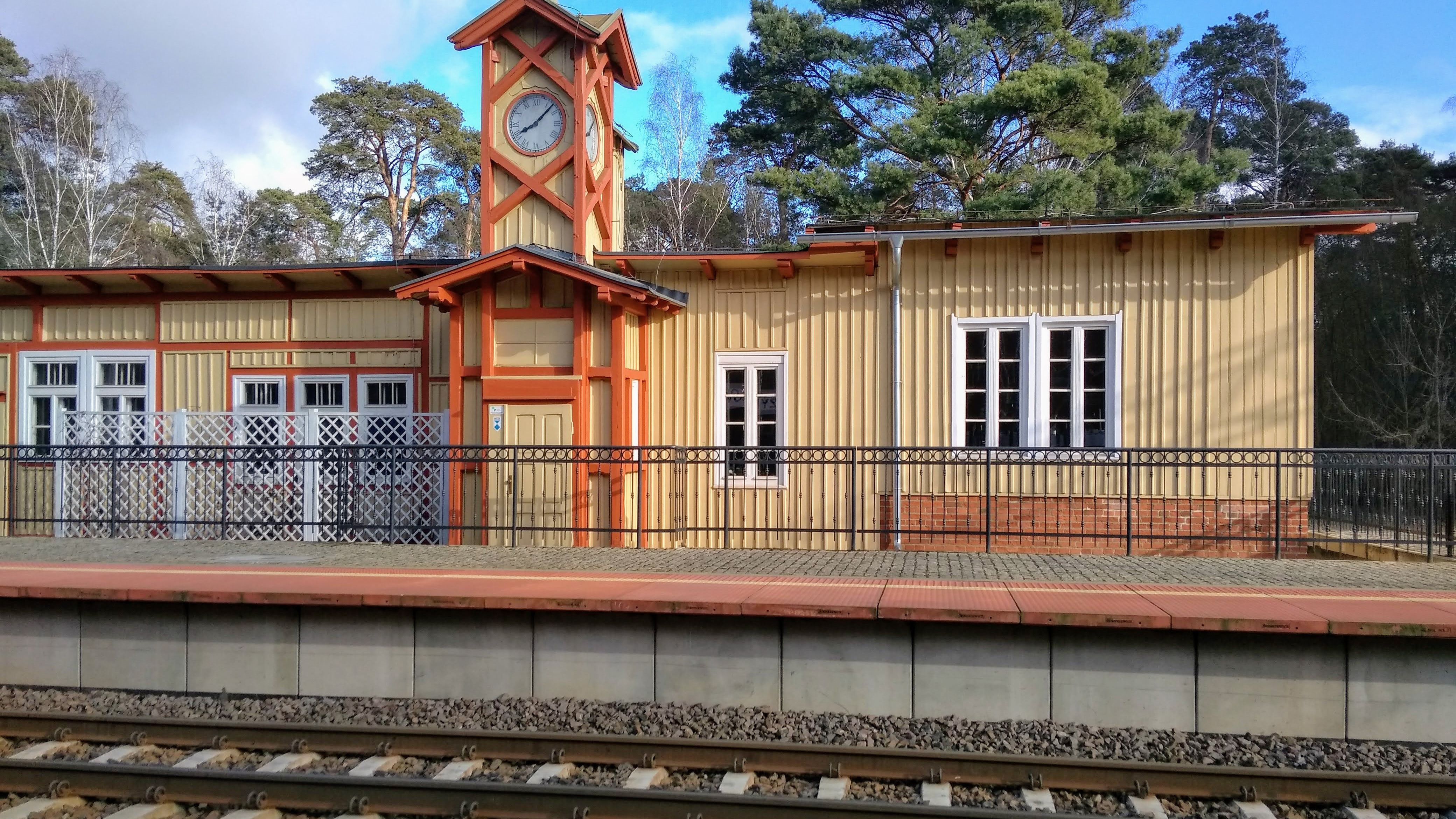
Well-off families from Poznań were coming to Puszczykowo for the weekend before the English word had even entered the Polish dictionary. When the railway network expanded here at the end of the 19th century, getting out of the crowded city suddenly became very easy. On Saturdays and Sundays, elegant men and women with a great many children, trunks and hampers of food would step off at a small station in the middle of the forest and fill their lungs.
They were Poles and Germans alike: doctors, bankers, lawyers, senior officials, financiers. They built guesthouses, country villas, spa houses and inns in whatever style was newest in Berlin at the time. Walking among those beautiful houses in their extravagant gardens today, in a former resort on the Warta that has kept its architectural coherence, on the edge of the Greater Poland National Park, is a pleasure.
Do call in at the Arkady Fiedler Museum. Fiedler, who wrote "Squadron 303" about the Polish pilots who flew in the Battle of Britain, was a devoted traveller and brought back preserved spiders, Amazonian canoes and African masks from his expeditions. In the garden beside his villa there is a miniature of the Great Pyramid, a replica of Columbus's Santa Maria and a Hawker Hurricane fighter of the kind those Polish airmen flew.
End your Puszczykowo wyraj (the word won a 1937 newspaper competition to find a Polish replacement for "weekend", and never quite caught on) at the railway station, in Lokomotywa, a much-loved restaurant inside the old station building. Regulars come for the spicy honey-glazed ribs, but there are sweet and savoury tarts too, and Julita's jars, which are made for a picnic basket.
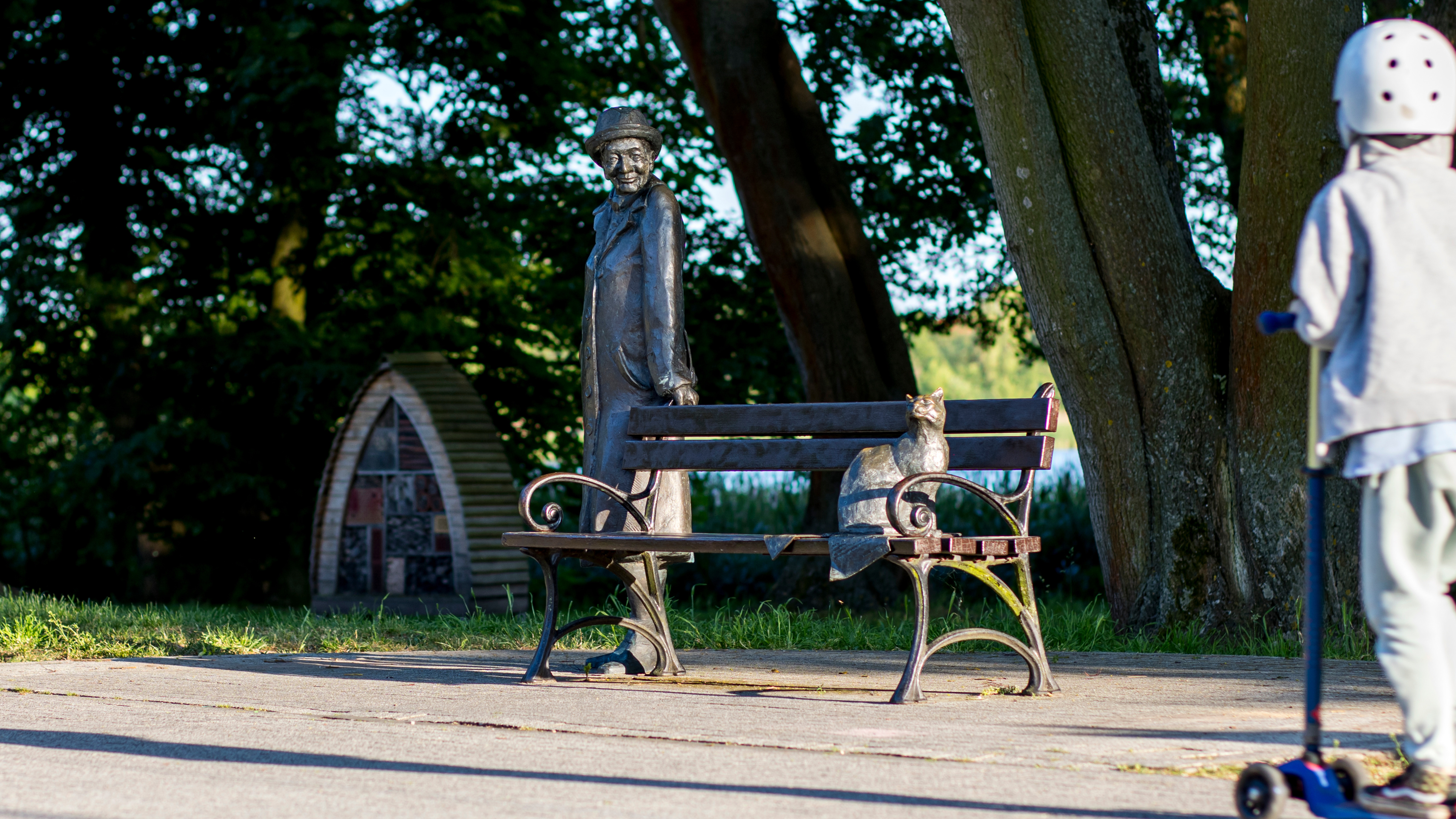
Every time I come to this land I find the first landscapes I ever saw. Here was — and still is, though smaller — my first lake, my first forest, my first meadow and my first clouds. That is how Wisława Szymborska, winner of the Nobel Prize in Literature, described Kórnik and the country around it. She was born here, on the estate at Prowent, where her father Wincenty Szymborski managed the property of Count Władysław Zamoyski.
Today you can walk the promenade named after her and sit on a bench beside a statue of her beloved cat, which children make a point of visiting. They have stroked its head so often that it shines in the sun.
Beyond the poet's cat, Kórnik has a great deal for all ages: a beach on the lake, playgrounds, a skate park, fountains on the square and any number of cafés, moving art installations, fragments of poems, boat trips on Lake Kórnickie, a moated castle with its White Lady ghost, magnolias in flower and thousands of other plants in the arboretum.
No wonder it is one of the places locals head for when they want an afternoon out of the city.
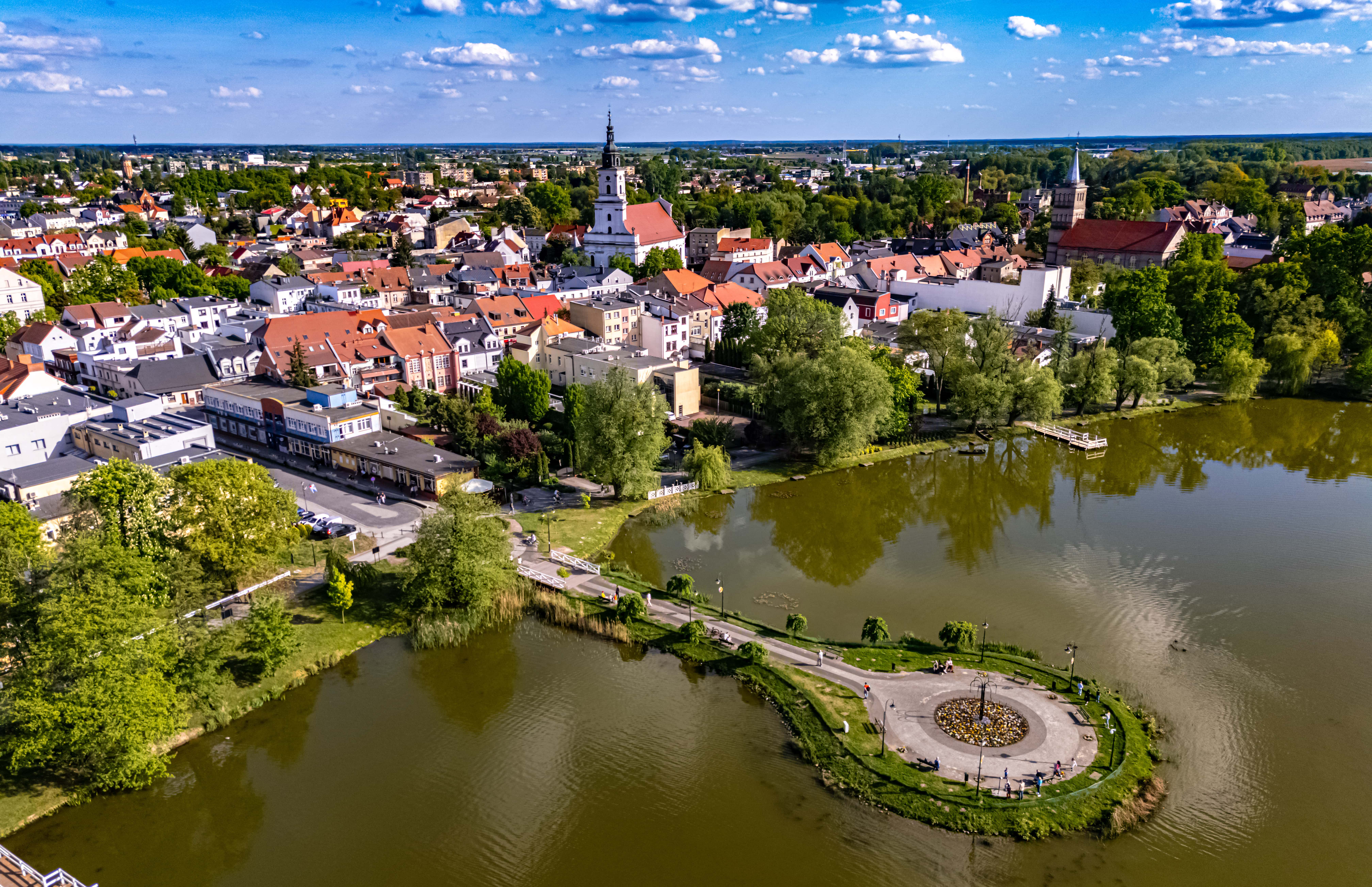
The first railway tracks reached this charming town on Lake Wolsztyńskie in 1886, and from then on great locomotives carried passengers from here to the far corners of Europe. Today anyone who loves steam and smoke comes to Wolsztyn to see the legendary engines: "Beautiful Helena", for instance, or the Ok1-359 from 1917, a star of the Polish series "Border in Flames" and of Roman Polański's "The Pianist". What makes Wolsztyn unique anywhere in the world is that its steam engines still run scheduled services, including the Wolsztyn–Poznań–Wolsztyn route every Saturday.
The town's biggest event is the spring Steam Locomotive Parade. Engines arrive from all over Poland and roll past the crowds at the pace of a tortoise, to a brass band and a procession of majorettes.
There are two good museums here as well: the house of Robert Koch, the Nobel-winning microbiologist who lived and practised medicine in the town in the 1870s, and the villa of the sculptor Marcin Rożek. There is an interesting open-air museum too.
On Lake Wolsztyńskie you can walk the promenade or rent a kayak or a pedalo. The small open-air museum here gives you a good sense of what village life in this region looked like at the beginning of the 20th century.
Wolsztyn will also surprise you with the sheer number of cafés and small restaurants on and around the square, almost all of them well reviewed. Two caught our eye: Dystrykt Coffee & More with its board games, and Olafke-Pimpafke, which has a play area for small children.
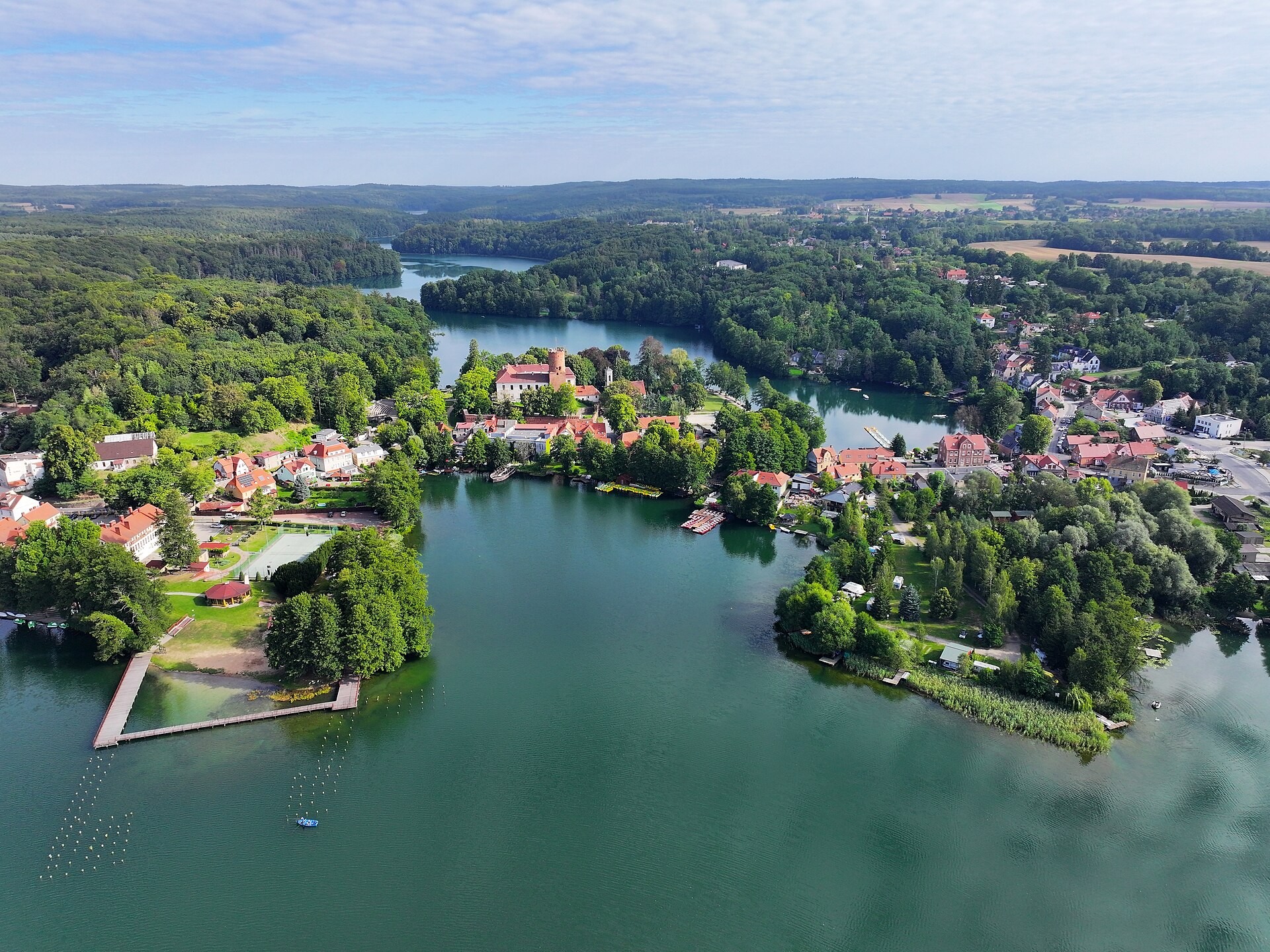
Czesław Niemen, one of the great Polish singers and songwriters, loved Łagów. He used to stay in the Hospitaller castle that looms over the town, looking for ideas for his music. Locals remember him fishing and then putting the fish back in the lake. Other artists came too, not least because Łagów hosts the oldest film festival in Poland, the Lubusz Film Summer.
Climb the castle tower for the view over this picturesque town of red roofs and an old railway viaduct, squeezed between two turquoise lakes, Łagowskie and Trześniowskie, with beech and pine forest all around.
After a walk or a ride around the lake, stop at Cafe Stolarnia for apple cake made with fruit straight from the orchard, and hollyhock tea.
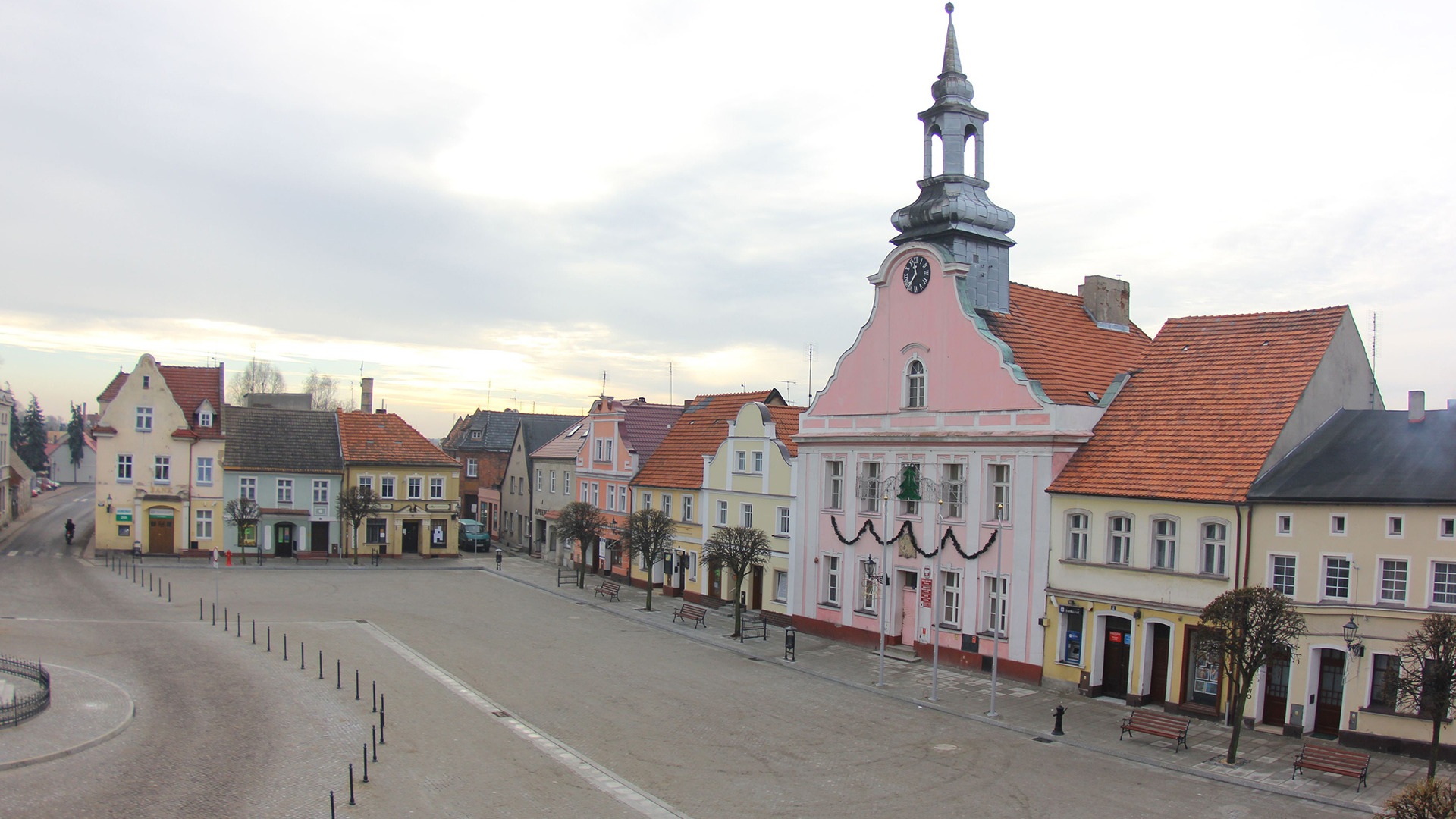
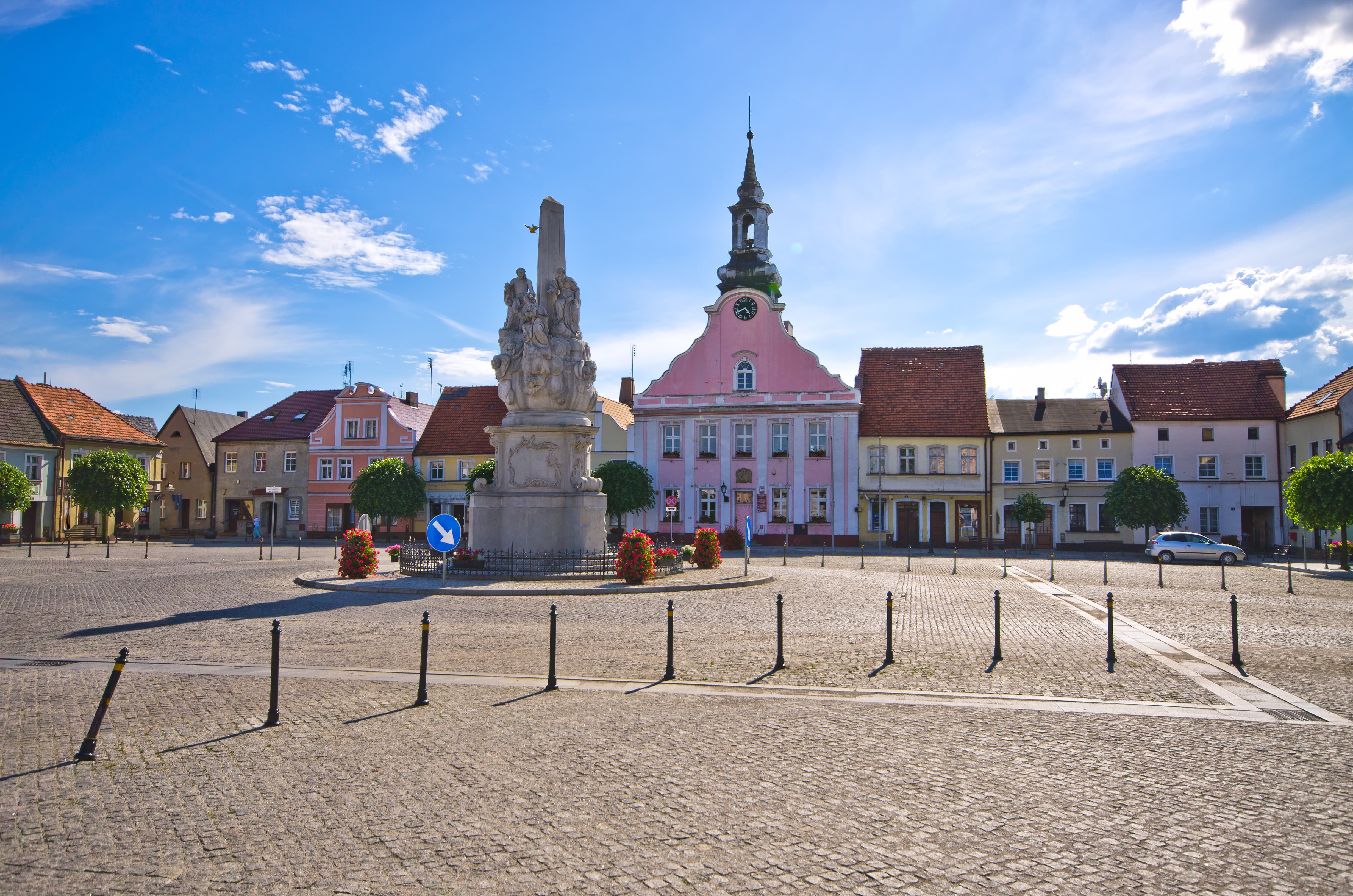
South of Poznań, not far from each other, lie two sleepy little towns worth finding before the crowds do: Wschowa in the Lubusz region and Rydzyna in Greater Poland.
It is hard to believe now that in the 18th century Wschowa was the country's unofficial capital. The senate sat here, kings received foreign envoys here, and earlier still Casimir the Great married Jadwiga of Żagań in the town. The medieval walls survive, along with a lovely market square of old townhouses, the town hall, a Franciscan monastery and a Gothic parish church. Do also look in at the Protestant cemetery, with its remarkable baroque gravestones and hopeful epitaphs.
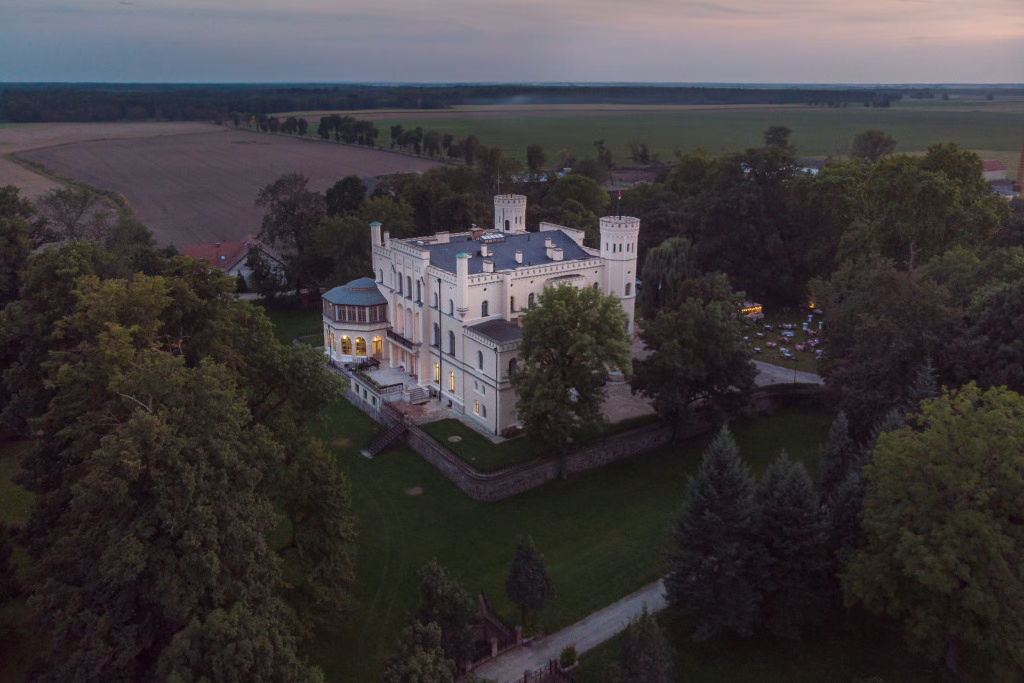
Less than half an hour away is Rydzyna, with one of the most beautiful castles in Poland. The former Leszczyński residence, remodelled by the Italian architect Pompeo Ferrari, is still a baroque showpiece. See the castle, then walk down the grand avenue to the square, where the bakeries and cake shops are excellent.
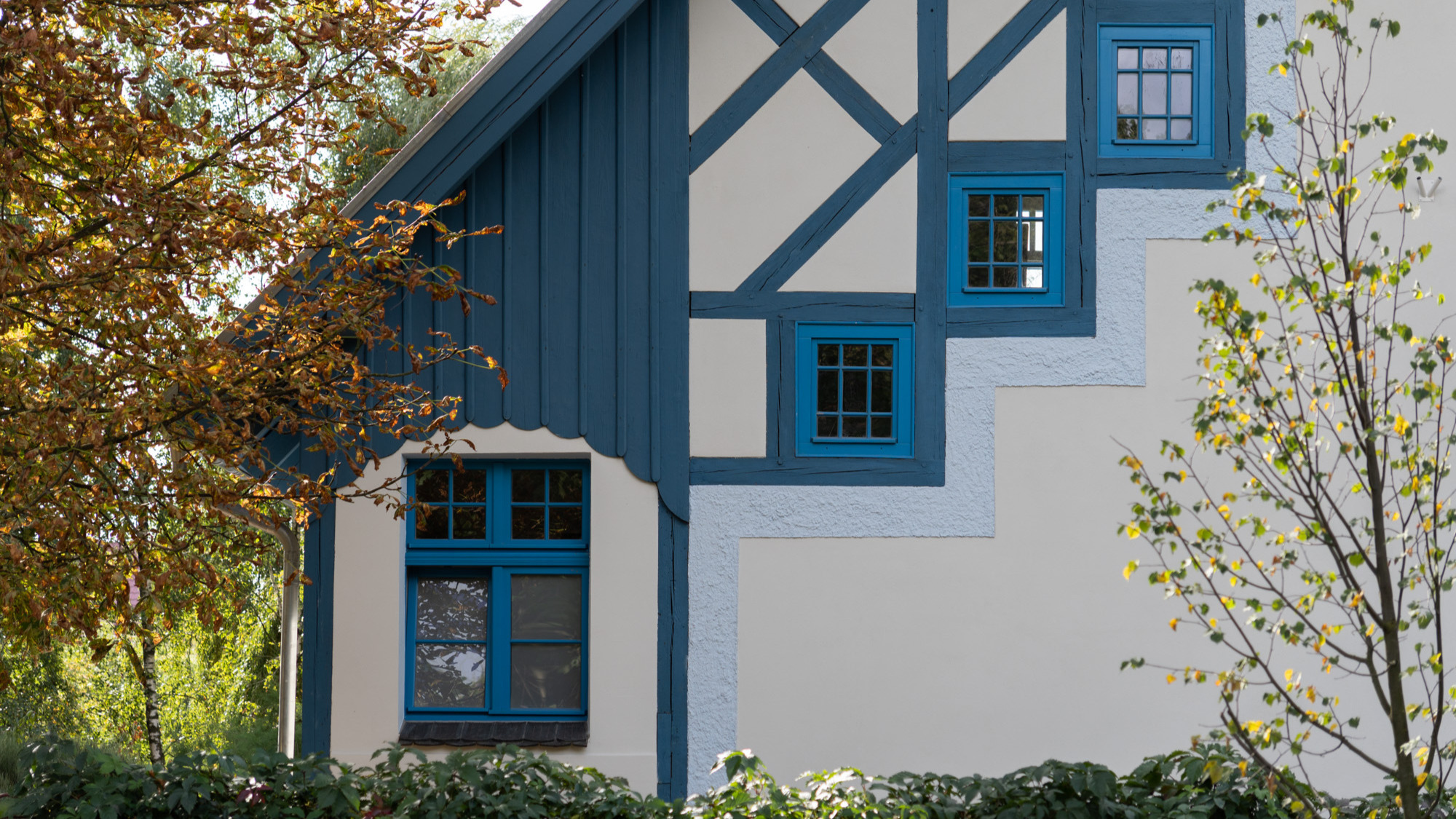
Golęczewo shows how big history can rewrite the fate of an ordinary village lost among meadows. At the end of the 19th century the Prussian Settlement Commission bought it from Polish owners and turned it into a model German village called Golenhofen.
Protestant settlers moved into modern farmsteads built in the styles of various German provinces. Two paved roads ran through the village, and there were pavements, electricity and running water.
Tiny Golęczewo now has 40 listed buildings. The best way to see it is with the dedicated outdoor game from Wielkopolskie Questy, which helps you picture what Prussian propaganda held up as the perfect province.
Jules Huret described Golenhofen in Le Figaro in 1906: All these houses have a cheerful look, with large bay windows, loggias, tiny steps sheltered by little glazed-tile roofs, shutters in pale shades and modest flowers — speedwell, nasturtium, Jerusalem artichoke, sunflowers, carnations — blooming in the windows and gardens. On the whitewashed façades, proverbs or lines of Scripture are painted in black letters, chosen to remind these simple souls, lost in their solitude and adrift, of the elementary principles of solidarity and of love for their calling.