Turrets where you can still hear lovers sighing. Ballrooms that have seen a great many dances. Old oaks that have sheltered more than one stolen kiss. Did you know that the Lubusz Lake District and Greater Poland hold several hundred palaces, manor houses and castles between them? And that every one of them comes with love stories?
At the palace in Śmiełów, Adam Mickiewicz, Poland's national poet, had a blazing affair with Konstancja Łubieńska. She was ready to leave her family for him. He, overwhelmed, wrote Pan Tadeusz. In Lubniewice, Michalina Wisłocka gave in to a passion for a forester named Jerzy, and out of it came The Art of Loving, the book that taught communist Poland about sex. The park in front of the palace is full of sculptures on the theme. And Izabella Działyńska, born a Czartoryska, fell in love… with her own castle, after turning a total ruin into something exquisite. Gołuchów is still the jewel of the region.
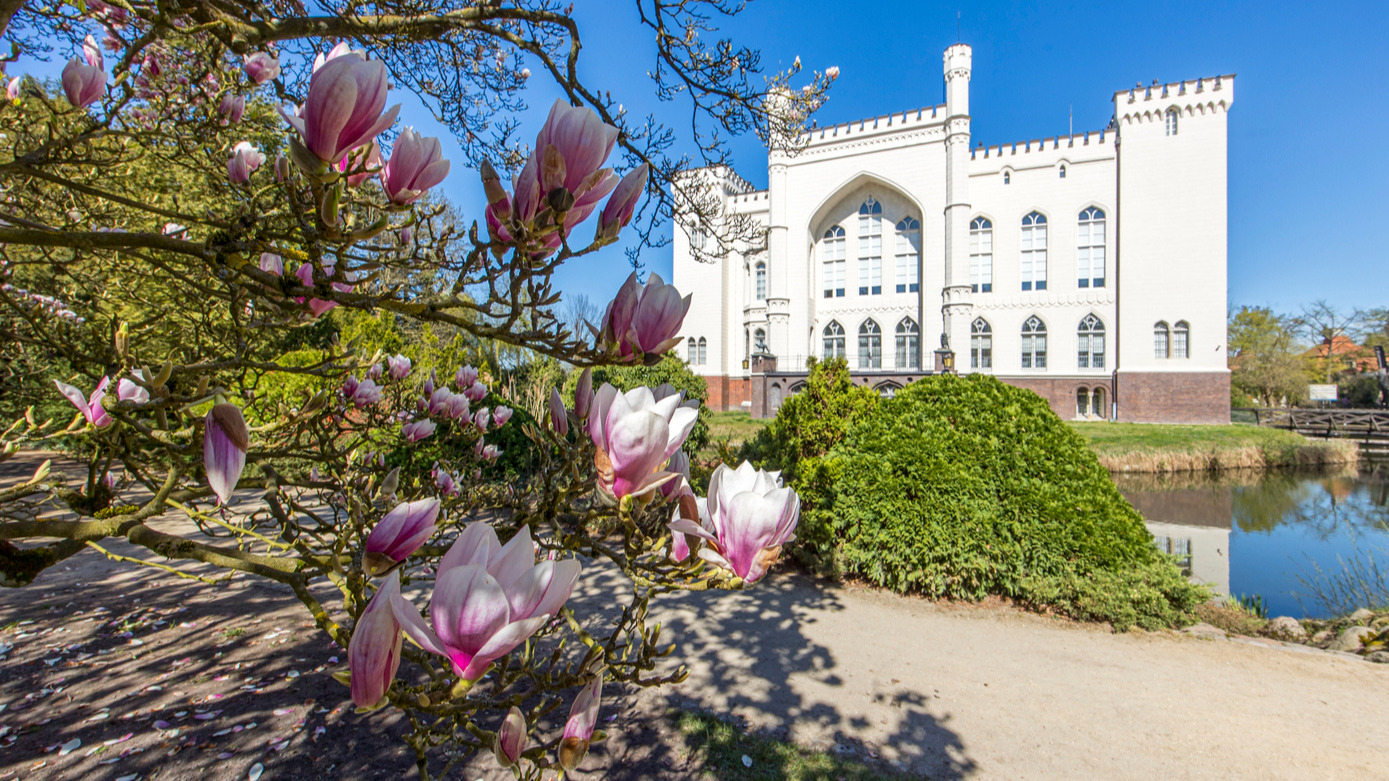
Surrounded by a moat and a superb arboretum, one of the oldest and richest in this part of Europe. In spring the magnolias and rhododendrons in flower are worth the trip on their own. The castle belonged to Teofila Szołdrska Potulicka, born a Działyńska, an 18th-century businesswoman who abolished serfdom on her land and built roads, bridges, windmills and dams. She ran a linen manufactory and bred silkworms. After her second divorce she never remarried. She valued her independence. Legend has it that just before midnight she steps out of her portrait in her white dress and onto the terrace. A knight on a black horse rides out of the darkness, and the White Lady spends the rest of the night in his company.
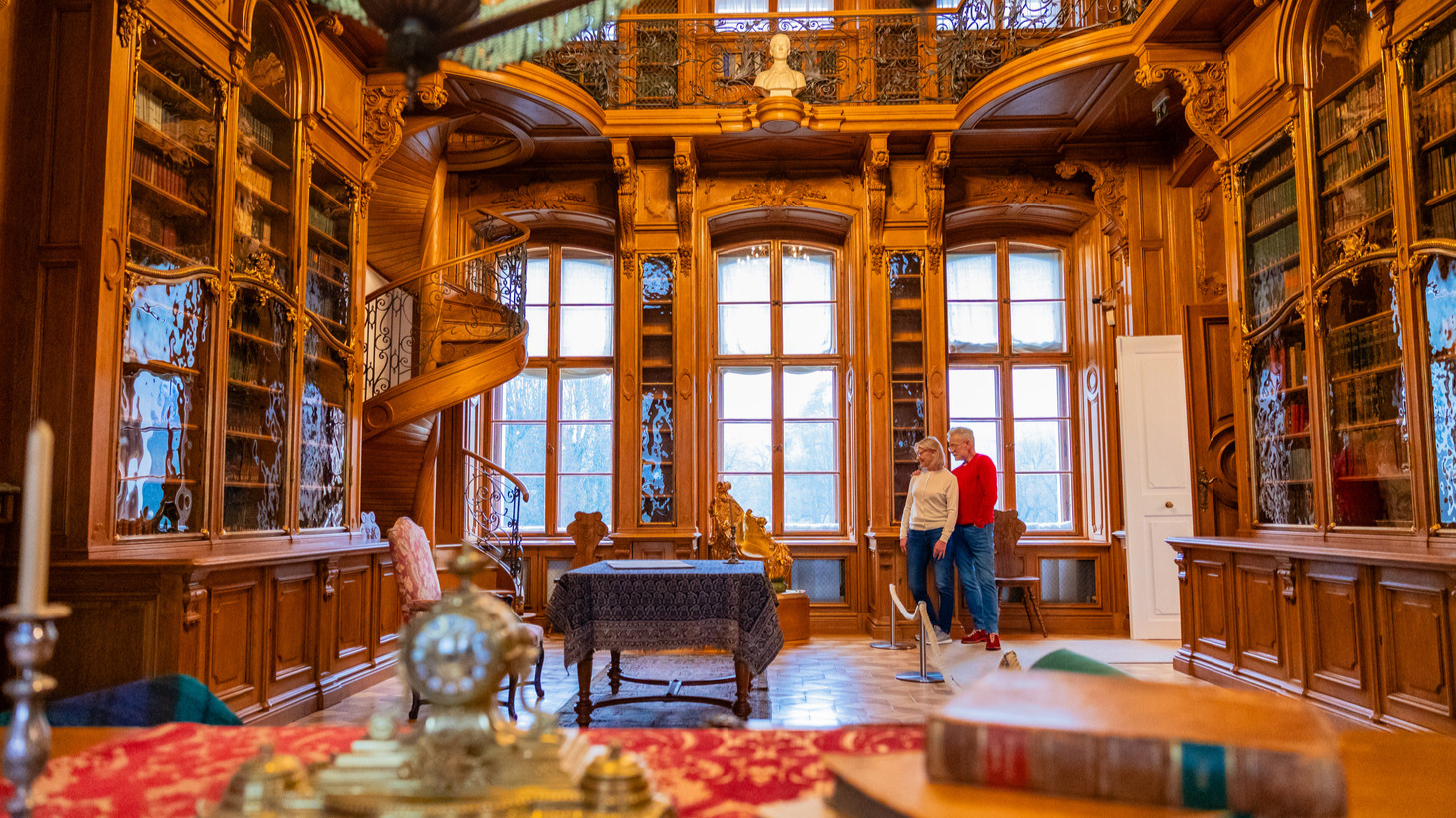
Inside hang paintings by Malczewski, Boznańska and Wyspiański, and Matejko's largest canvas, "The Maid of Orléans" — between them, the great names of Polish art. The wood-panelled library is glorious, and does look a lot like Hogwarts. After the house, allow time for a long walk through the French and English gardens. The English one holds around 1,400 vast old oaks. They are at their best at dawn in autumn, in the mist off the Warta.
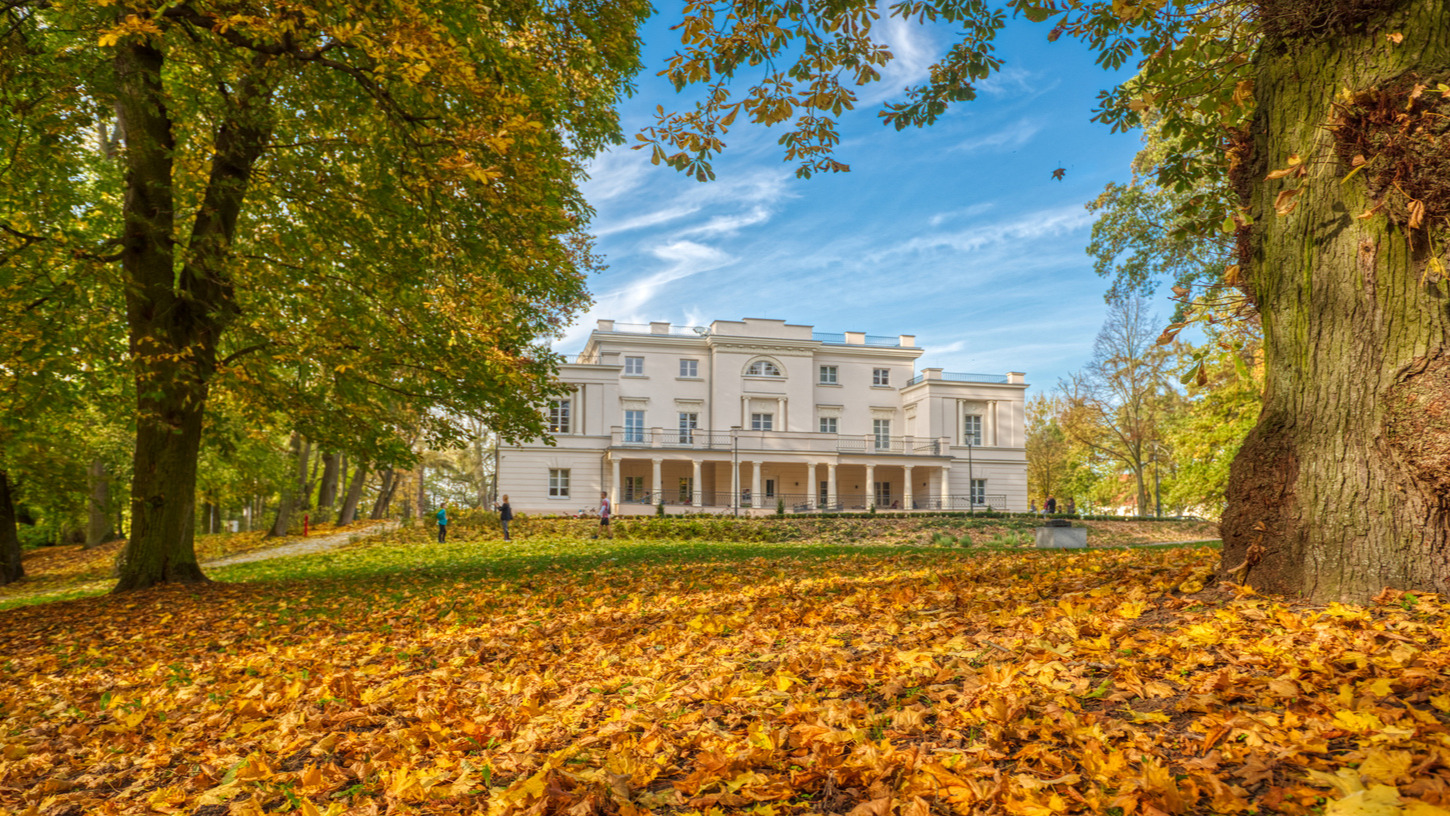
Not only the oldest romantic classicist building in the region, but one with a romance behind it. The Swedish count Wawrzyniec Engeström fell hopelessly in love with a Polish noblewoman, Rozalia Chłapowska. This one ended well: they married, the count built a house that was thoroughly modern for its day, and they lived happily in it. The park is made for a picnic. Small children have a low rope course to play on, and everyone else, in love or otherwise, can walk out to the Island of Love, carpeted with crocuses in spring.
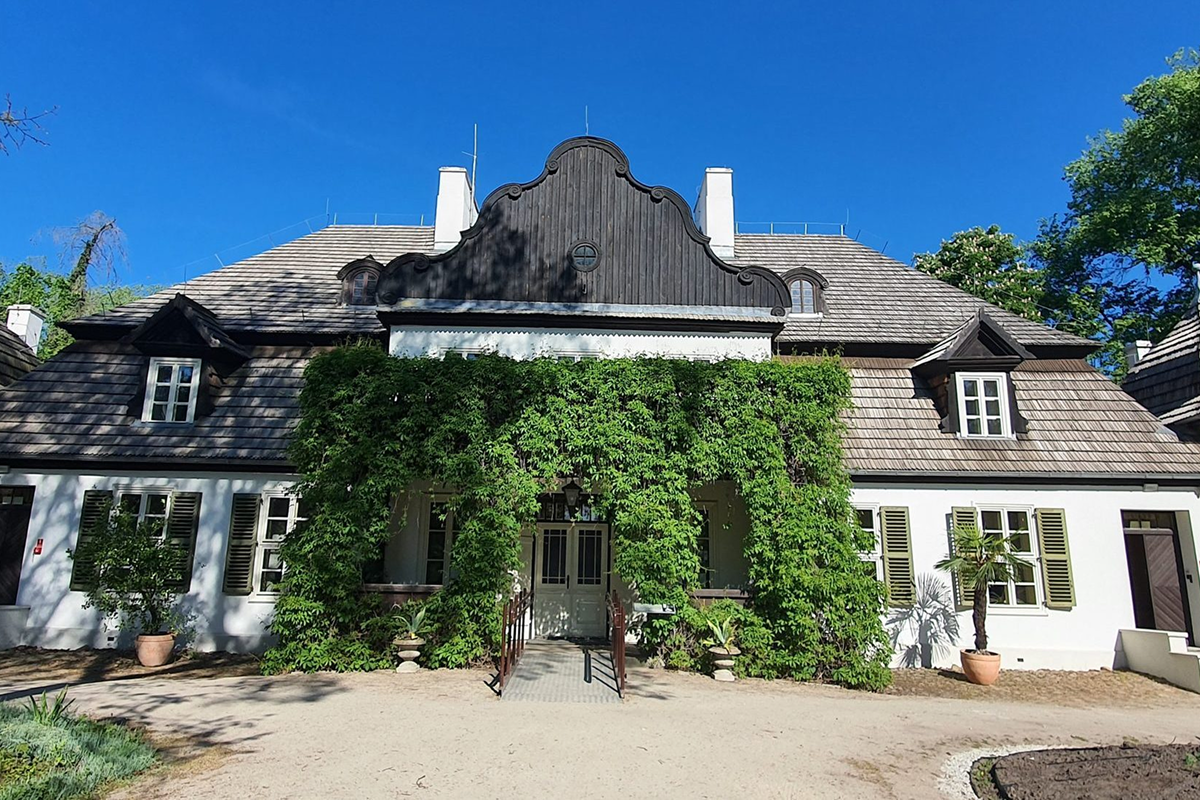
An 18th-century gentry manor with a shingled roof, in a quiet park where the rose bushes are wrapped in straw cones for the winter. This small museum sits well away from the busy routes and is worth the detour. The rooms are arranged as though the family had stepped out for a moment and were about to come back: the dining table laid, toys scattered across the nursery floor, the piano open in the drawing room.
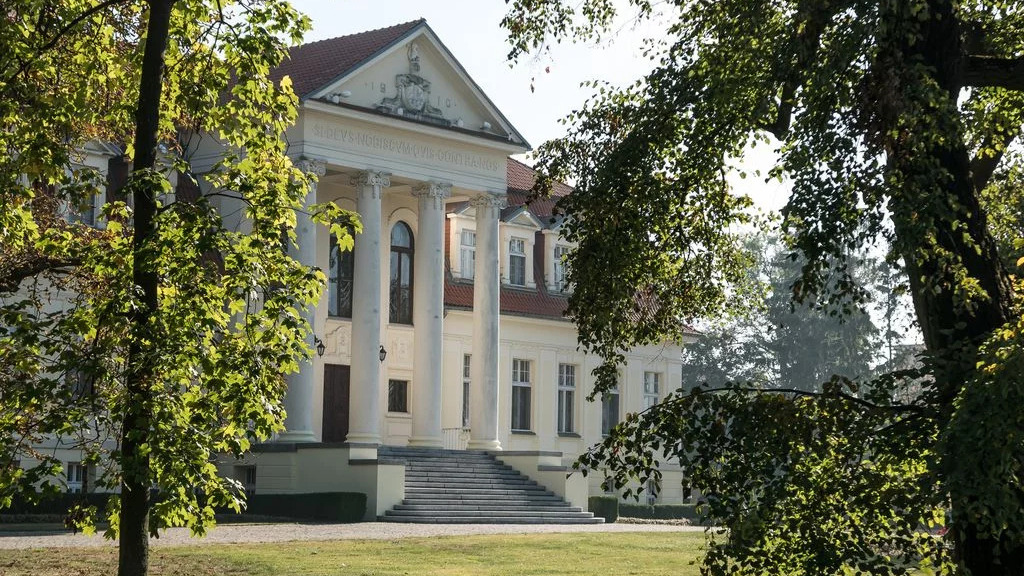
Napoleon gave this baroque estate, once ringed by vineyards, to General Dąbrowski in gratitude for raising the Polish Legions. Dąbrowski is the general the Polish national anthem is named after. He settled here with his second wife, Barbara Chłapowska, and together they turned the house into something close to a national museum.
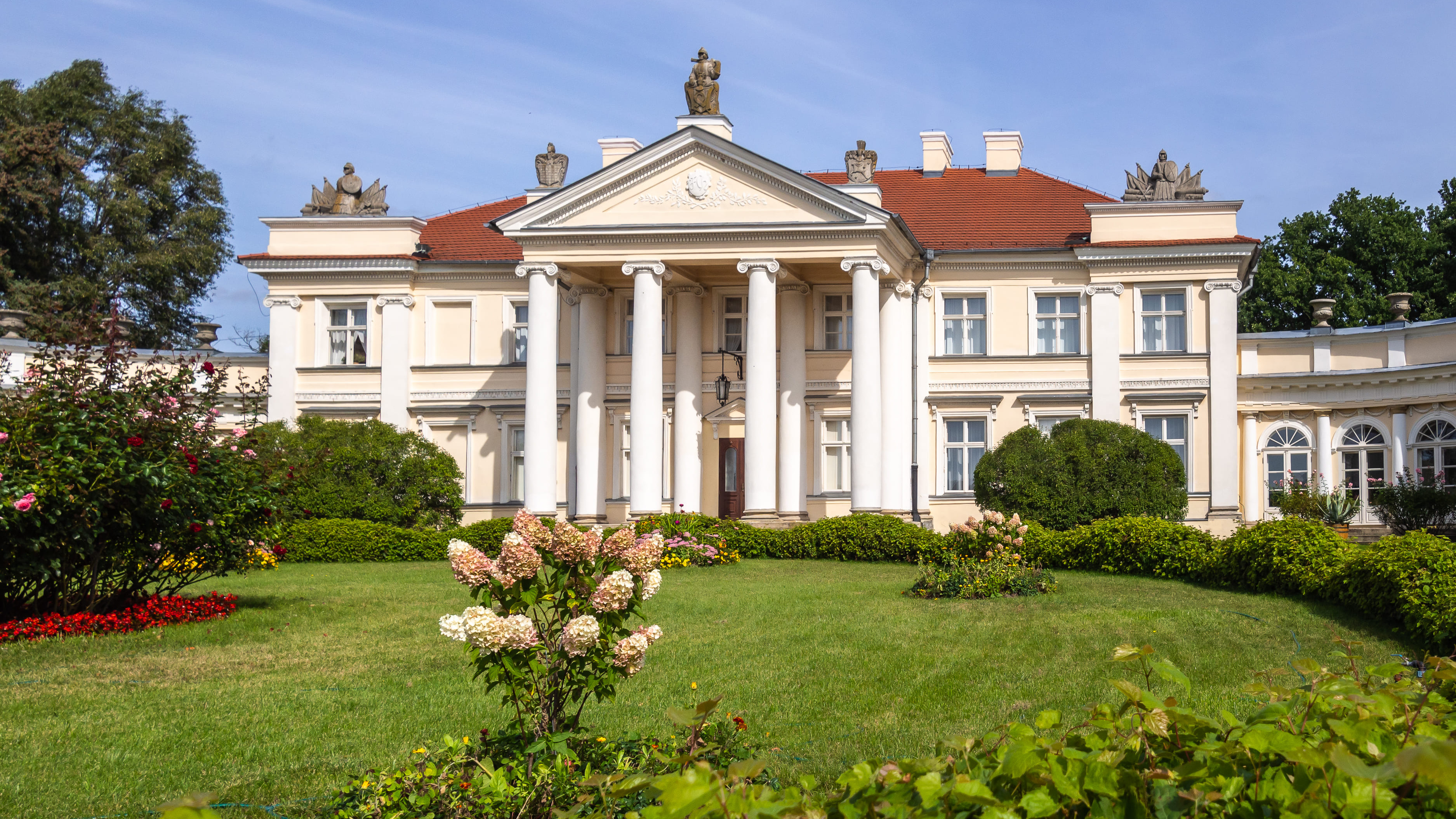
This became the model for Soplicowo, the manor at the heart of Pan Tadeusz. Adam Mickiewicz stopped here in August 1831. He meant to join the November Uprising against Russian rule and never managed it, so he stayed at Śmiełów for seven months instead. His affair with Konstancja Łubieńska, a married woman, carried him through the gloom, gave him the national epic, and turned into a friendship that lasted for years. When you reach the poet's bedroom at Śmiełów, look out of the window. You will see the wooded hills and green meadows he wrote about.
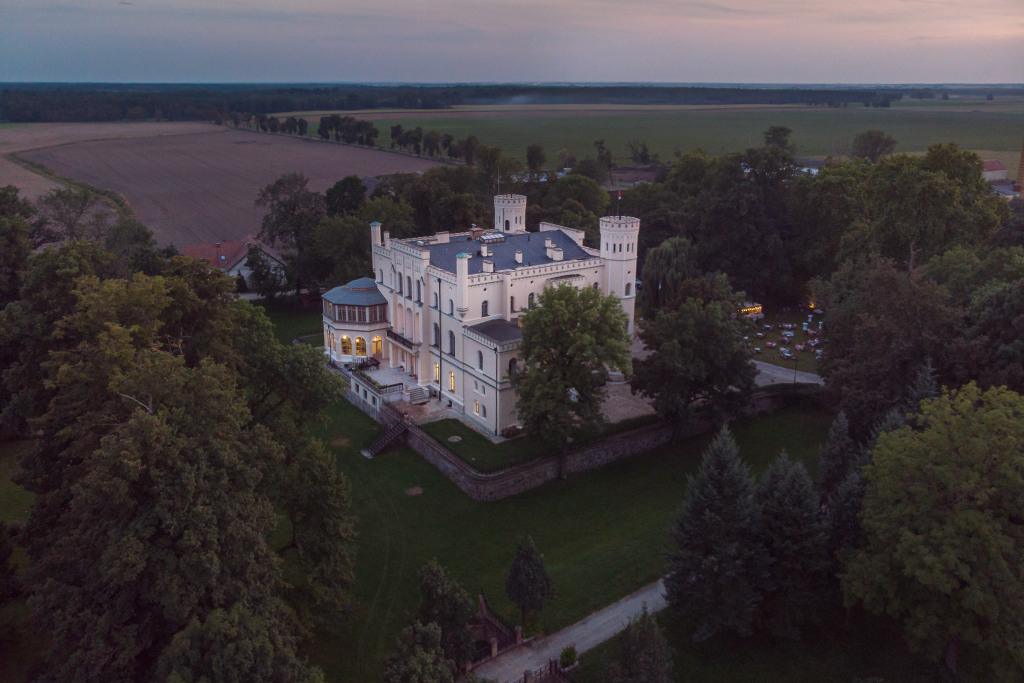
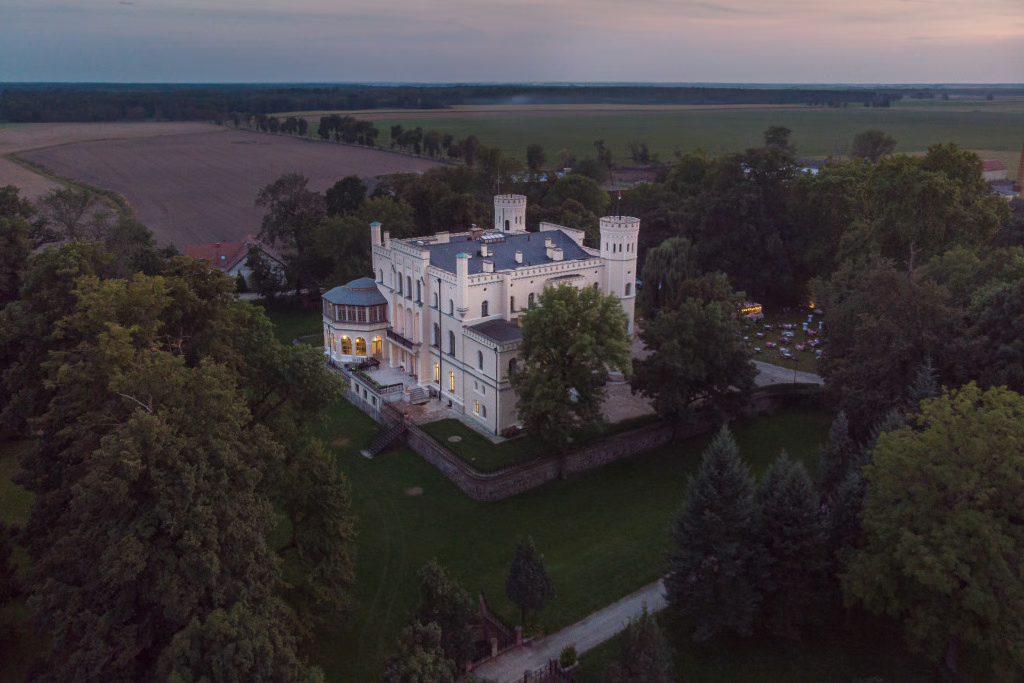
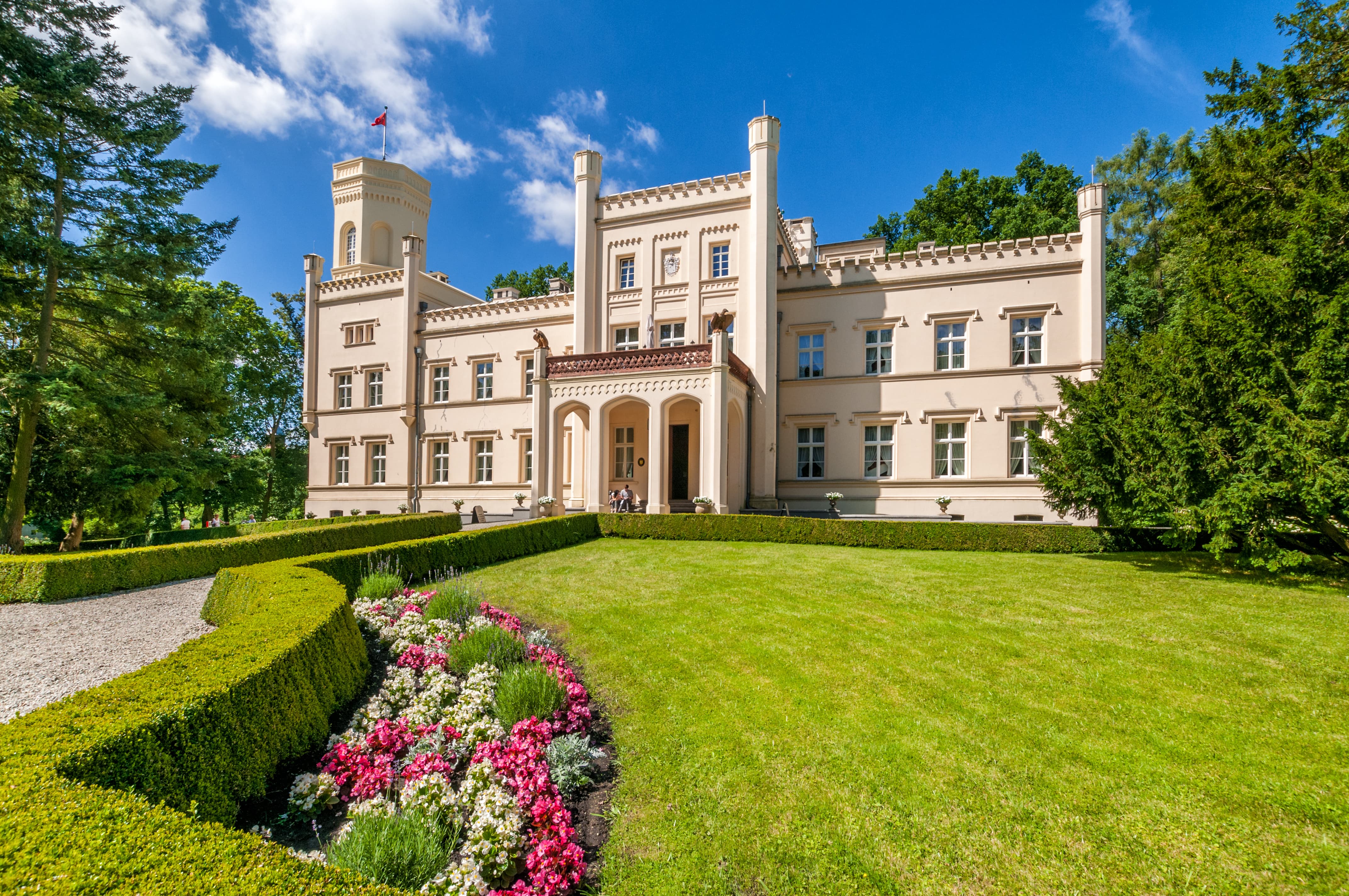
A proper fairy-tale castle, except that the woman it was built for never got to live in it. Turning a modest manor into a neo-Gothic residence was the idea of Count Mycielski's wife, Karolina, born a Countess Wodzicka. She died of cholera before it was finished. Heartbroken, the count completed the work in her memory. The mood here is unhurried. At weekends you can have cake in the castle café.
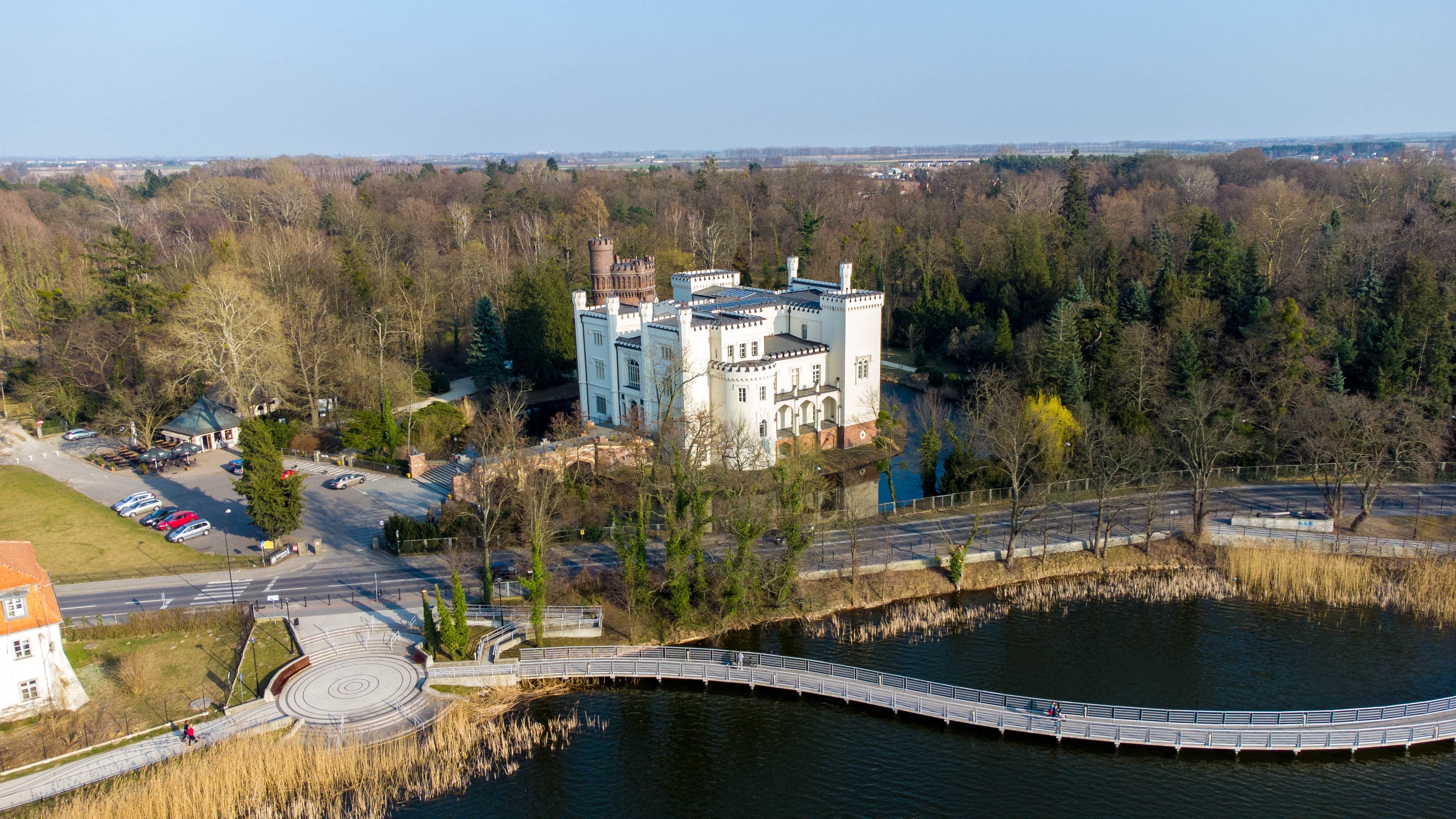
A magnificent baroque residence built for one of the great aristocratic families. It belonged for years to the Leszczyński family, which produced a king of Poland, Stanisław Leszczyński. There is a hotel in it now, but the restored state floor is open to visitors: the ballroom, the knights' hall and the maritime hall. Come to the courtyard in autumn, when the ivy climbing the walls turns every colour at once. Look around the town of Rydzyna as well. It is the only town in Poland whose baroque layout has survived unchanged, and its lovely streets have several good bakeries and cake shops.
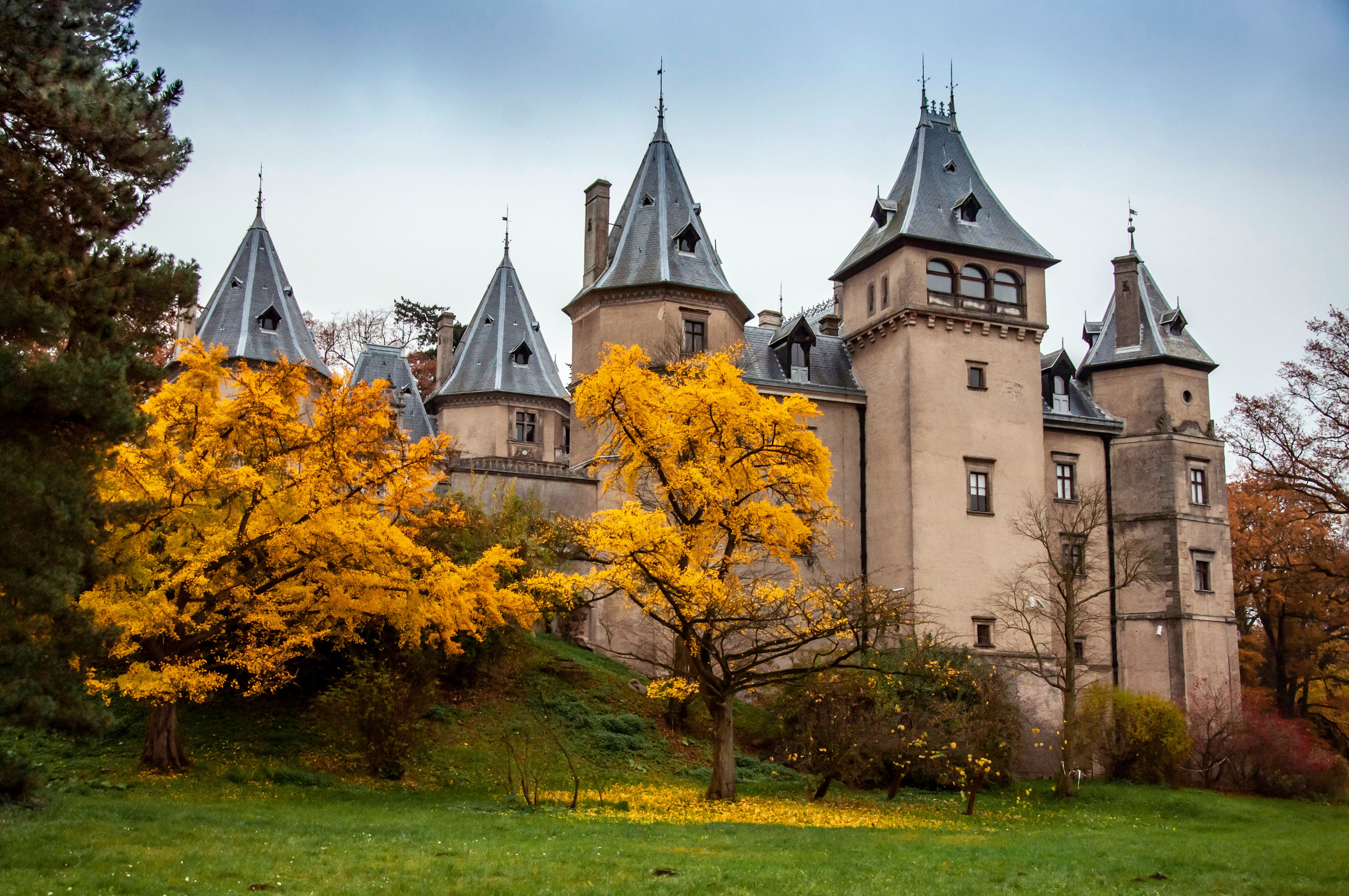
When Izabella Działyńska, born a Czartoryska, took it on, it was in a dreadful state. She had been married off against her will to the impoverished Count Działyński and moved from the artistic salons of Paris to the provinces. She described the place to her parents like this: "Gołuchów looks like a small medieval castellany that has just been attacked and looted."
The marriage, an unequal match and a piece of political arithmetic, was not a great success, but Izabella and Jan shared one passion: both loved art, and together they built a remarkable collection. In later years Izabella rebuilt the castle on her own terms and came to love it so much that she called it her small paradise on earth. Jan took on the garden and the vineyards. There is a bison enclosure here now as well. Filmmakers are fond of the place: the recent version of "Mr Blot's Academy", a Polish children's classic, was shot here.
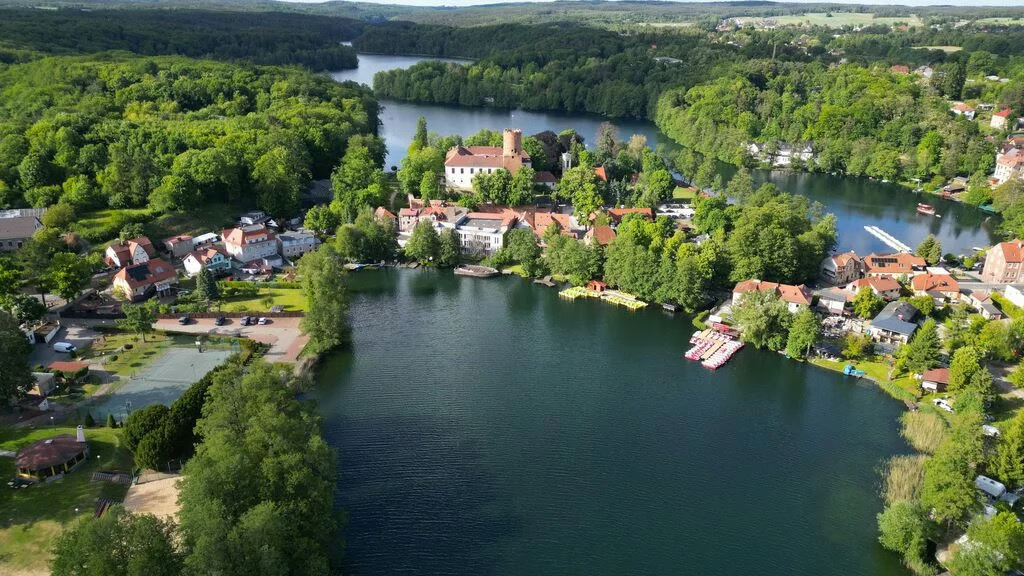
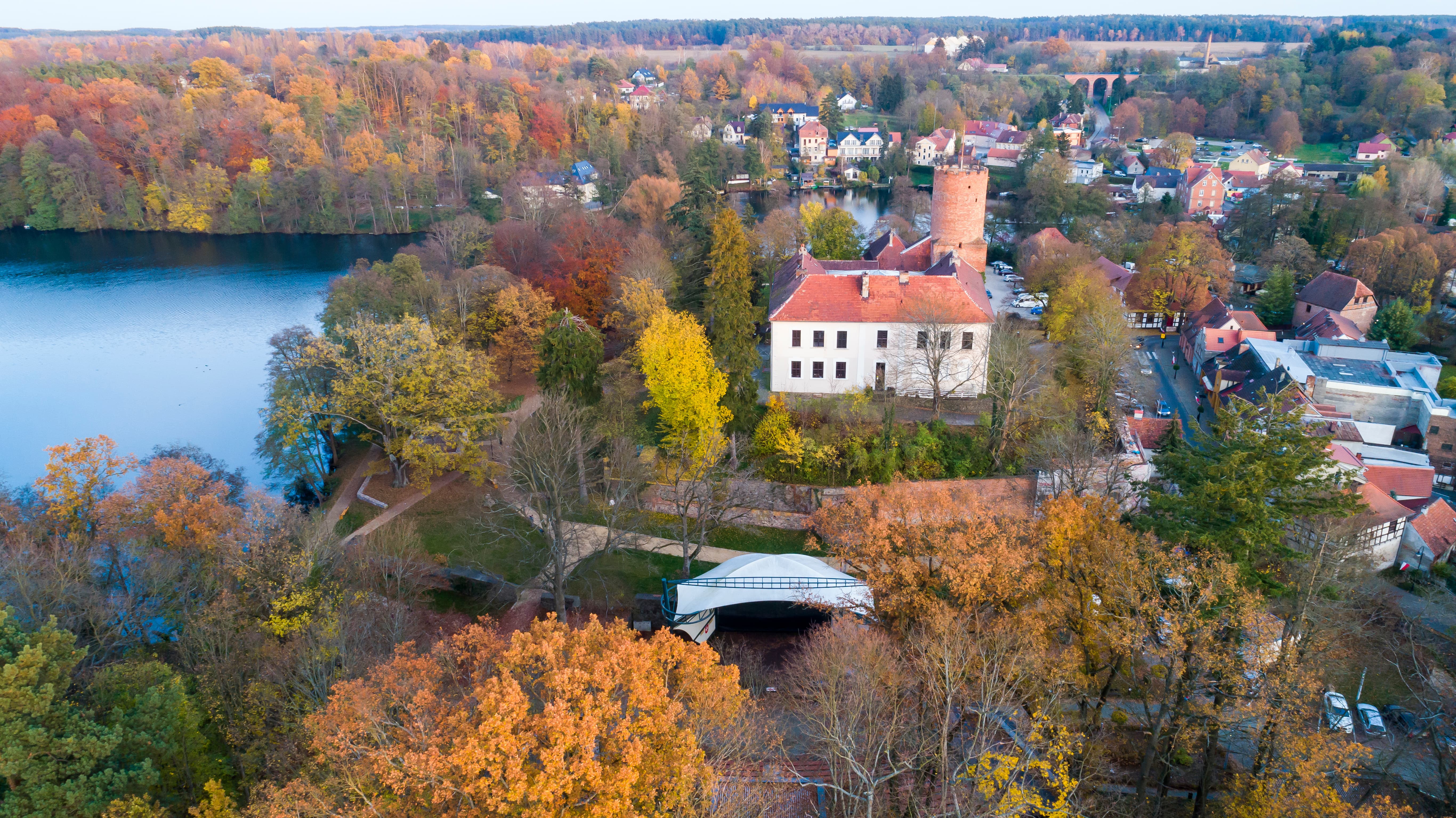
A medieval stronghold on a hill between two lakes. In the mid-16th century the Łagów commandery came under Andrzej von Schlieben. He went down in history not as a statesman but as the man who could not resist a woman: in 1544 he became the first Hospitaller here to marry and start a family. He is said to still appear, to men only, as a knight in burning armour. If that does not put you off, come at the turn of June and July, when the Lubusz Film Summer takes place in the amphitheatre in the castle courtyard.
The former seat of the von Waldow family, which somehow survived both world wars. In the early 2000s the neo-Gothic house and the park around it were restored, and it is now a hotel with a spa, a stud farm and one of the best-known vineyards in the region.
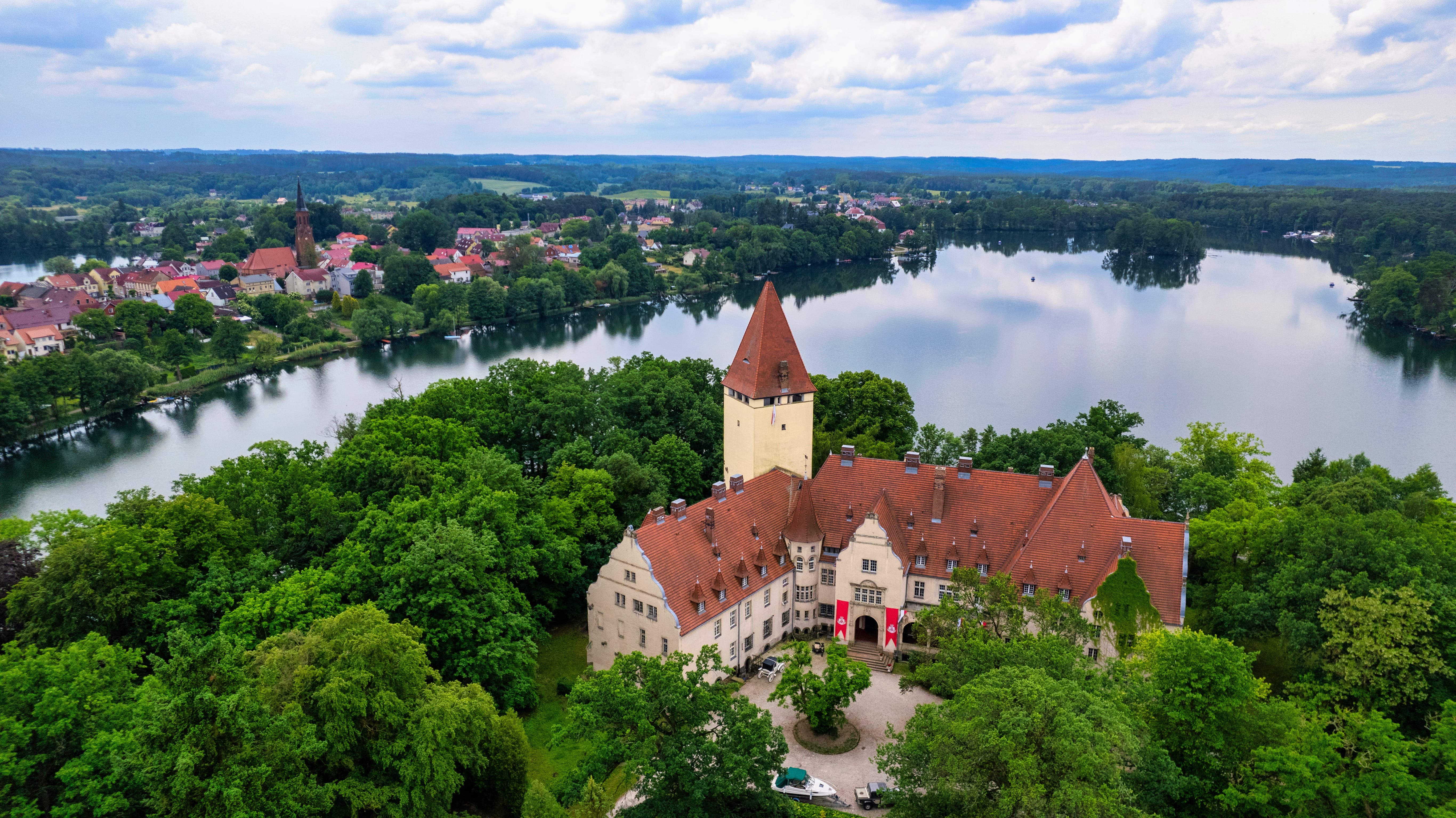
Its setting alone, on the shore of Lake Lubiąż, will do something to you. No wonder Michalina Wisłocka, who wrote "The Art of Loving", liked to spend her holidays here. The palace garden holds a kind of monument to her famous affair: the Park of Love, full of striking sculptures on sensual and erotic themes.