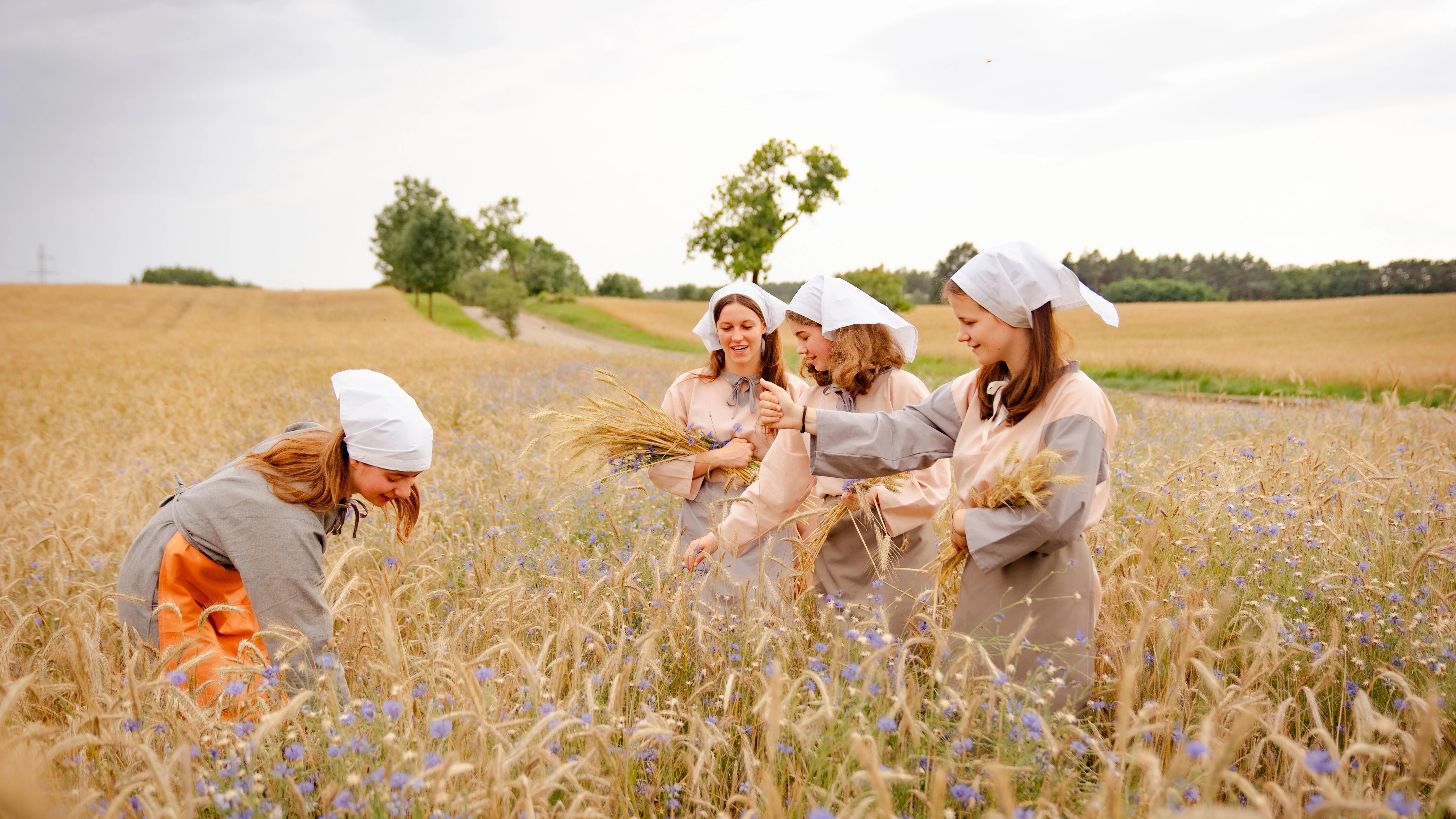
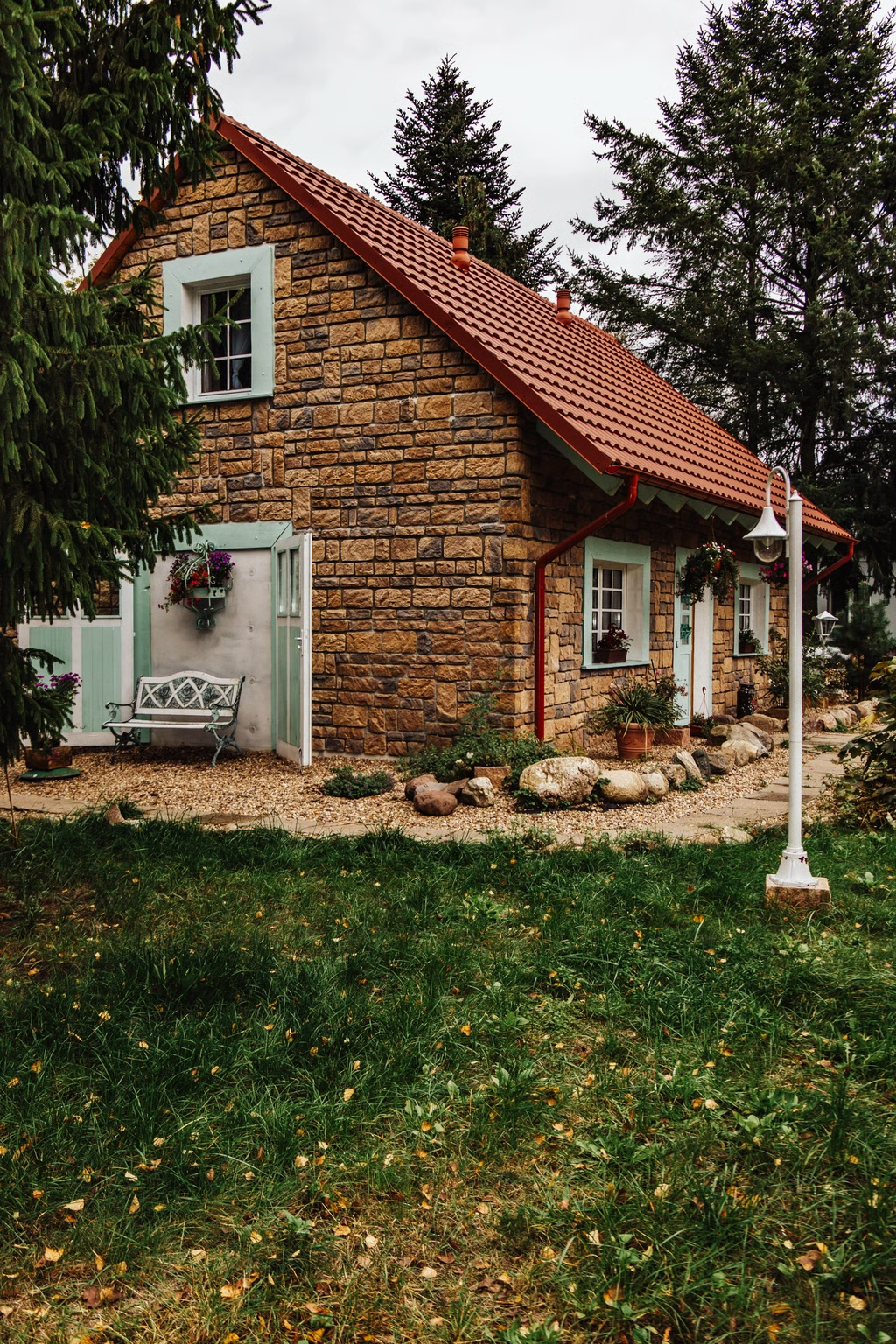
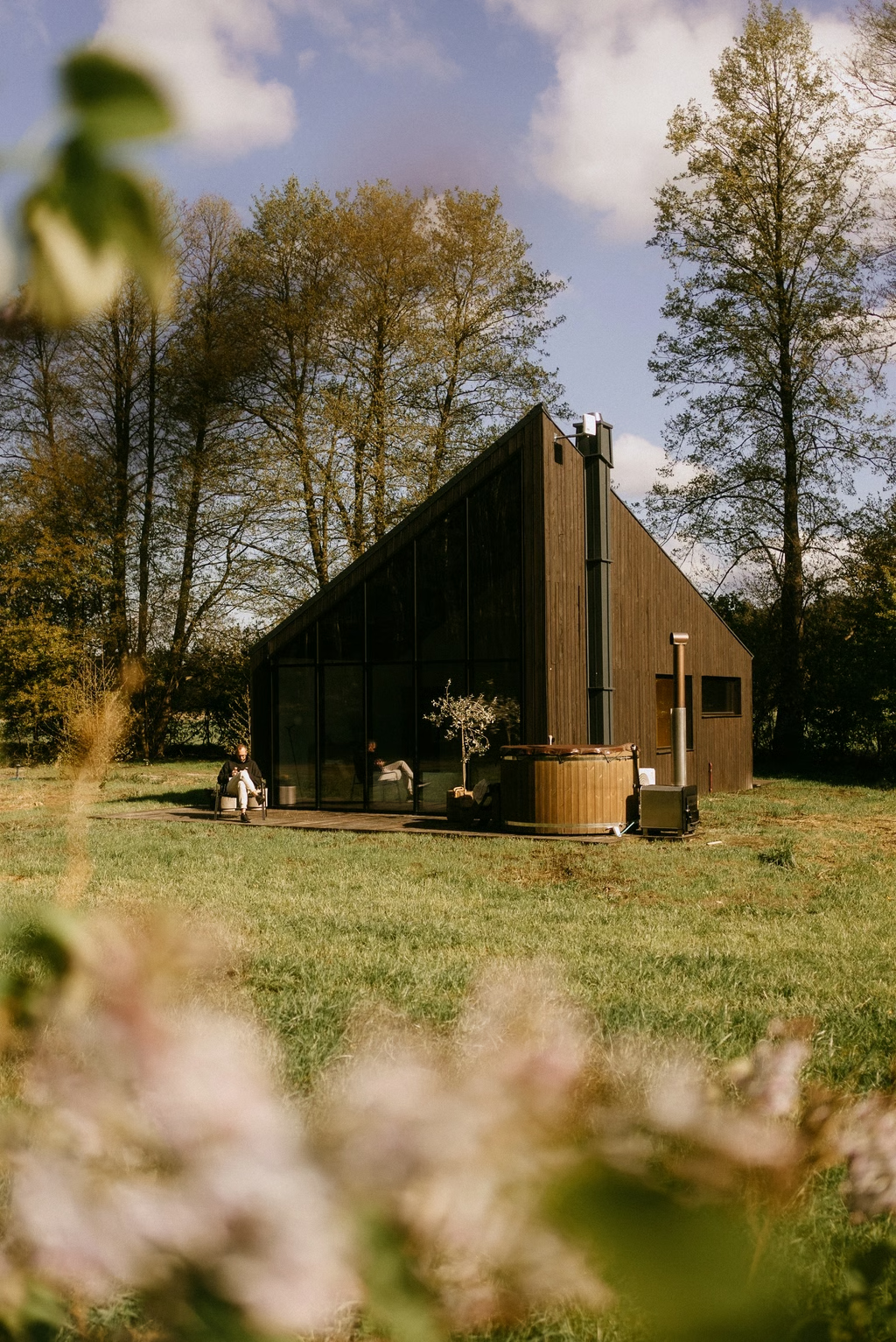
On the edge of the Zielonka Forest sits Bolechówko-Potasze, a village that once belonged to the convent at Owińska. Six hundred years ago the daughters of local landowners came here to learn practical self-reliance from the nuns. The lessons clearly stuck.
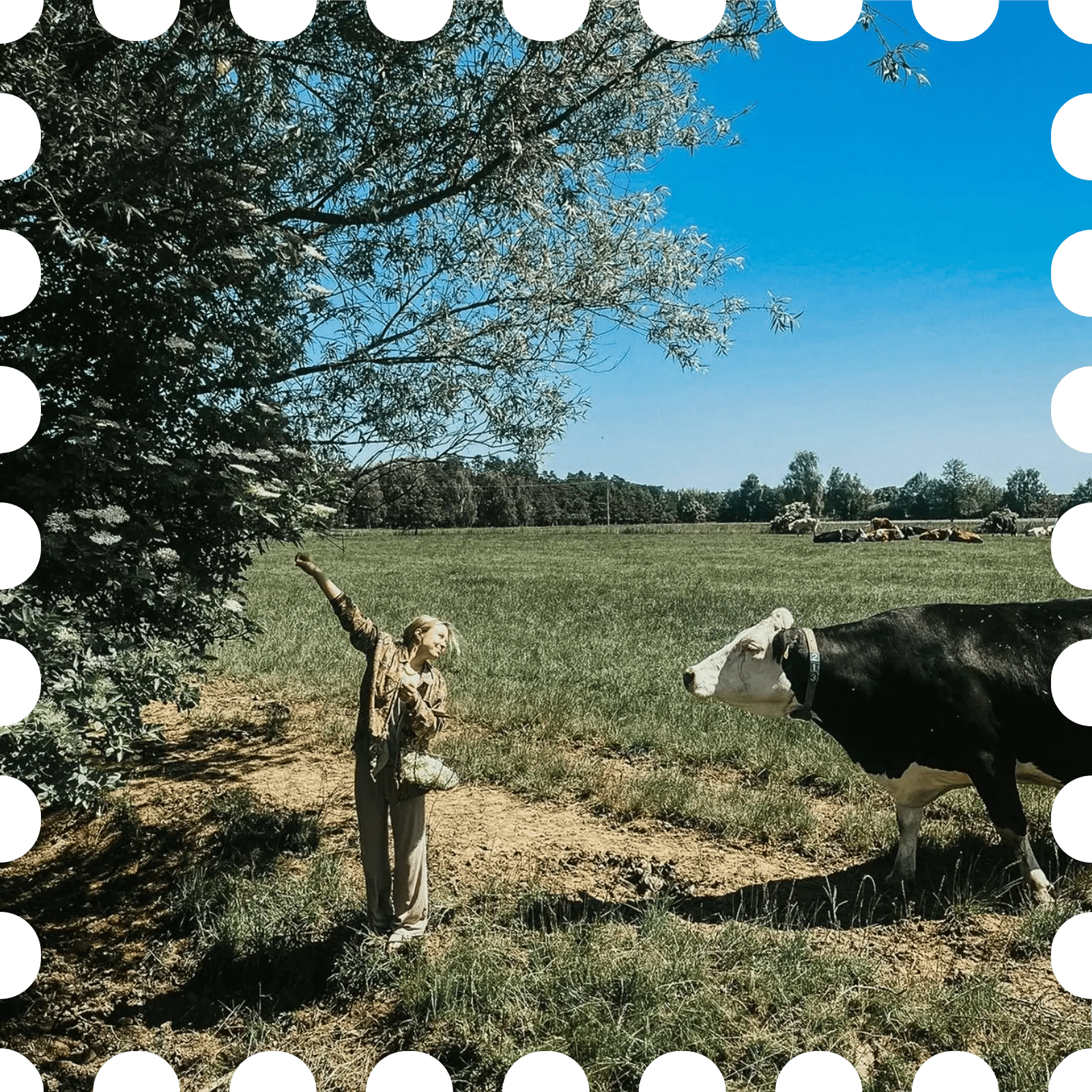
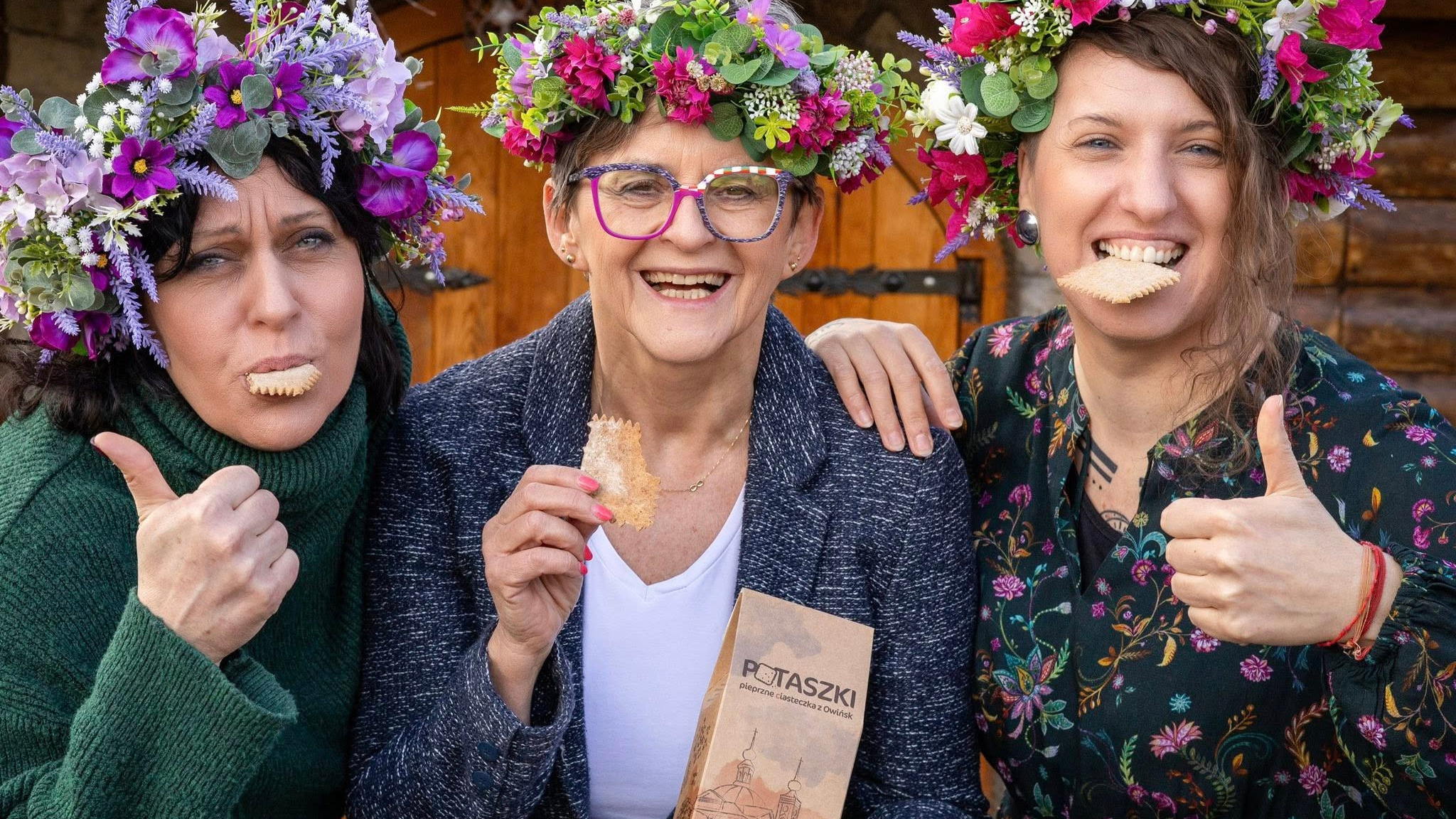
Meet the Potaszanki, a thoroughly modern koło gospodyń wiejskich — the village women's club you will find in almost every Polish village, though rarely one like this. Average age 45. In summer they weave flower garlands, in winter they swim in freezing lakes. They make trench candles for Ukraine, run second-hand swap markets, are shooting a film about medieval nuns and, inspired by the recipe notebook of St Hildegard of Bingen, bake peppery biscuits that have become a local hit.
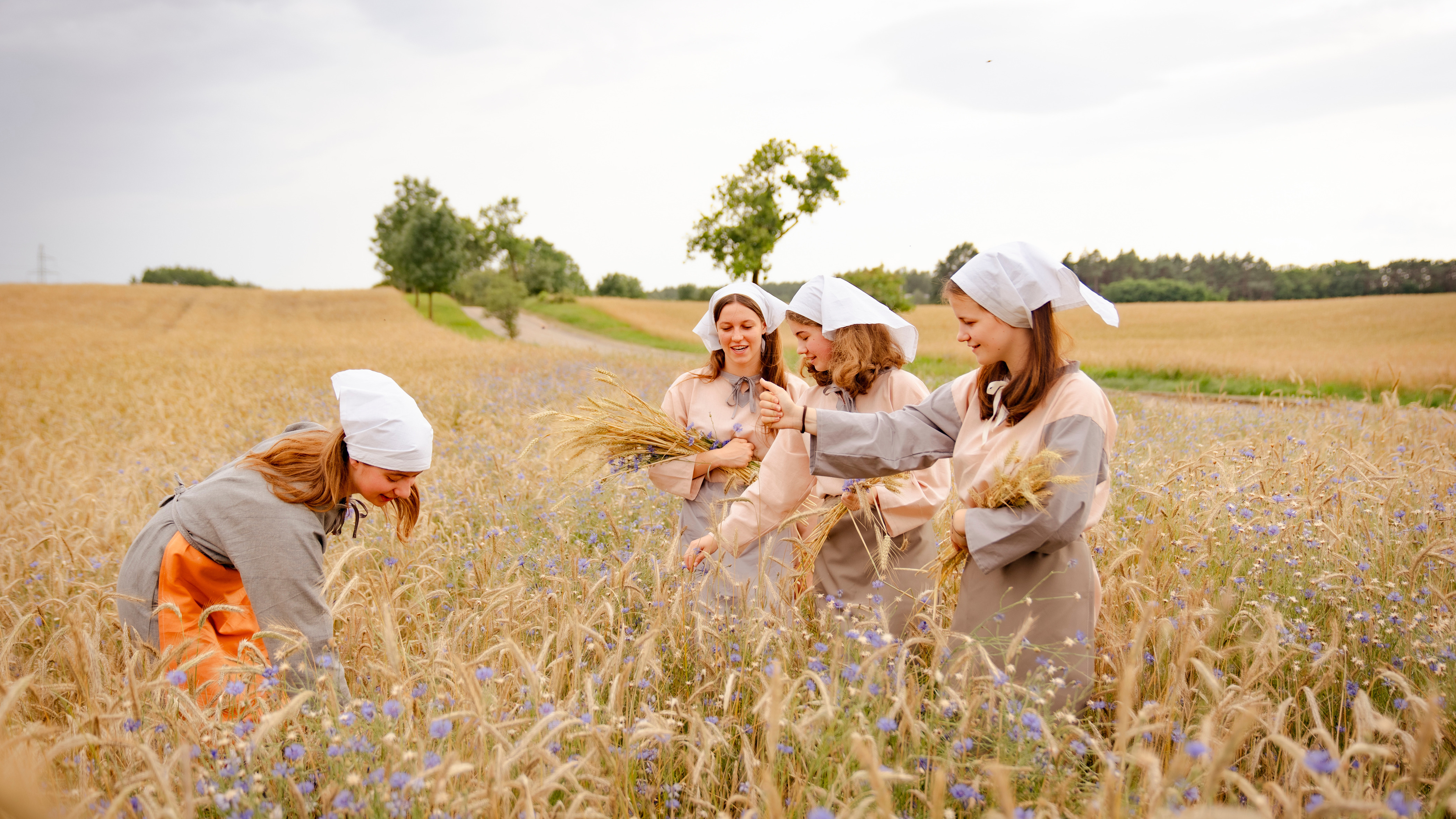
Agnieszka Wolniewicz, a Potasze native going back generations and the driving force behind all of this, was standing in the convent at Owińska one day, looking at the frescoes. One of them showed a nun. "By then you could only make out her eyes," she says. "The mouth had worn away completely. As if she could not say anything any more. I felt I had to give her back her voice."
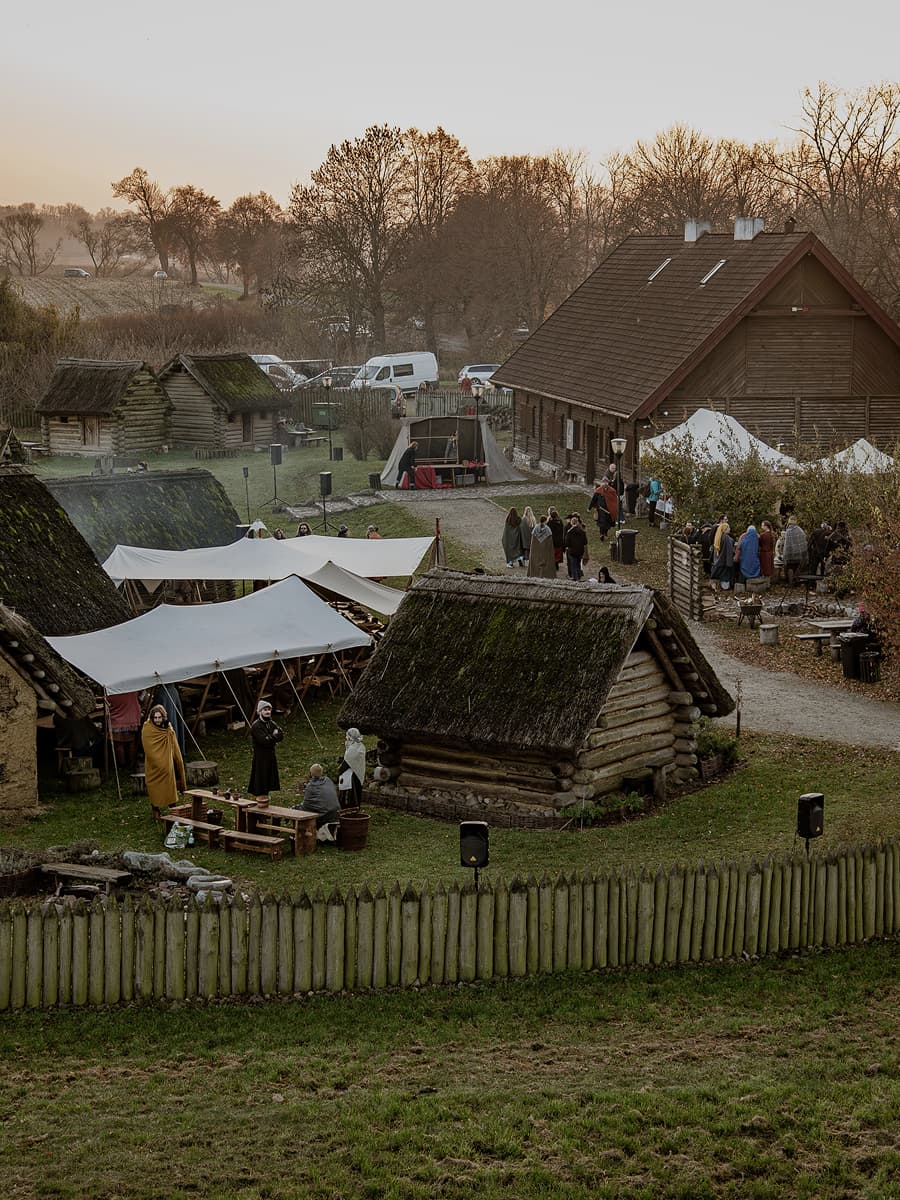
She and her neighbours sewed habits, and for several weeks — married, divorced, believers and non-believers, with children and without — they acted out scenes from the lives of the Cistercian nuns for a film of their own. Another idea came out of it: biscuits made with potash, the old raising agent extracted from wood ash that those enterprising nuns had been trading centuries earlier. The starting points were St Hildegard's cookies of joy and old Polish gingerbread, heavy on the pepper. Trial and error turned it into a regional speciality, and the whole district is proud of it now.
It is one of the few occasions the Potaszanki have actually baked anything. "Standing over a stove and entering competitions does not really do it for us," Agnieszka laughs. "We are more interested in creating something people feel, and in bringing them together. If we only turn up to eat and drink, not much is left afterwards. When we make something together, remarkable things happen. We step out of our bubbles, we meet another person and we find there is more that connects us than divides us. The best things come out of meetings like that."
Pray and work — the Cistercians who arrived in western Poland in the 12th century took their motto seriously, steadily building impressive monasteries, river canals, fish ponds and vineyards. Following their trail is one of the best ways to spend a few unhurried days around Poznań.
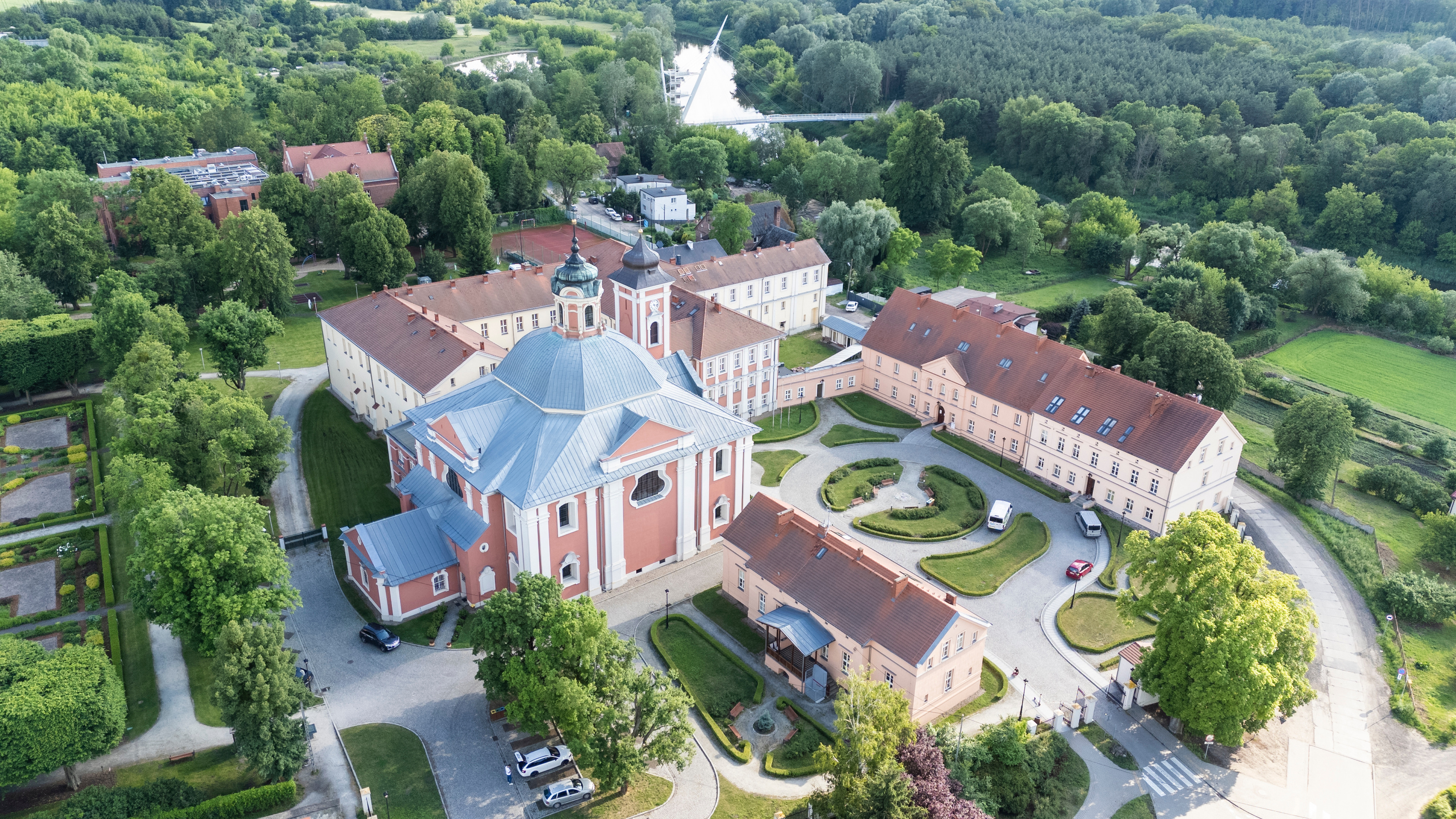
Take in the baroque convent at Owińska and try the potaszki, the peppery biscuits the local women's club reconstructed from old recipes. In Tarnowo Pałuckie you will find the oldest wooden church in Poland, and Łekno is worth a visit in July, when the Cistercian Fair takes place.
One for the collection: W Czerwonaku w czerwcu czerwiec na czerwcu — a local tongue-twister that works because the Polish word czerwiec means three things at once: June, a small plant called knawel, and the insect that lives on its roots. It comes from the days when, at the end of spring, people here dug up that unremarkable plant to collect Polish cochineal. The nuns at Owińska turned the insects into a crimson dye and sold it to merchants across Europe.
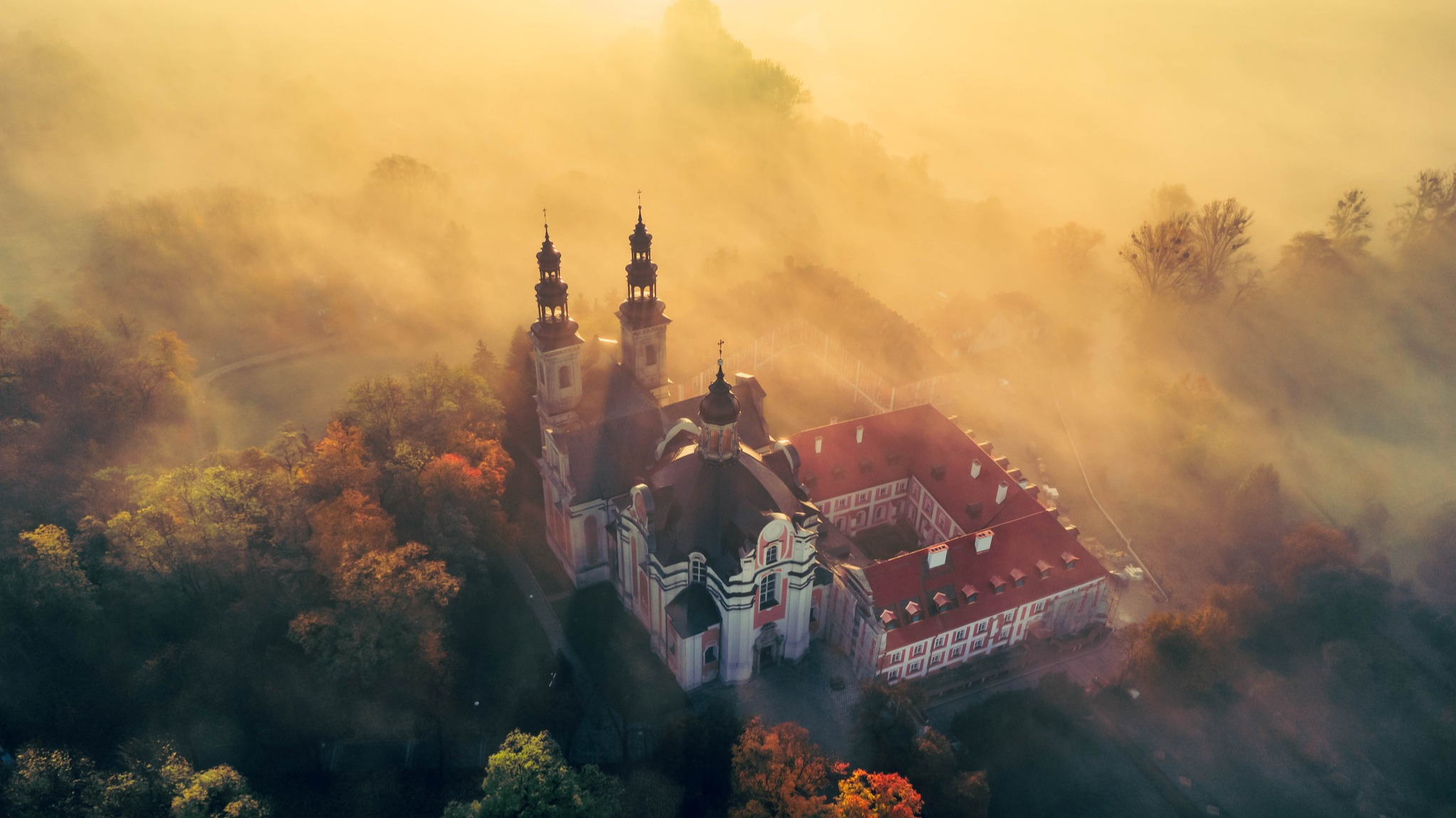
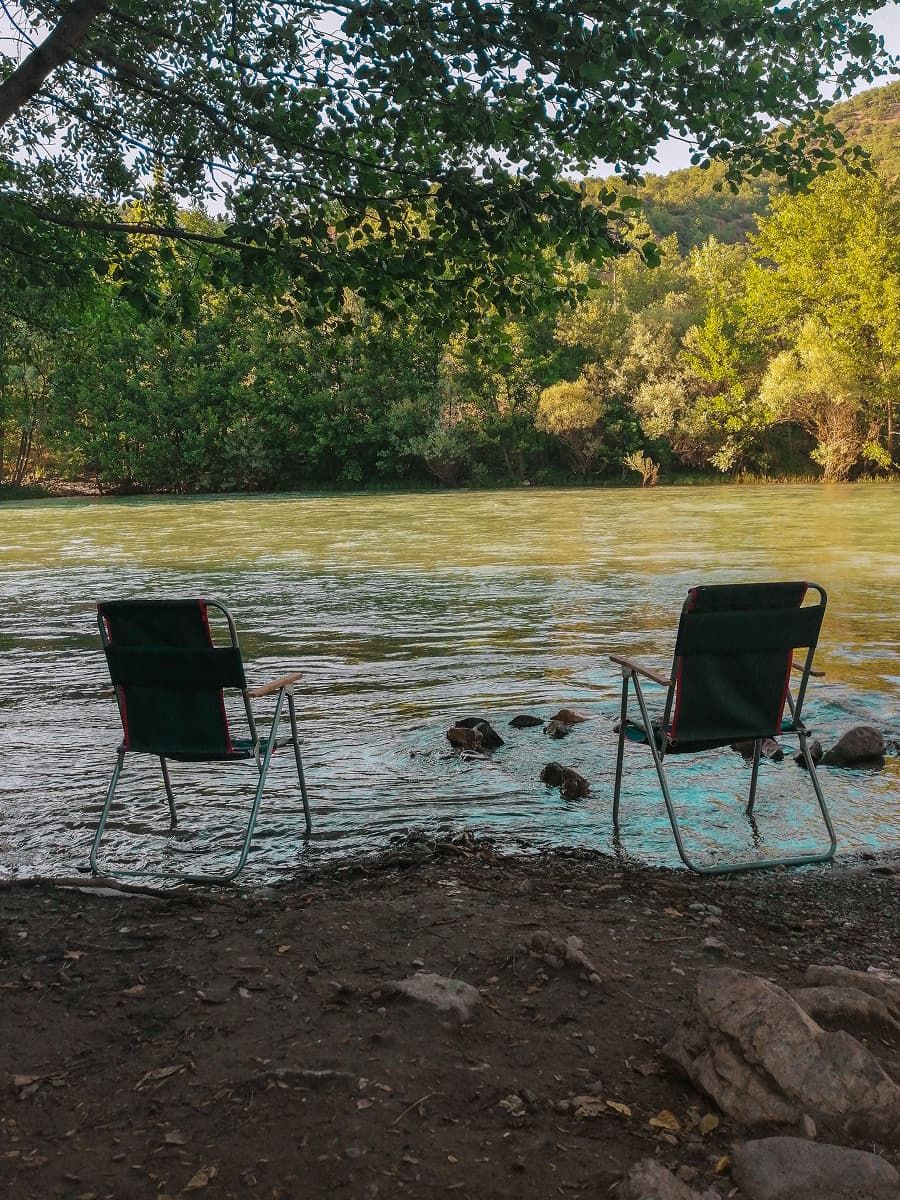
An imposing baroque abbey, lost among the wetlands of the Warta river. The best way to look at it is from a deckchair at Lawendowy Ląd, with a lavender ice cream in hand. The marina next door, on the river, does very good fried fish. In June, Ląd hosts the Festival of Slavic and Cistercian Culture.
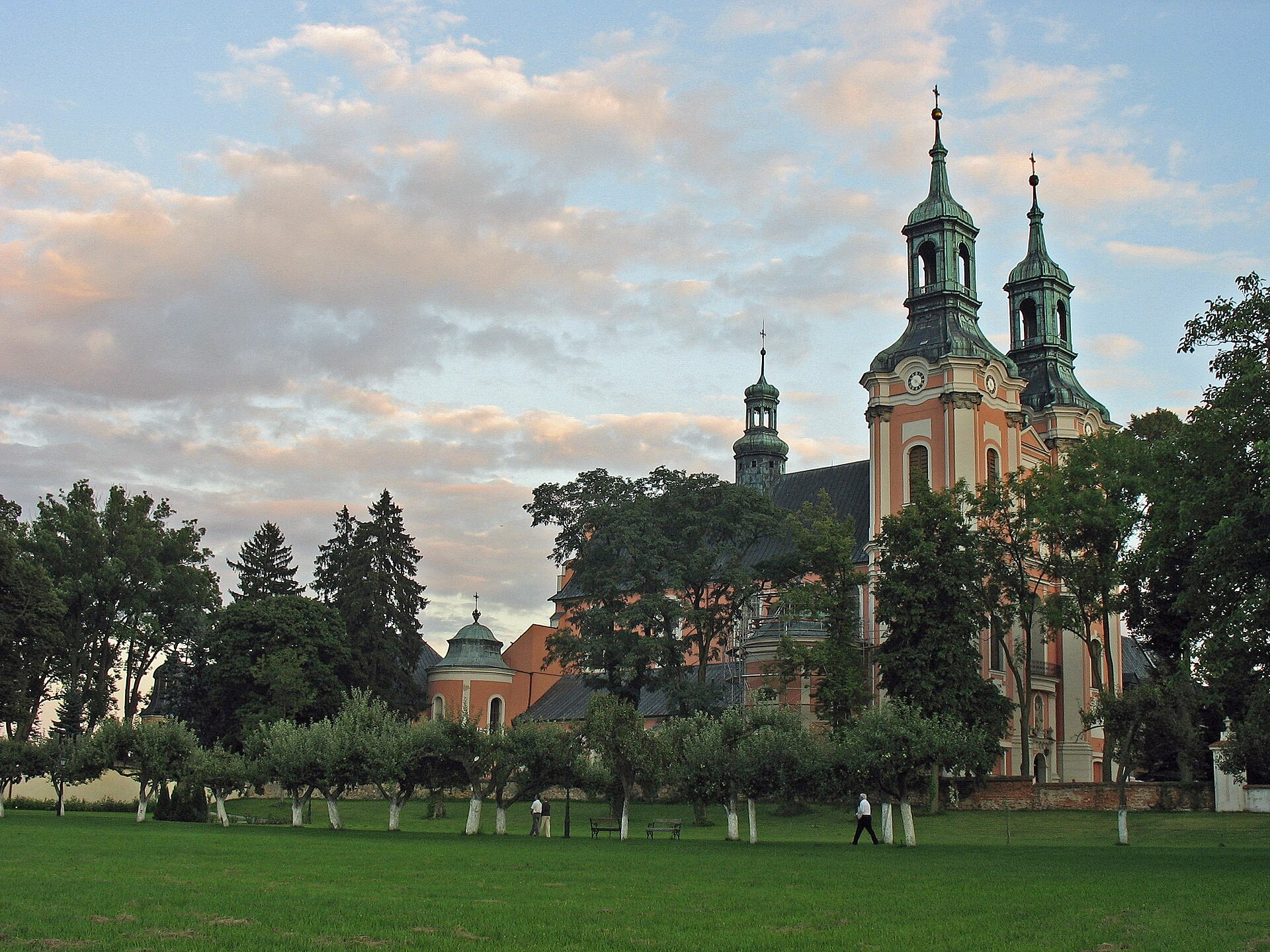
See the richly painted cloisters and refectory at Paradyż, then stay for Muzyka w Raju, or Music in Paradise, a well-regarded international early music festival held here in August.